
The France of 1939 carries the traumatic memory of 1914–1918: 1.4 million dead, devastated regions, a population that no longer wants to relive the bloodletting. This memory permeates its military thinking, long turned toward the defensive and the 'methodical battle' — prepare the ground, spare the blood, leave nothing to chance.
The Maginot Line, a chain of fortifications along the German border, is its symbol: a rampart meant to channel any enemy offensive and allow France to hold out while the blockade and Allied industrial superiority play out over the long term.
General Gamelin, the chief of staff, must, on the eve of war, confirm or revise the country's orientation. To bet on the defensive and the long war, relying on the Maginot Line and the blockade, at the risk of leaving the initiative to the enemy? To develop a mobile offensive capability — massed armour, assault aviation — in order to be able to strike, notably to the rescue of Poland? Or to combine the two, at the risk of succeeding at neither? The survival of the Polish ally depends in part on this doctrine.
Should France lock itself into a defensive doctrine, or acquire a mobile offensive capability?
France confirms A: the doctrine remains defensive, founded on the Maginot Line, the methodical battle and the gamble of a long war in which the blockade and Allied industry would wear Germany down. The tanks, though numerous and sometimes excellent, remain dispersed in support of the infantry rather than massed in large autonomous units. When Poland is attacked, the French army will confine itself to a symbolic offensive in the Saar before withdrawing. This doctrine, rational in light of 1918, will prove tragically ill-suited to the war of movement of 1940.
Learn more about this event
Related polls
10
The Polish Army and the Deployment
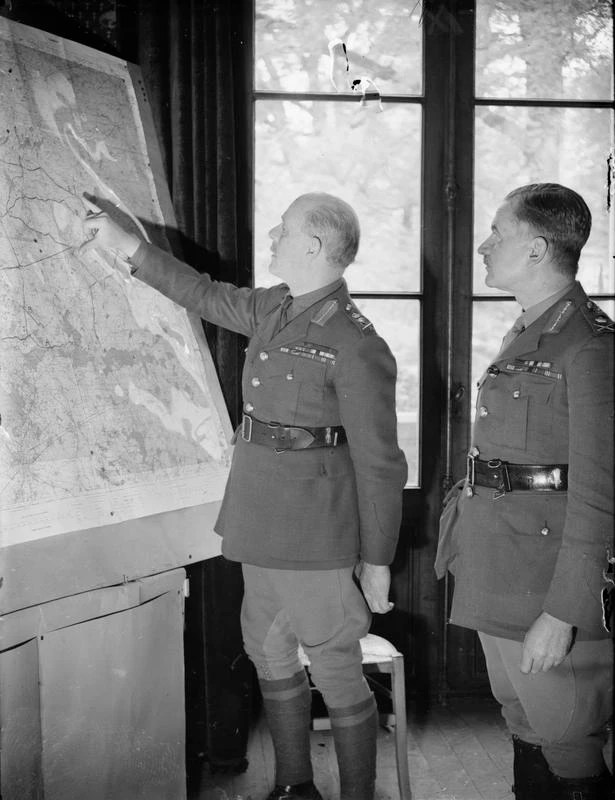
Gort at Habarcq — trust in the French plan
Touchon on the Aisne — Fall Rot
"Cromwell" — England, 7 September 1940
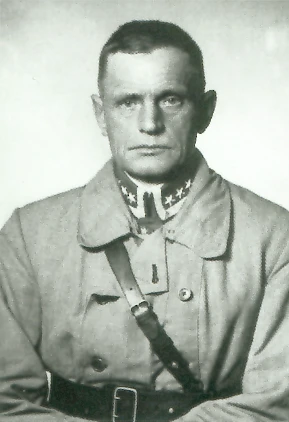
Gudbrandsdal — Ruge imposes his line
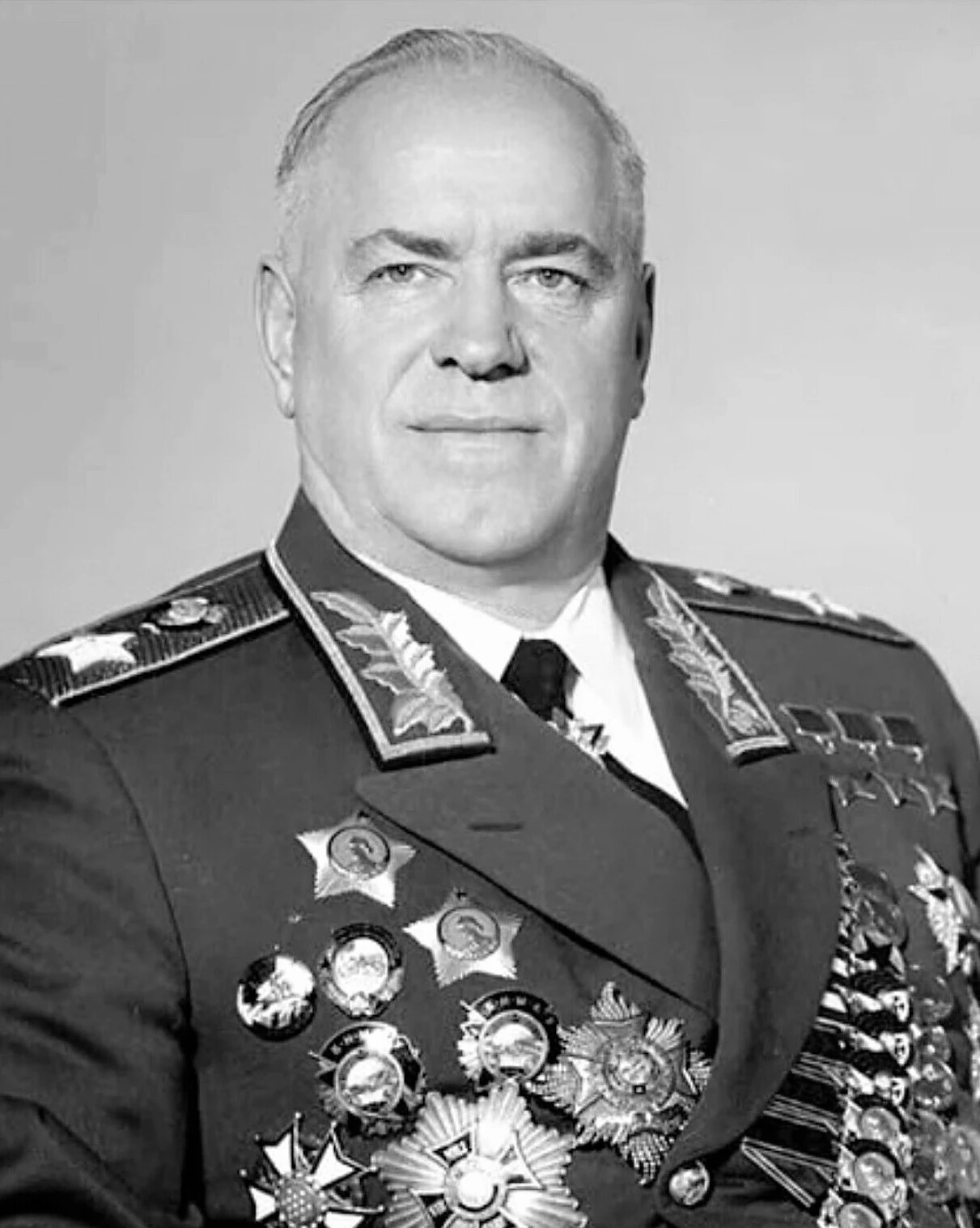
Zhukov Facing the Void Before Moscow
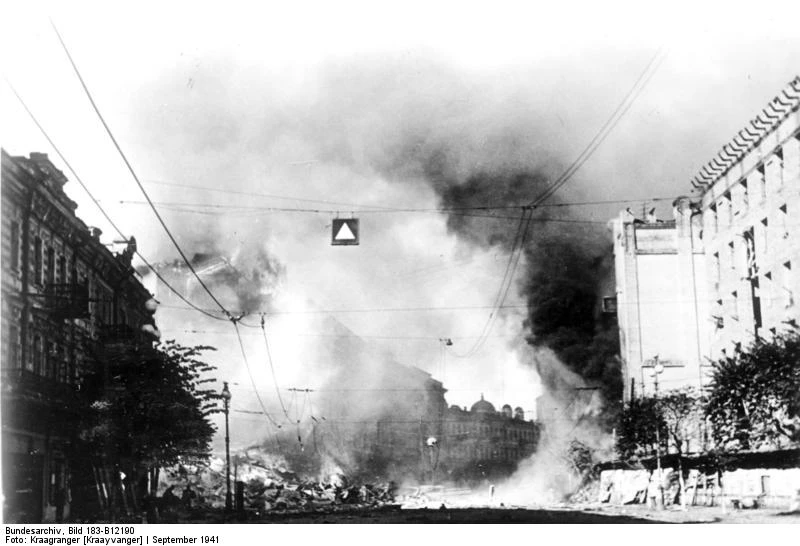
Kirponos, Kiev and Stalin's Prohibition
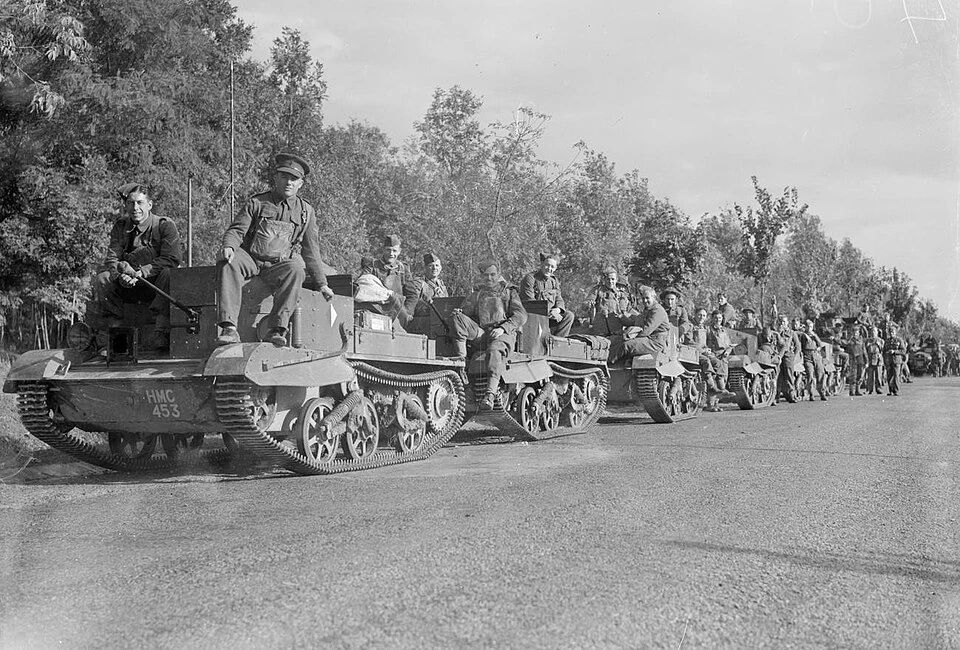
Lord Gort at Arras — the BEF's winter
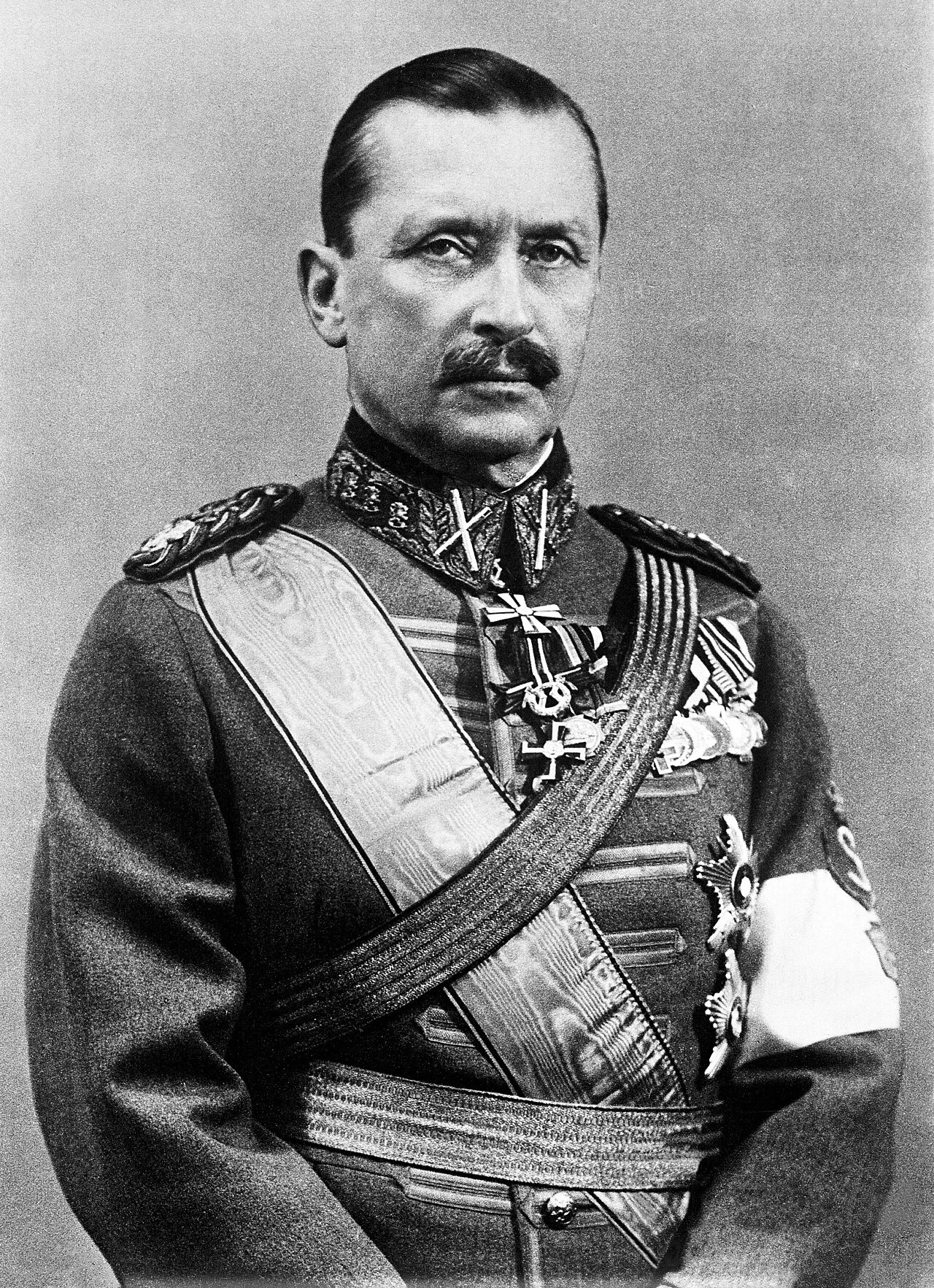
Mannerheim — the order facing Viipuri
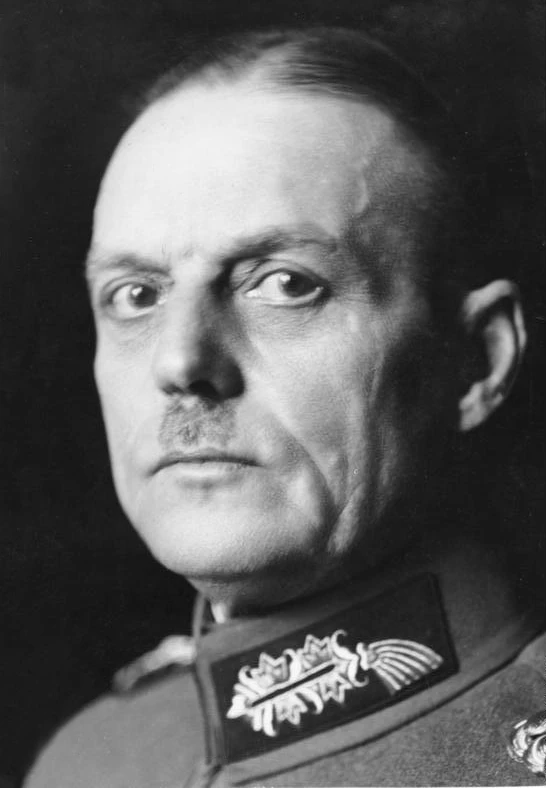
Rostov: Withdraw or Obey the Führer
The Polish Army and the Deployment
Gort at Habarcq — trust in the French plan
Touchon on the Aisne — Fall Rot
"Cromwell" — England, 7 September 1940
Gudbrandsdal — Ruge imposes his line
Zhukov Facing the Void Before Moscow
Kirponos, Kiev and Stalin's Prohibition
Lord Gort at Arras — the BEF's winter
Mannerheim — the order facing Viipuri