
Chamberlain — 11:15 BST
, 70, has been Prime Minister since May 1937. He was the principal architect of the Munich Agreement (29-30 September 1938) and remains, in the eyes of British public opinion, the embodiment of the policy of appeasement toward Hitler. On 31 March 1939, after the occupation of Prague (15 March), he reversed course by extending a British guarantee to Poland: London would go to war if Poland were attacked.
The German invasion of Poland begins on 1 September 1939 at 04:45. Chamberlain hesitates all the same. On the evening of the 1st he sends Berlin a warning (the Henderson note) — not an ultimatum: hostilities must cease and German forces be withdrawn. No deadline is set. France was waiting for a simultaneous British response. The British Cabinet of 2 September is stormy: Halifax and Greenwood demand a firm ultimatum. Chamberlain and Hoare still play for time. The House of Commons meets that evening; (Labour) delivers a line that tips the balance: "Speak for England, Arthur."
In the night of 2-3 September, the Cabinet forces Chamberlain into a formal ultimatum to Berlin: a reply demanded by 11:00 BST on 3 September. No reply comes from Berlin. At 11:00 on 3 September the ultimatum expires. Chamberlain must announce the war fifteen minutes later on the BBC.
How should the state of war be announced at 11:15?
Chamberlain chooses A. At 11:15 BST on the BBC, in a four-minute radio address broadcast live from the Cabinet Room at 10 Downing Street, he says: "This morning the British Ambassador in Berlin handed the German Government a final note (...) I have to tell you now that no such undertaking has been received, and that consequently this country is at war with Germany." The tone is one of personal political defeat. No call to mobilise, no patriotism — only the bare statement. An hour later, at 12:15, the air-raid siren sounds in London for the first time (a false alarm). Chamberlain remains Prime Minister until 10 May 1940, when he gives way to Churchill after the failure of the Norway campaign. He dies of cancer in November 1940, without ever having the chance to justify himself publicly. His speech of 3 September 1939 remains one of the most contested in British history: too late, too resigned, but legally unimpeachable.
Learn more about this event
Related polls
10
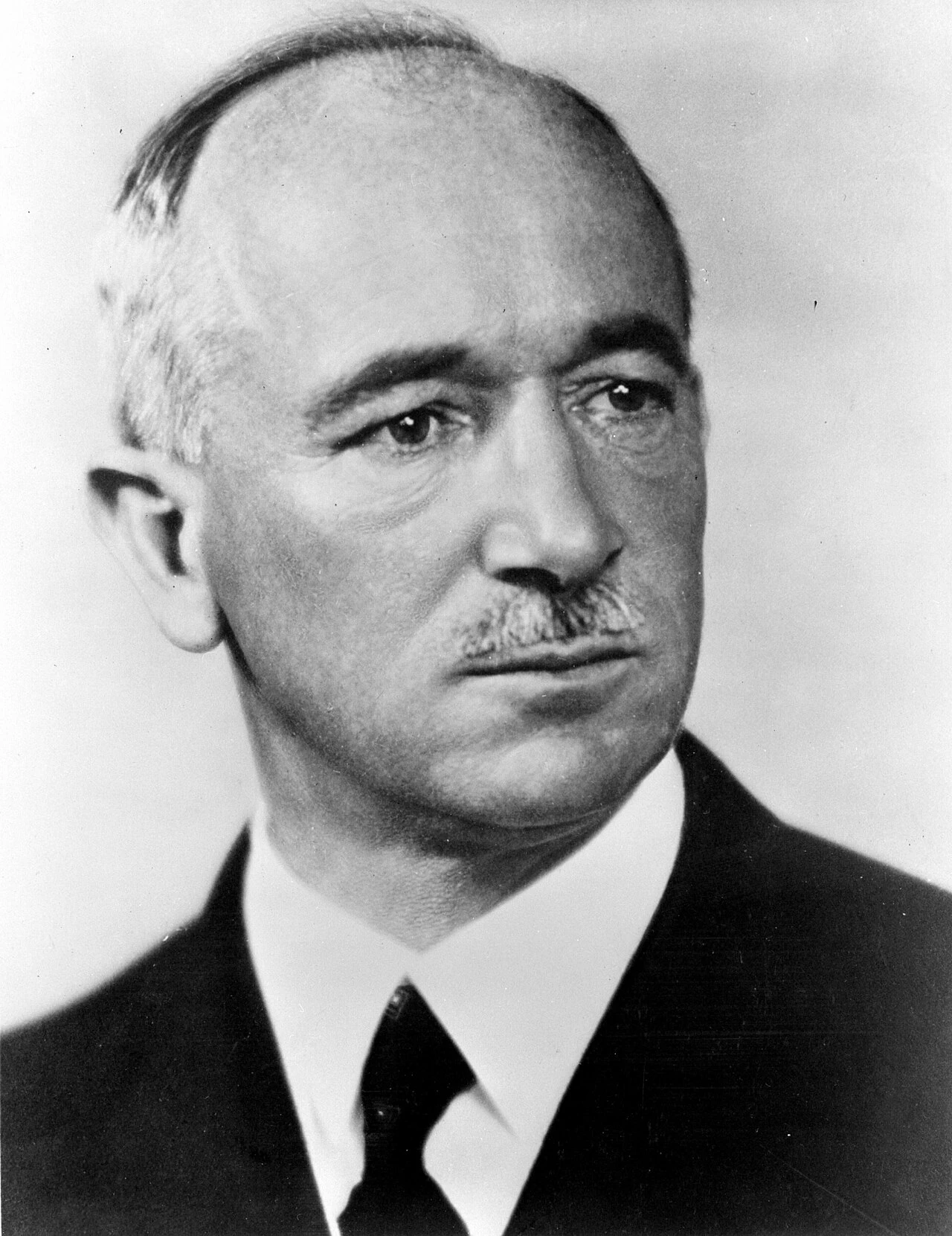
Beneš in London — autumn 1939
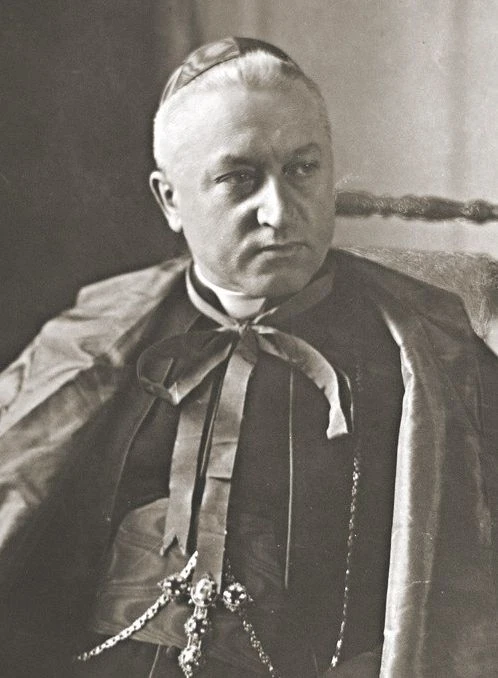
Cardinal Hlond — the Vatican's instruction
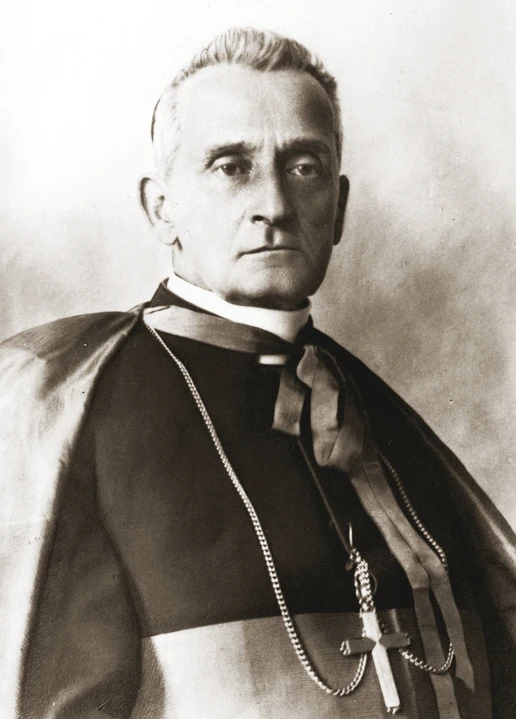
Cardinal Sapieha — Krakow under Occupation
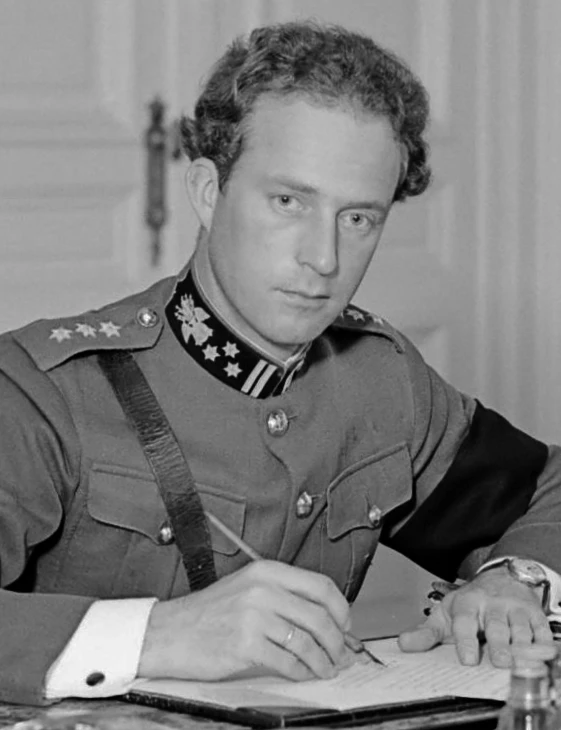
Leopold III — Brussels, 3 September
Maurras and the phoney war
Bishop Adamski in annexed Katowice
The Gold of the Bank of Poland — the destination of the SS Eocene
Starzyński — Mówi Warszawa
Wasilewska in Lwów, then Moscow
Auchinleck replaces Wavell
Beneš in London — autumn 1939
Cardinal Hlond — the Vatican's instruction
Cardinal Sapieha — Krakow under Occupation
Leopold III — Brussels, 3 September
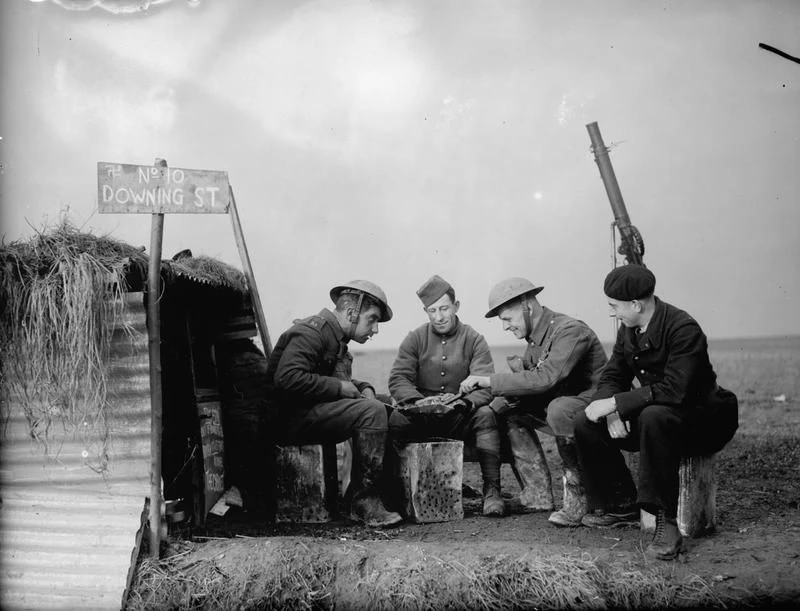
Maurras and the phoney war
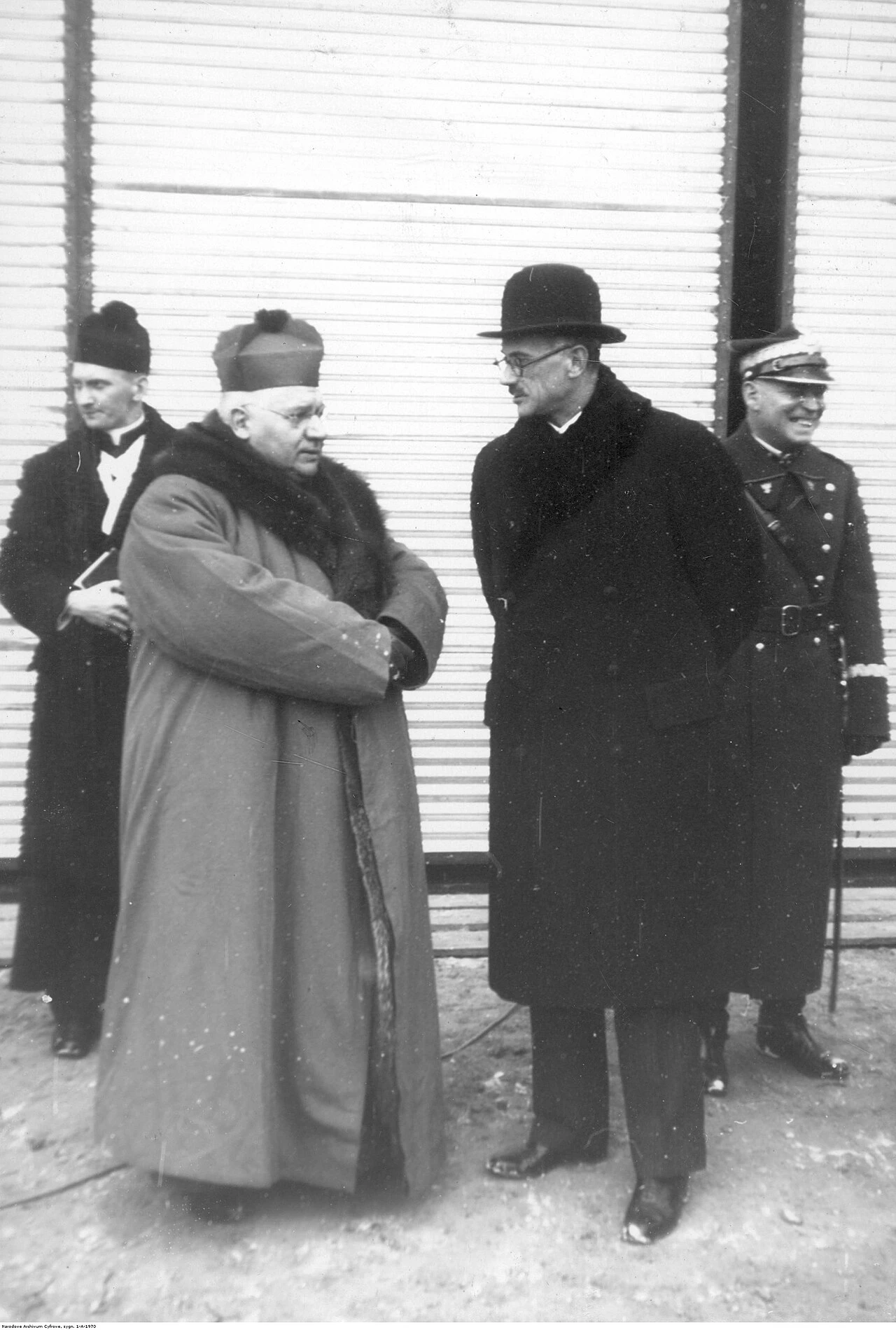
Bishop Adamski in annexed Katowice
The Gold of the Bank of Poland — the destination of the SS Eocene
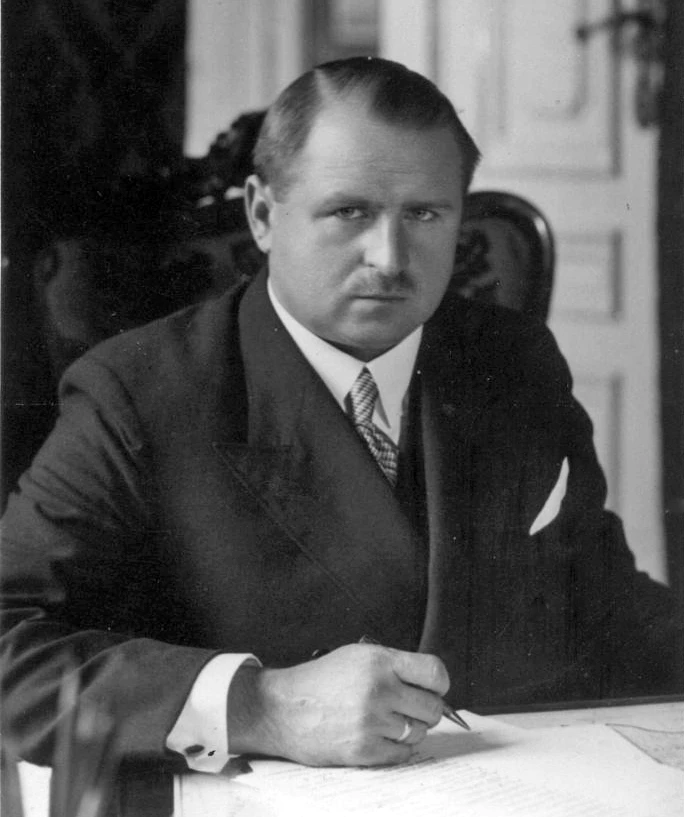
Starzyński — Mówi Warszawa
Wasilewska in Lwów, then Moscow