
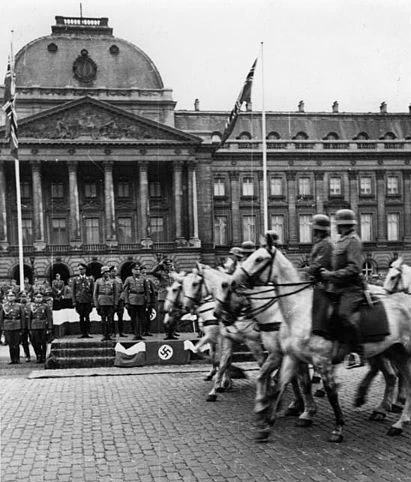
A few months after the collapse, daily life tries to reorganise itself under the occupation. The refugees have returned, the administration functions, schools reopen, factories run, cinemas and cafés welcome the public. But this "normality" unfolds under the occupier's control, amid shortage and uncertainty.
For you, it is a matter of defining a line of conduct for the years ahead. To resume as normal a life as possible — work, school, leisure — coming to terms with the occupation in order to survive and protect your own, according to the logic of the "lesser evil". To keep a discreet distance from the occupier (refusing his company, small gestures of moral resistance), without exposing yourself. Or to commit further, on one side (collaboration) or the other (nascent resistance).
Between heroism and betrayal stretches a vast grey zone, made up of ordinary people seeking to live, to feed their families and to get through the ordeal. The line of conduct you settle on today will shape your experience of the occupation for the years to come.
Should our family resume a normal life by coming to terms with the occupation, keep a discreet distance, or commit further?
The vast majority recognise themselves in B, often tinged with C: most Belgians (like the French) resume, from the summer–autumn of 1940, a "normal" daily life under the occupation, according to the logic of the "lesser evil" — working, feeding their family, getting through the ordeal — while most often keeping a discreet moral and patriotic distance. A minority tips into active collaboration, another into resistance, but the bulk of the population lives in this "grey zone" of wait-and-see and accommodation, made up of daily compromises. This majority attitude, neither glorious nor infamous, is the most widespread reality of the occupation — that of ordinary people caught up in a history beyond them. To understand 1940 is also to understand these choices of survival.
Learn more about this event
Related polls
10
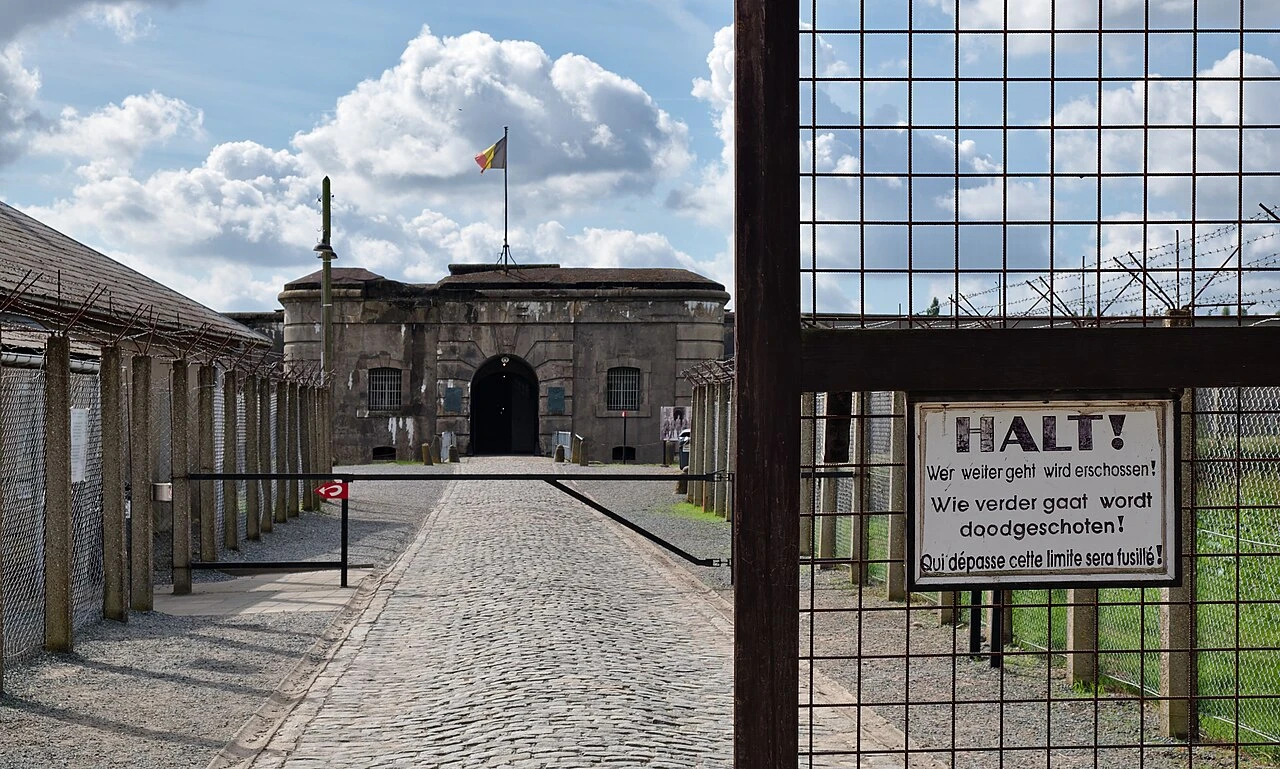
Reopening the School under the Occupation
The burgomaster faced with requisitions

The Red Cross and the Missing
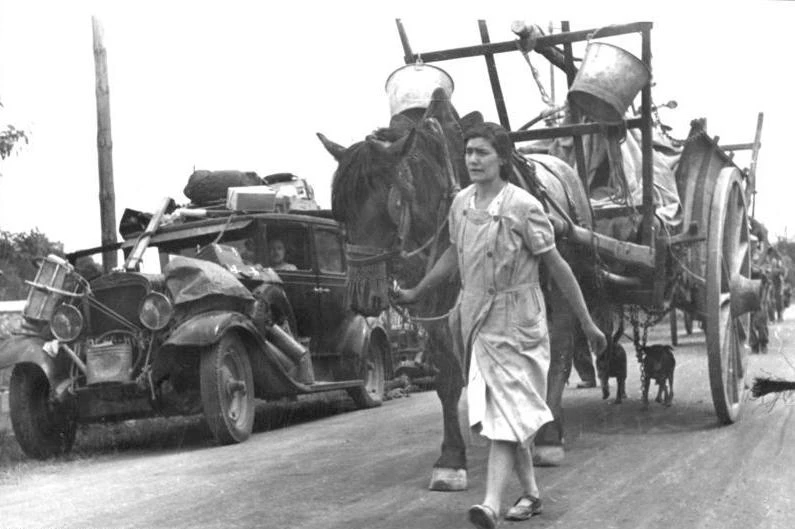
The Repatriation of the Refugees
Provisioning and the Black Market
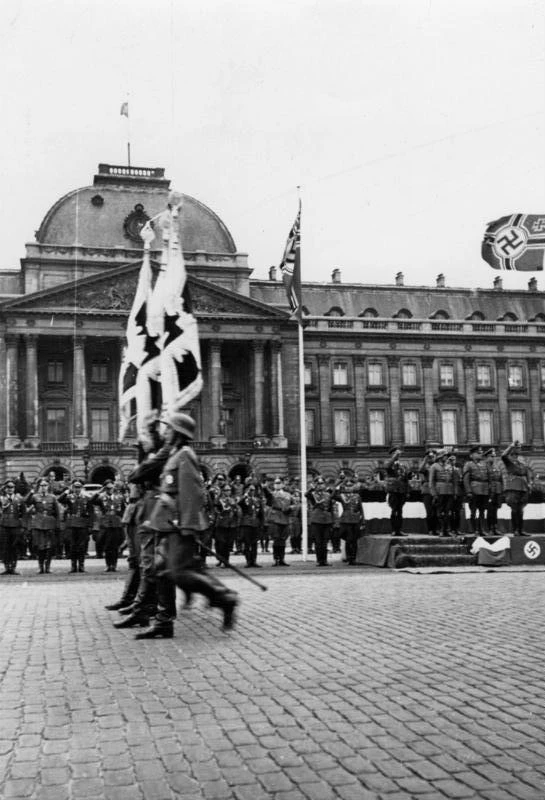
Rebuild or Wait
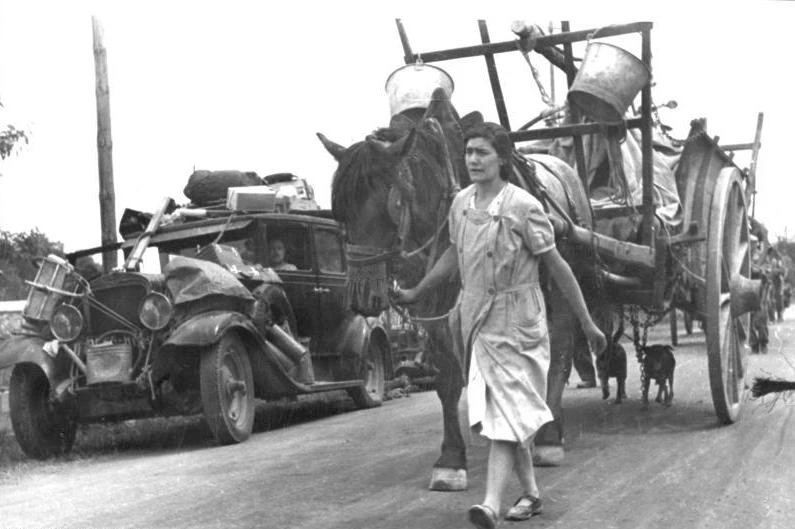
The exodus — flee or stay
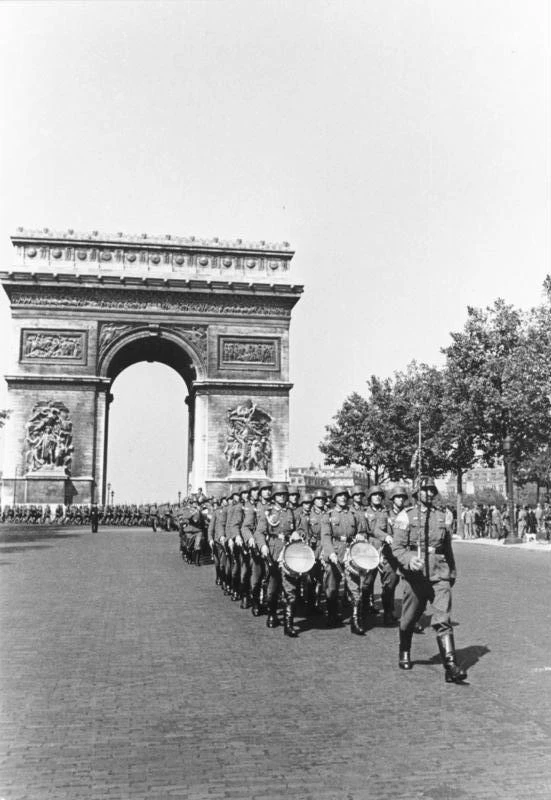
The Press under German Control
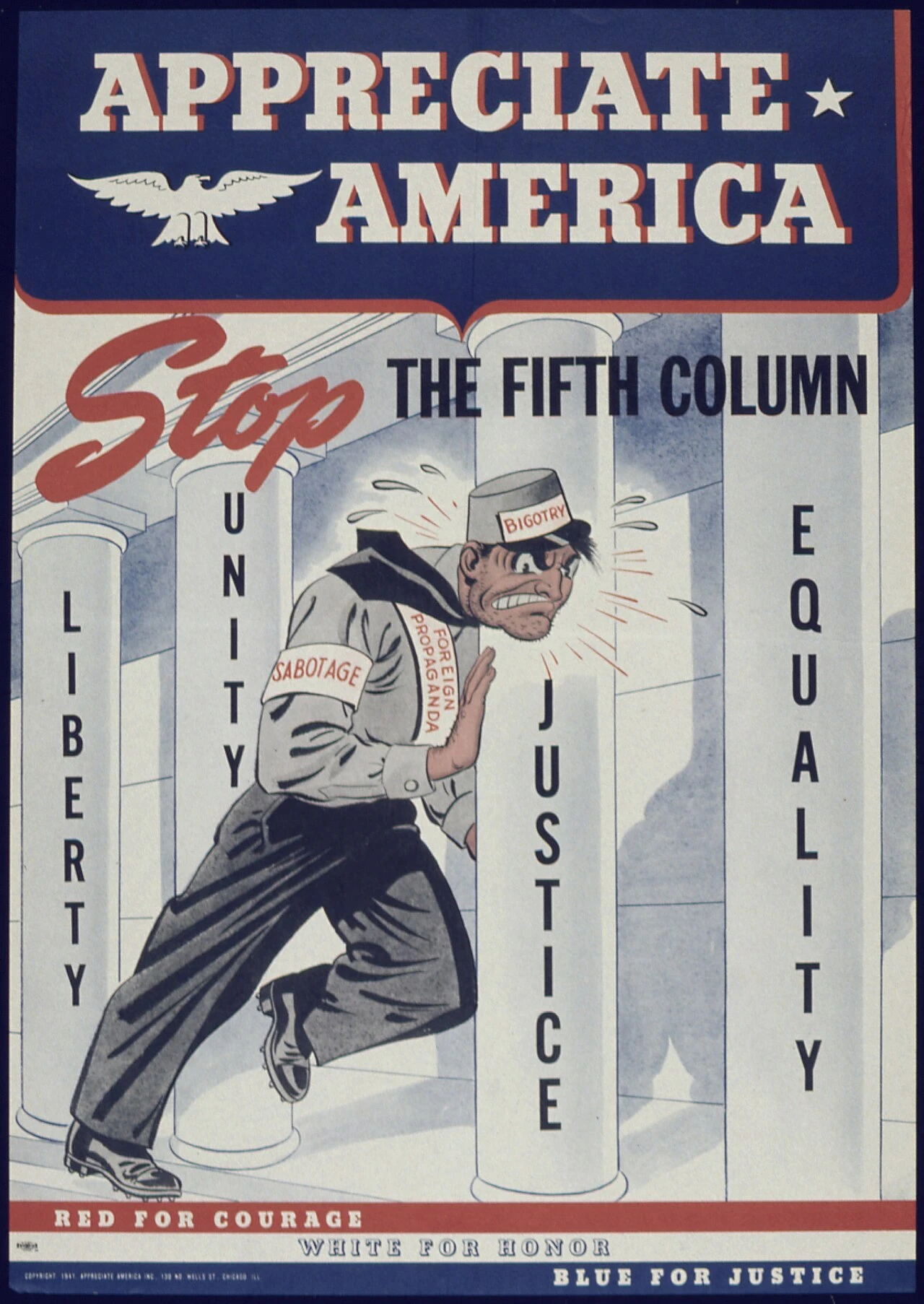
The fifth-column psychosis
Going back to work under the occupier
Reopening the School under the Occupation
The burgomaster faced with requisitions
The Red Cross and the Missing
The Repatriation of the Refugees
Provisioning and the Black Market
Rebuild or Wait
The exodus — flee or stay
The Press under German Control
The fifth-column psychosis