
The hero of Verdun recalled from Madrid
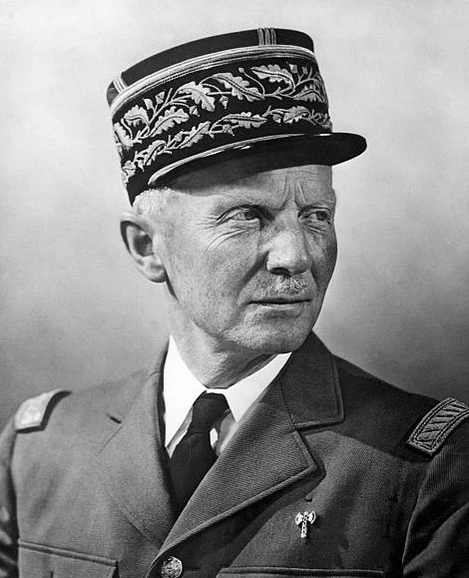
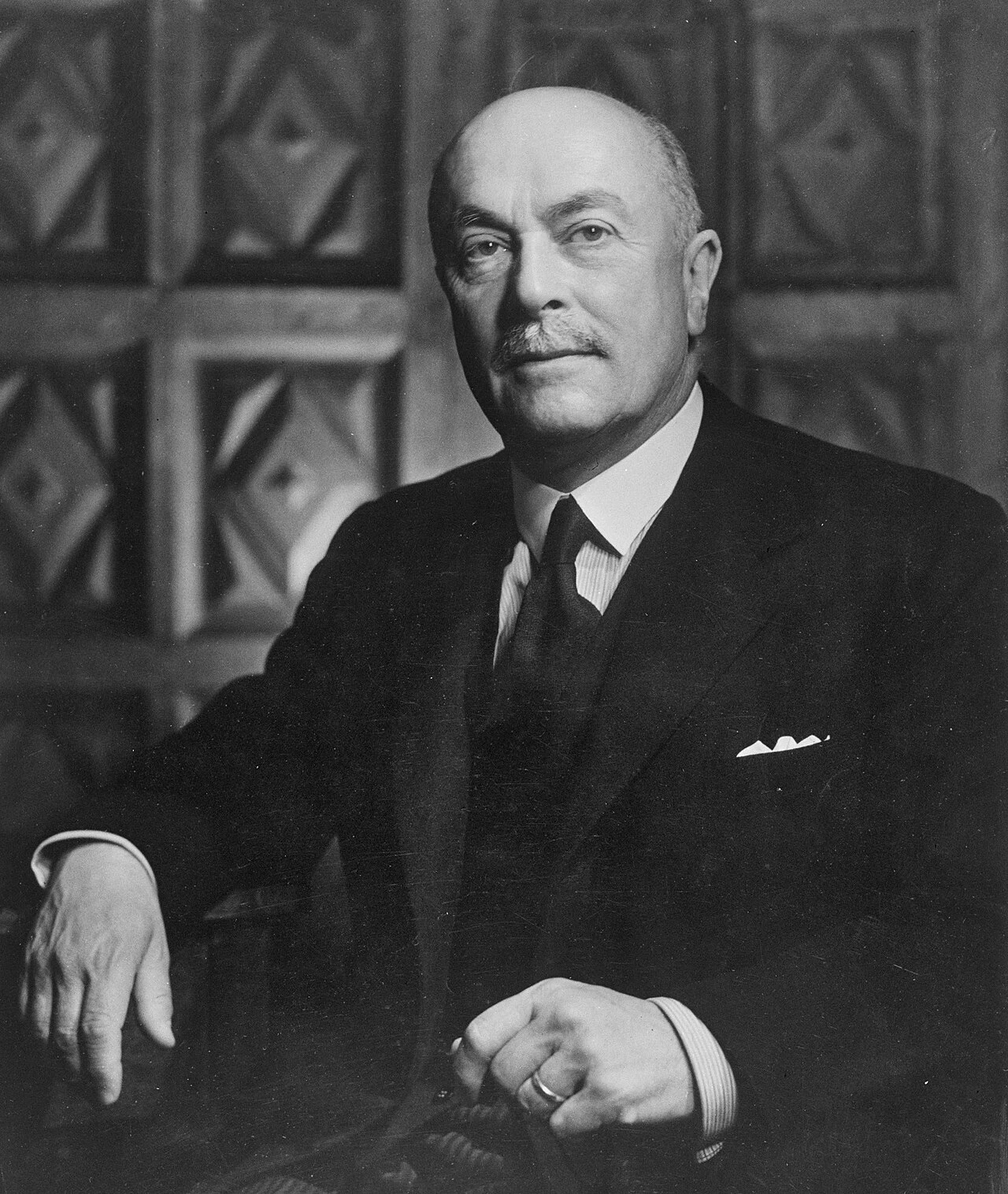
Marshal , 84, the victor of Verdun in 1916, had been since March 1939 the first French ambassador to Franco's Spain, in Madrid. A tutelary figure of the army, a former Minister of War in 1934, he enjoyed in public opinion a prestige that remained almost intact, that neither age nor diplomatic exile had eroded.
On 17 May 1940, Paul Reynaud, President of the Council, summoned him urgently. The Sedan breakthrough threatened the very existence of the French army, and Reynaud sought to give his government an incontestable moral guarantee by bringing the Marshal into it. An offer was conveyed to him: to enter the cabinet as Vice-President of the Council.
But Pétain did not approach the offer neutral. Since 1939, he had judged the war losable and had never hidden his scepticism. Before leaving Spain, he had picked up indications that Franco might, if needed, offer his good offices for a mediation. The Marshal weighed Reynaud's proposal: a prestigious post in a government he did not entirely approve of, at a moment when everything was wavering.
Should Pétain enter the embattled Reynaud government?
Pétain accepted. On 18 May 1940, he entered the Reynaud government as Vice-President of the Council; his presence brought the cabinet the guarantee of the most prestigious of French soldiers. But his personal conviction did not change: an armistice was needed. On 12 June, in council, he pleaded that France should cease fighting. On 16 June, Reynaud resigned; on the 17th, Pétain became President of the Council and at once asked the Germans for an armistice, signed on 22 June at Rethondes. On 10 July, he obtained full powers and founded the French State at Vichy. At the Liberation, he was tried before the High Court and sentenced to death in 1945; , his former protege, commuted the sentence to life imprisonment. He died on the Ile d'Yeu in 1951, aged 95. His entry into the government on 18 May 1940 was the first step on the path that would lead him from Verdun to Vichy.
Learn more about this event
Related polls
10
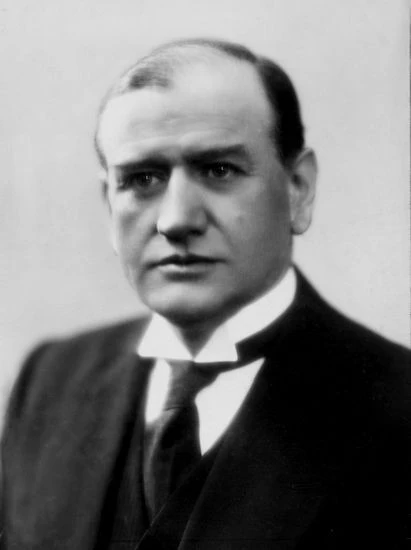
Daladier asked to leave the War Ministry
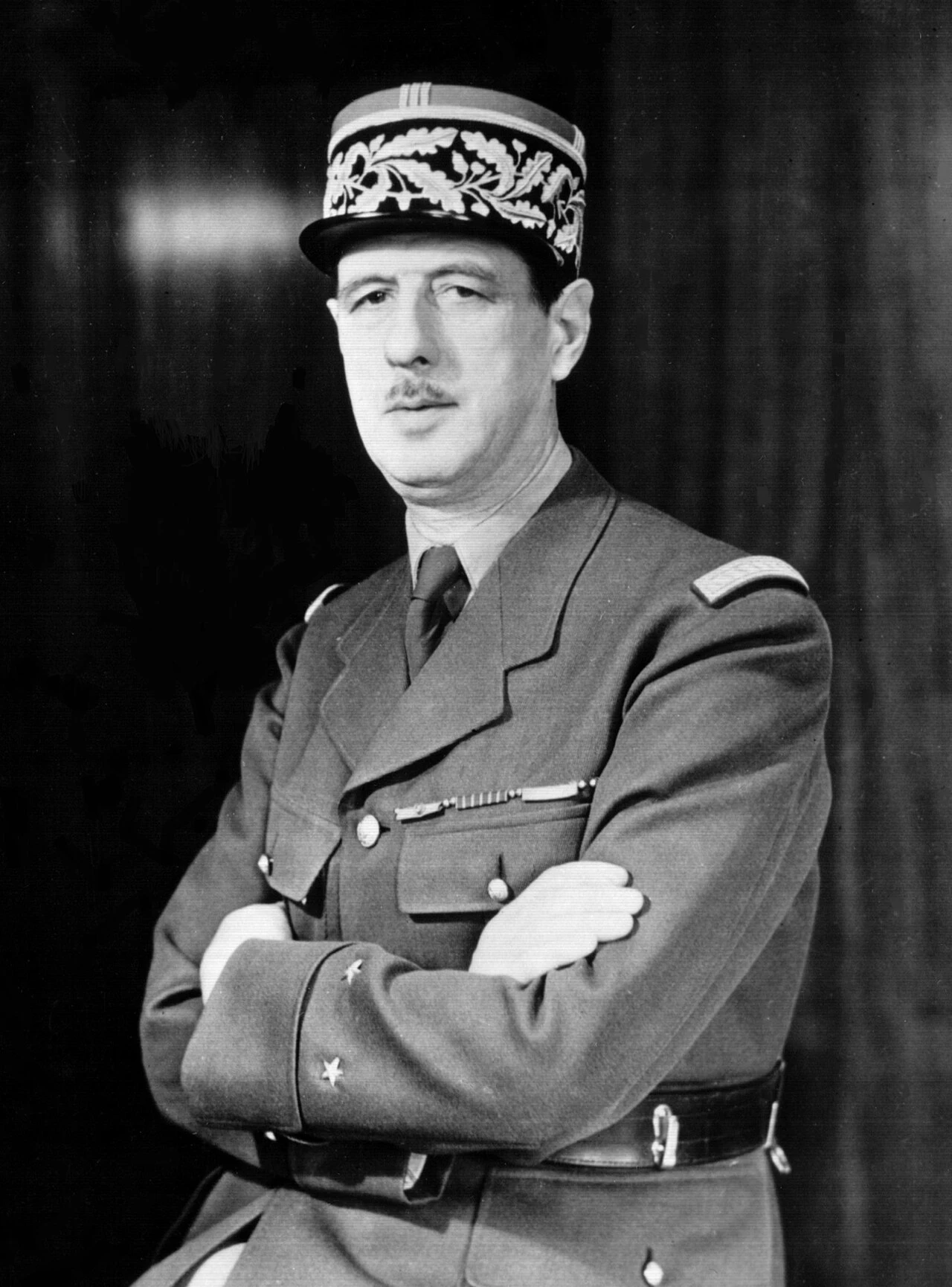
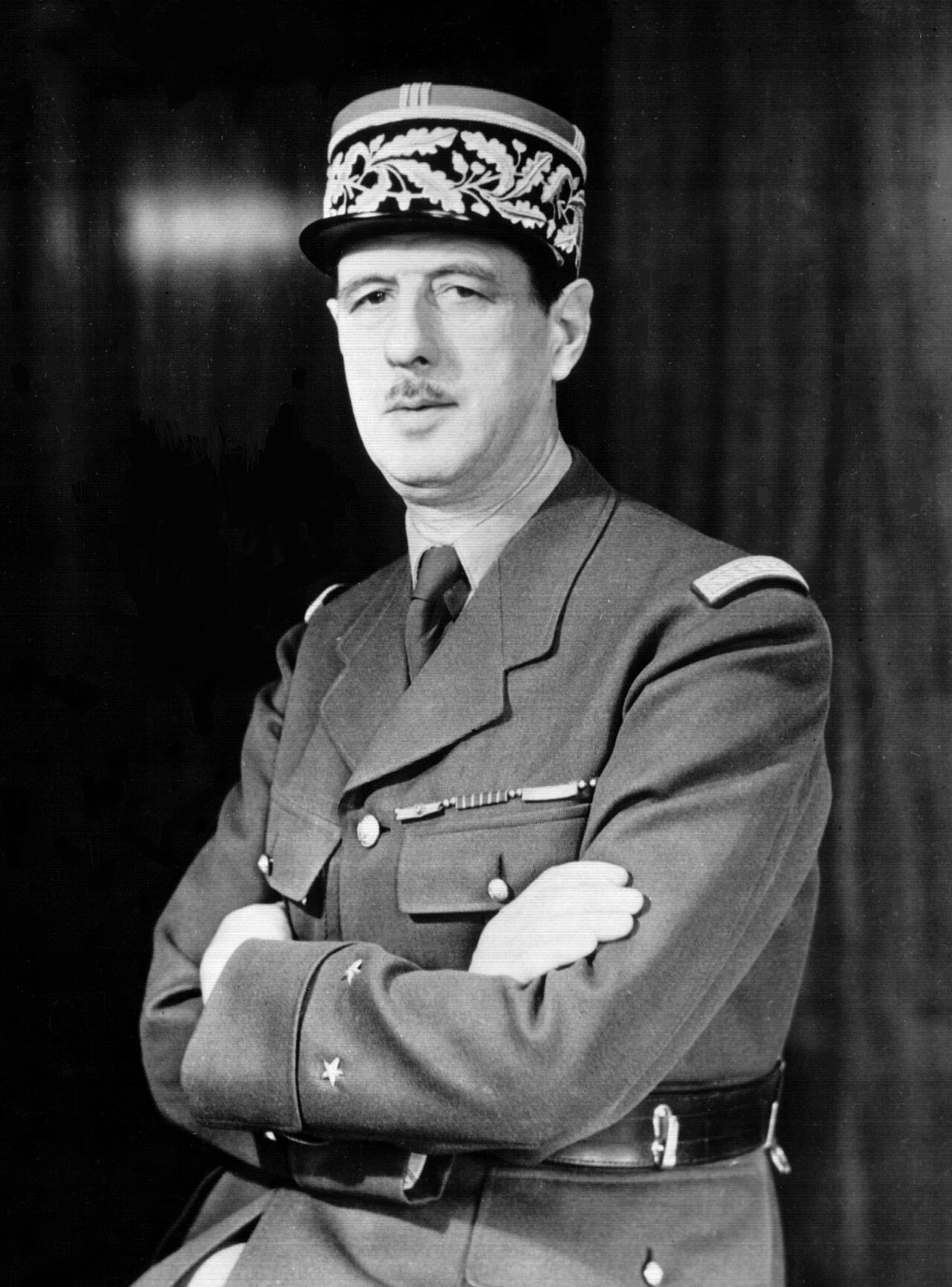
De Gaulle joins the government — 5 June
Huntziger in Foch's Carriage — 22 June
Mérignac — de Gaulle and Spears's aircraft
Pierlot at Limoges — from where to carry on?
The Franco-British union — 16 June
Léopold III — Wijnendaele 28 May
Reynaud — Matignon 21 March
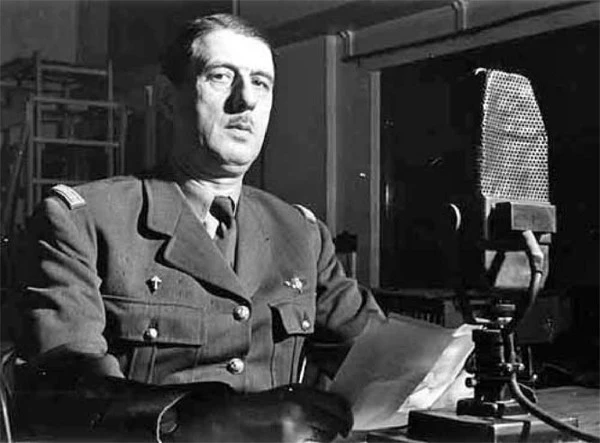
The Appeal of 18 June
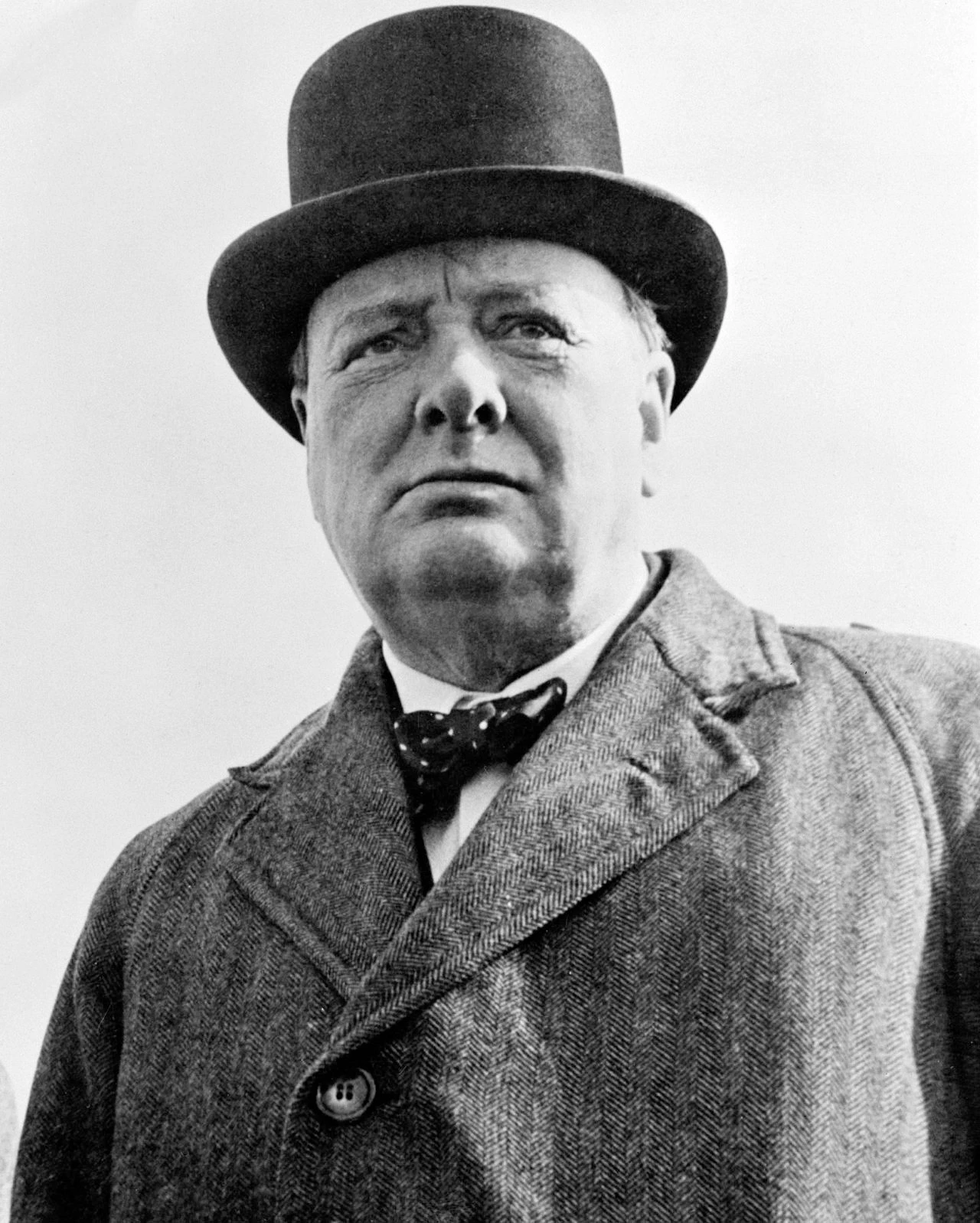
Churchill in power
Daladier asked to leave the War Ministry
De Gaulle joins the government — 5 June
Huntziger in Foch's Carriage — 22 June
Mérignac — de Gaulle and Spears's aircraft
Pierlot at Limoges — from where to carry on?
The Franco-British union — 16 June
Léopold III — Wijnendaele 28 May
Reynaud — Matignon 21 March
The Appeal of 18 June