
Mérignac — de Gaulle and Spears's aircraft
On the morning of 17 June 1940, is no longer anything official: Reynaud resigned the night before at 23:00, and with him the government in which de Gaulle was Under-Secretary of State has dissolved. Pétain is now in power and about to ask for an armistice. De Gaulle, a serving officer who has openly criticized this course, knows he can be arrested.
The British general , liaison officer with Reynaud, offers him a way out: an aircraft is waiting at Mérignac airfield, half an hour from Bordeaux. De Gaulle has a few hours to choose.
The options are stark and weighty: stay in France and submit to the legality of the new regime; try to reach North Africa with parliamentarians to continue the war from there; or leave for abroad, without mandate or troops. The day before, Reynaud had a hundred thousand francs of secret funds handed to him to launch an effort. A clandestine departure would be a leap into the unknown, making him a rebel in the eyes of the French state.
What should de Gaulle do on the morning of 17 June?
De Gaulle chooses B. Around 09:30 he boards Spears's De Havilland Flamingo at Mérignac with his aide-de-camp , and takes off for England; the aircraft lands at Heston, near London, during the day. Spears will write that he saw a man "who knows he has just crossed the Rubicon." The next day, 18 June, de Gaulle launches his Appeal over the BBC. This clandestine departure, without mandate, founds Free France; it will earn de Gaulle a death sentence in absentia handed down by a Vichy military tribunal in August 1940. De Courcel will remain one of his loyalists, later Secretary-General of the Presidency.
Learn more about this event
Related polls
10
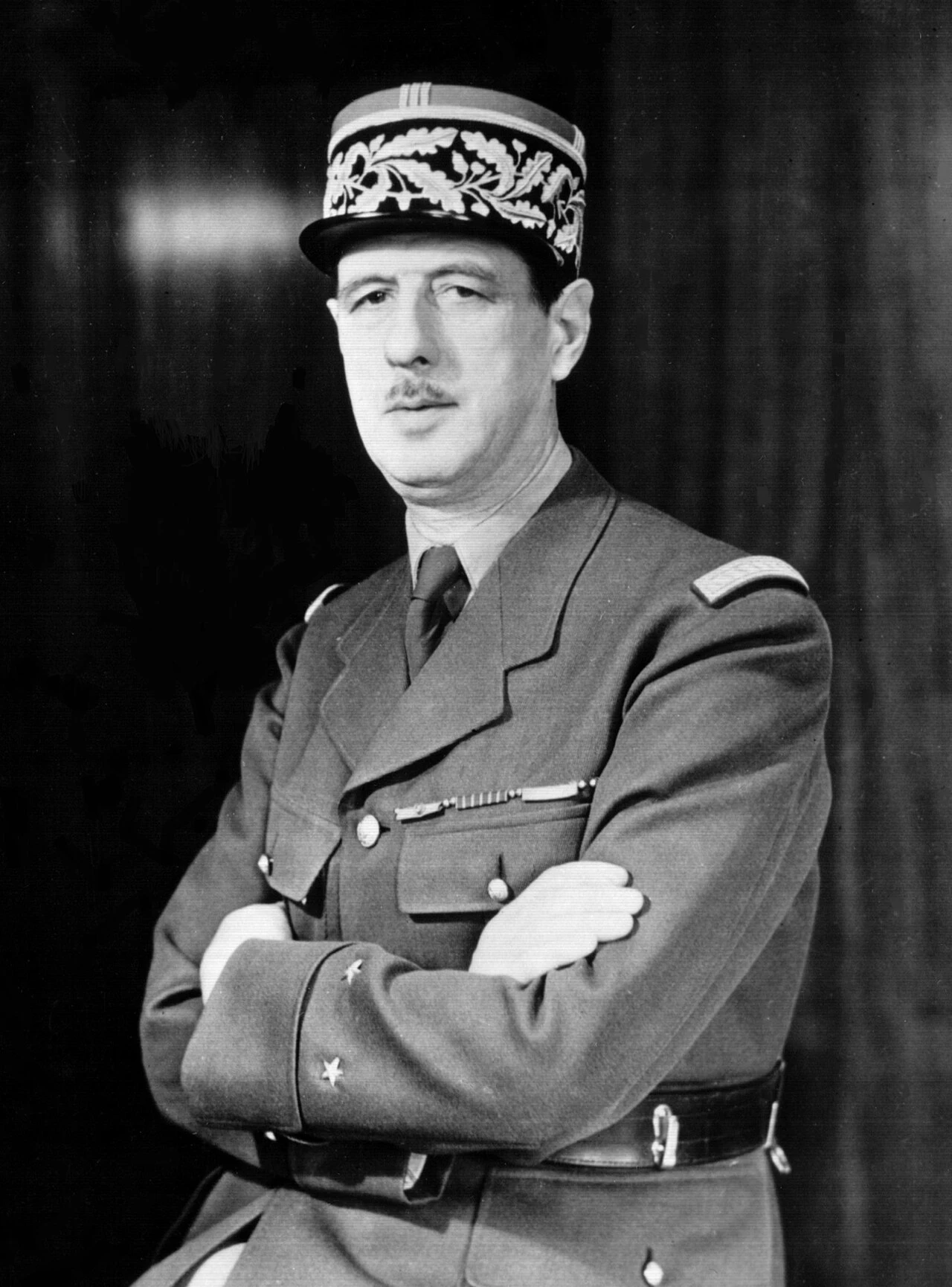
De Gaulle joins the government — 5 June
Huntziger in Foch's Carriage — 22 June
The Franco-British union — 16 June
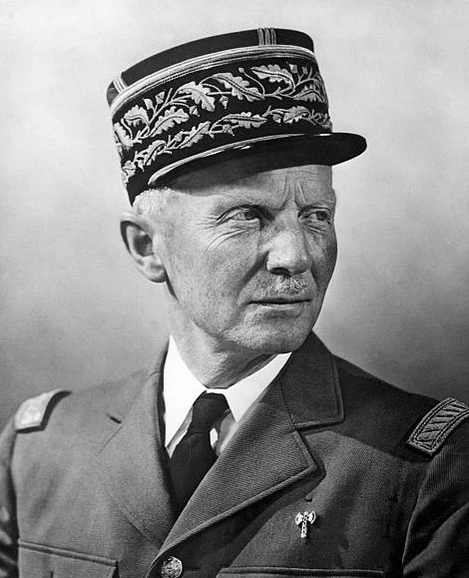
The hero of Verdun recalled from Madrid
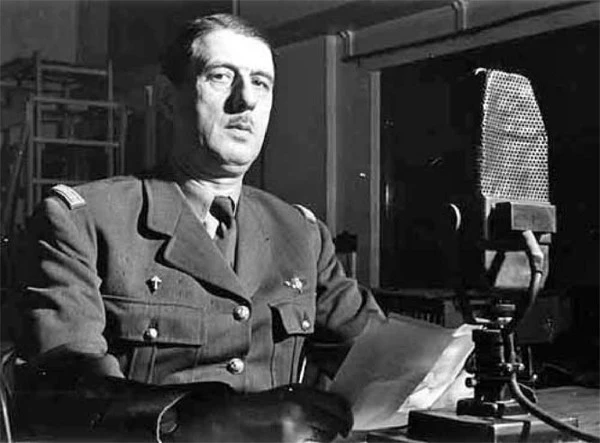
The Appeal of 18 June
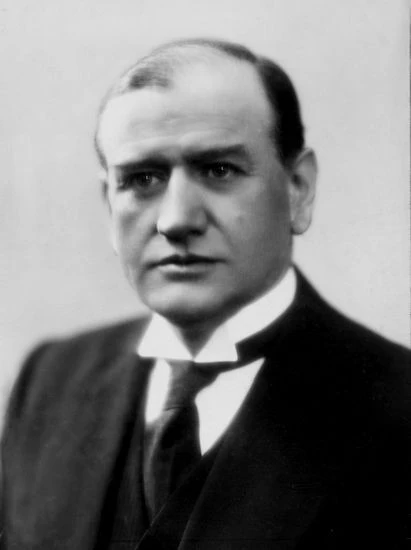
Daladier asked to leave the War Ministry
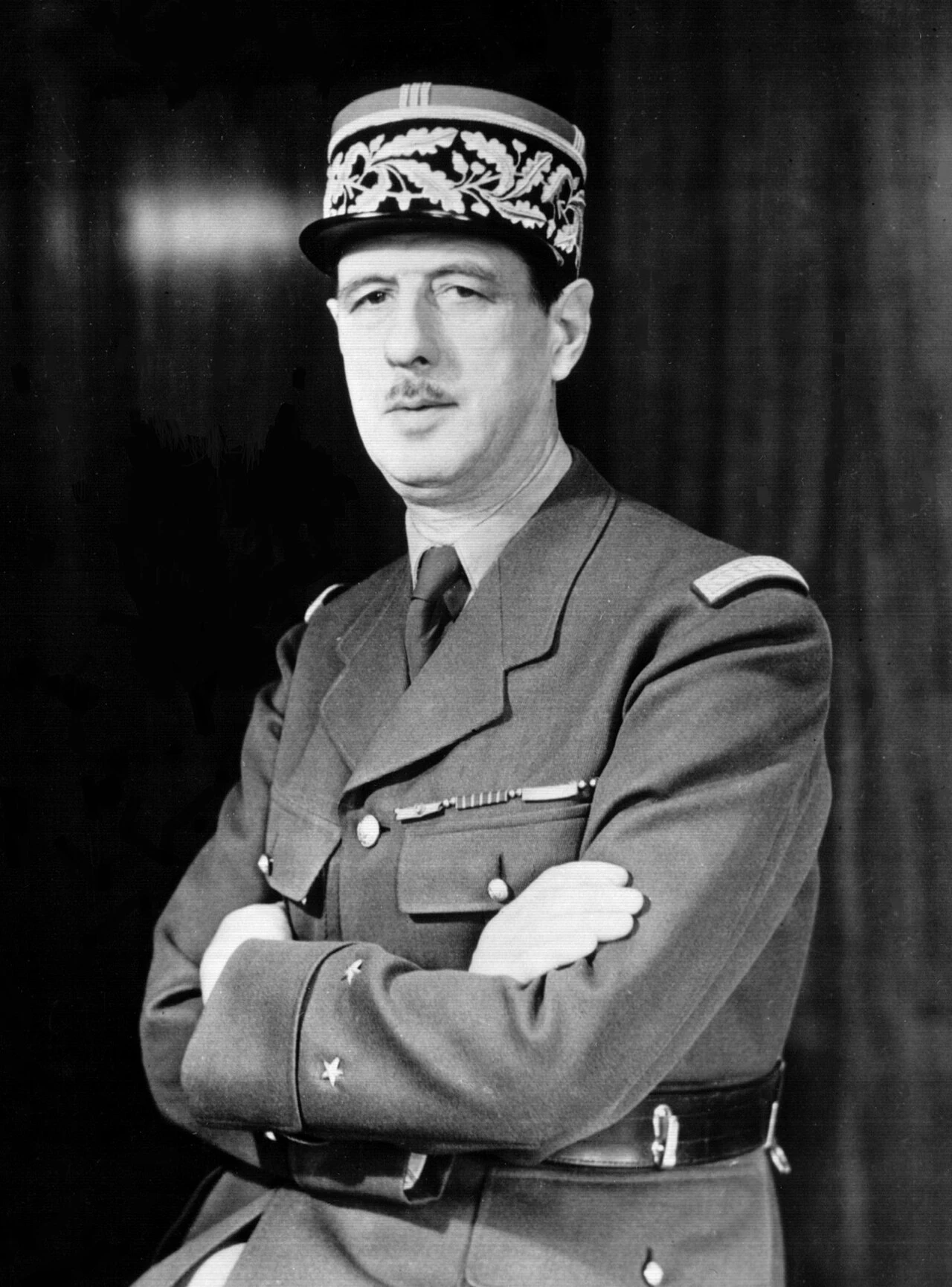
De Gaulle at the BBC microphone — 18 June, 18:00
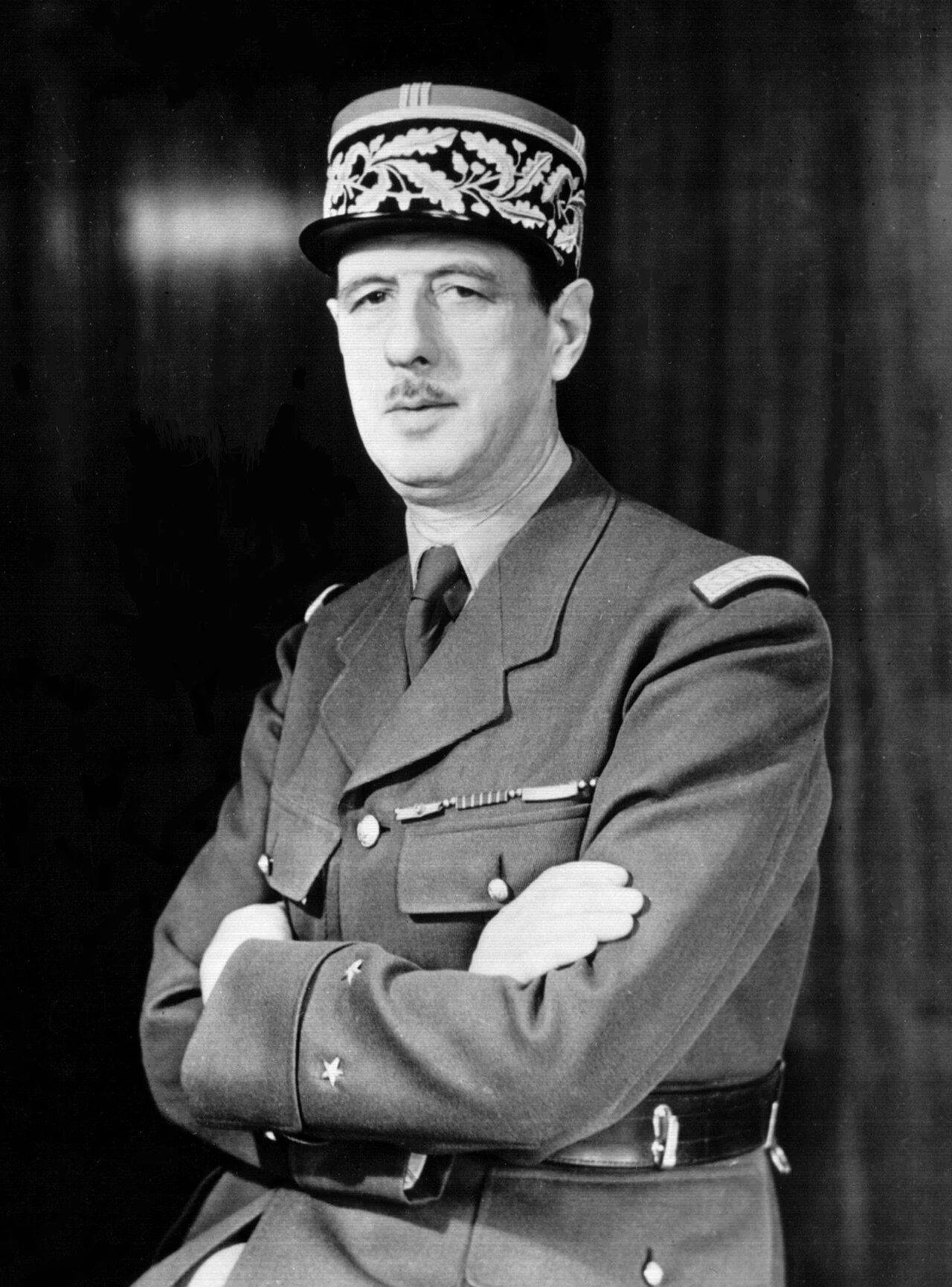
De Gaulle calls on Churchill — 9 June
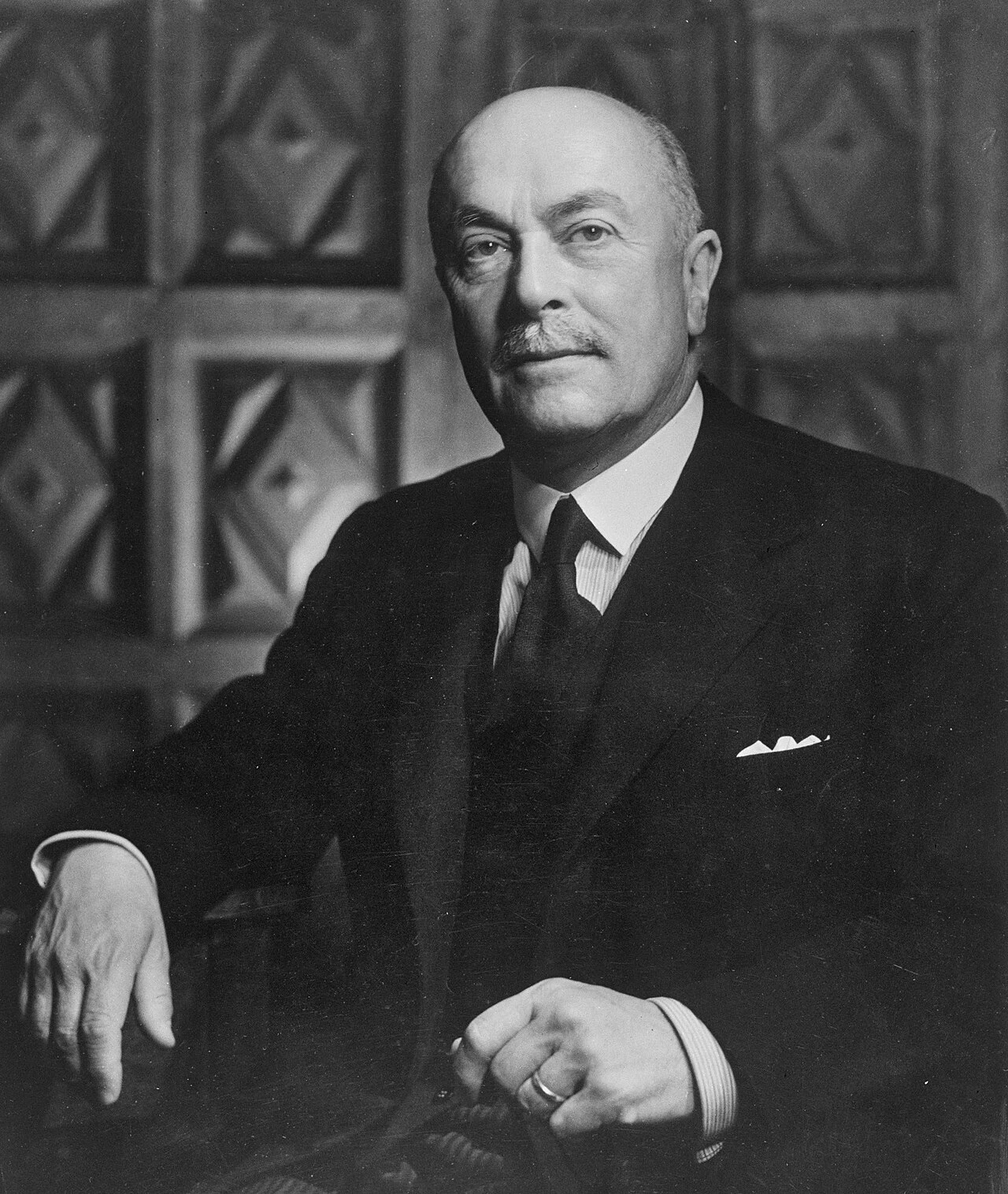
Pierlot at Limoges — from where to carry on?
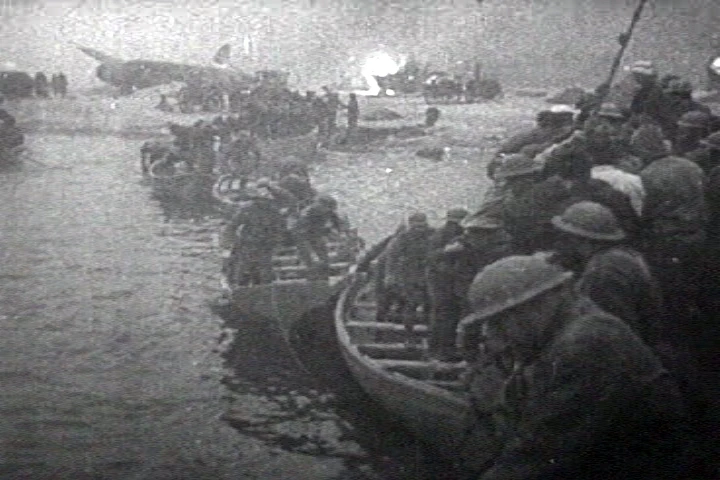
Ramsay — Dover, 14:23
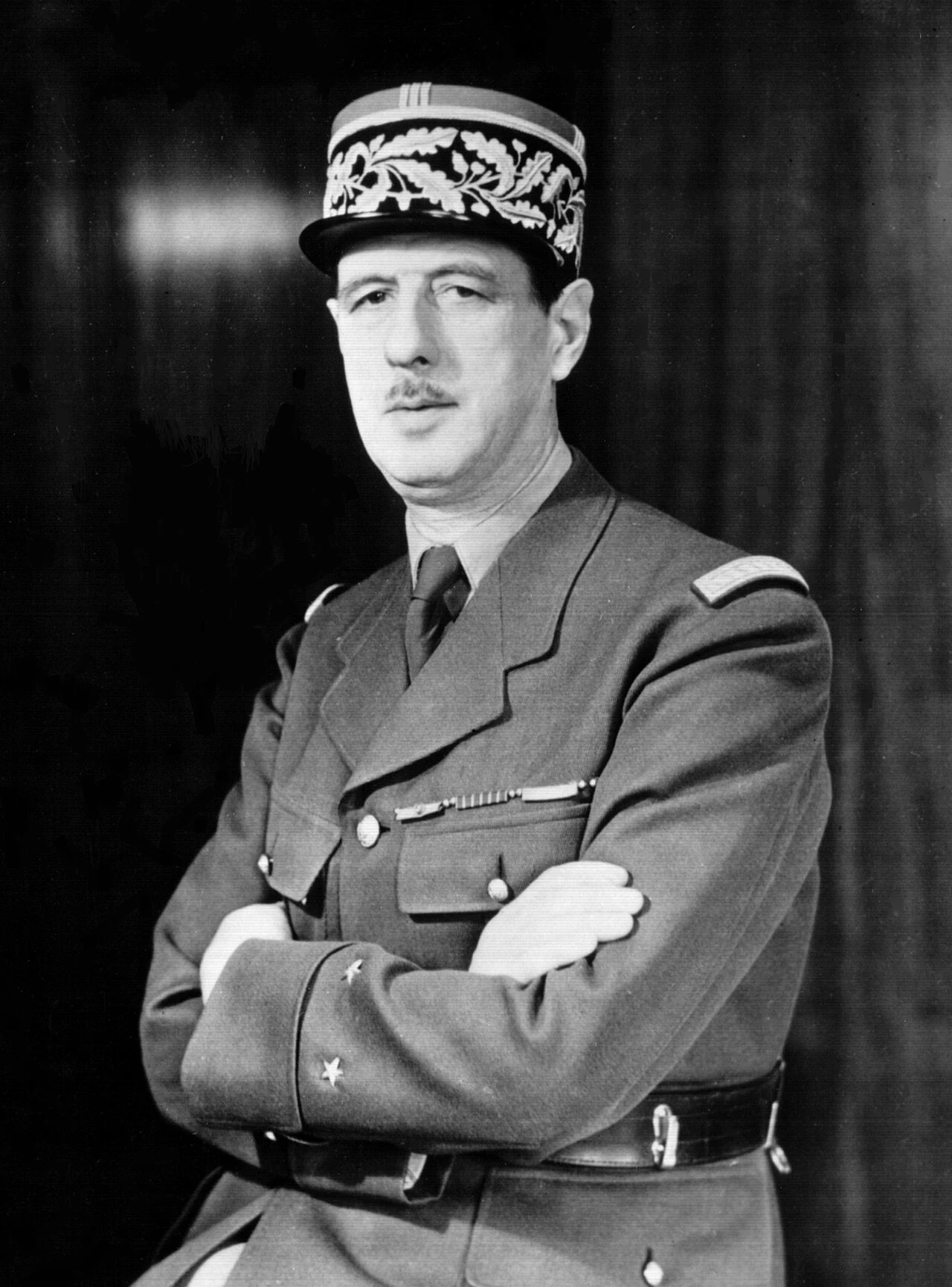
De Gaulle joins the government — 5 June
Huntziger in Foch's Carriage — 22 June
The Franco-British union — 16 June
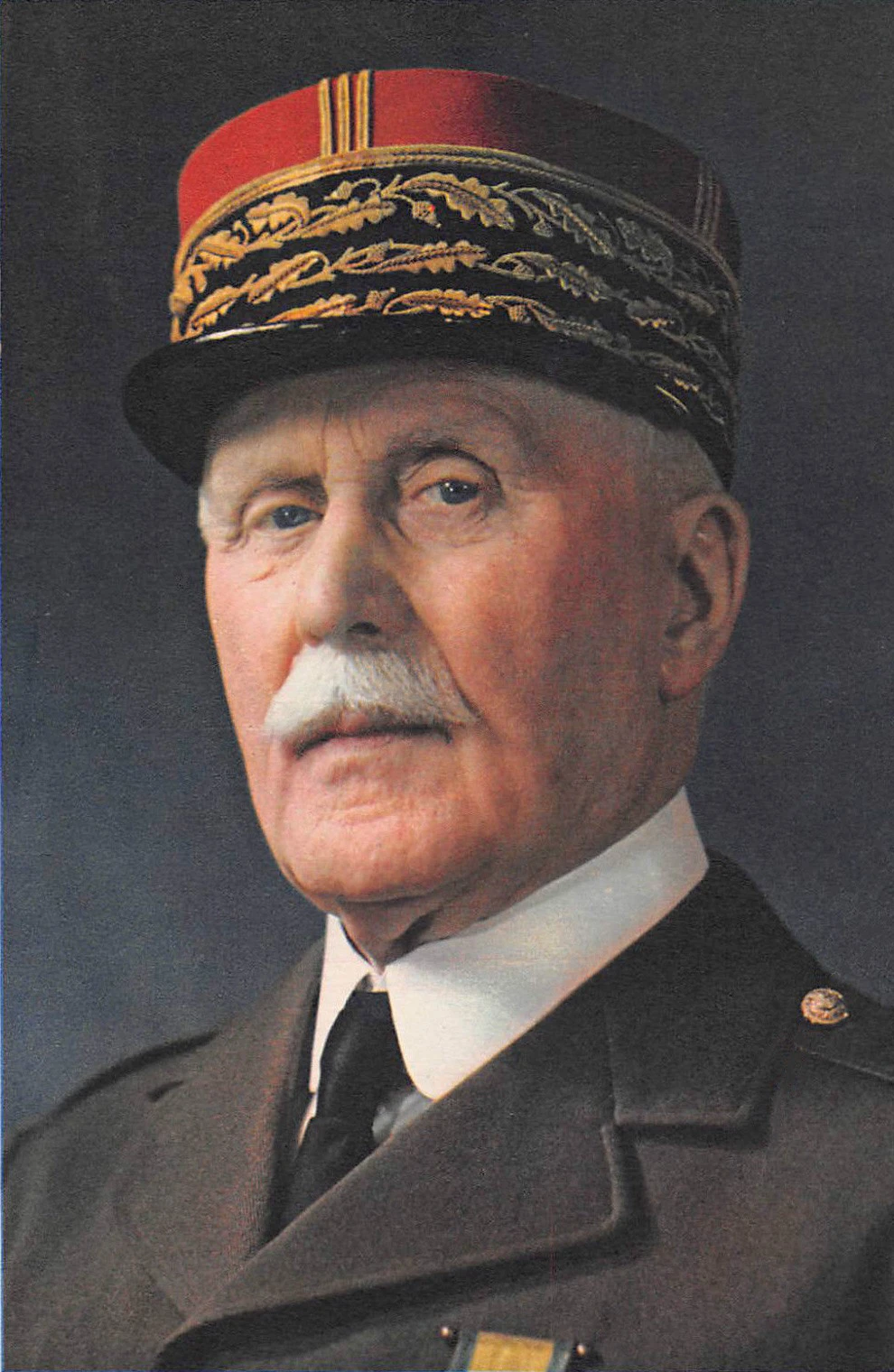
The hero of Verdun recalled from Madrid
The Appeal of 18 June
Daladier asked to leave the War Ministry
De Gaulle at the BBC microphone — 18 June, 18:00
De Gaulle calls on Churchill — 9 June
Pierlot at Limoges — from where to carry on?