
Darlan and the bases offered to the Axis
Admiral , commander-in-chief of the French navy, became in February 1941 the heir apparent of Marshal Pétain: Vice-President of the Council and holder of the portfolios of Foreign Affairs, the Interior and Defence, he is in fact the strongman of Vichy. Convinced that Germany will win the war, he seeks to trade collaboration for easements for a defeated France.
In the spring of 1941, the opportunity arises in the Levant. In Iraq, the pro-Axis coup of defies the British, and Germany wants to send air reinforcements. The airfields of French-mandated Syria, held by General Dentz, offer an ideal staging point towards Baghdad.
Berlin proposes a bargain: France will grant military facilities in Syria — and beyond, in Tunisia and West Africa — in exchange for the return of thousands of prisoners, a reduction in occupation costs and other concessions. This is the project of the Paris Protocols, negotiated with Ambassador .
But to open Syria to the Luftwaffe is to risk open war with London, whose aircraft are already bombing the airfields where the German planes refuel. Darlan must decide how far to push collaboration.
Should Darlan sign the Paris Protocols and grant the Axis military facilities in Syria, refuse in order to preserve Vichy's neutrality, or temporise without committing himself?
Darlan chose A: on 28 May 1941, he signed with the Paris Protocols, which conceded to Germany military facilities in Syria, Tunisia and French West Africa, in exchange for the return of around 6,800 prisoner specialists and the reduction of occupation costs. The summit of Vichy collaboration, the protocols would nonetheless never be ratified in their entirety, ministers such as Weygand judging the political price too heavy. But on the ground, the Minister of War Huntziger had already ordered Dentz to let the German and Italian aircraft refuel in Syria. These concessions precipitated the inevitable: in early June, the British and the Free French launched the invasion of Syria (Operation Exporter), where French would fight French.
Learn more about this event
Related polls
10
Auchinleck replaces Wavell

Daladier — Thorez's Defection
Daladier asked to leave the War Ministry
Hannah Arendt, Stateless and Interned, Facing Exile
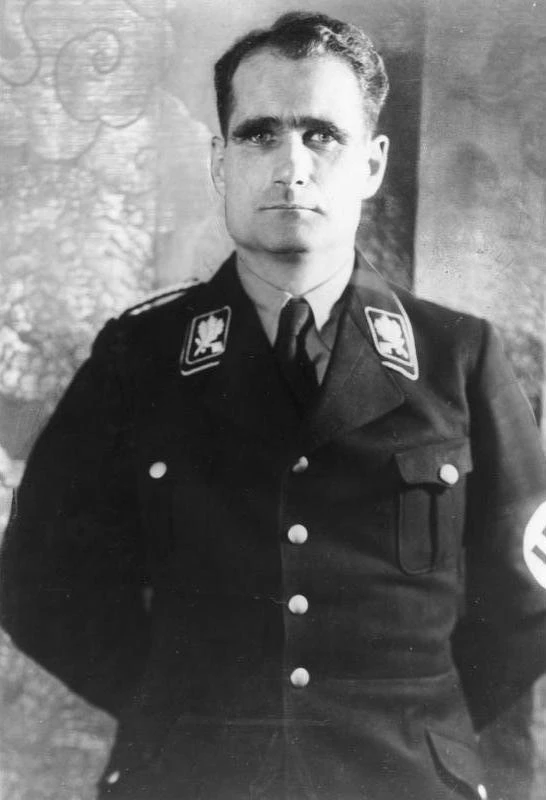
Hess — the fixed idea of a separate peace
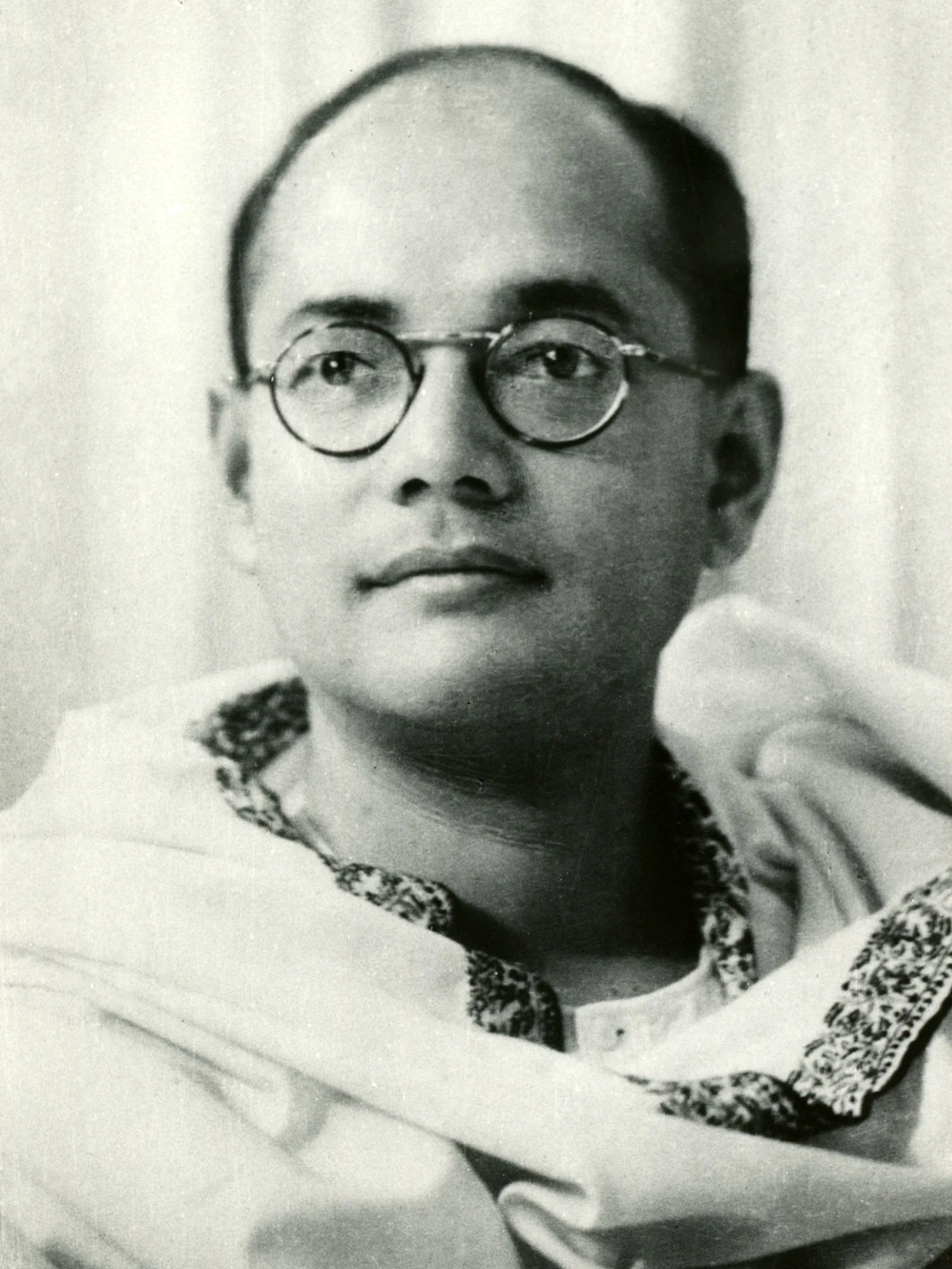
The Indische Legion — Subhas Chandra Bose in Berlin
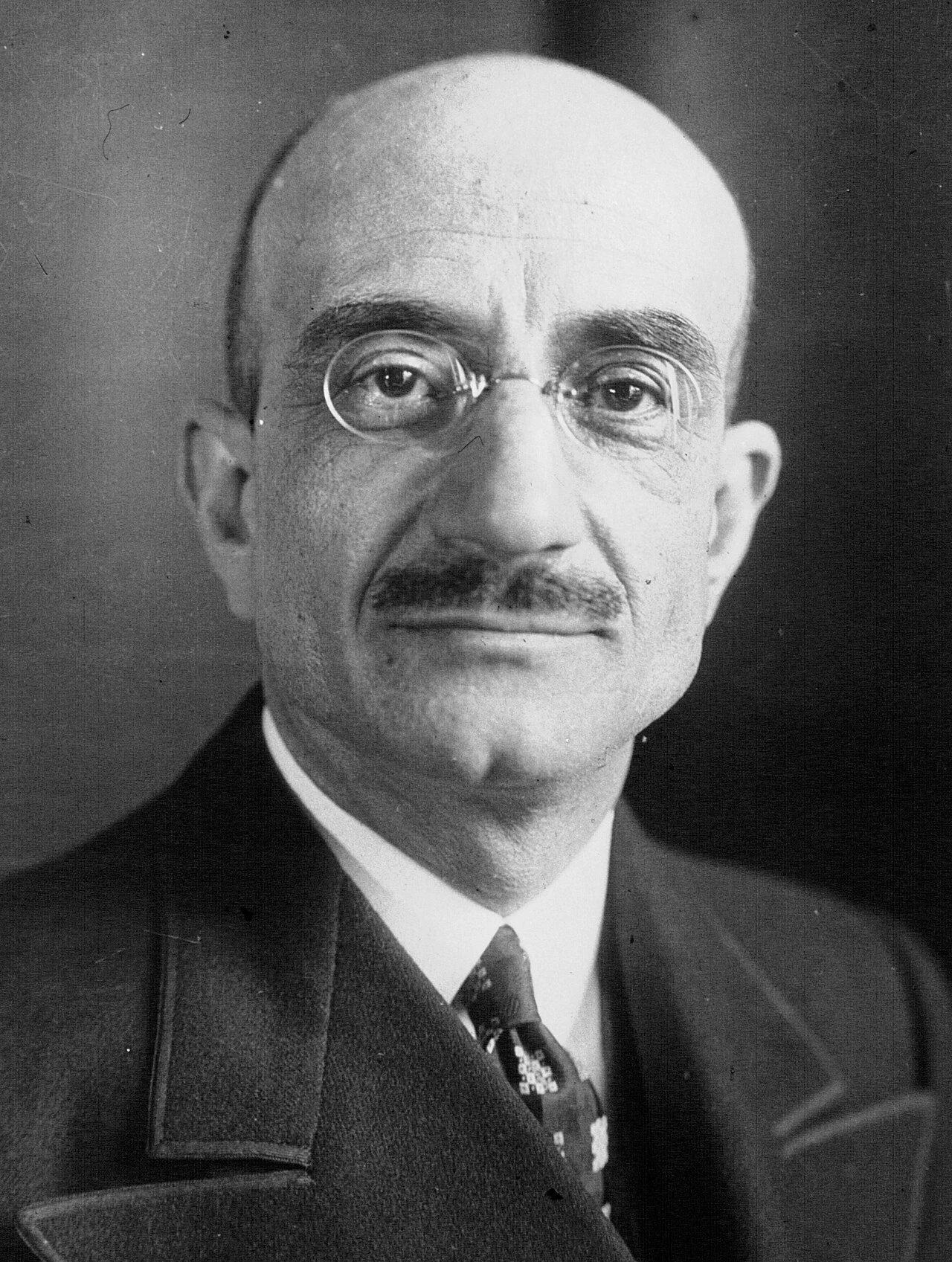
Langeron — Prefecture of Police, 14 June
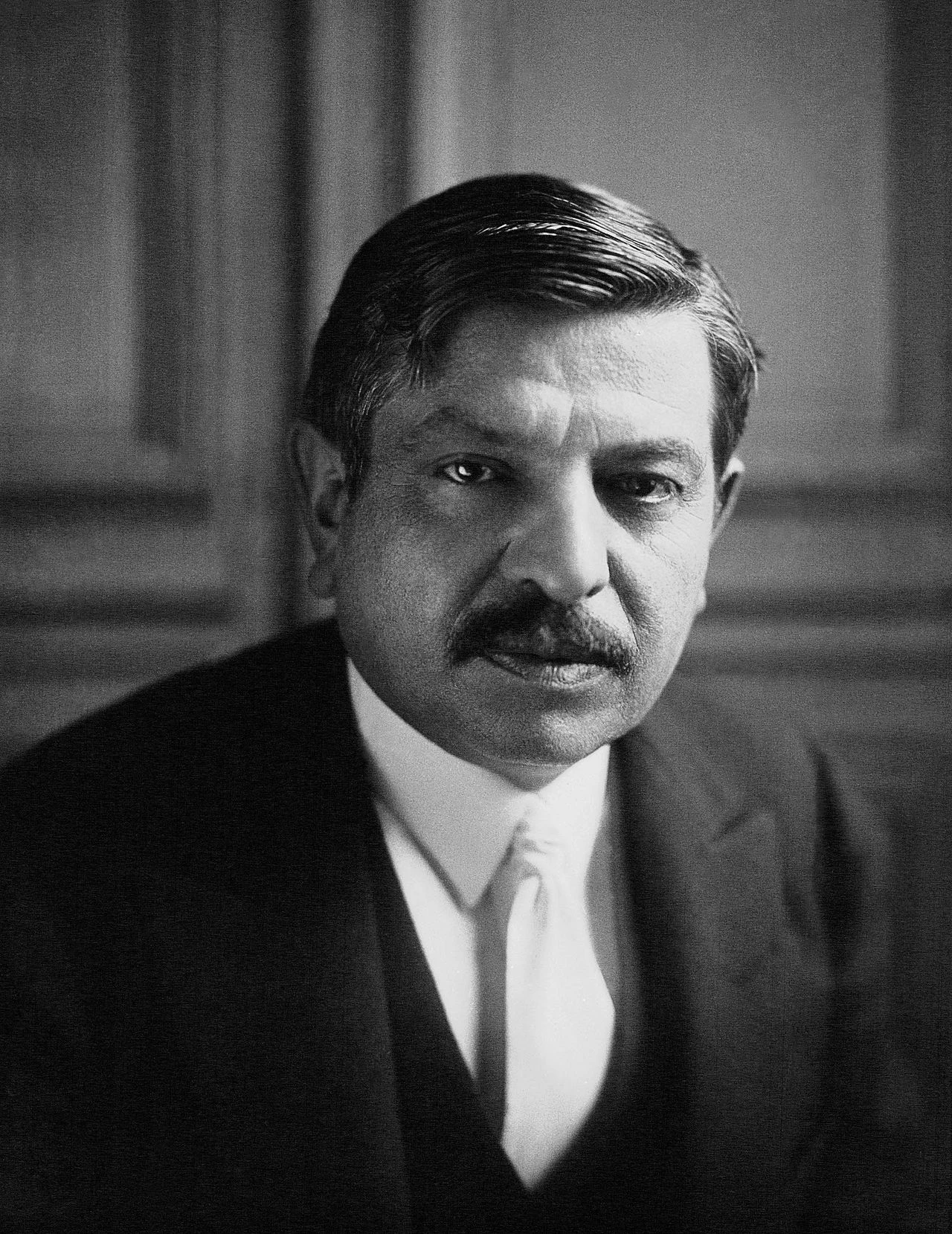
Laval at the Vichy Casino — 10 July
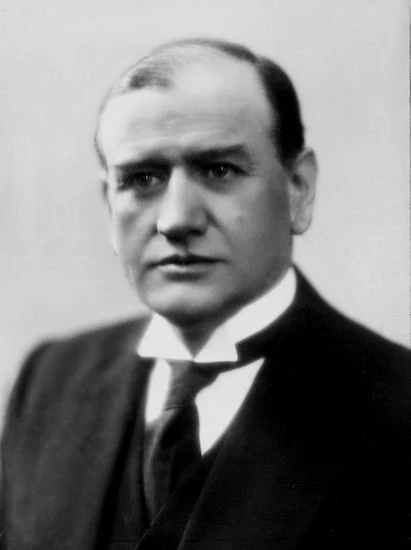
The Massilia — Bordeaux 21 June
Maurras and the phoney war
Auchinleck replaces Wavell
Daladier — Thorez's Defection
Daladier asked to leave the War Ministry
Hannah Arendt, Stateless and Interned, Facing Exile
Hess — the fixed idea of a separate peace
The Indische Legion — Subhas Chandra Bose in Berlin
Langeron — Prefecture of Police, 14 June
Laval at the Vichy Casino — 10 July
The Massilia — Bordeaux 21 June