
A French nurse facing a wounded enemy soldier
In the autumn of 1941, Paris had been occupied by the Wehrmacht since June 1940. The German army had its own medical facilities (Kriegslazarette, military hospitals in requisitioned buildings), but wounded or sick German soldiers were sometimes treated as emergencies in French hospitals, whose establishments and supplies were requisitioned.
Humanitarian law was unambiguous: the Geneva Convention of 1929 and medical ethics required treating any wounded person without distinction of nationality or uniform. For a nurse trained in this tradition (the Red Cross, the Assistance Publique of Paris), to refuse care to a wounded man, even a German, contradicted her oath.
But this duty came into tension with national feeling and the growing hostility toward the occupier after the summer of 1941: attacks by the communist resistance, executions of hostages, a hardening of repression. To treat an enemy soldier could be experienced as a compromise, at a time when other caregivers were already joining the Resistance (hiding Allied airmen, providing false certificates, secretly treating resistance fighters). The dilemma: the humanitarian obligation to treat without distinction, or the awareness of aiding the enemy.
A gravely wounded German soldier is brought into her ward: how does the French nurse who takes charge of him react?
In keeping with medical ethics and the Geneva Convention of 1929, the vast majority of French medical staff treated the wounded without distinction of nationality, including soldiers of the occupying army taken into French hospitals. This humanitarian duty did not prevent some of this same medical staff from also joining the Resistance — clandestine care for the maquis and Allied airmen, false certificates against compulsory labour — illustrating the coexistence of the professional oath and patriotic commitment under the Occupation.
Learn more about this event
Related polls
10
The Parisian concierge facing informing under the Occupation
At the Dahomey pit, the morning of team-rate pay
Oslo, September 1941: The Milk Strike
Studying in the Warsaw Ghetto
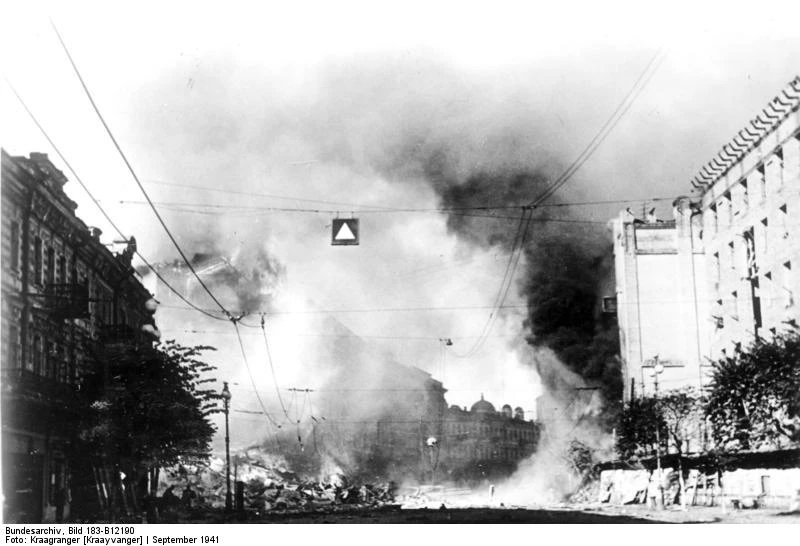
Kiev, September 1941: A Neighbor Facing Babi Yar
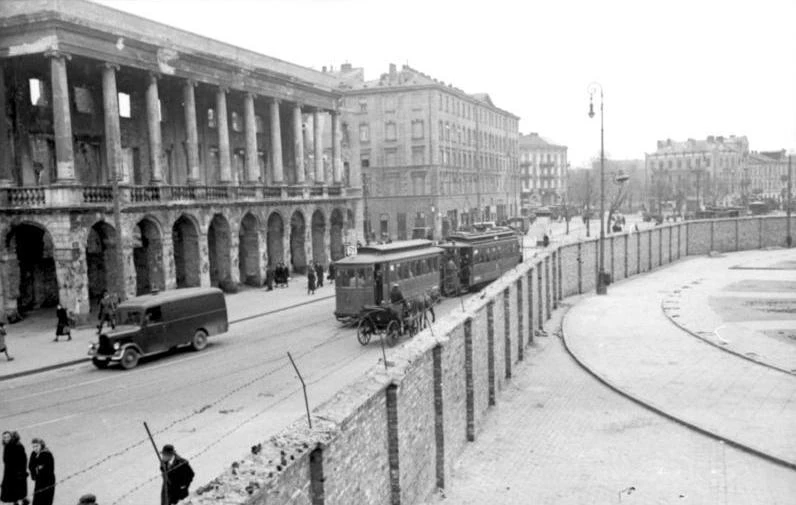
Clandestine teaching in the Warsaw Ghetto
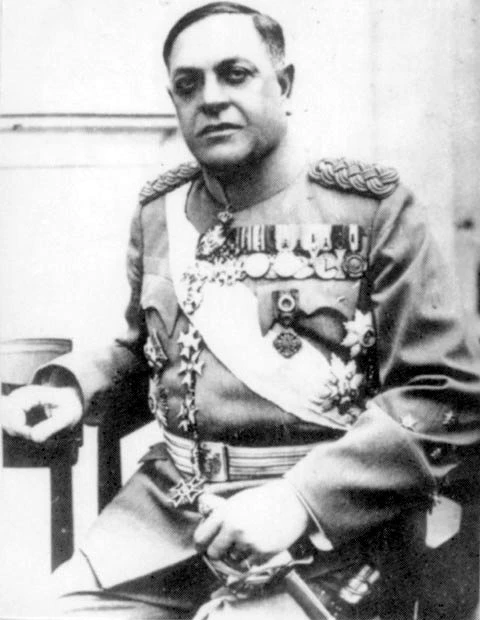
The Belgrade schoolteacher under the occupation
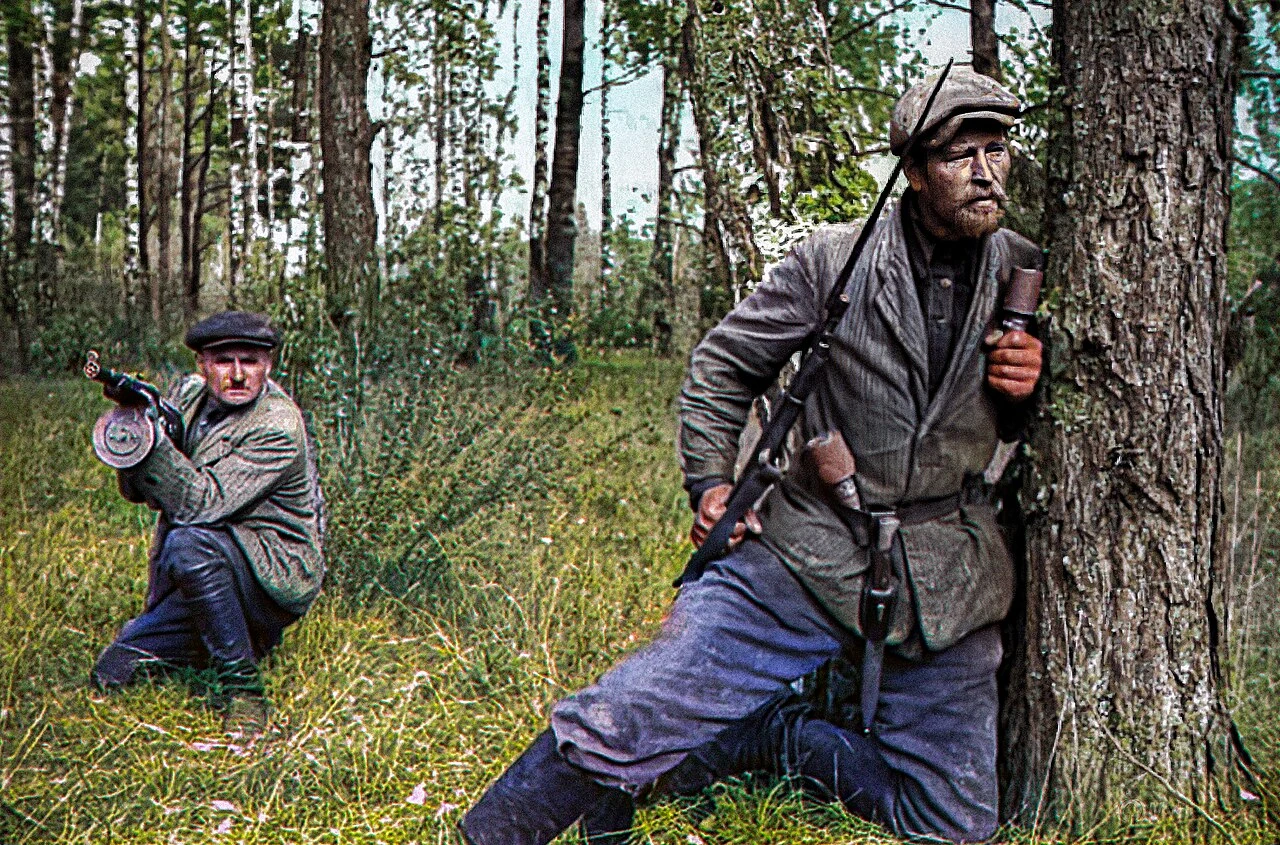
The Bryansk forests, autumn 1941
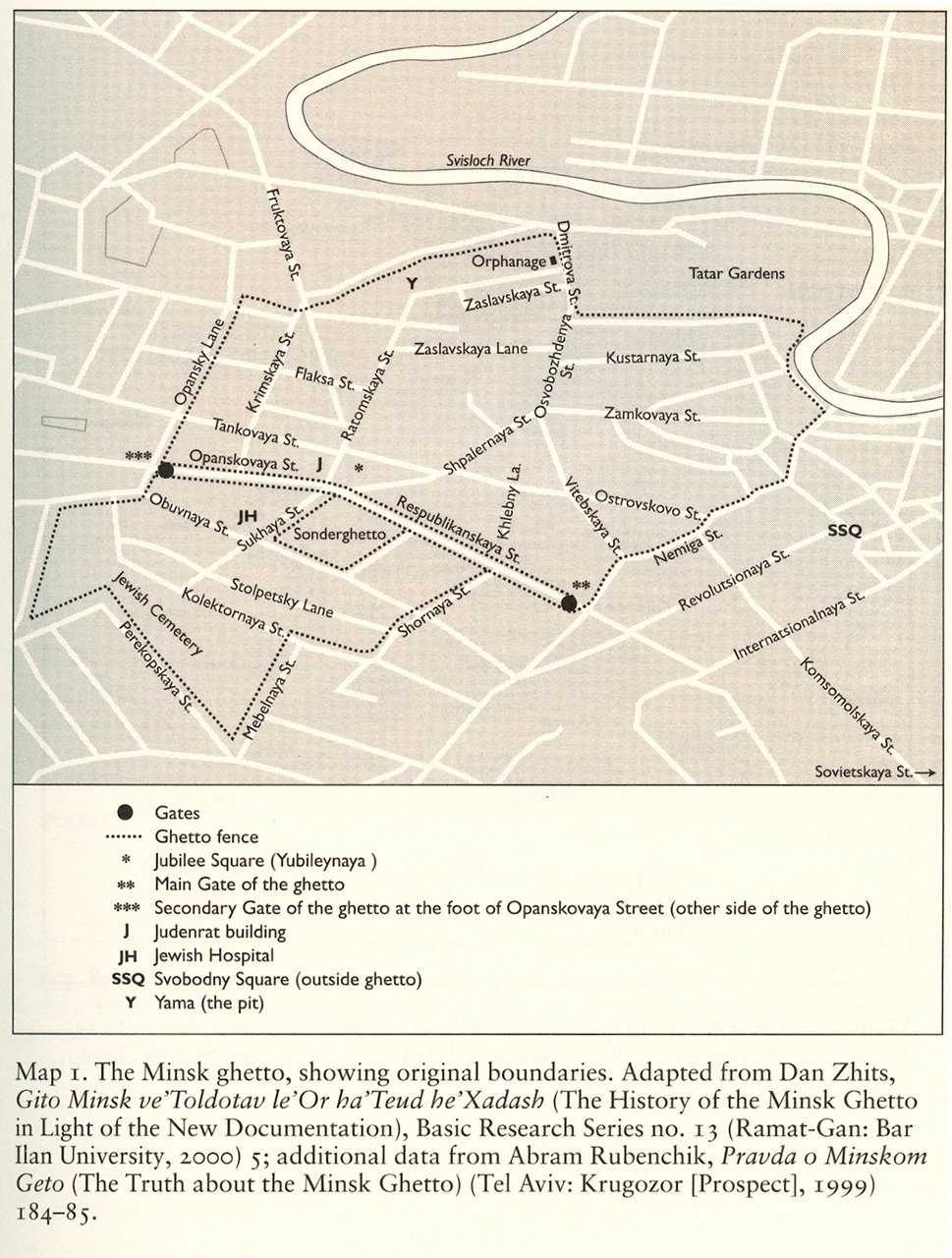
A young Belarusian woman in occupied Minsk
The strike of the '100,000' in Belgium
The Parisian concierge facing informing under the Occupation
At the Dahomey pit, the morning of team-rate pay
Oslo, September 1941: The Milk Strike
Studying in the Warsaw Ghetto
Kiev, September 1941: A Neighbor Facing Babi Yar
Clandestine teaching in the Warsaw Ghetto
The Belgrade schoolteacher under the occupation
The Bryansk forests, autumn 1941
A young Belarusian woman in occupied Minsk