
On 9 April 1940 at 04:15, the Wehrmacht invades Norway simultaneously at six points (Oslo, Kristiansand, Bergen, Stavanger, Trondheim, Narvik). But at Oslo, the fortress of Oscarsborg achieves the impossible: it sinks the German heavy cruiser Blücher (flagship of the invasion fleet) on the morning of 9 April in the Oslo fjord. This 12-hour delay allows the royal family, the Nygaardsvold government, the gold reserves of the Bank of Norway and the parliamentary archives to flee Oslo during the morning.
On the morning of 10 April, the royal special train reaches the village of Nybergsund (Hedmark, 100 km south-east of Oslo). At 11:00, a German delegation led by the special envoy presents itself before King , 67, Crown Prince Olav, 35, Prime Minister and Foreign Minister .
Bräuer presents two options: recognise the Quisling government, proclaimed on Radio Oslo the previous evening at 19:32, and return to Oslo; or refuse, which according to Berlin would mean the King losing his crown and a total war continuing.
The decision must be taken that morning. consults his council.
What does Haakon VII decide in the face of the German ultimatum?
chooses B. His Nybergsund declaration, famous in Norwegian history, sums up his position: "I am deeply moved by the responsibilities I am asked to assume. But I would rather abdicate than give my sanction to a Quisling government. The decision is mine — and I refuse." The Council of Ministers ranges itself behind him: unanimous decision to continue the war. and the Nygaardsvold government withdraw northwards for two months (on foot, by car, by boat), take part in the defence of Trondheim and Narvik. On 7 June 1940, embarkation at Tromsø aboard the cruiser HMS Devonshire; arrival in London on 10 June. The Norwegian government-in-exile becomes one of the most active among the Allies — it provides the world's fourth-largest merchant marine (1,250 Norwegian ships in the Allied war effort), 25,000 sailors, several RAF squadrons, and major SOE operations (notably Gunnerside against the heavy-water plant at Rjukan, February 1943). returns to Oslo on 7 June 1945 — the anniversary of his departure in 1940. He dies in September 1957. The verb "to quisle" enters every European language.
Learn more about this event
Related polls
10
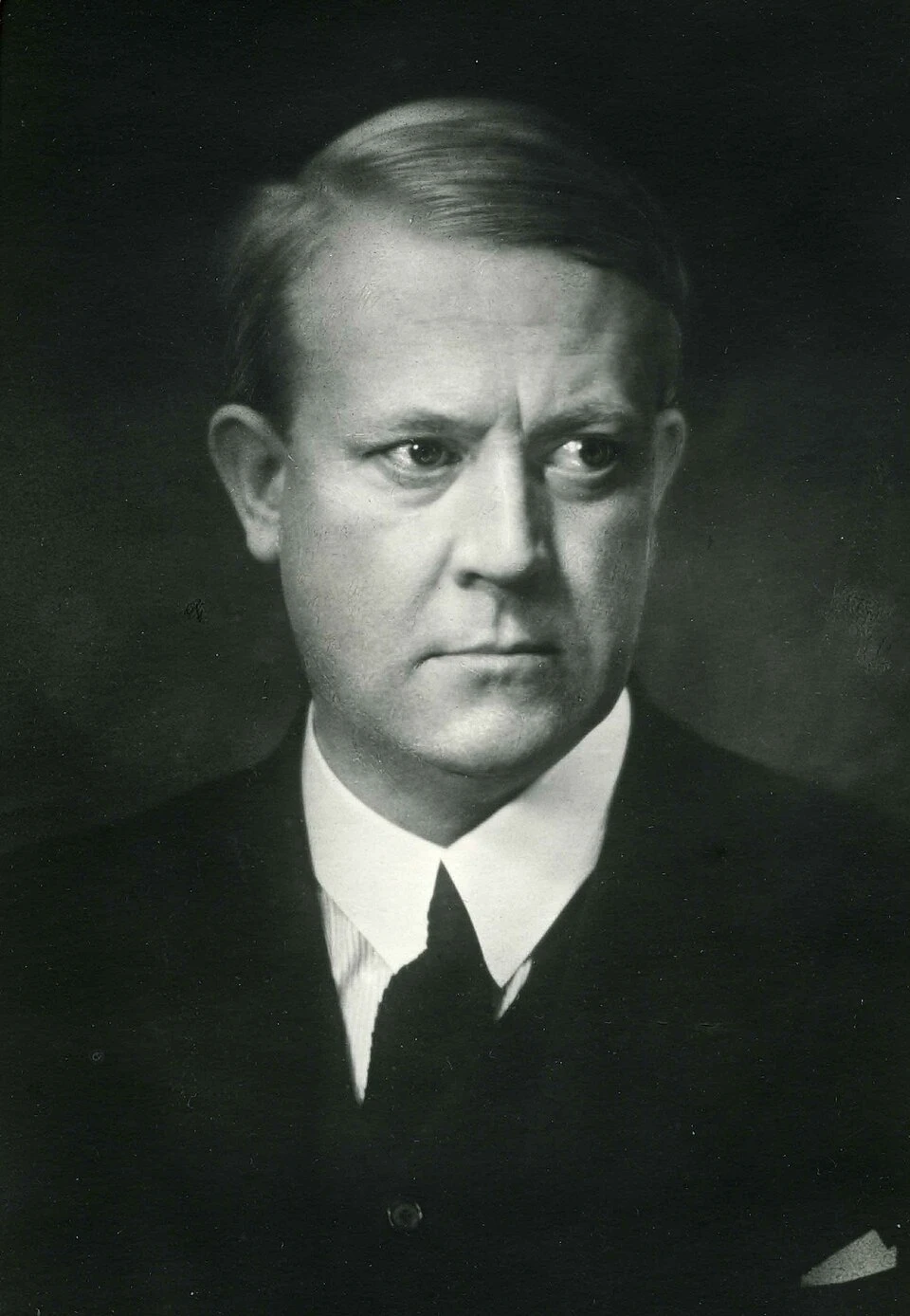
Quisling at Radio Oslo — 19:32
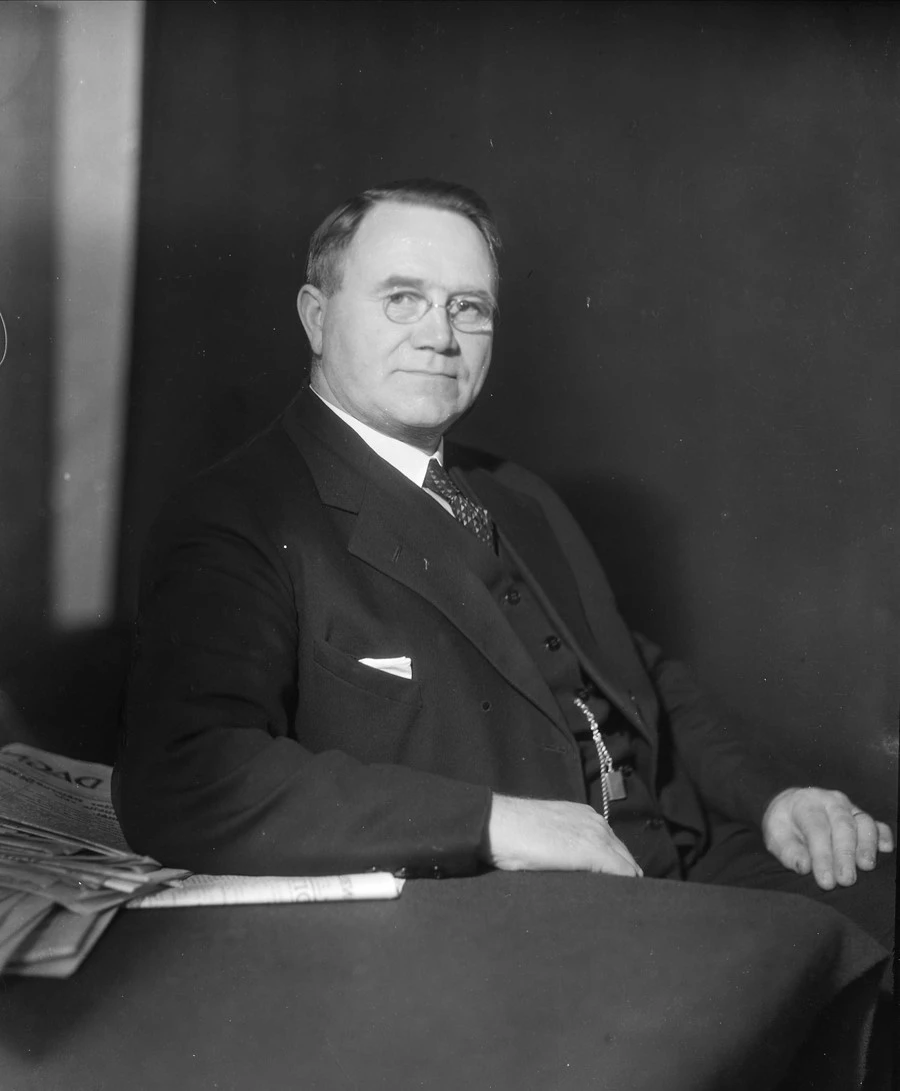
Nygaardsvold at Tromsø — 7 June
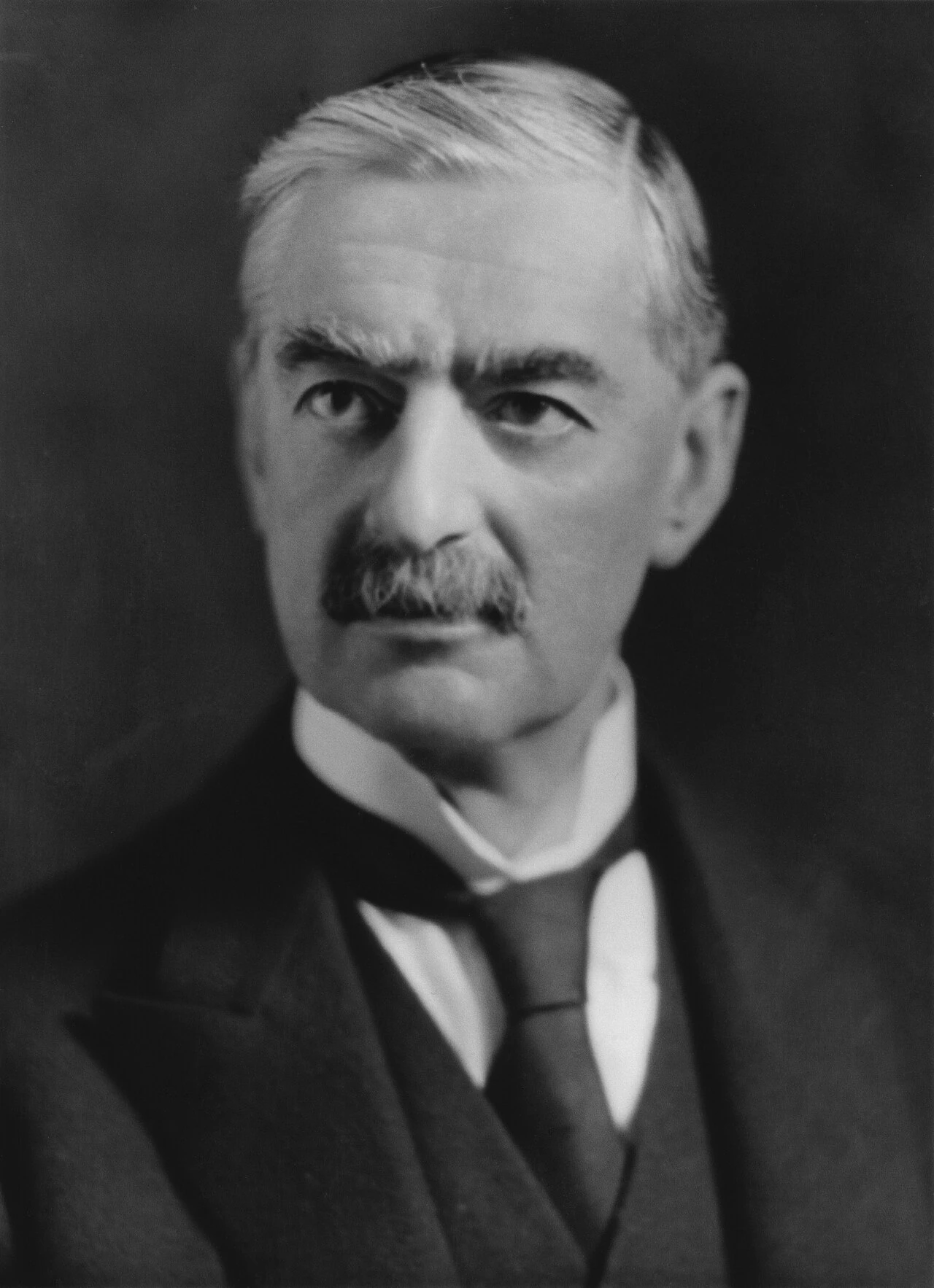
Chamberlain at Central Hall — 4 April
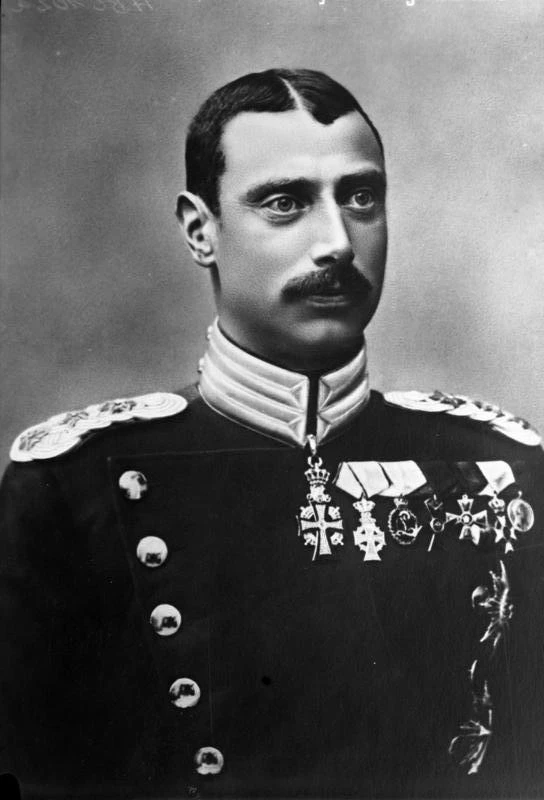
Christian X faces the ultimatum — 9 April
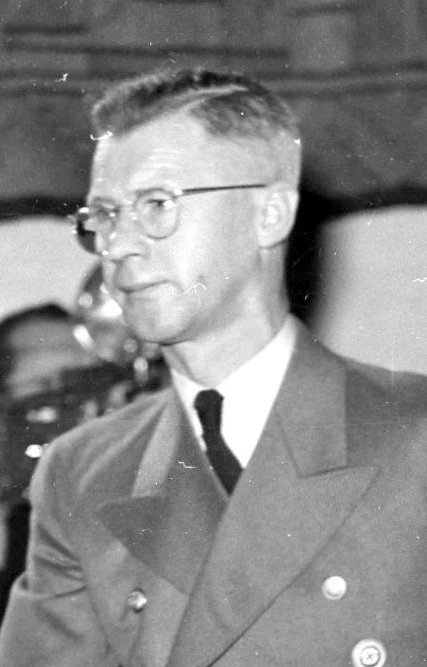
Terboven and the fate of Quisling — Oslo
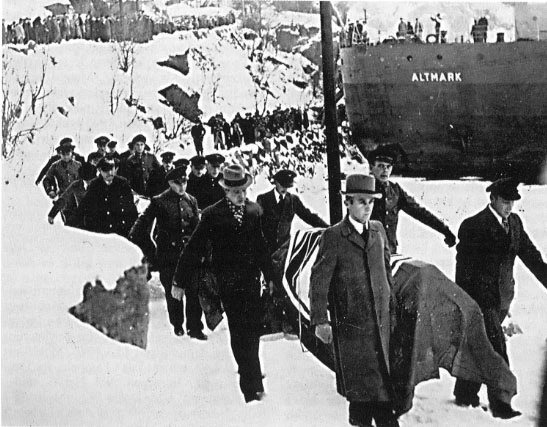
Vian in the Jøssingfjord
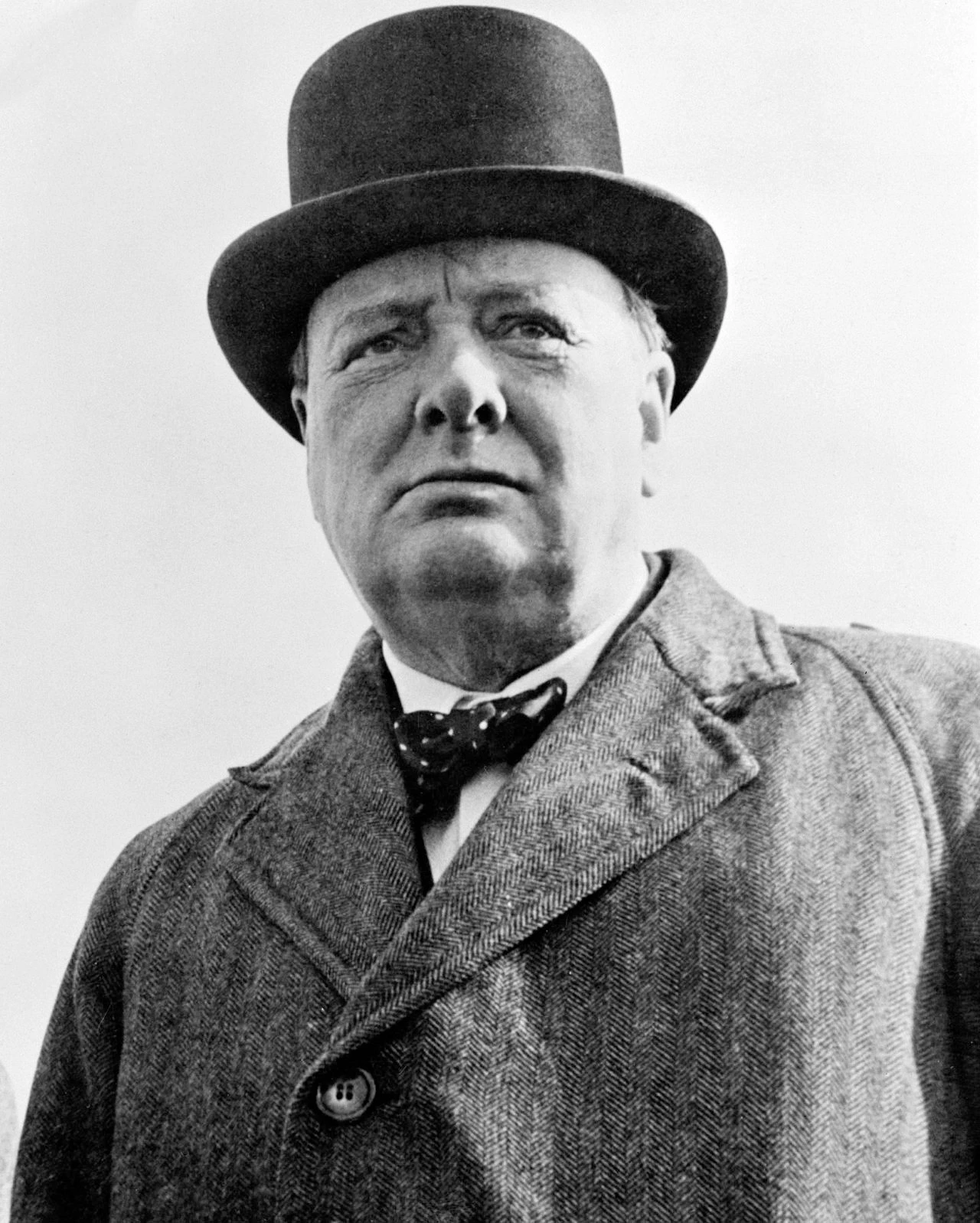
Churchill in power
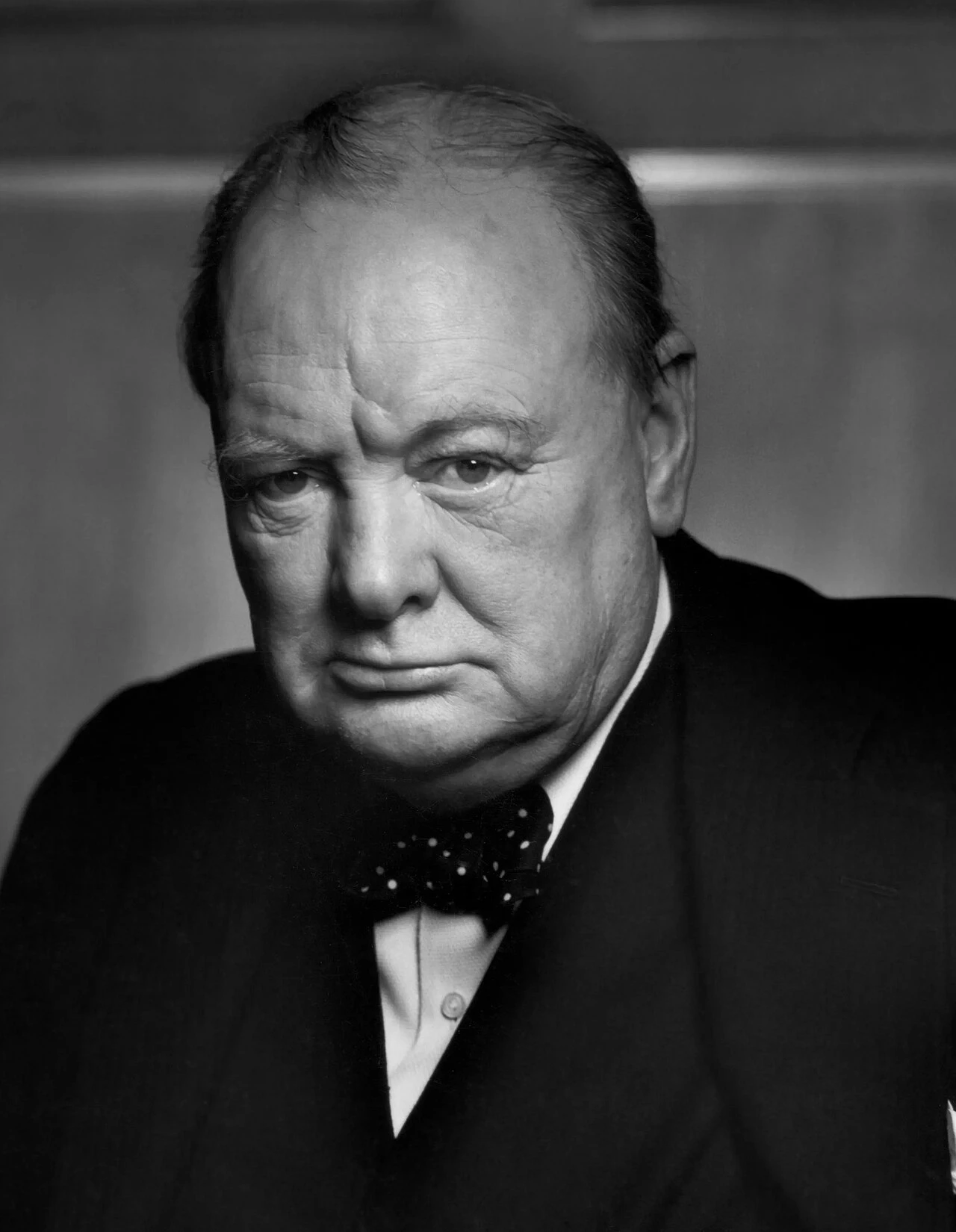
Churchill before the 25 ministers — 28 May 18:00
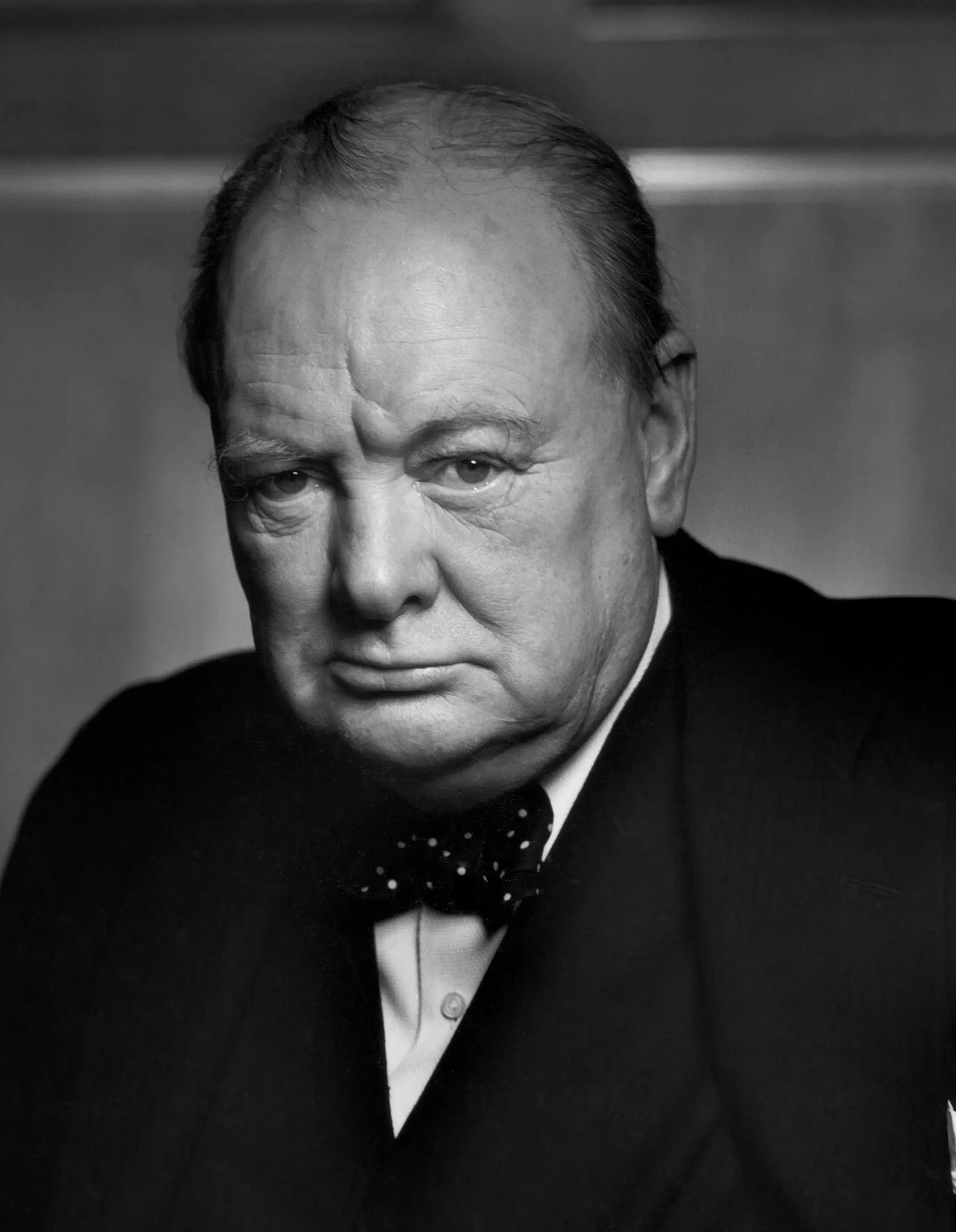
Churchill before the Commons — 4 June
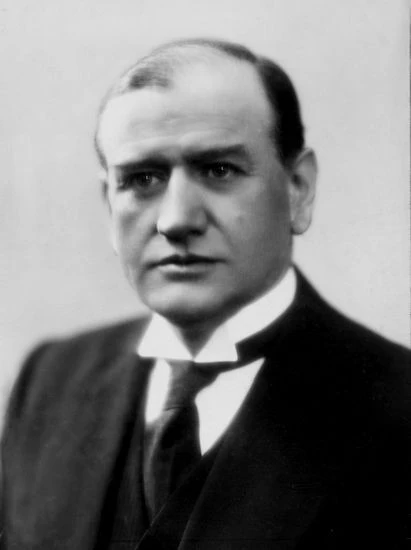
Daladier asked to leave the War Ministry
Quisling at Radio Oslo — 19:32
Nygaardsvold at Tromsø — 7 June
Chamberlain at Central Hall — 4 April
Christian X faces the ultimatum — 9 April
Terboven and the fate of Quisling — Oslo
Vian in the Jøssingfjord
Churchill in power
Churchill before the 25 ministers — 28 May 18:00
Churchill before the Commons — 4 June