
Tojo as Prime Minister: Reopening the Question of War
Since the American embargo of the summer of 1941 — frozen assets, the oil tap shut off — Japan watches its reserves dwindle. Washington, through the Hull note, demands a withdrawal from China that the army judges unacceptable after four years of war. On 16 October, Prince Konoe resigns, deadlocked.
On the advice of the Lord Keeper of the Privy Seal, Kido, Emperor appoints his War Minister, General Tojo, to head the government on 18 October — the paradoxical choice of a hardliner, coupled with the imperial wish to re-examine "with a clean slate" the decision for war adopted on 6 September.
Tojo thus inherits a decision he has not settled: diplomacy would require concessions in China; war would target the "Southern Resource Zone" before the oil ran dry; to step back would mean ceding the initiative.
Charged by the Emperor with re-examining the option of war, should Tojo seek a compromise with Washington, prepare for war, or step aside?
Tojo conducted a token reappraisal while accelerating the preparations. The imperial conference of 5 November set a deadline for the negotiations; the Hull note of 26 November was received as a refusal; the conference of 1 December approved war. The attack on Pearl Harbor followed on 7 December 1941, tipping the conflict to a global scale.
Learn more about this event
Related polls
10
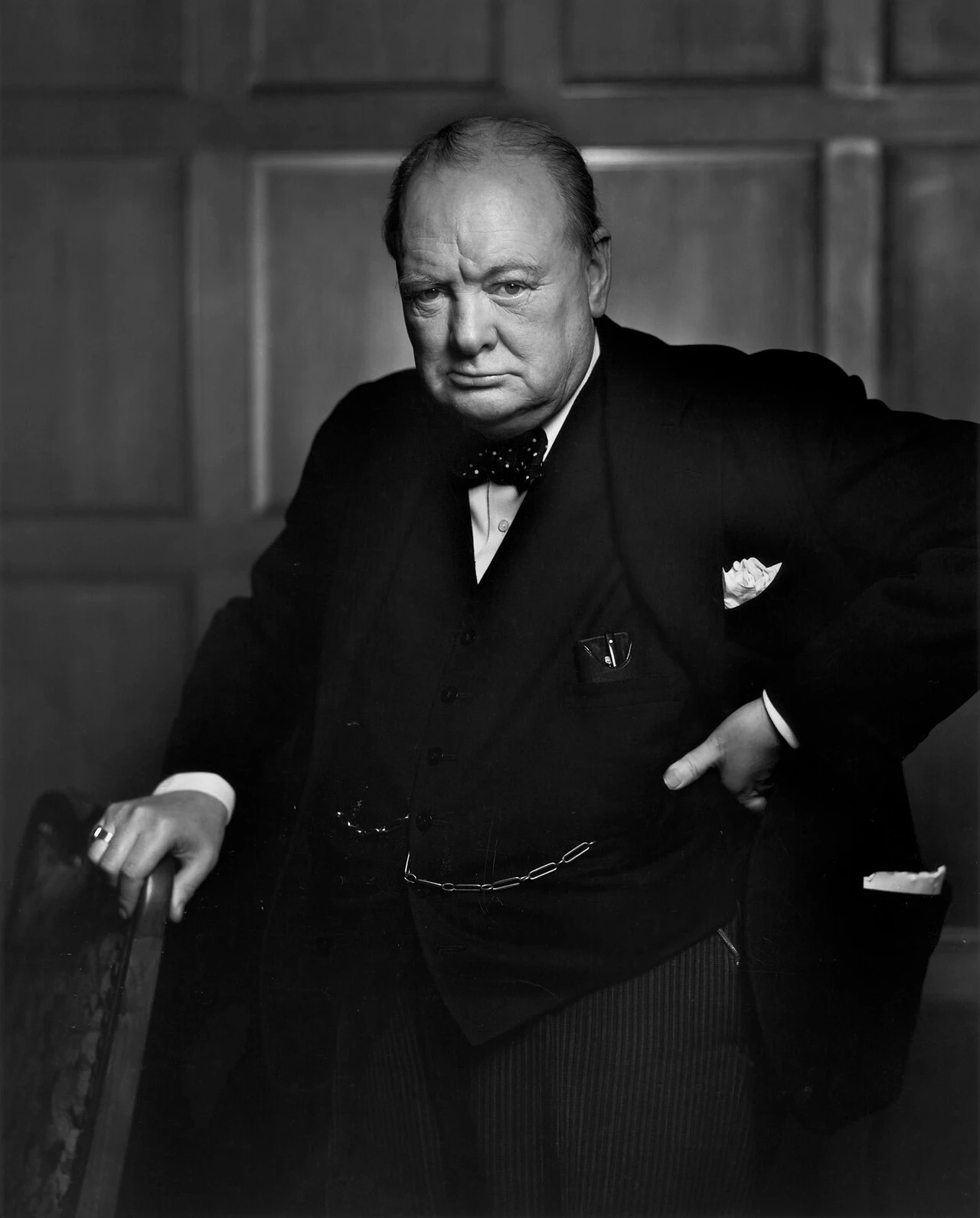
Auchinleck replaces Wavell
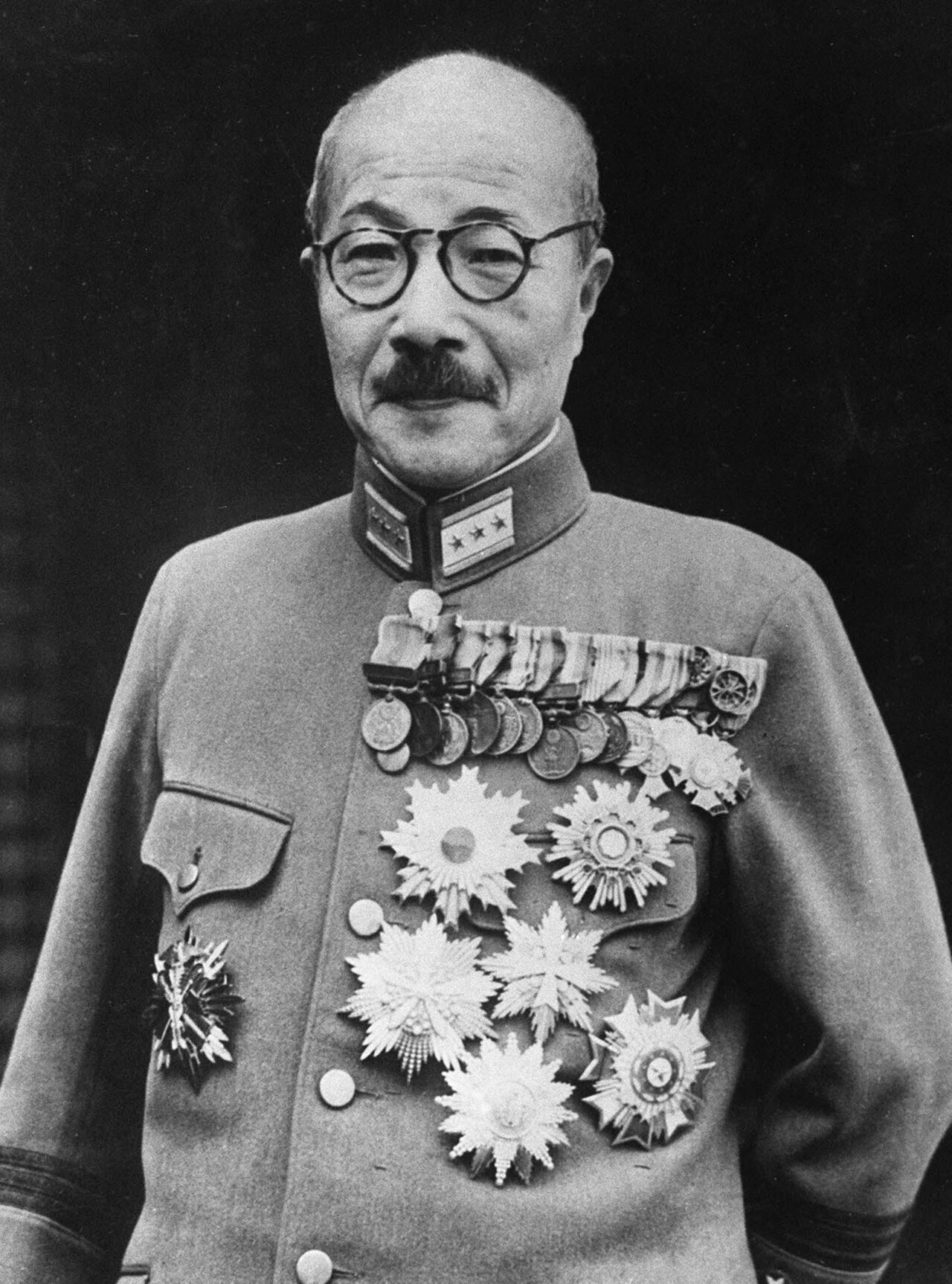
Japan and the Southern Resource Zone
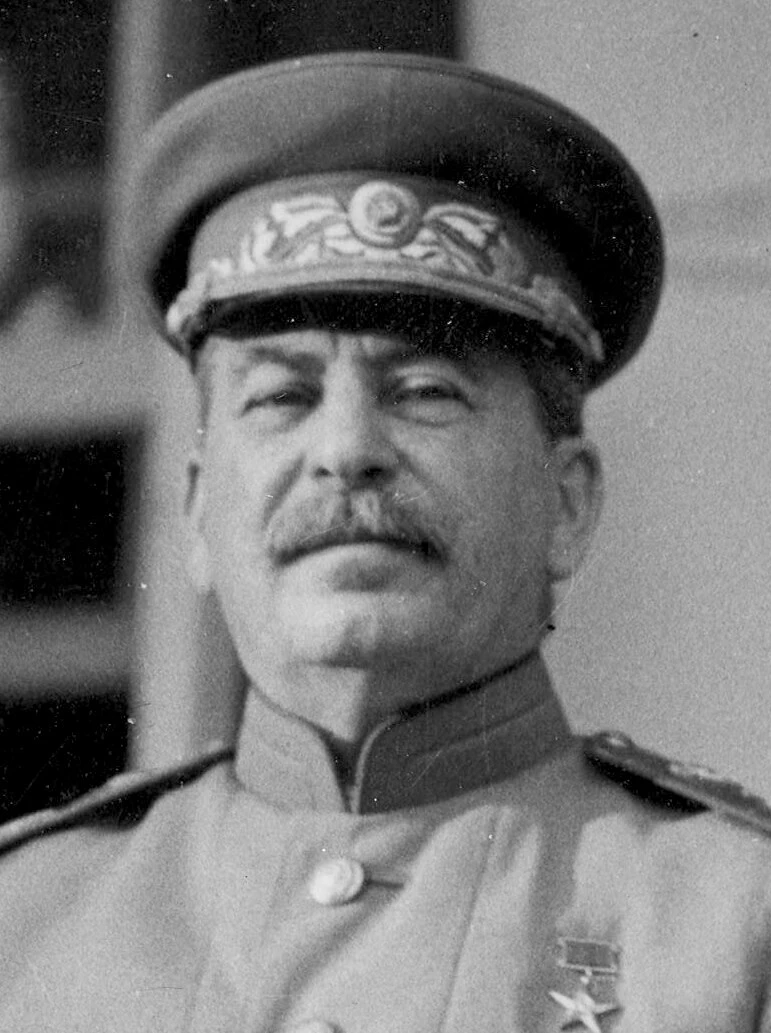
Stalin at the microphone — 'brothers and sisters'
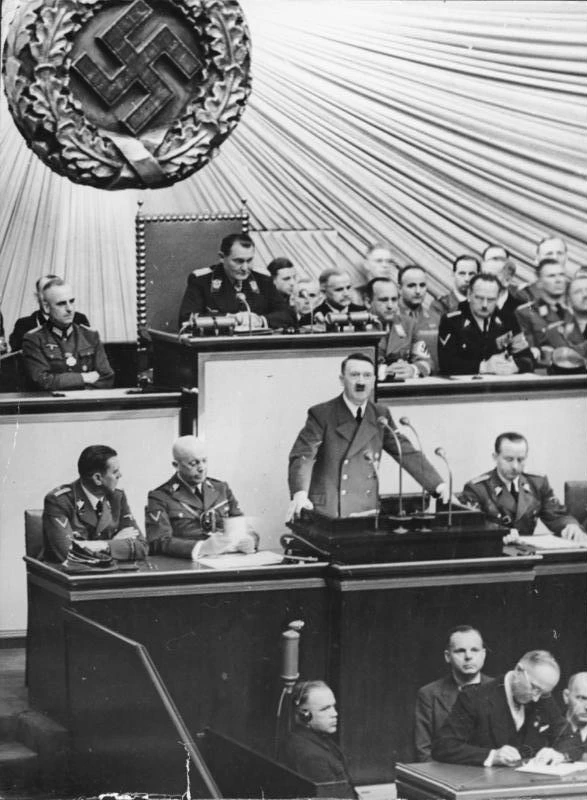
Hitler — the Reichstag Speech
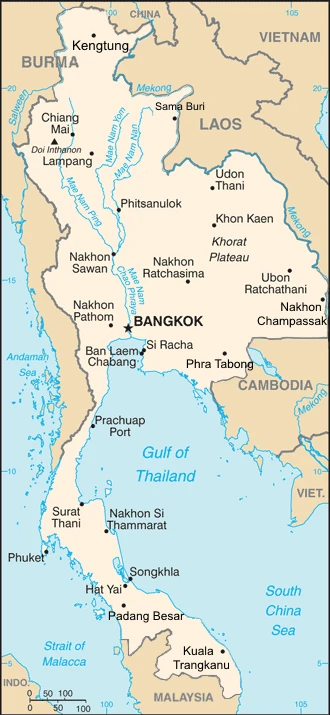
Japan enters southern Indochina
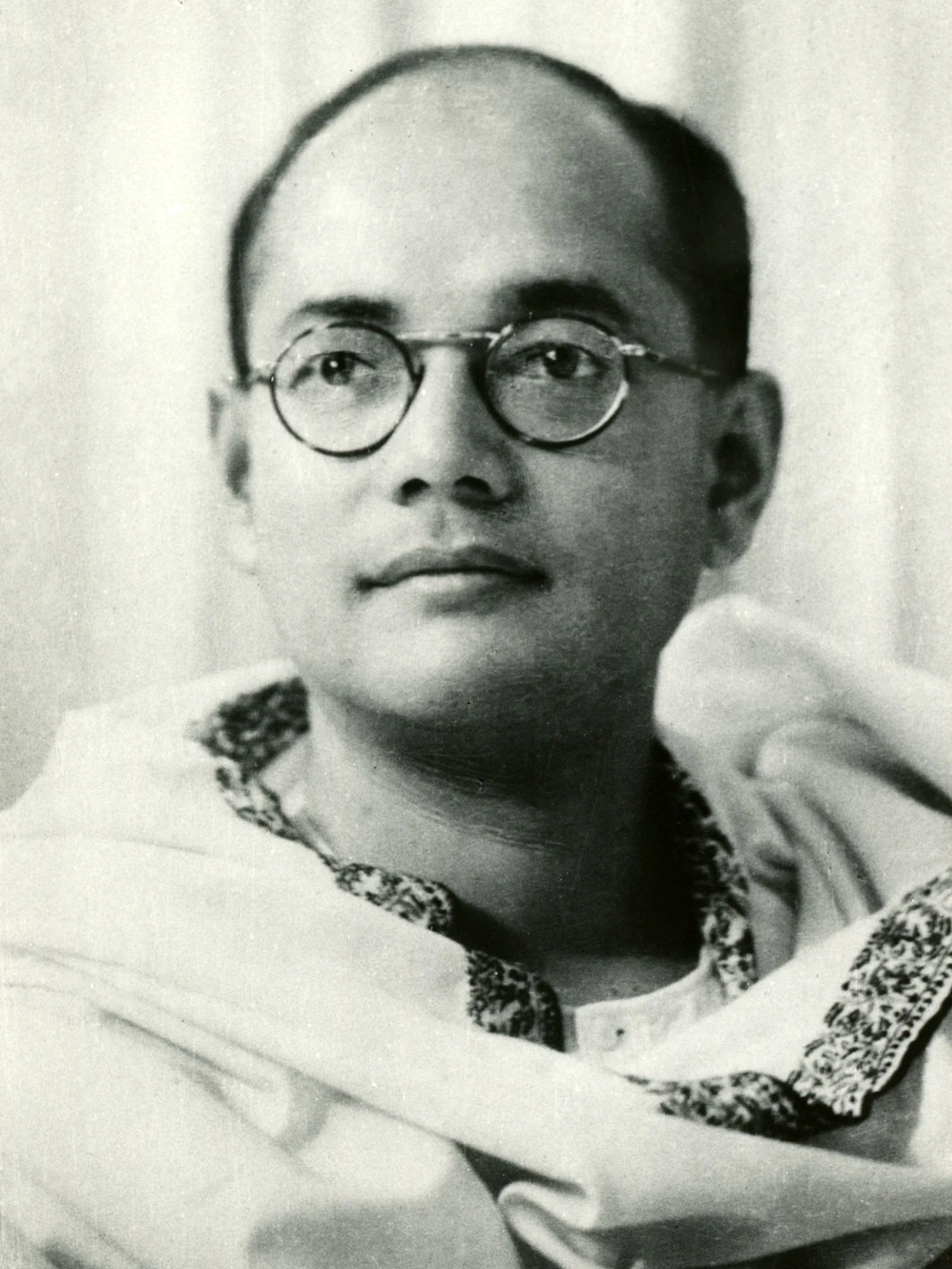
The Indische Legion — Subhas Chandra Bose in Berlin
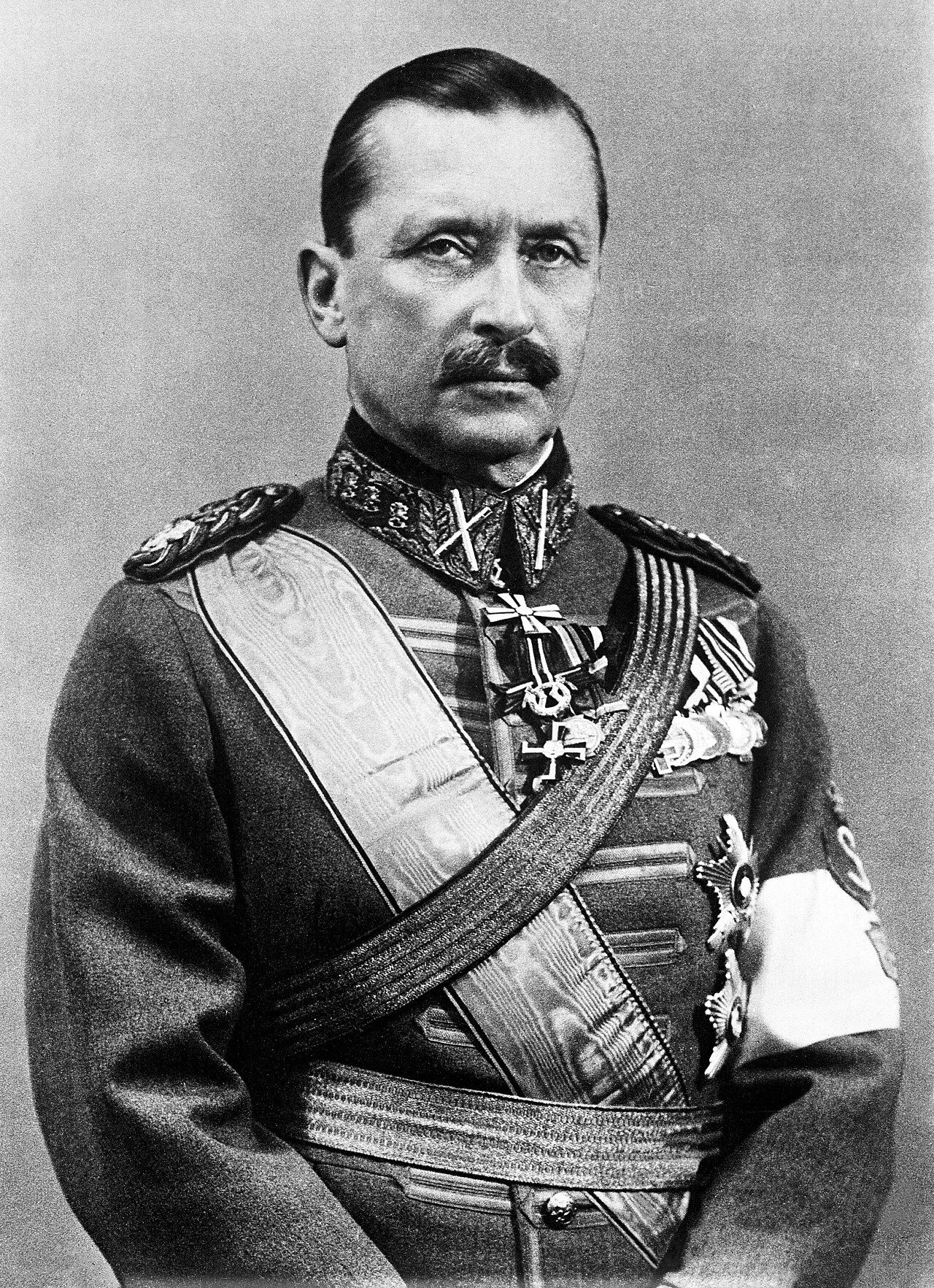
Mannerheim to the Ryti government — 28 February
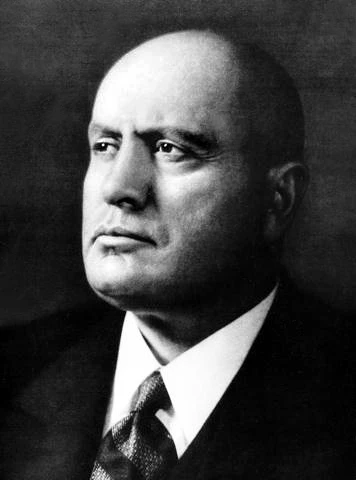
Mussolini at the Palazzo Venezia — early June
Mussolini on the Riviera — 21 June
Reynaud faces the Council — Bordeaux, 16 June, 22:00
Auchinleck replaces Wavell
Japan and the Southern Resource Zone
Stalin at the microphone — 'brothers and sisters'
Hitler — the Reichstag Speech
Japan enters southern Indochina
The Indische Legion — Subhas Chandra Bose in Berlin
Mannerheim to the Ryti government — 28 February
Mussolini at the Palazzo Venezia — early June
Mussolini on the Riviera — 21 June