
Mussolini on the Riviera — 21 June
Eleven days after entering the war, must set the terms of the armistice Italy will impose on France. The offensive launched on 20 June in the Alpes-Maritimes is turning into a fiasco: Olry's army holds its positions, and the Italian troops barely advance despite crushing numerical superiority, in the snow and cold of the high valleys.
The Duce had dreamed of a great prize: Nice, Savoy, Corsica, Tunisia, Djibouti. But two constraints rein him in. His son-in-law Ciano pleads for moderation, so as not to drive the French fleet and Empire into British arms. Above all, Hitler has let him know that he must not demand too much: the Reich wants to spare the future Vichy government in order to make it a docile partner. Hitler, who has just signed his own armistice with France, intends to retain mastery of the settlement and not let his ally compromise his calculations.
Mussolini must arbitrate between the maximalist display that would satisfy his propaganda and a more measured line — between his ambitions for spoils, the failure of the Alpine offensive, and Berlin's position.
What conditions should Mussolini impose on France?
Mussolini chooses B, aligning with Hitler. The Franco-Italian armistice, signed on 24 June at the Villa Incisa near Rome, grants Italy only a thin occupied zone around Menton and a 50 km demilitarised strip along the border. No annexation in metropolitan France, no Tunisia, no Corsica, no Djibouti. For the Duce, it is a masked humiliation: militarily repulsed in the Alps, he obtains almost nothing from a victory to which he has so little contributed. This imbalance between proclaimed ambitions and meagre real gains foreshadows Italian difficulties in the years to come, in Greece and then in Africa.
Learn more about this event
Related polls
10
Ciano summons the ambassadors — 10 June
Goering at Carinhall — the promise to Hitler
Mussolini on the balcony — 10 June, 18:00
Hitler — the Reichstag Speech
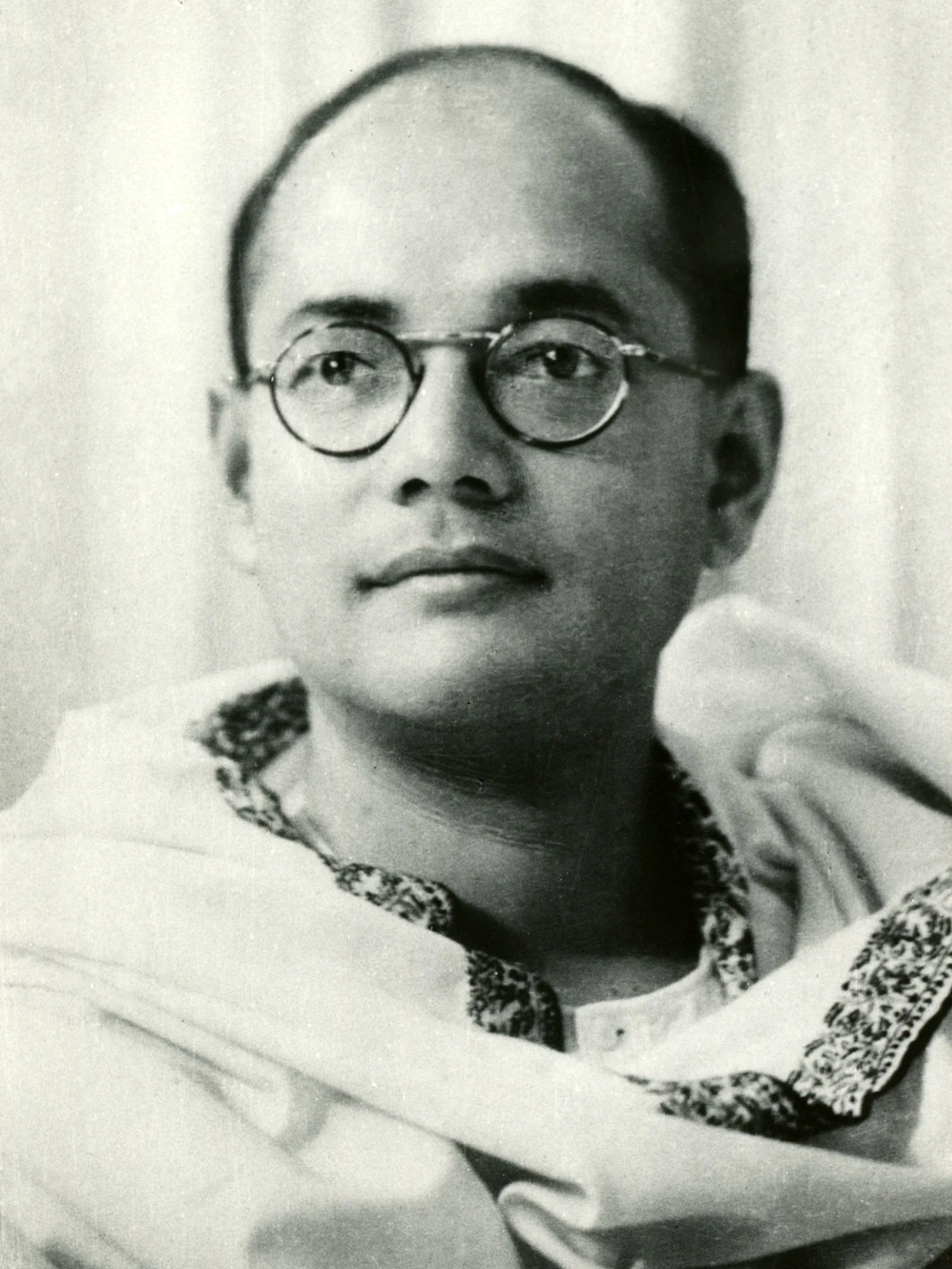
The Indische Legion — Subhas Chandra Bose in Berlin
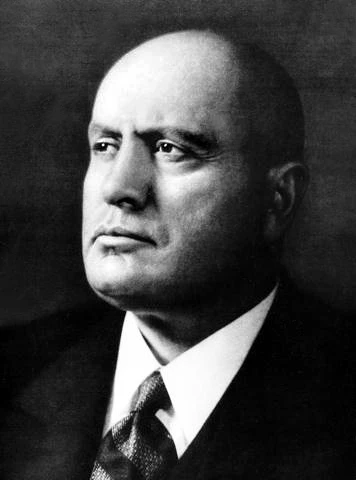
Mussolini at the Palazzo Venezia — early June
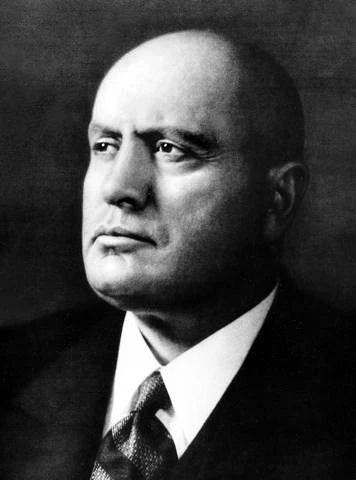
Mussolini and the entry into the war
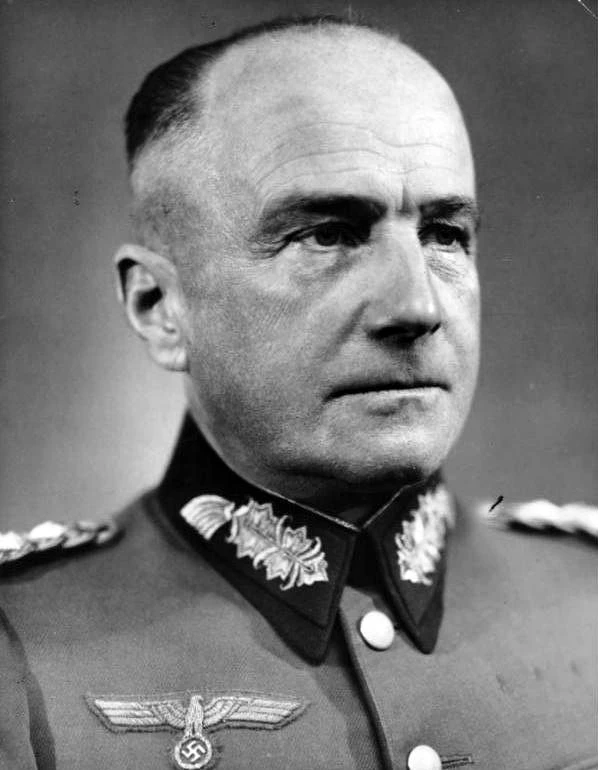
Brauchitsch — Reich Chancellery, 5 November
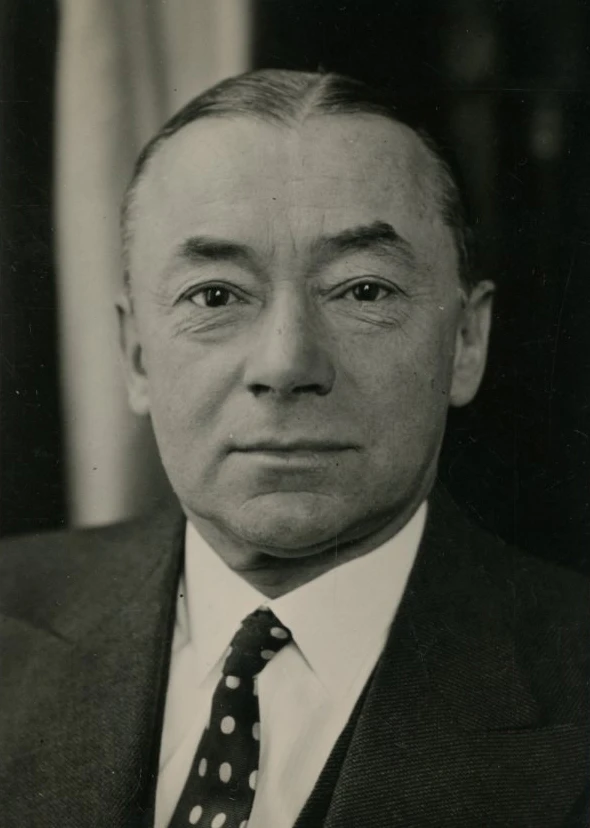
Reynaud faces the Council — Bordeaux, 16 June, 22:00
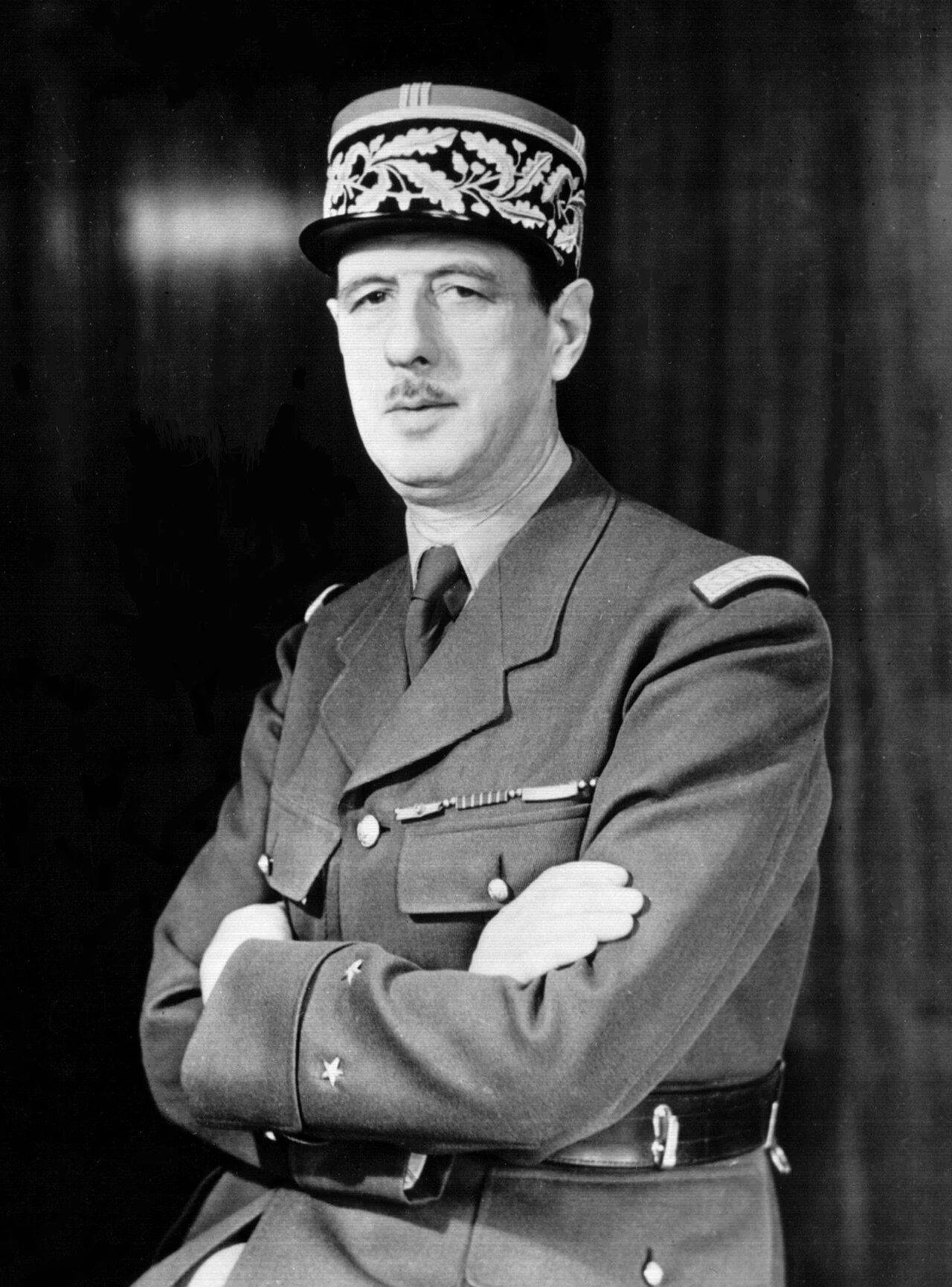
De Gaulle calls on Churchill — 9 June
Ciano summons the ambassadors — 10 June
Goering at Carinhall — the promise to Hitler
Mussolini on the balcony — 10 June, 18:00
Hitler — the Reichstag Speech
The Indische Legion — Subhas Chandra Bose in Berlin
Mussolini at the Palazzo Venezia — early June
Mussolini and the entry into the war
Brauchitsch — Reich Chancellery, 5 November
Reynaud faces the Council — Bordeaux, 16 June, 22:00