
Darlan at Berchtesgaden — how far to collaborate?
Since the dismissal of Laval in December 1940, Admiral had become the true head of the Vichy government and Pétain's heir apparent. Convinced, like many at Vichy in the spring of 1941, that Germany was going to win the war, he sought to obtain concessions (easing of the Occupation, release of prisoners, reduction of occupation costs) by offering Berlin increased military collaboration.
The opportunity arose with the Iraqi war: Germany wanted to ship arms and aircraft to by way of Vichy Syria. On 11 May, Darlan was received by Hitler at Berchtesgaden; on the table were the granting to the Axis of bases in Syria, at Bizerte (Tunisia) and at Dakar, in return for easings of the armistice.
Darlan had to gauge how far to commit France along this path: sign the protocols and tip into de facto co-belligerence alongside the Axis; limit them to specific and revocable concessions; or refuse, to preserve a margin of neutrality and avoid provoking a rupture with the United States and the colonies. The stake was the very nature of the regime and its place in the war.
How far should Darlan push military collaboration with Germany?
Darlan accepted at Berchtesgaden: the negotiations led to the Paris Protocols, signed in May (A), which opened Syria to the transit of arms toward Iraq. But their application stalled: within Vichy itself, General Weygand, from North Africa, vigorously opposed any concession that would tip the Empire into the war alongside the Axis, and the German counterparts remained meagre. The protocols were never fully implemented. But the transit of arms through Syria provoked the Allies' reaction: in June 1941, the British and Free French invaded Vichy Syria and Lebanon. The episode marked the apogee of Darlan's collaborationist temptation and revealed the limits the Empire and the international context still imposed on Vichy.
Learn more about this event
Related polls
10
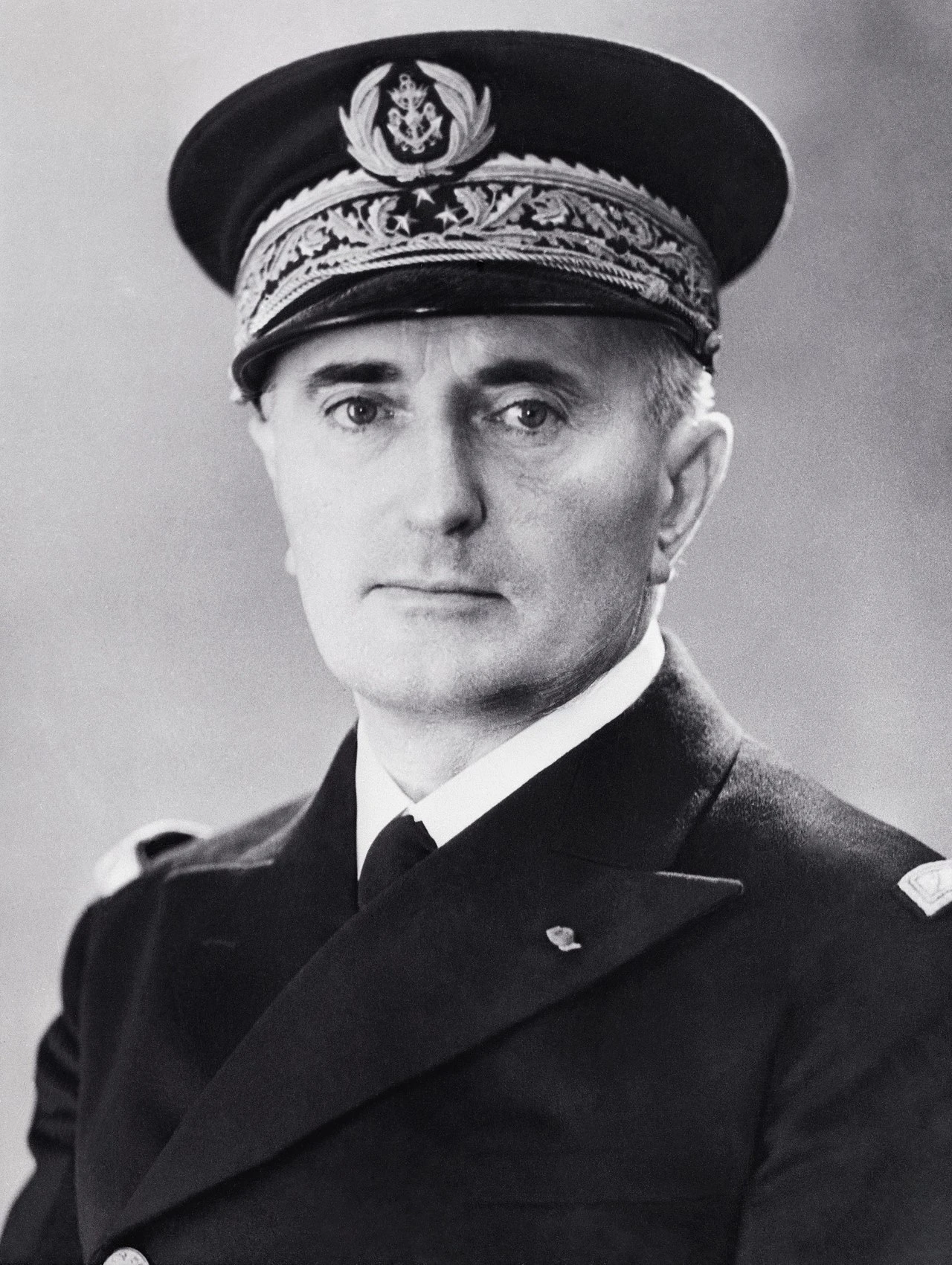
Darlan and the bases offered to the Axis

Annexed Menton and the Italian occupier
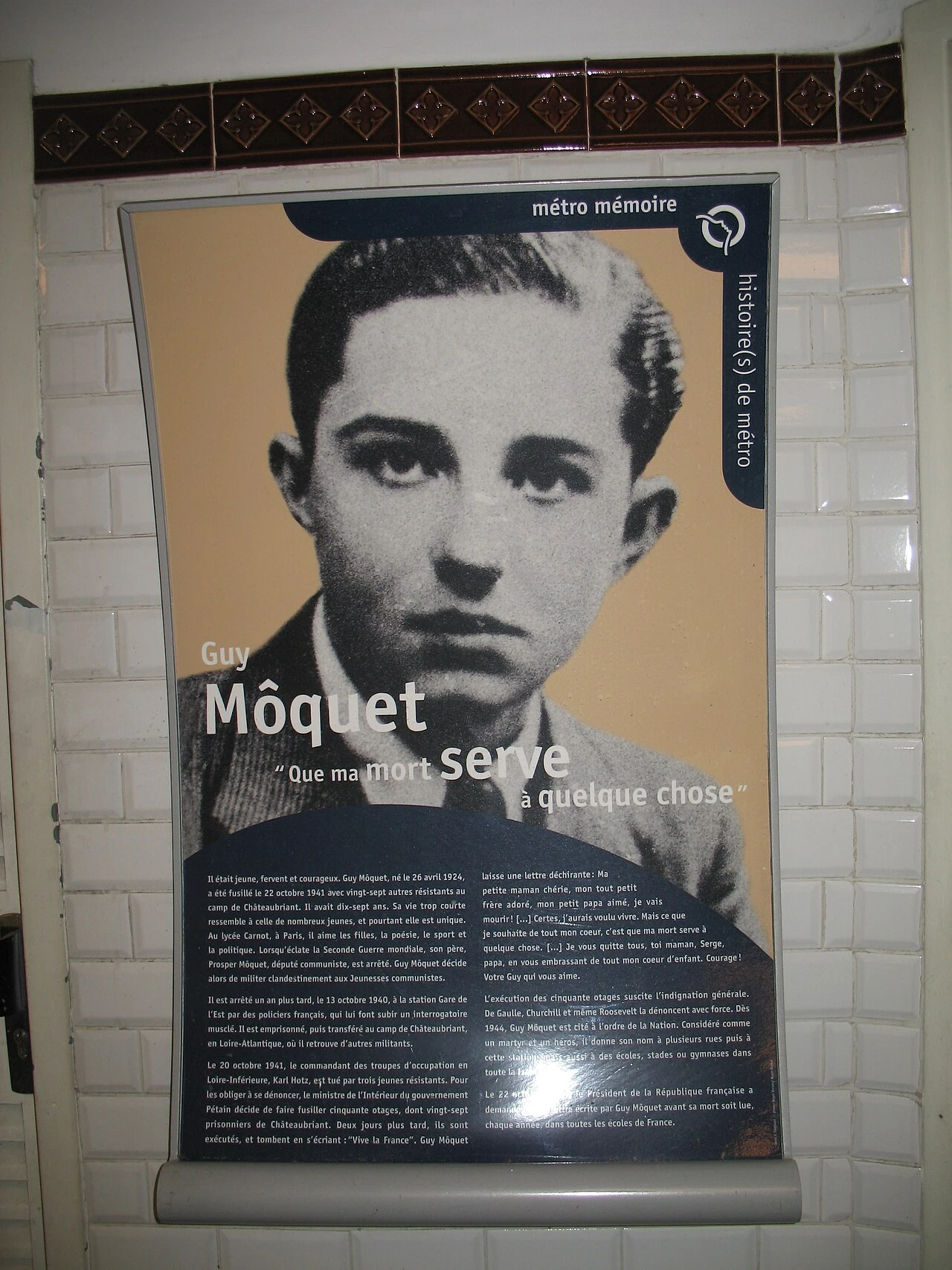
Châteaubriant: The List of Hostages
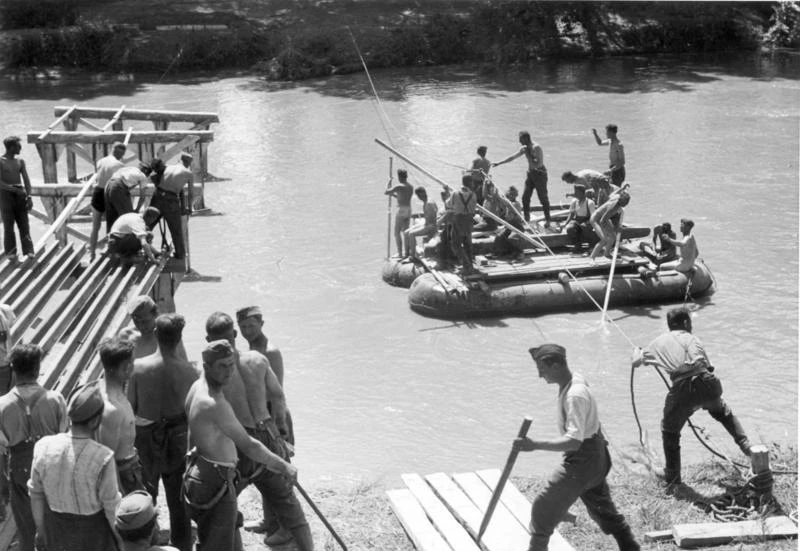
The fall of Athens
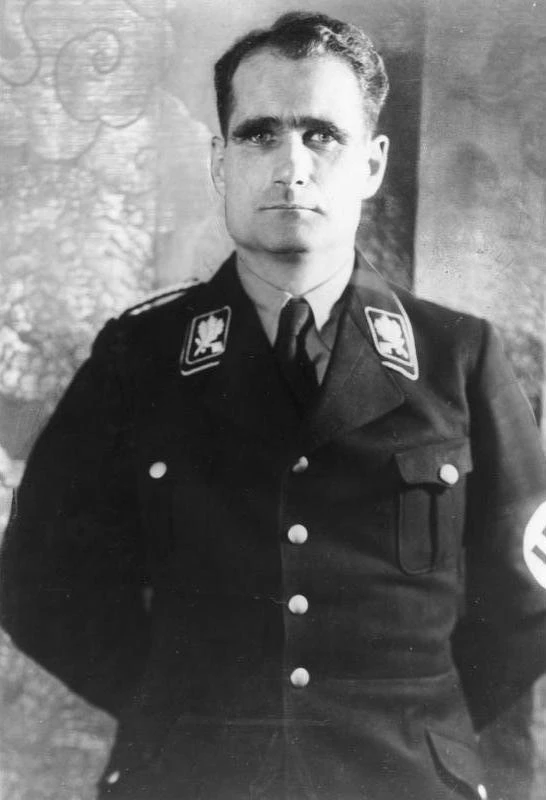
Hess — the fixed idea of a separate peace

The Parisian concierge facing informing under the Occupation
British rationing put to the test in 1941
The Prime Minister in the face of the collapse of Athens
Buy Each for Themselves or with a Single Voice
The armistice of Rethondes
Darlan and the bases offered to the Axis
Annexed Menton and the Italian occupier
Châteaubriant: The List of Hostages
The fall of Athens
Hess — the fixed idea of a separate peace
The Parisian concierge facing informing under the Occupation
British rationing put to the test in 1941
The Prime Minister in the face of the collapse of Athens
Buy Each for Themselves or with a Single Voice