
After the rout, Allied soldiers — chiefly British, but also French — found themselves stranded behind the lines, unable to reach Dunkirk. Hidden in the countryside, wounded or starving, they sought to escape capture and, at times, to reach a neutral country so as to make their way back to England.
For you, the Belgian family who discovers one of them, the choice carries grave consequences. To take him in and hide him, feed him, help him flee: this is an act of solidarity and resistance, but punishable by the most severe penalties, up to death, should the occupier discover it — and the threat of denunciation looms. To hand him over to the authorities, out of fear of reprisals against your whole family. Or to help him briefly (food, civilian clothes) without lodging him, so as to limit the risk.
It is one of the first great moral dilemmas of the occupation: to put solidarity before the safety of one's own, or the reverse. These situations, multiplied many times over, would give rise to the future escape networks that would aid so many Allied airmen.
Should our family hide the Allied soldier, hand him over, or help him briefly without lodging him?
Many families, at the risk of their lives, chose A or C: from the summer of 1940, stranded Allied soldiers were hidden, fed, dressed in civilian clothes and helped to flee. These spontaneous and risky acts — sheltering an "enemy" of the occupier was punishable by death — were the origin of the great Belgian escape networks (such as the future Comet line), which would smuggle hundreds of Allied airmen out to Spain. The repression would be ferocious: many of these shadow resisters would pay with their freedom or their lives. Aiding Allied soldiers ranks among the first and most dangerous forms of civilian resistance.
Learn more about this event
Related polls
10
Hide the Weapons or Hand Them In
The Free-Shooter of Information — Listening to London
The First Arrests

The French in London — Who Joins?
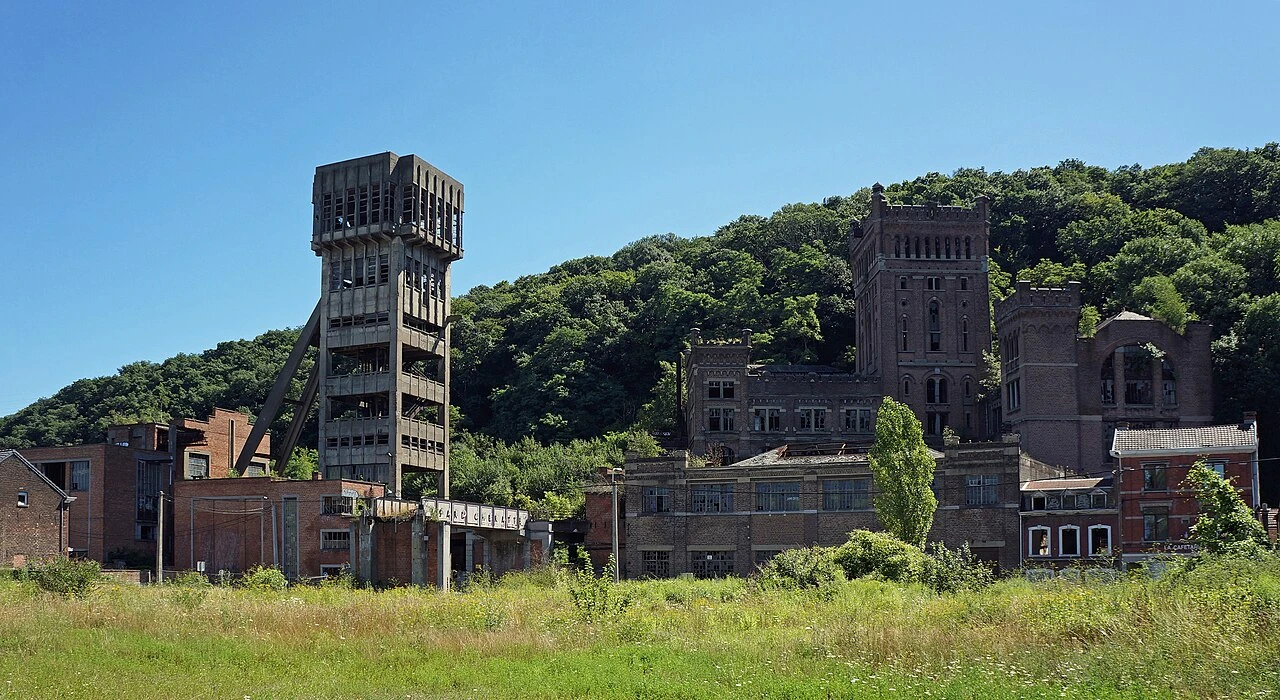
Campine Coal and the Hunger of Year One
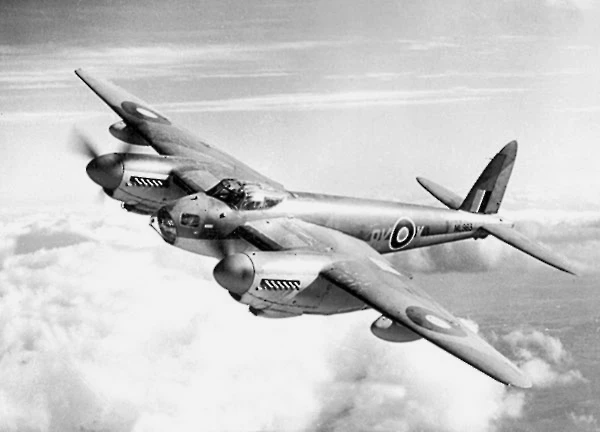
Joining the free air forces
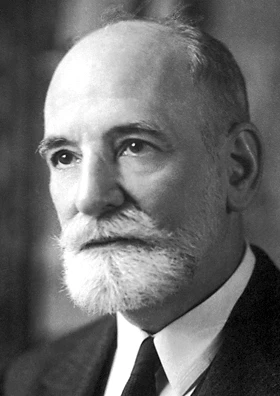
René Cassin Reaches London — 29 June
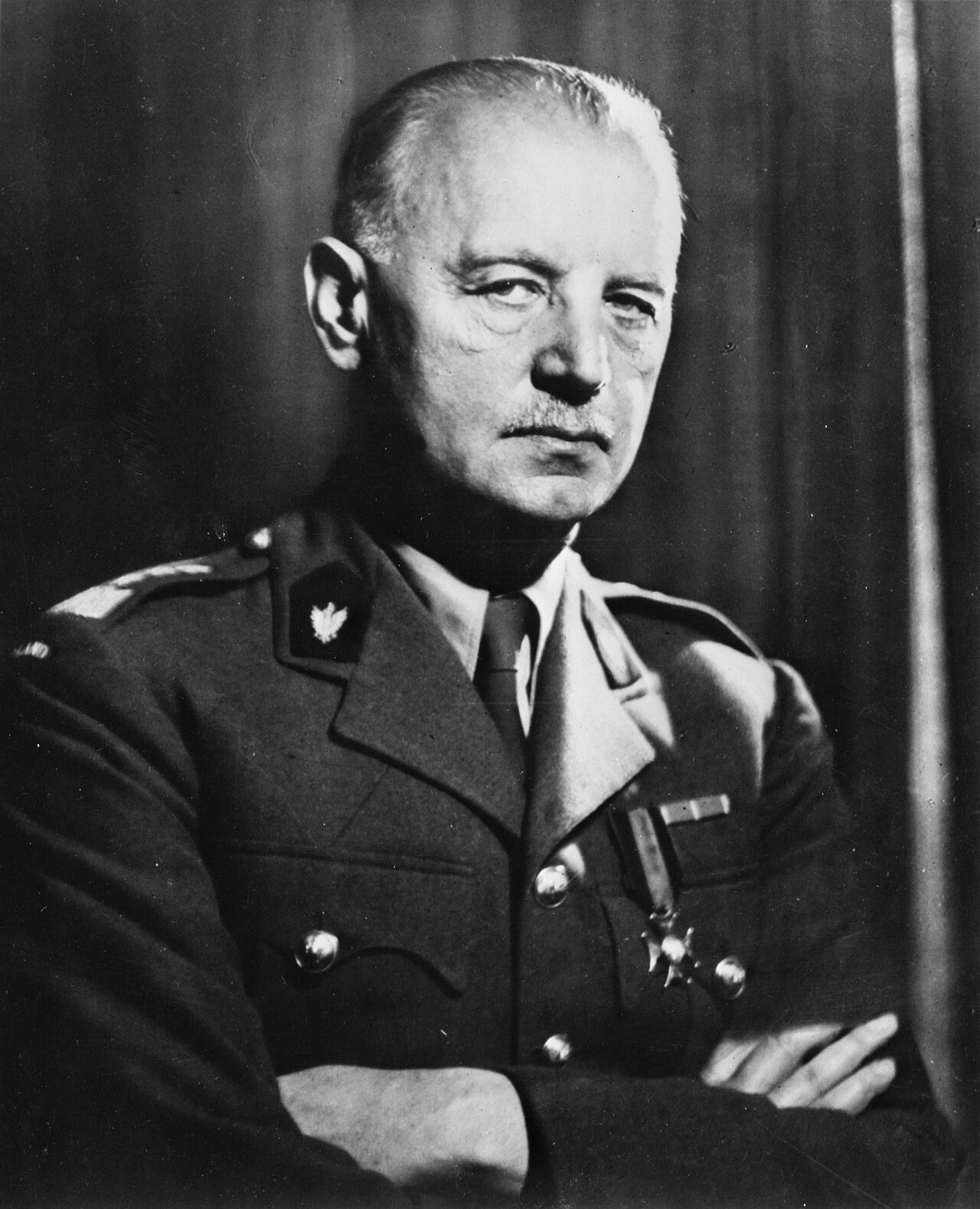
Sikorski leaves Bordeaux — 18 June
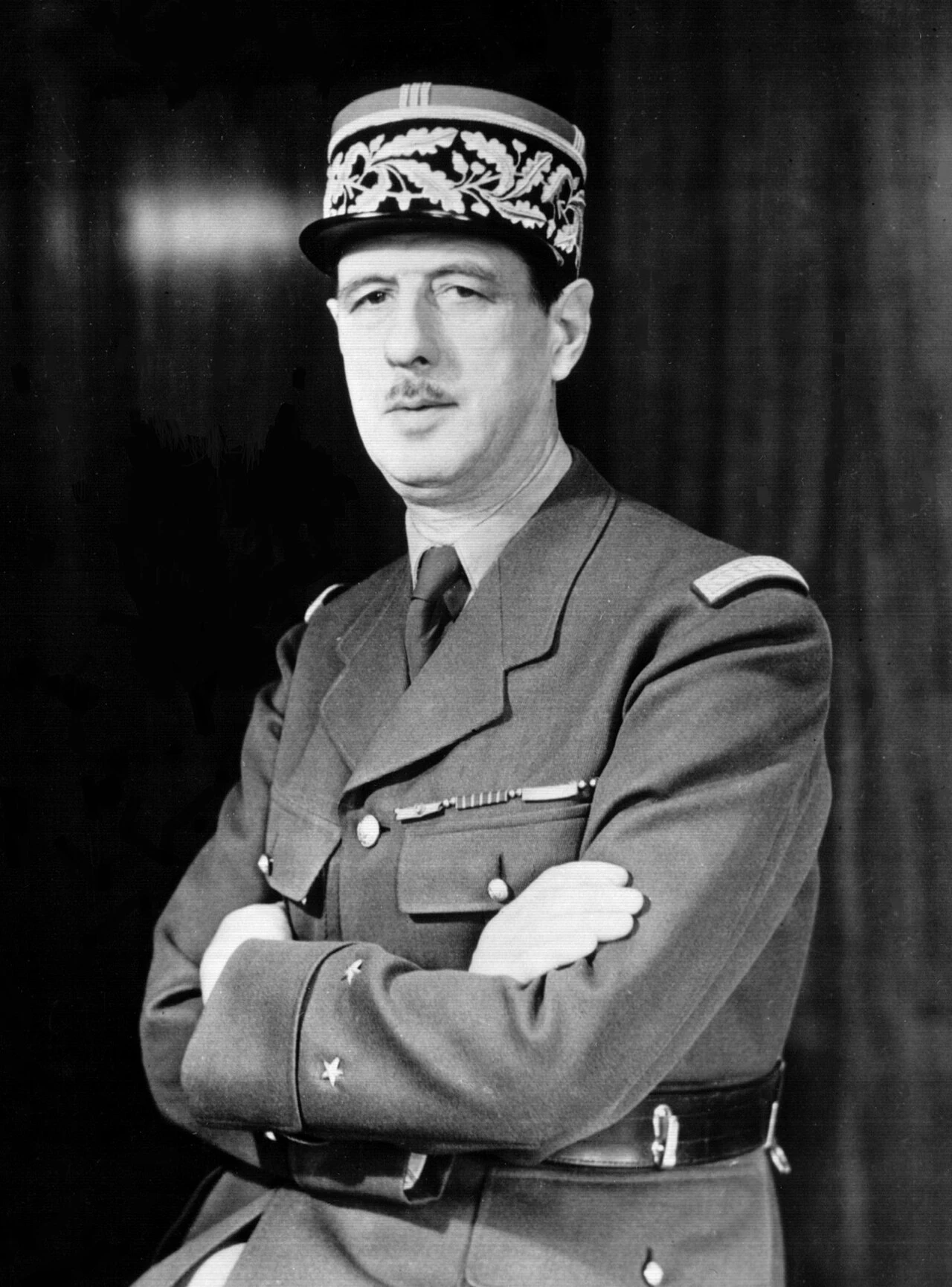
De Gaulle at the BBC microphone — 18 June, 18:00
Founding the Free Belgian Forces
Hide the Weapons or Hand Them In
The Free-Shooter of Information — Listening to London
The First Arrests
The French in London — Who Joins?
Campine Coal and the Hunger of Year One
Joining the free air forces
René Cassin Reaches London — 29 June
Sikorski leaves Bordeaux — 18 June
De Gaulle at the BBC microphone — 18 June, 18:00