
Władysław Gnyś — the Dorniers over Olkusz
, 28, is a second-lieutenant pilot of the (Eskadra) of the , based at Balice (the future international airport). His unit flies the PZL P.11c — a high-wing monoplane fighter designed in 1934, already obsolete against the Luftwaffe's Messerschmitt Bf 109 (350 km/h against 550 km/h). On the evening of 31 August, the squadron is dispersed preventively to field bases (Borowiec, Aleksandrowice).
On 1 September 1939 at 6:00 a.m., general alert. At 6:30 a.m., Gnyś's patrol (himself plus Captain , the squadron commander) takes off from Borowiec to intercept a German formation approaching Krakow. At 7:00 a.m., they spot two Dornier Do 17s of () flying over the village of Olkusz, escorted by a Messerschmitt Bf 109 of .
The Bf 109 attacks first. Medwecki, a 35-year-old captain, is hit and killed — he becomes the first aerial casualty of the war. Gnyś manoeuvres to escape the Bf 109 and engages the two Dorniers, which continue on their course toward Krakow.
How will Gnyś attack the two Dorniers?
Gnyś applies B. At 7:02 a.m., he shoots down the first Dornier Do 17 (German crew of Leutnant ), which crashes near the village of Żurada. An 8-second burst from his four machine guns (two 7.92 mm Vickers, two 7.92 mm Browning wz. 36 in the wings). He follows up on the second Dornier, which he damages severely — it crashes nearby, the German crew killed. has just achieved the first aerial victories of the Second World War, within the seven minutes following the first shot. He will be hailed by Polish propaganda and then by the British after his escape. In September 1939: 4 confirmed victories. Escaped via Romania in November, he joins France and then the United Kingdom in June 1940. He serves in of the RAF during the Battle of Britain (3 additional victories). Surviving the war, he emigrates to Canada (Hamilton, Ontario), where he lives until his death in February 2000. The Gnyś monument is erected at Żurada in 2014. The debate remains lively: for some German sources, the first kill of the war was that of 's Bf 109 against Medwecki (6:30 a.m.) — but consensus historiography attributes to Gnyś the first two confirmed victories.
Learn more about this event
Related polls
10
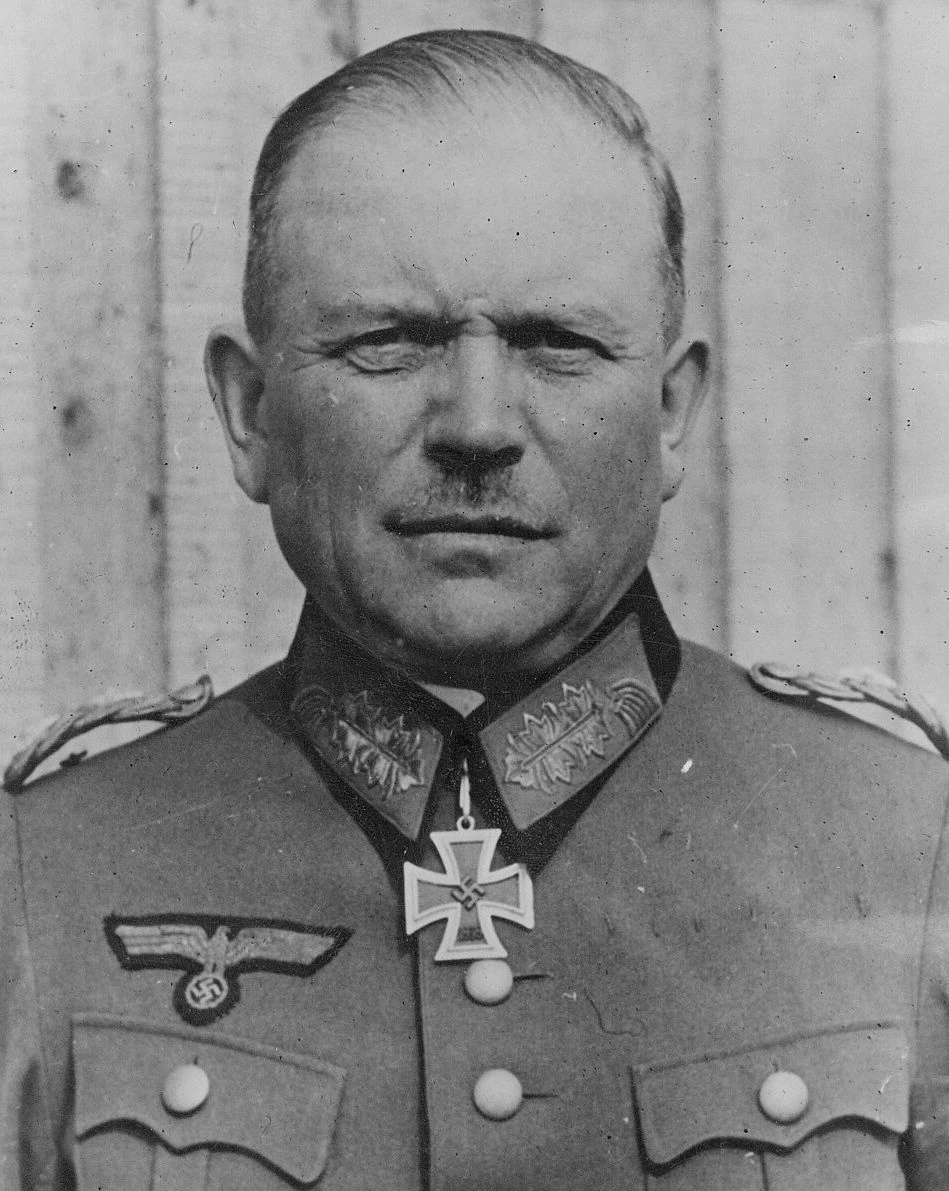
Brześć — Plisowski faces Guderian
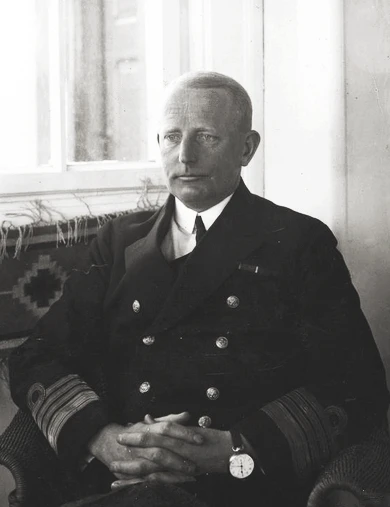
Hel — Unrug faces the German envoy
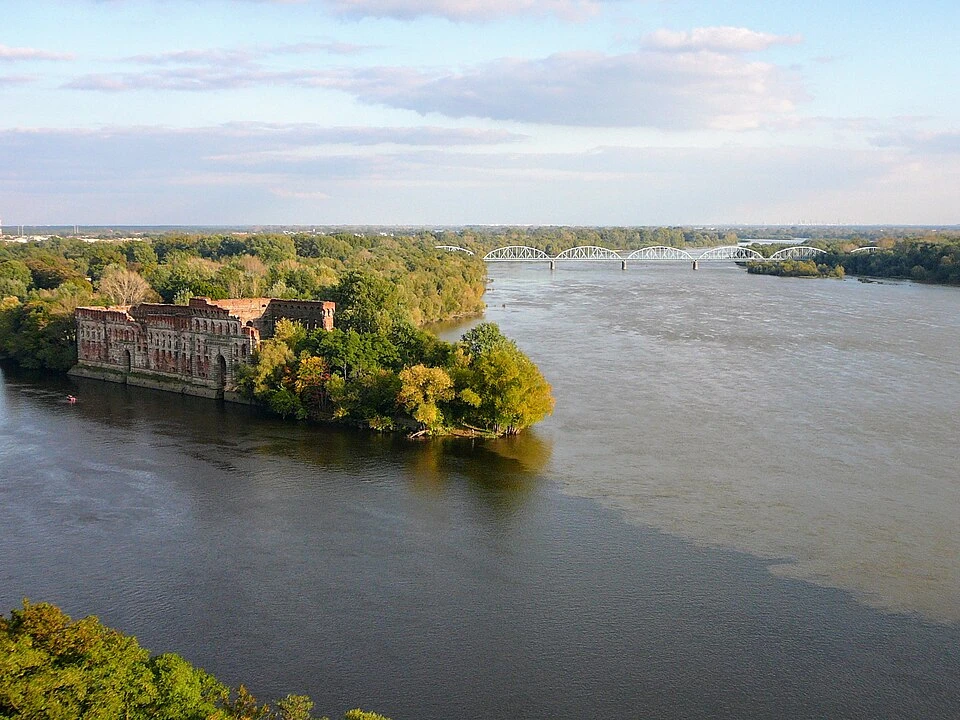
Modlin — Thommée at the last fortress
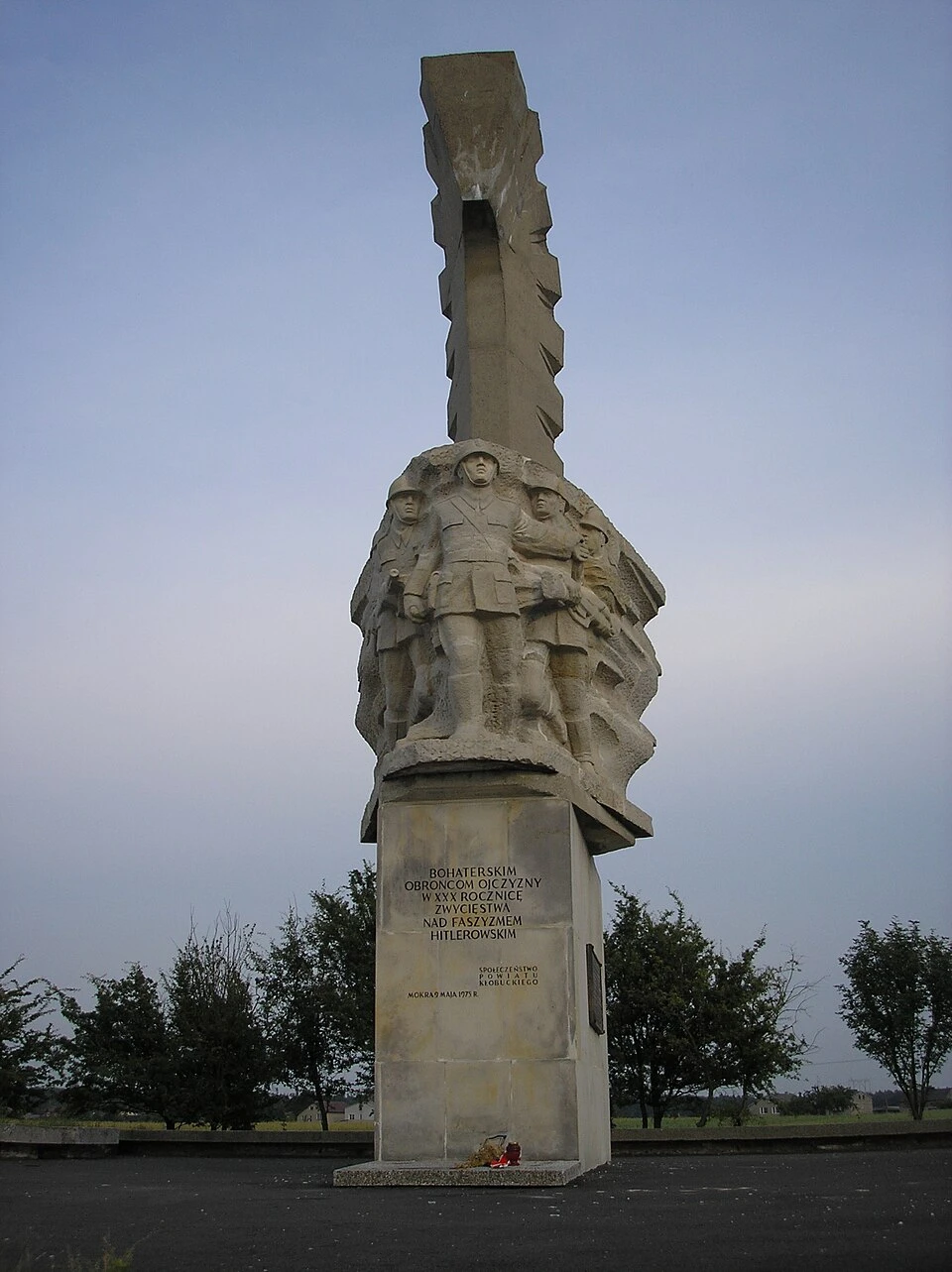
Mokra — Filipowicz and the Volhynian Brigade
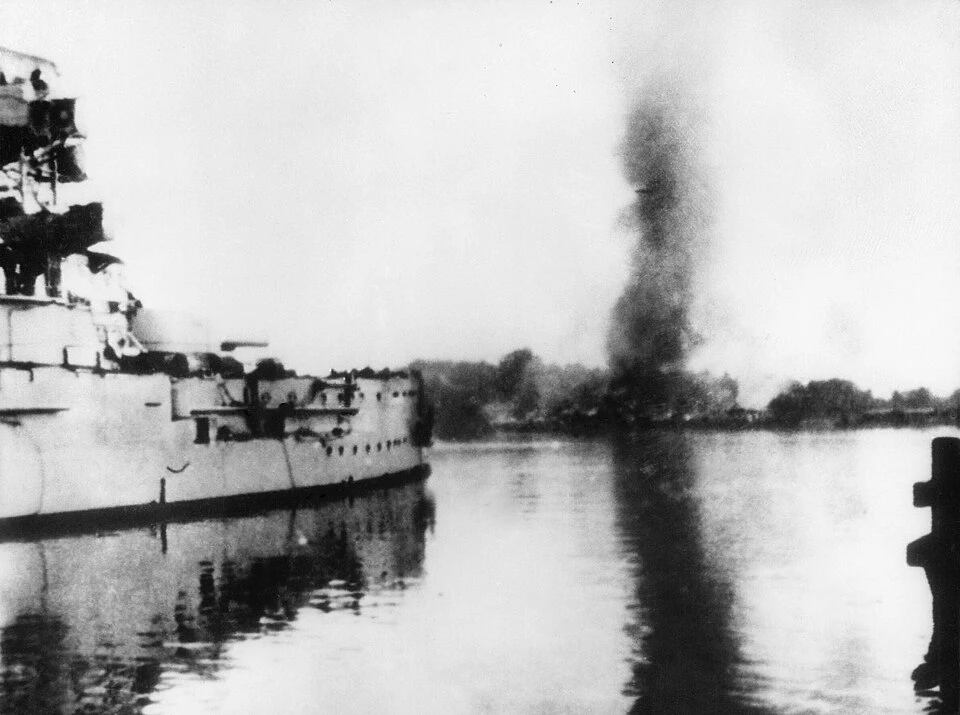
Westerplatte — Sucharski under the Schleswig-Holstein's guns
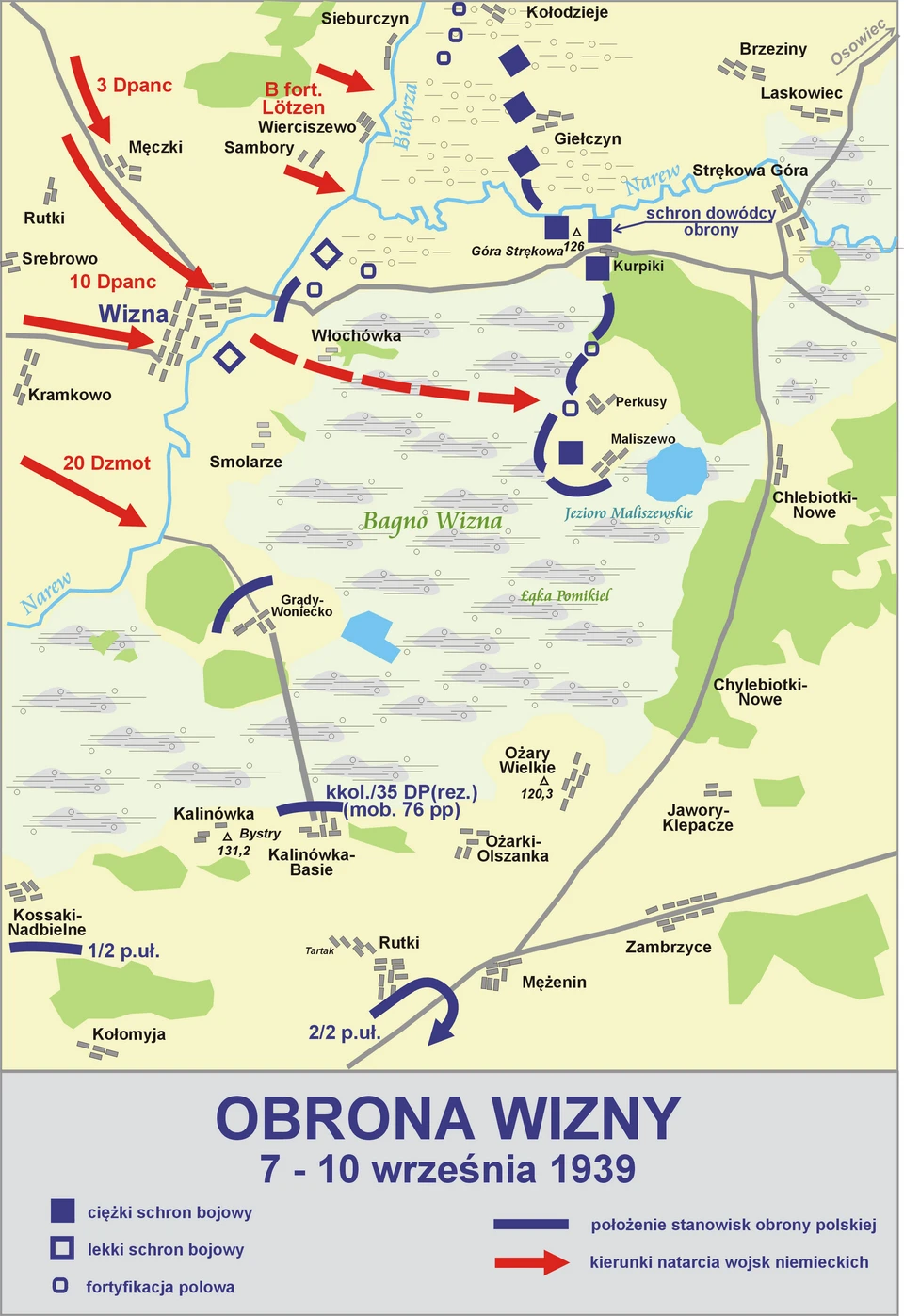
Wizna — Raginis in the Górka bunker
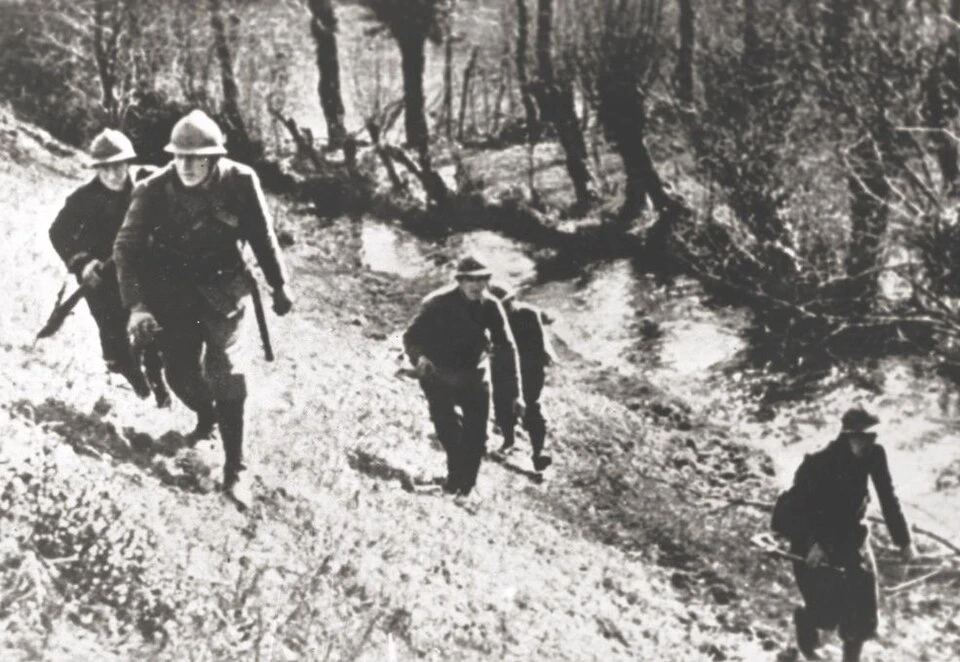
Kock — Kleeberg on the morning of 6 October
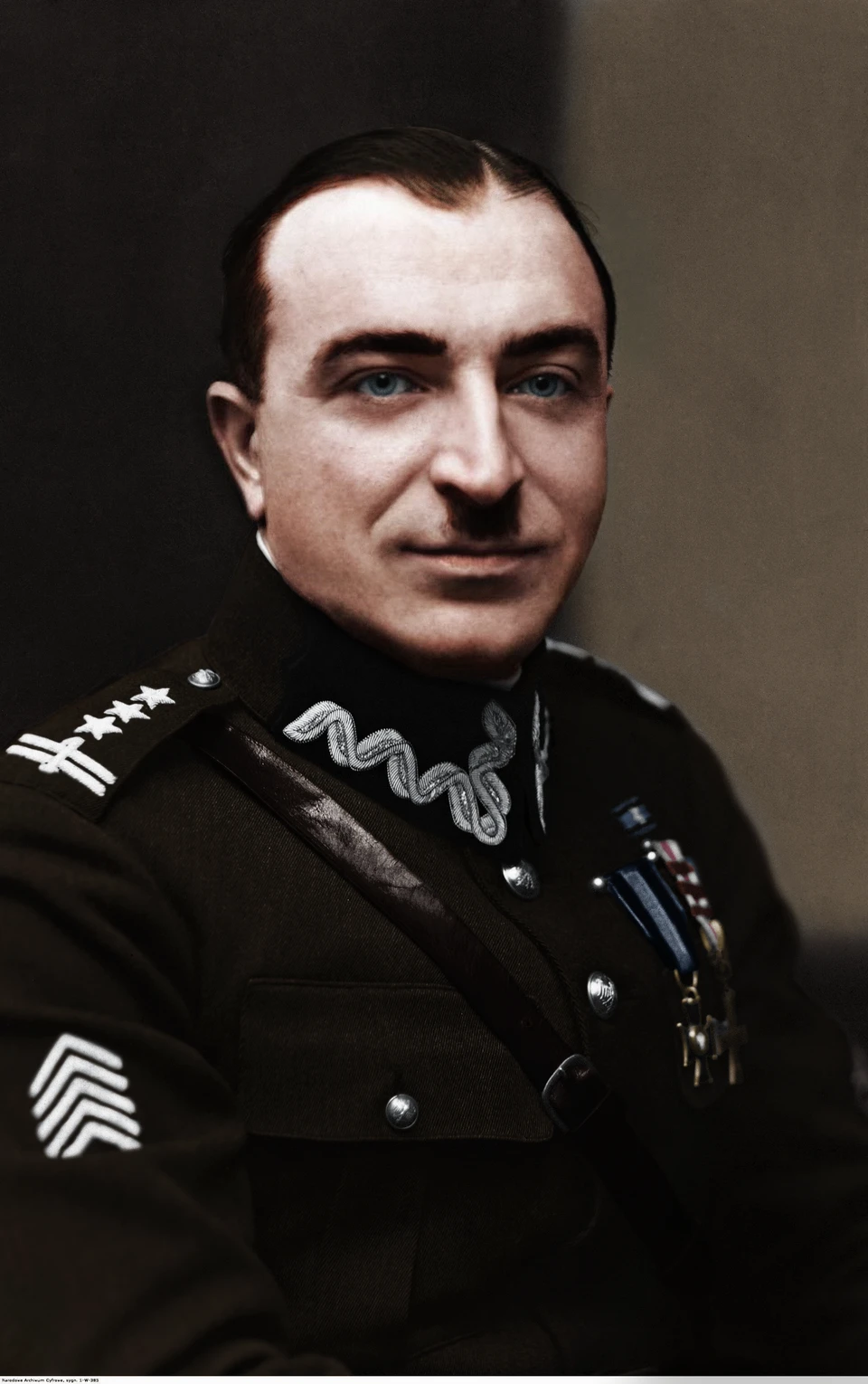
Wytyczno — Orlik-Rückemann after Szack
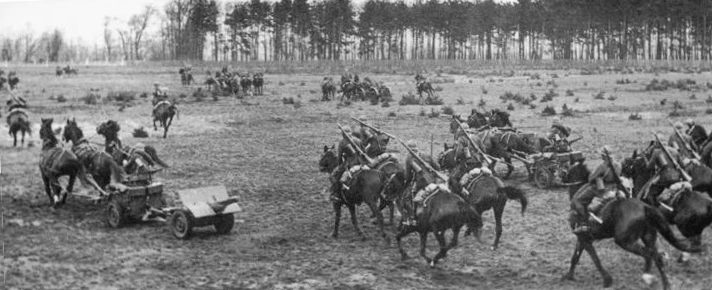
The Bzura — Kutrzeba faces the trap
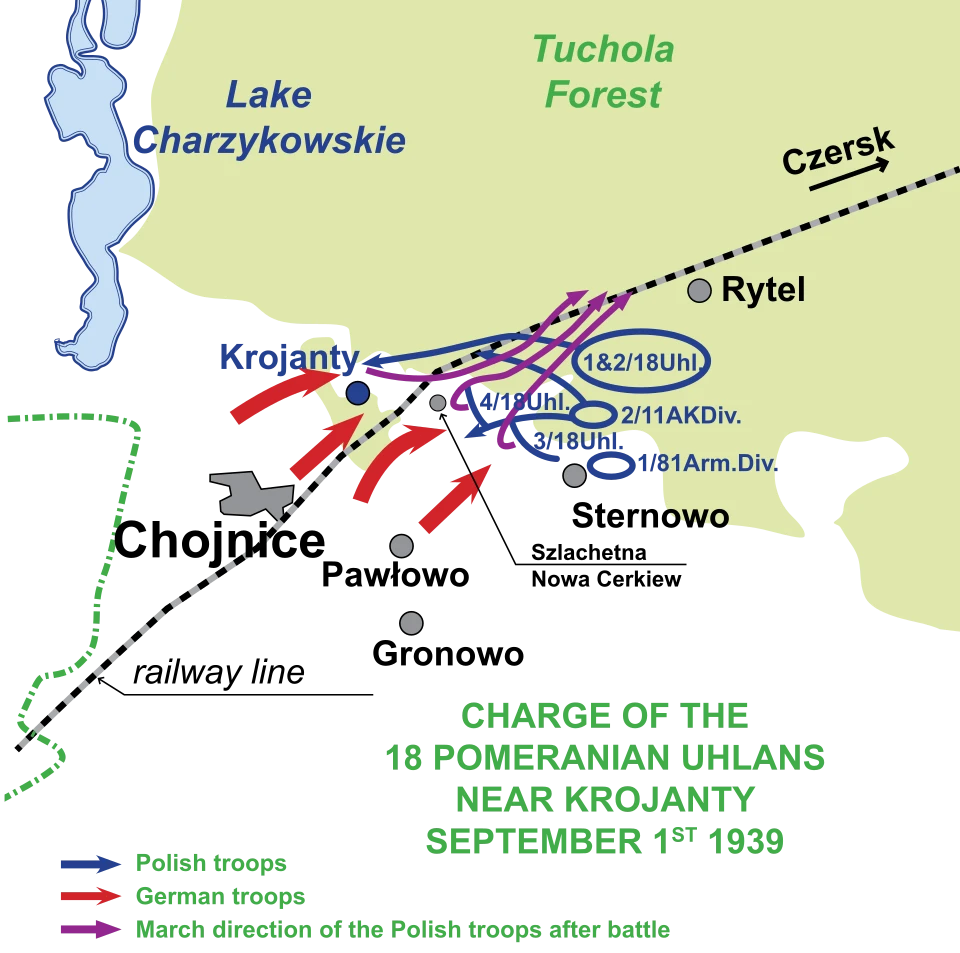
Krojanty — Mastalerz and the 18th Uhlans
Brześć — Plisowski faces Guderian
Hel — Unrug faces the German envoy
Modlin — Thommée at the last fortress
Mokra — Filipowicz and the Volhynian Brigade
Westerplatte — Sucharski under the Schleswig-Holstein's guns
Wizna — Raginis in the Górka bunker
Kock — Kleeberg on the morning of 6 October
Wytyczno — Orlik-Rückemann after Szack
The Bzura — Kutrzeba faces the trap