
, Finnish Prime Minister, arrives in Moscow on 7 March 1940 with his delegation — , , — for the final negotiations of the Winter War. The fighting has dragged on for 105 days.
Soviet terms harden by the hour, fuelled by the Lähde breakthrough and the imminent capture of Vyborg. On 11 March, Molotov tables his definitive version: cession of the Karelian Isthmus, of Vyborg, Sortavala, the northern shores of Lake Ladoga, the Salla-Kuusamo lands, and a 30-year lease on Hanko. Total: 35,000 km² (11% of the territory), 422,000 refugees to evacuate.
Ryti consults Helsinki by telephone. Marshal Mannerheim confirms that the army cannot hold another fifteen days. President Kallio and Mannerheim agree: it must be signed. It remains for Ryti to define the form of the signature and the public Finnish posture.
The session is set for 23:00 on 12 March. The delegation enters the Kremlin chamber not knowing whether Moscow will demand, at the last moment, a secret protocol comparable to that of the Nazi-Soviet Pact.
What posture do Ryti and his delegation adopt in the signing chamber?
Ryti applies B. At 23:00 on 12 March, the peace treaty is signed; no secret protocol is annexed. The Finnish communiqué declares: "Finland retains her independence, her regime, her honour." Peace takes effect on 13 March at 11:00 (Helsinki time). Casualties: 25,904 Finnish dead, 131,476 Soviet dead (post-1991 figures). Finland survives as an independent state — a unique phenomenon in central and eastern Europe 1939-1945. Mannerheim returns to Helsinki on 14 March, cheered by 200,000 people. Tanner argues for a rapprochement with Sweden and Britain; Ryti, for a German rapprochement that will take shape in the Continuation War (June 1941). Ryti becomes President of the Republic in December 1940. The Moscow Peace remains for Finland both a trauma and a myth of resilience — the Talvisotahenki ("Winter War spirit").
Learn more about this event
Related polls
10
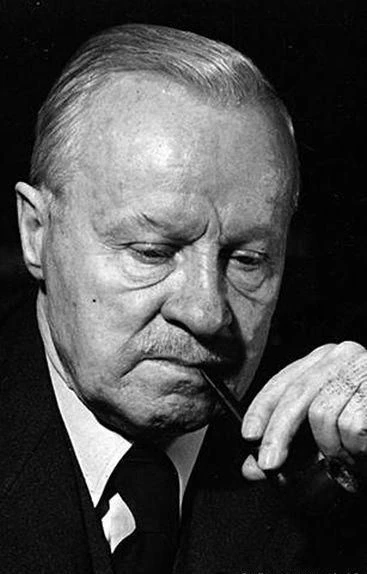
Tanner in Moscow — the delegation of 6 March
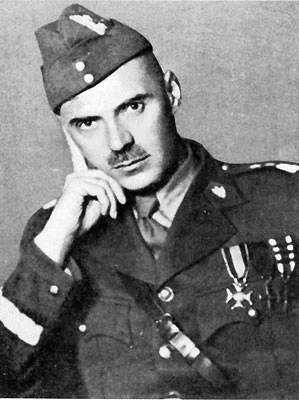
Anders in the Lubyanka
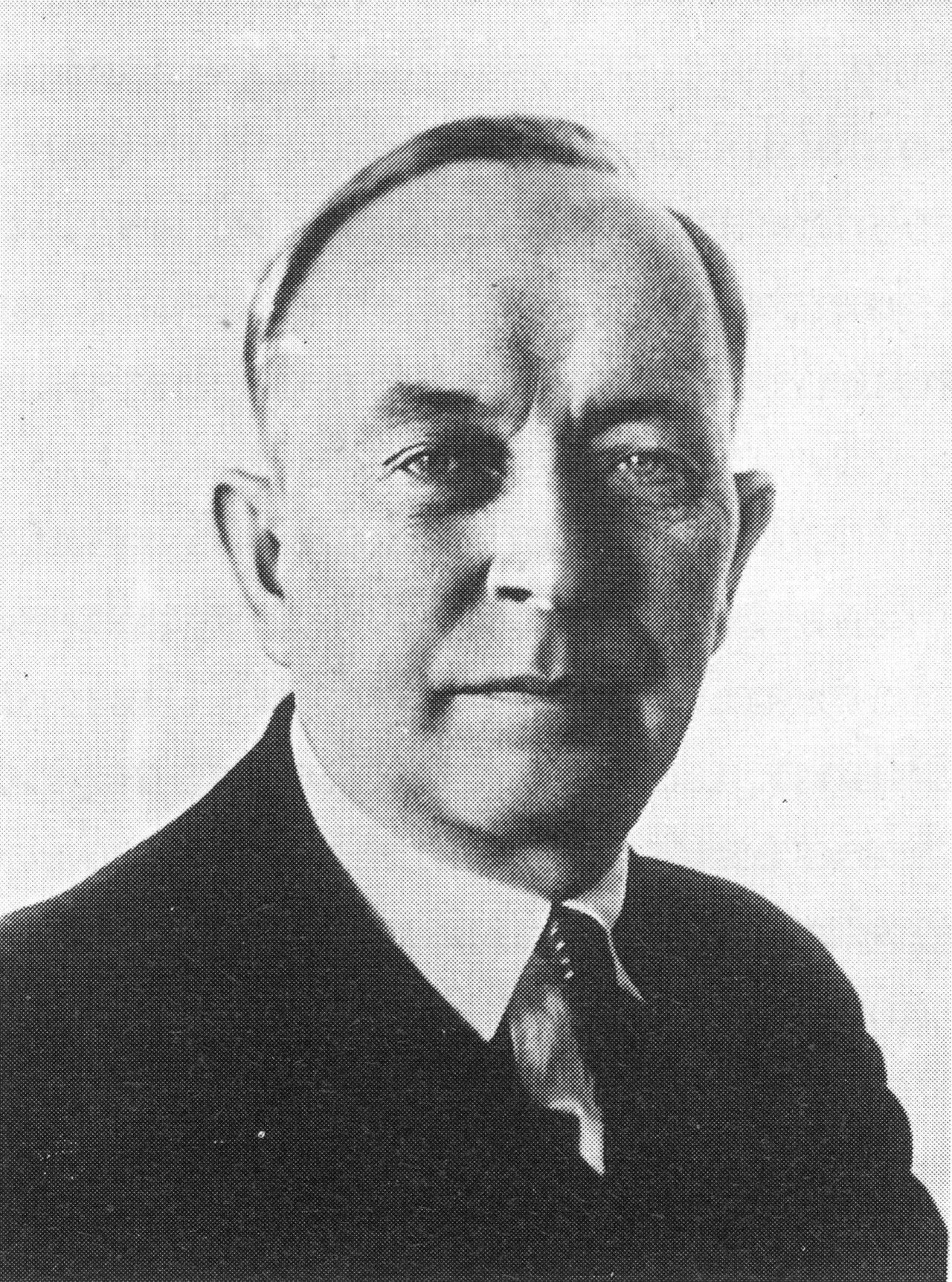
Kuusinen — Terijoki, 1 December
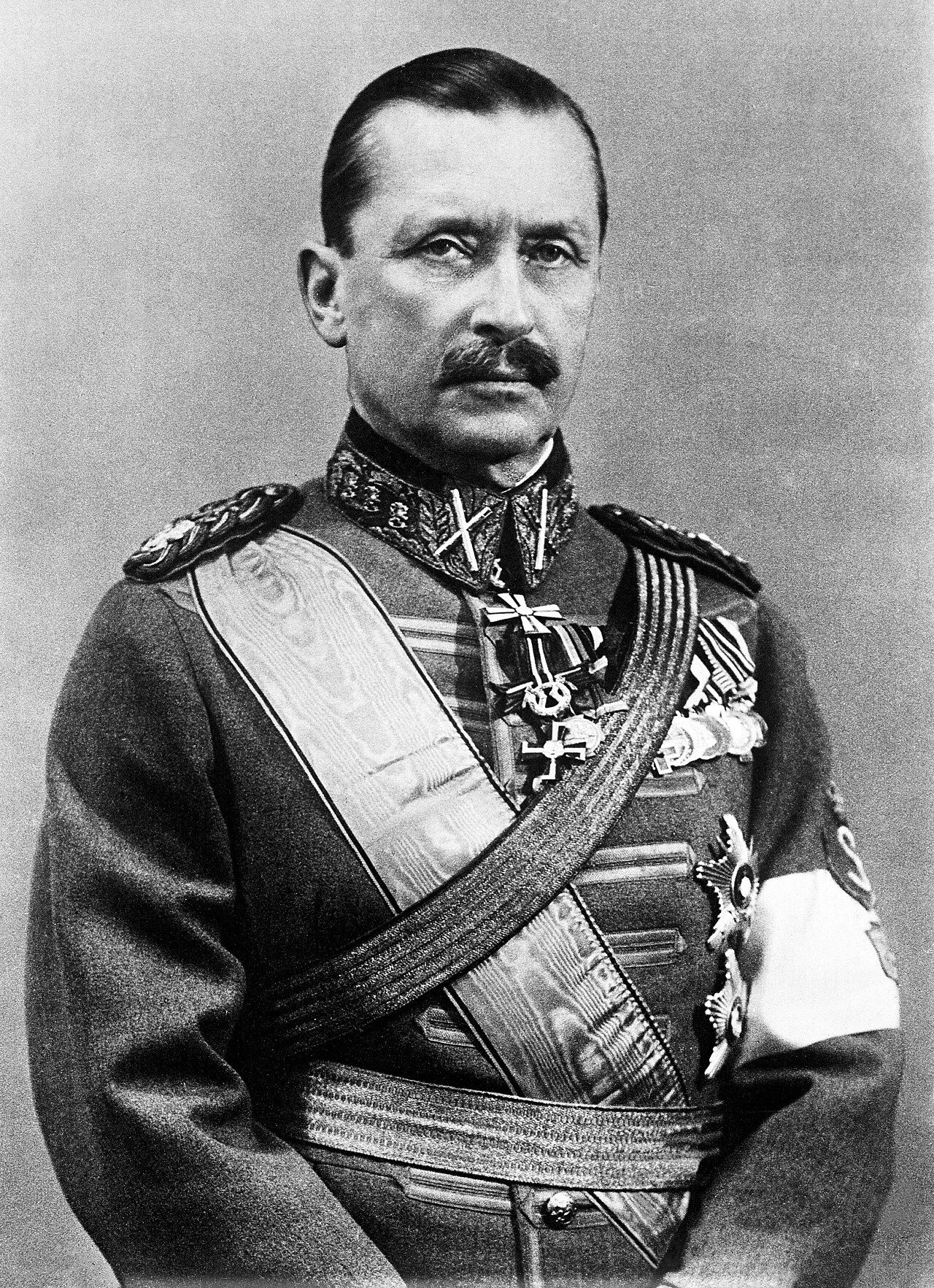
Mannerheim to the Ryti government — 28 February
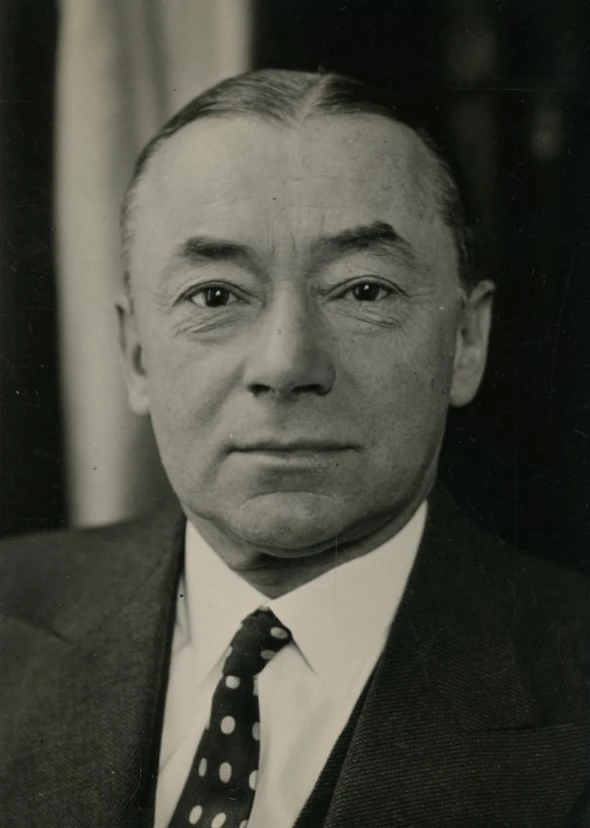
Reynaud — Matignon 21 March
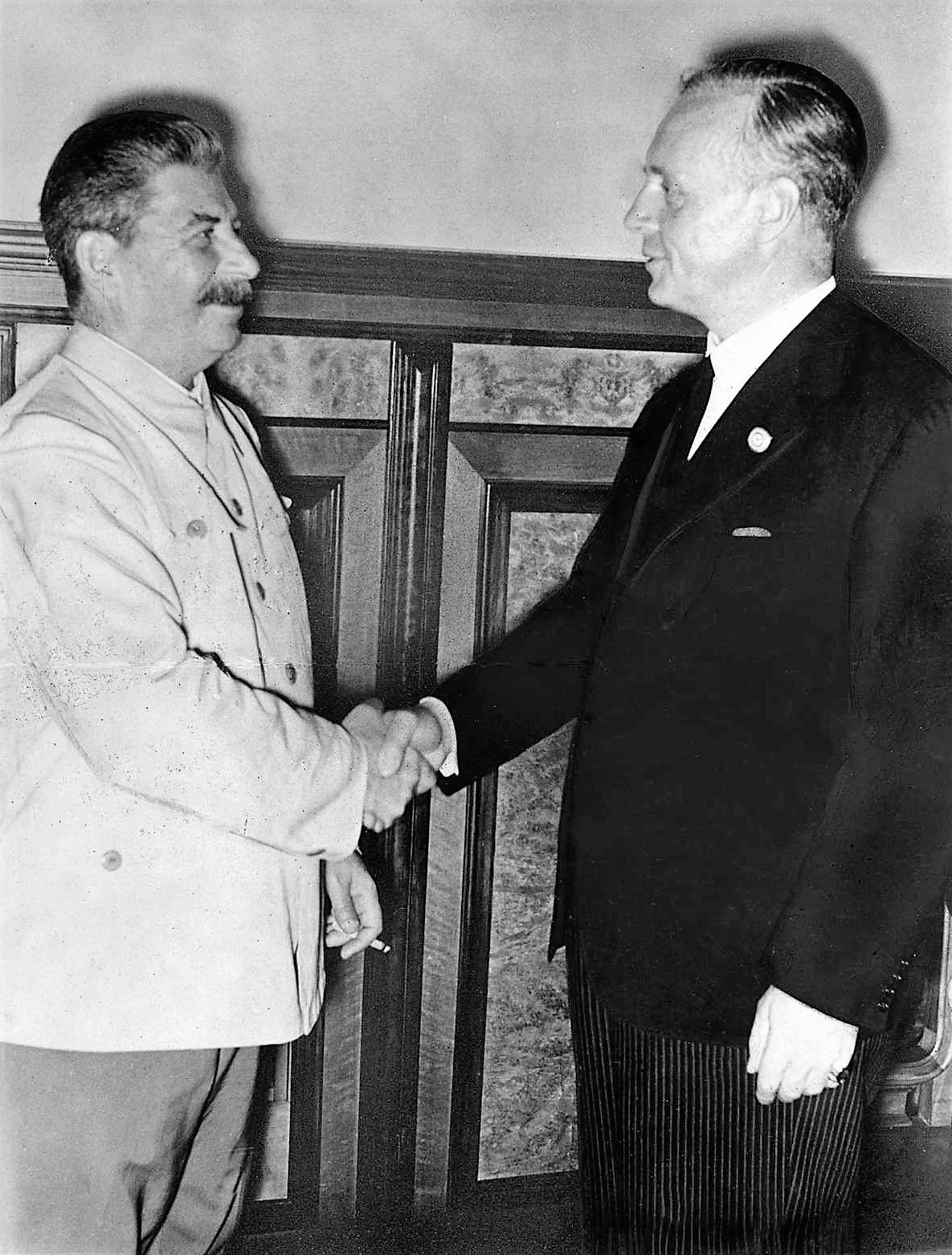
Ribbentrop in Moscow — the Accord of 28 September
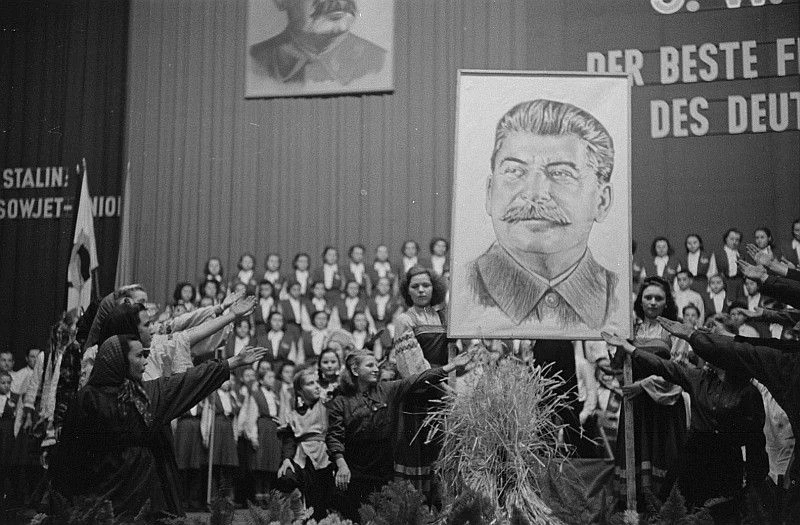
Stalin at 60 — Hitler at the Kremlin
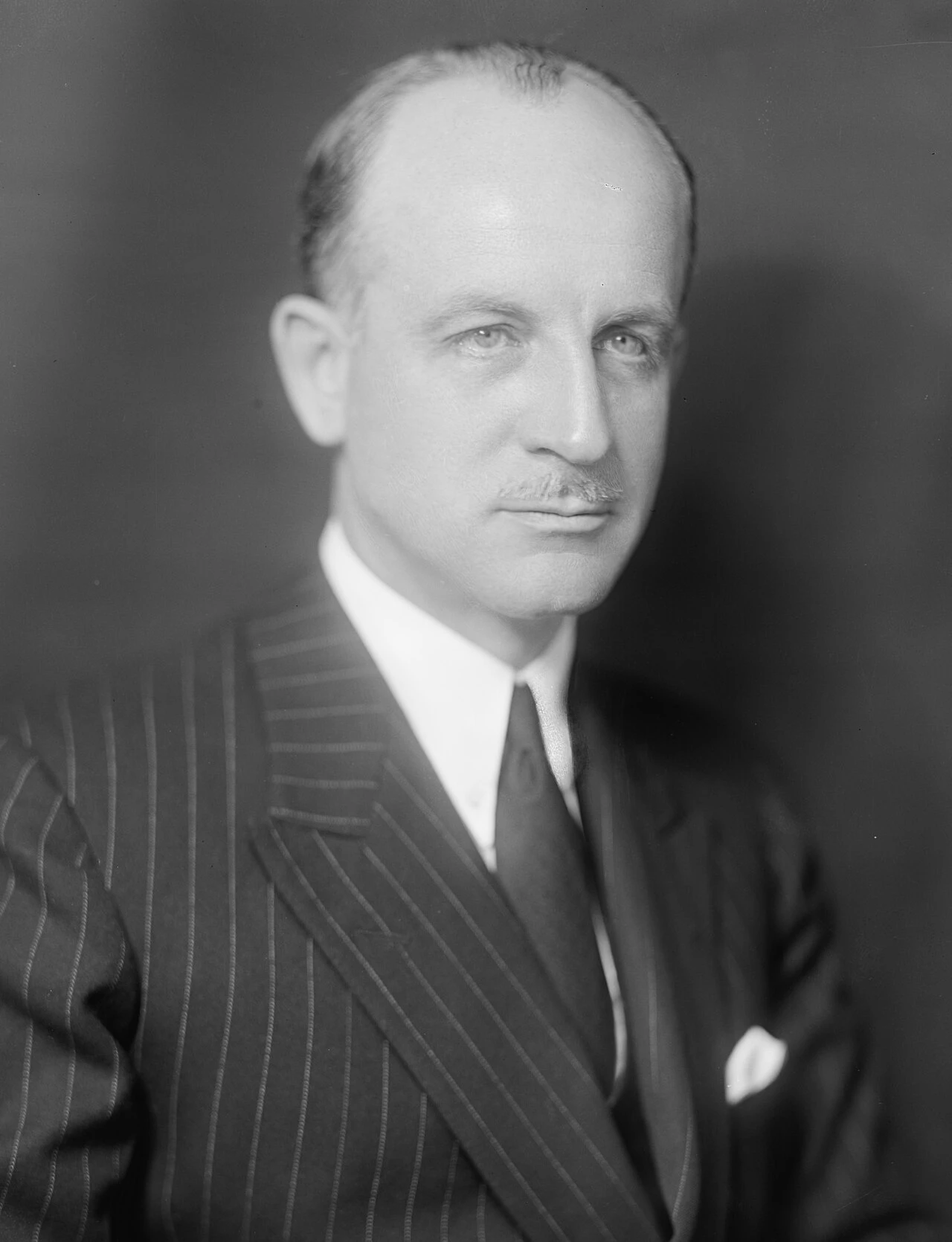
Welles in London — 11-13 March
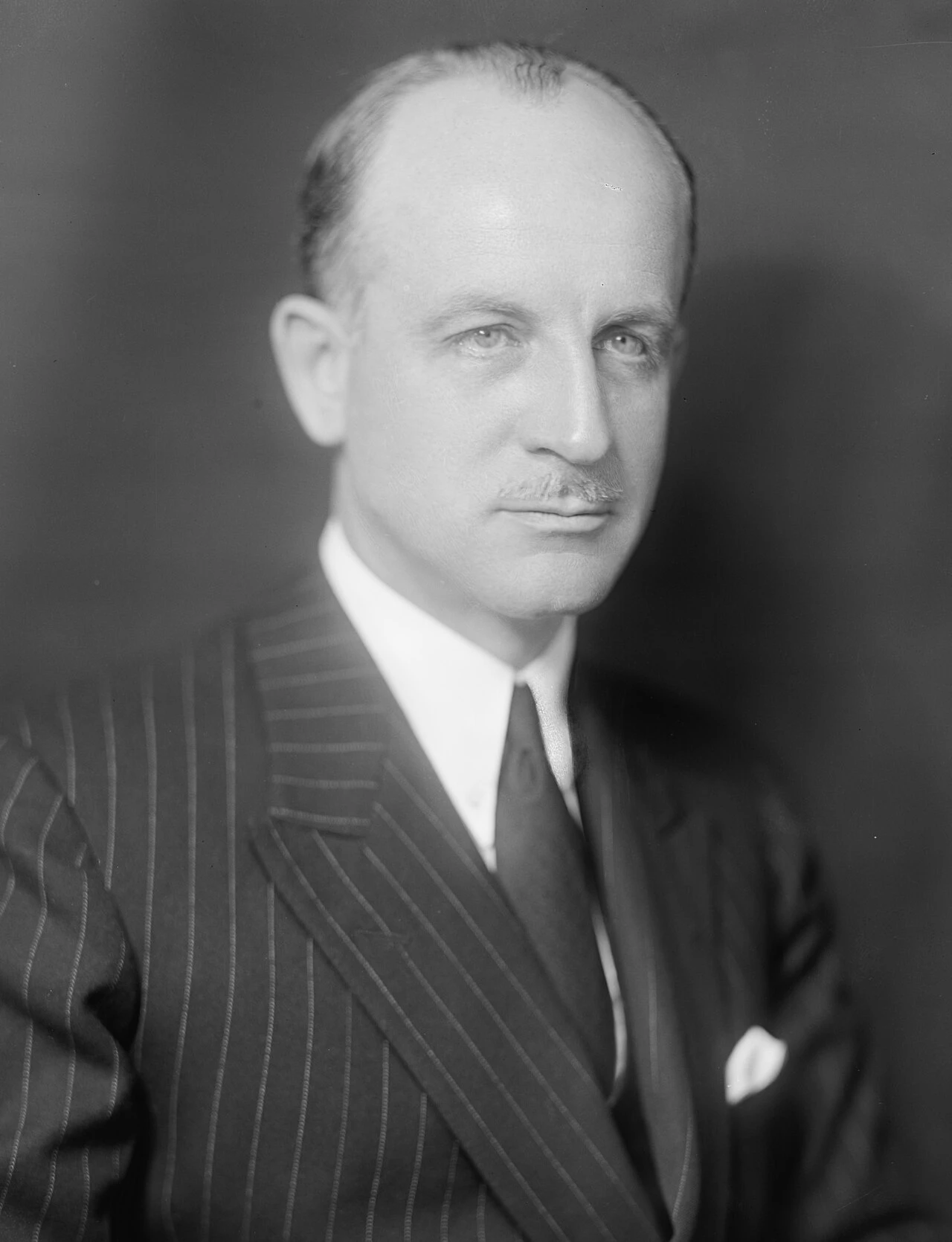
Welles with Hitler — 2 March 11:00
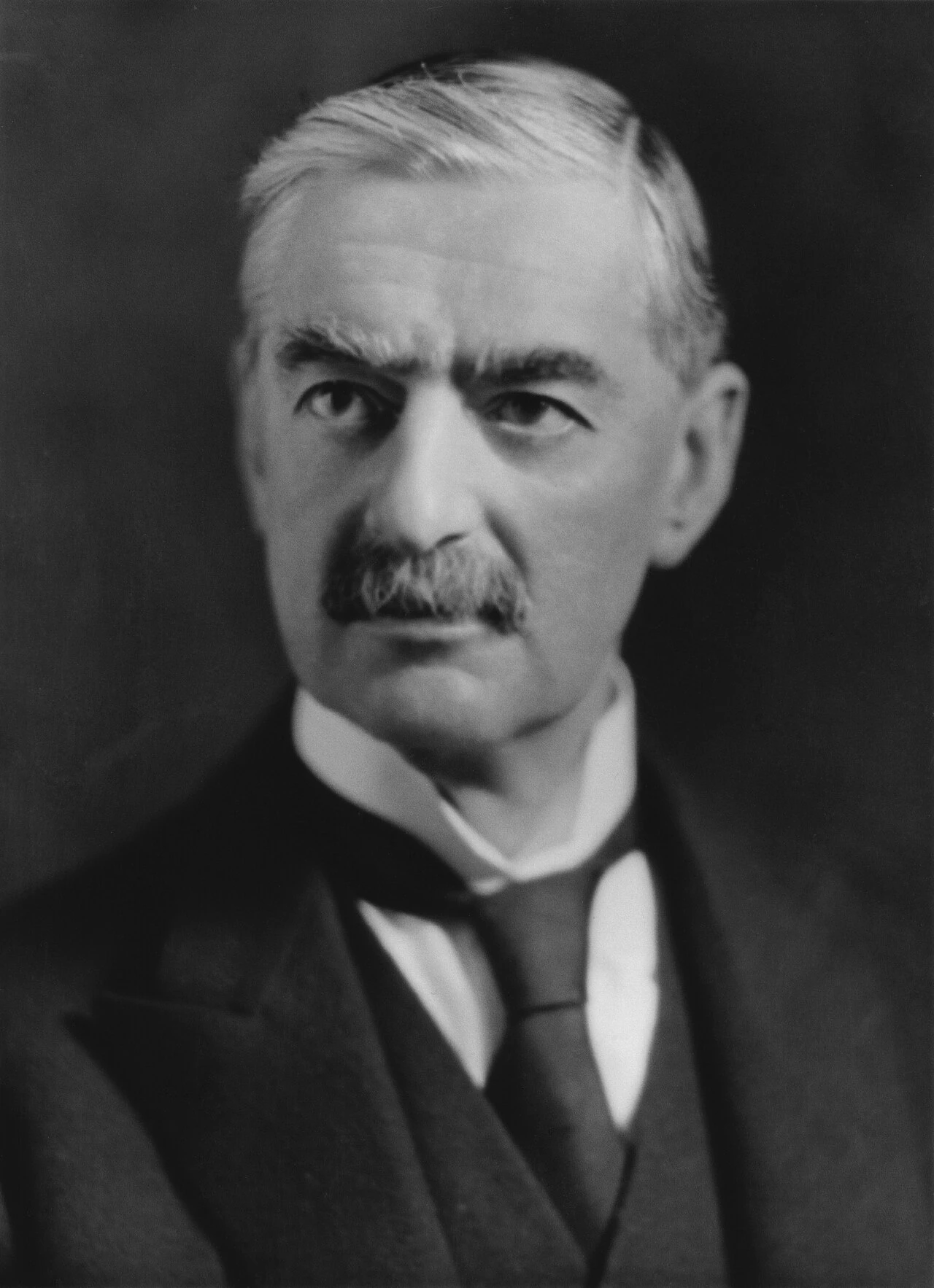
Chamberlain at Central Hall — 4 April
Tanner in Moscow — the delegation of 6 March
Anders in the Lubyanka
Kuusinen — Terijoki, 1 December
Mannerheim to the Ryti government — 28 February
Reynaud — Matignon 21 March
Ribbentrop in Moscow — the Accord of 28 September
Stalin at 60 — Hitler at the Kremlin
Welles in London — 11-13 March
Welles with Hitler — 2 March 11:00