
The League of Nations faces Soviet aggression
Born of the Treaty of Versailles in 1919, the League of Nations has been dying since Munich, in 1938. The absence of the United States, whose Senate refused ratification in 1920, then the successive withdrawals of Japan and Germany in 1933 and Italy in 1937, have drained the organisation of its substance. The Soviet invasion of Poland in September 1939, and that of Finland on 30 November, place it before an existential question: can it act against one of the permanent members of its Council?
, Finnish Prime Minister since 2 December 1939, files an official complaint against the USSR on 3 December. The extraordinary Assembly of the League meets in Geneva from 9 to 14 December 1939. Secretary-General , a 50-year-old Frenchman and former financial attaché in London, must steer a delicate session: the USSR refuses to send any delegation and denounces a "fascist anti-Soviet war of British imperialism".
On 14 December the Council Committee votes to expel the USSR — the first such expulsion in League history. Seven votes in favour: the United Kingdom, France, Belgium, Egypt, the Dominican Republic, South Africa and Bolivia; none against; twelve states abstaining, including the United States (present as an observer), and Sweden, Norway and Denmark, fearing Soviet reprisals. The quorum is met; the vote is valid.
Within an institution already largely discredited, Avenol must decide on the spot what to do next.
How should Avenol and the Secretariat handle the consequences of this expulsion?
Avenol applies B. A sober official communiqué, with no call for concrete sanctions. The League organises no economic embargo and no arms shipments to Finland — actual deliveries come from individual countries (Sweden, France, the United Kingdom) outside the League framework. The organisation has lost all operational authority. Avenol resigned in July 1940 after the French collapse, replaced by (an Irishman) who kept the organisation on life support until 1946, when it was officially dissolved in favour of the UN. The Soviet expulsion of 14 December 1939 remains a symbolic act with no practical follow-up. But it has historic weight: it is the first time a great power has been sanctioned by an international organisation for aggression against a sovereign state. The precedent will be invoked in 1990-1991 by UN Security Council Resolution 660 against Iraq.
Learn more about this event
Related polls
10
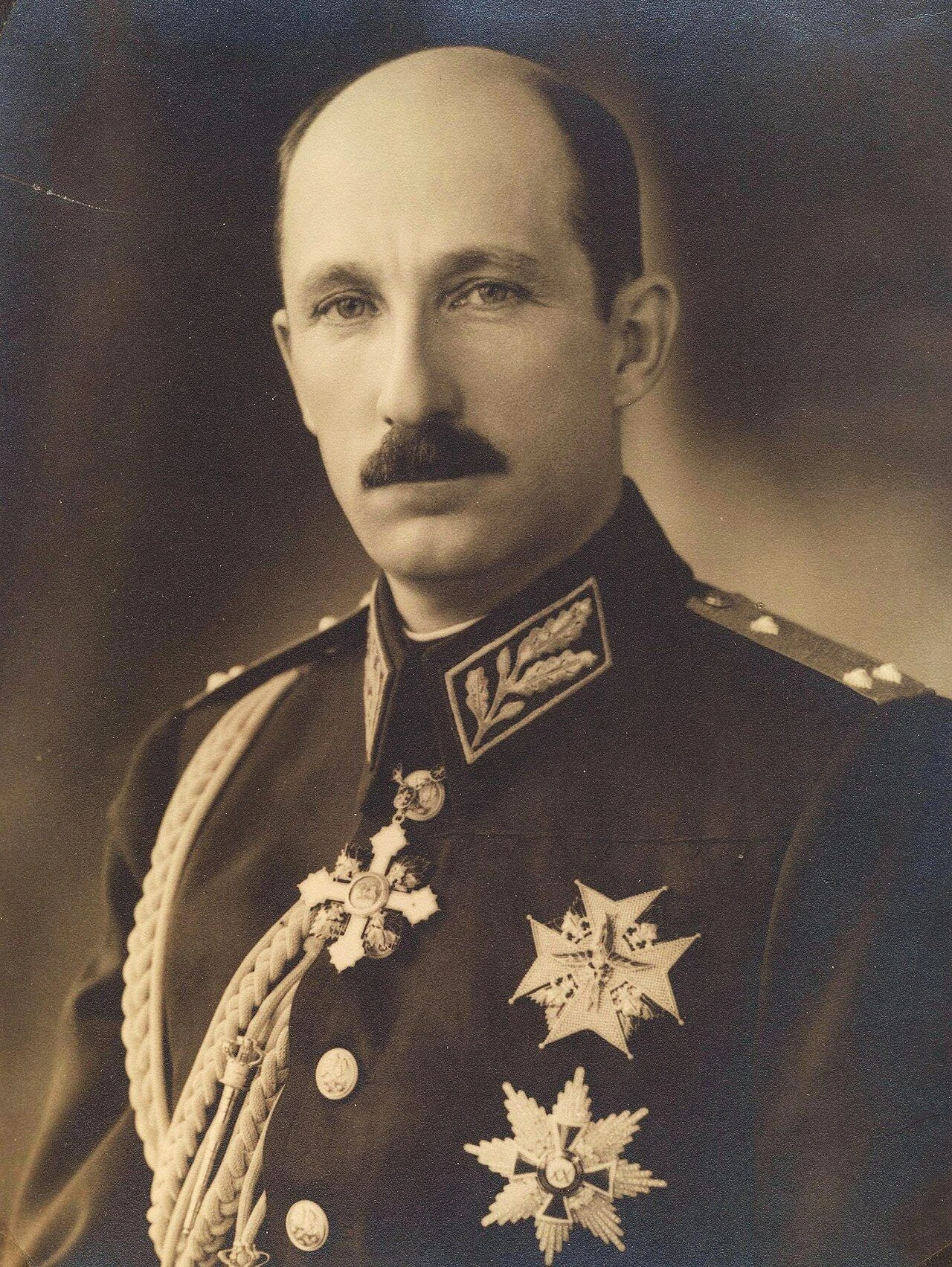
Boris III — the Bulgarian balancing act
Carol II in Bucharest — the Romanian balance
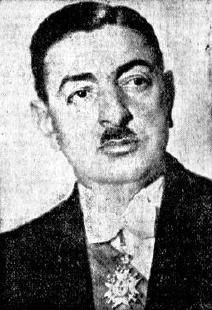
Cvetković under pressure
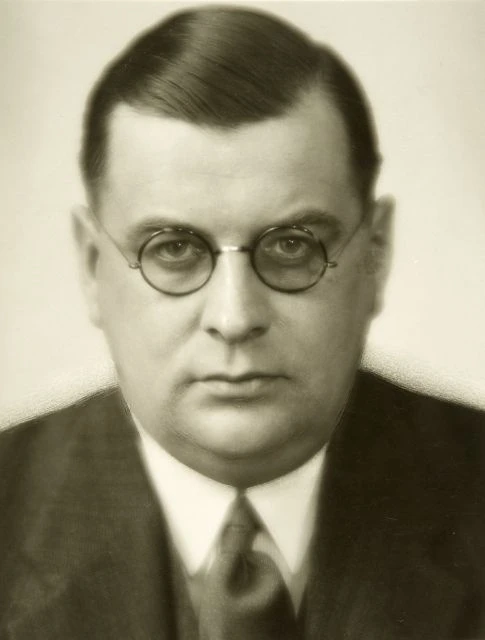
Erkko — the minister of 1 December
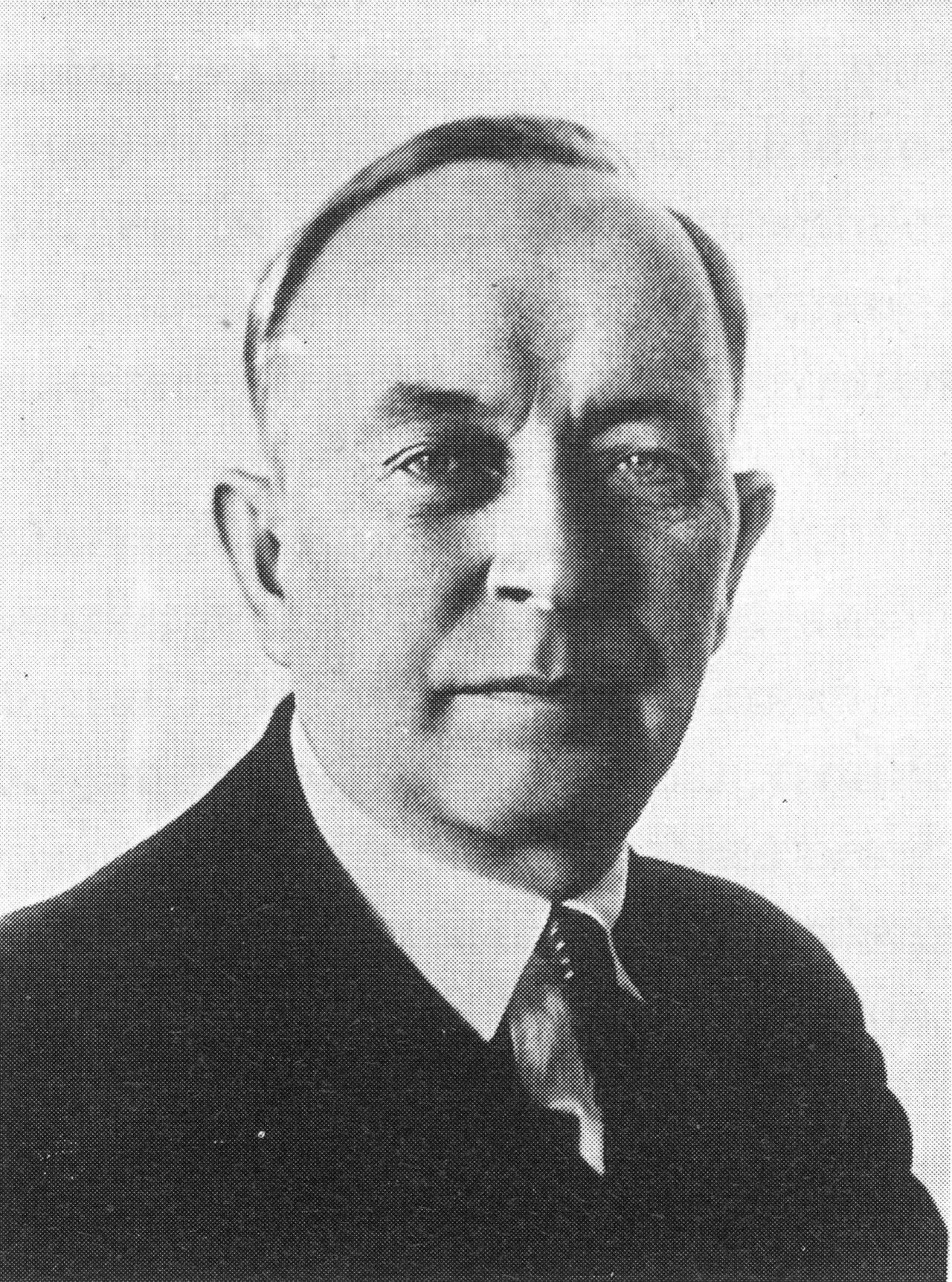
Kuusinen — Terijoki, 1 December
Müller in Rome — the Vatican channel
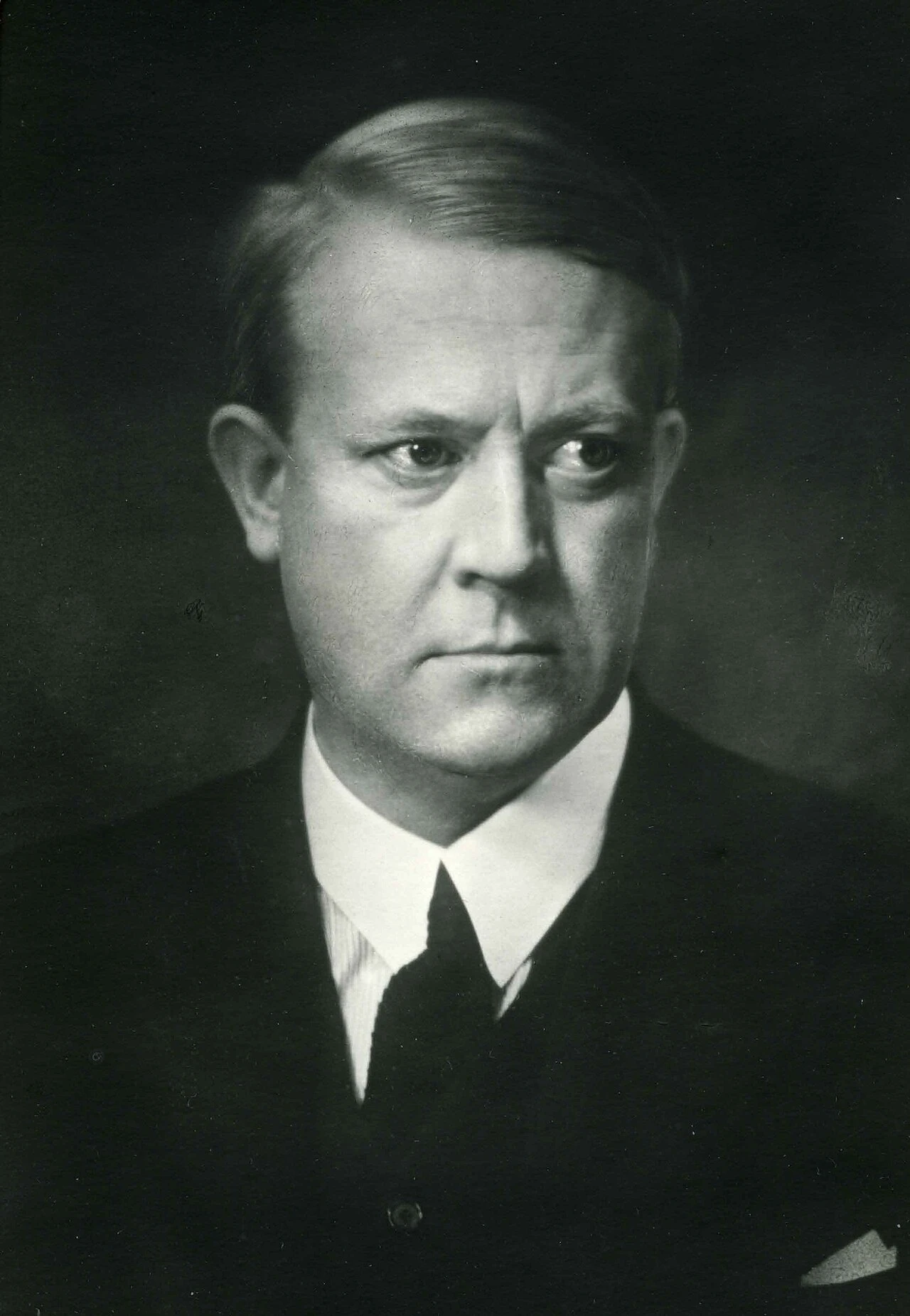
Quisling in Berlin — facing Rosenberg
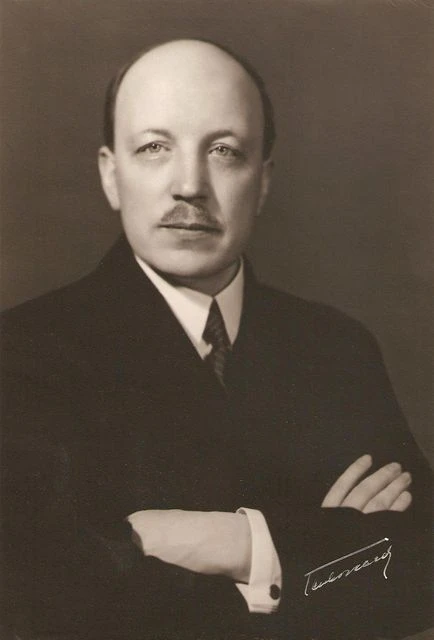
Ryti — Prime Minister on 2 December
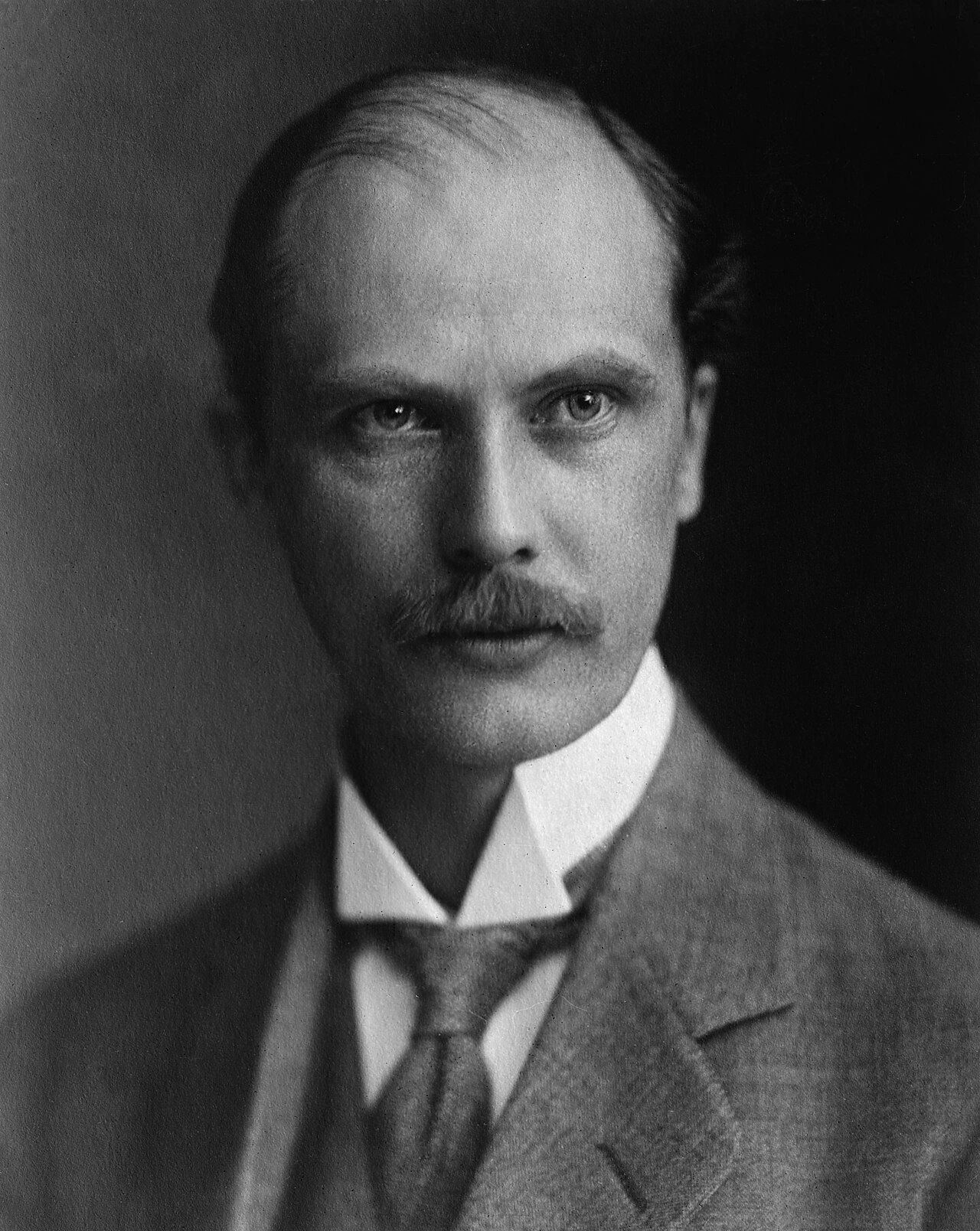
Sandler against the Hansson Council
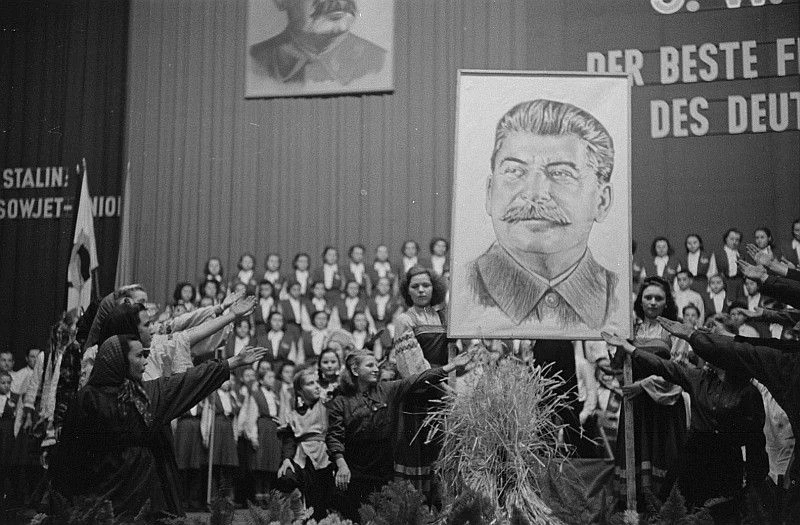
Stalin at 60 — Hitler at the Kremlin
Boris III — the Bulgarian balancing act
Carol II in Bucharest — the Romanian balance
Cvetković under pressure
Erkko — the minister of 1 December
Kuusinen — Terijoki, 1 December
Müller in Rome — the Vatican channel
Quisling in Berlin — facing Rosenberg
Ryti — Prime Minister on 2 December
Sandler against the Hansson Council