
The Polish Second Bureau in Besieged Warsaw
In late September 1939, Warsaw is encircled and pounded by the Wehrmacht. The government and high command left the capital as early as 5 September, falling back to the south-east; by the 14th they have already crossed the Romanian border. In the city defended by General , what remains of Oddział II, the Second Bureau of the general staff, is trying to put its files and personnel out of reach of an imminent capture by the Abwehr, which is hunting down the Polish archives.
An officer of the service knows the city is lost: the capitulation of Warsaw is only a matter of days. The exit routes to the south, towards Romania or Hungary, remain passable for the moment, but they could close at any time, and each passing day makes the crossing more uncertain.
Three courses of action are open to him: reach Romania or Hungary to try to rebuild the service beyond the borders, remain in the city clandestinely to set up a network on the spot, or cease fighting and surrender. Each engages the fate of the files, of the men, and of the Polish intelligence service's ability to survive defeat.
As the siege draws to a close, what does the intelligence officer do?
The actual order was evacuation: via the "Romanian bridgehead" arranged to let the cadres of the army and administration reach the south and then France, most of the senior staff of Oddział II and the Cipher Bureau made their way to Romania and Hungary, then to France, where Polish intelligence resumed its work (notably the effort on Enigma at the PC Bruno station near Paris); the Polish authorities intended to continue the fight in exile. The withdrawal was not without losses: poorly destroyed archives allowed the Abwehr to arrest more than a hundred agents and informants who had stayed behind, many of whom were executed. Rebuilding the service in exile thus prevailed clearly over improvised clandestine operation in the besieged capital.
Learn more about this event
Related polls
10

The Cambridge mathematician sworn to secrecy at Bletchley
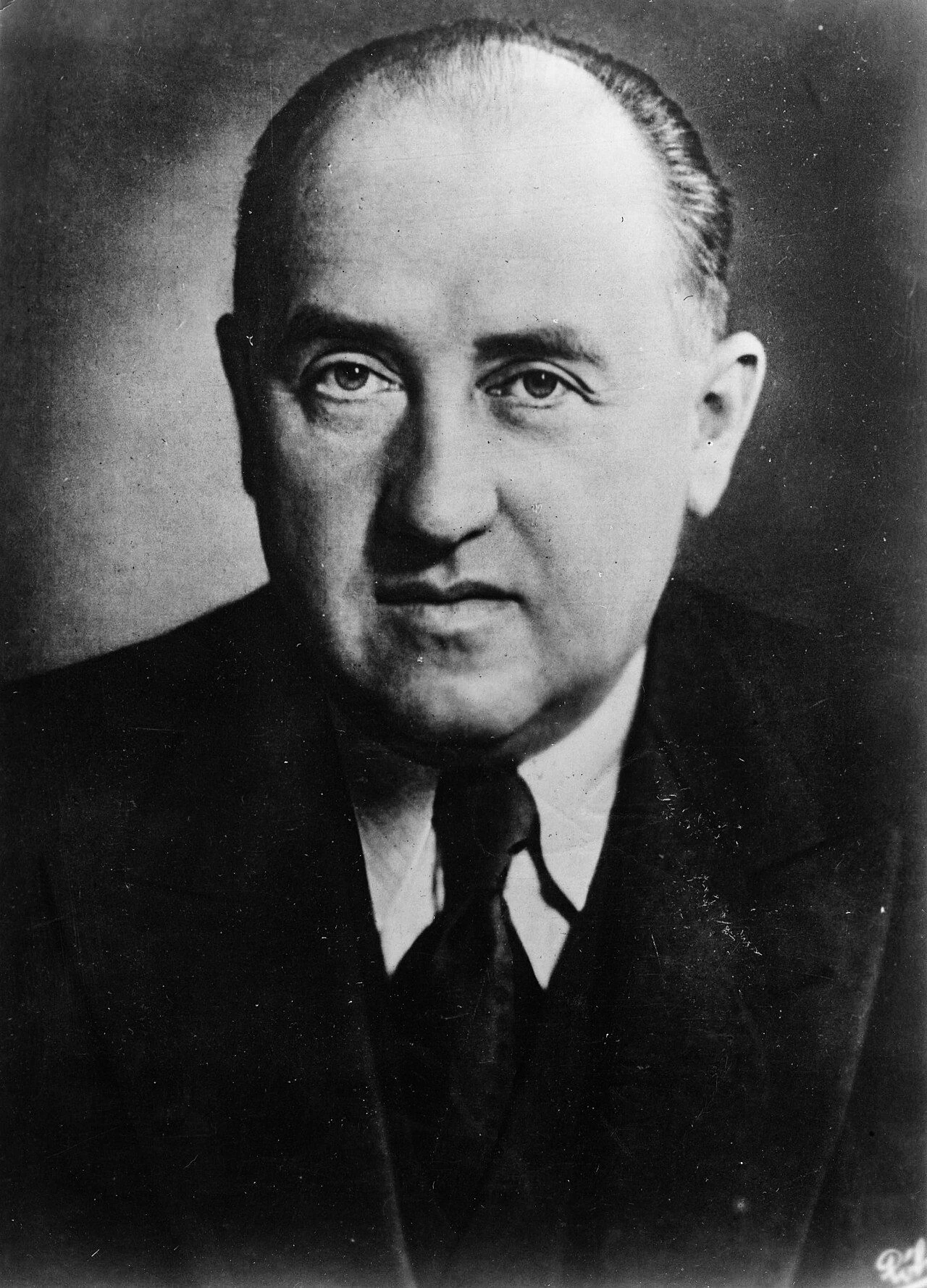
The Gold of the Bank of Poland — the destination of the SS Eocene
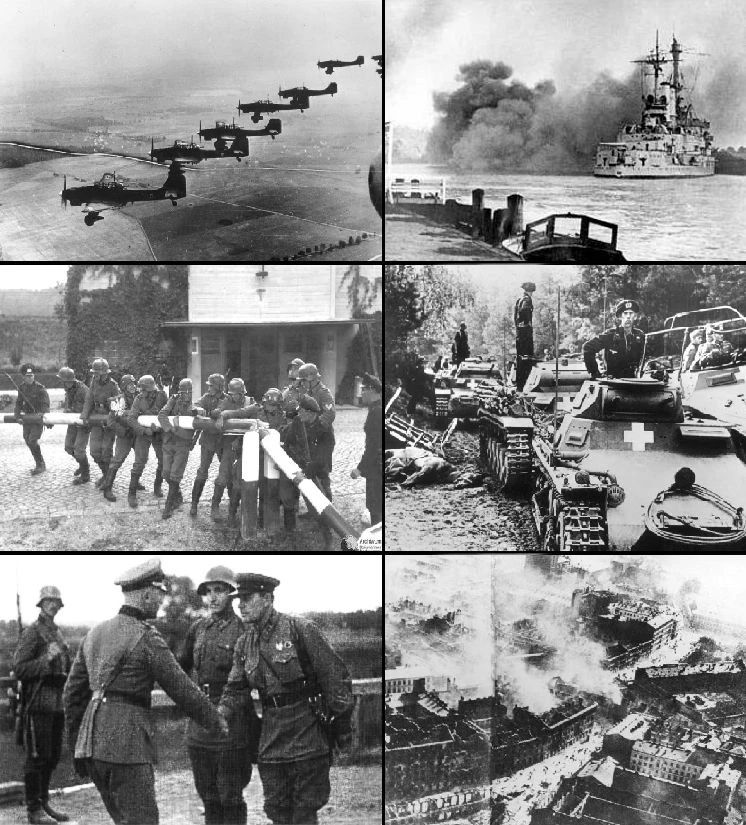
Rydz-Śmigły at Kuty — the directive of 17 September
The Admiralty and the Strasbourg Rumour
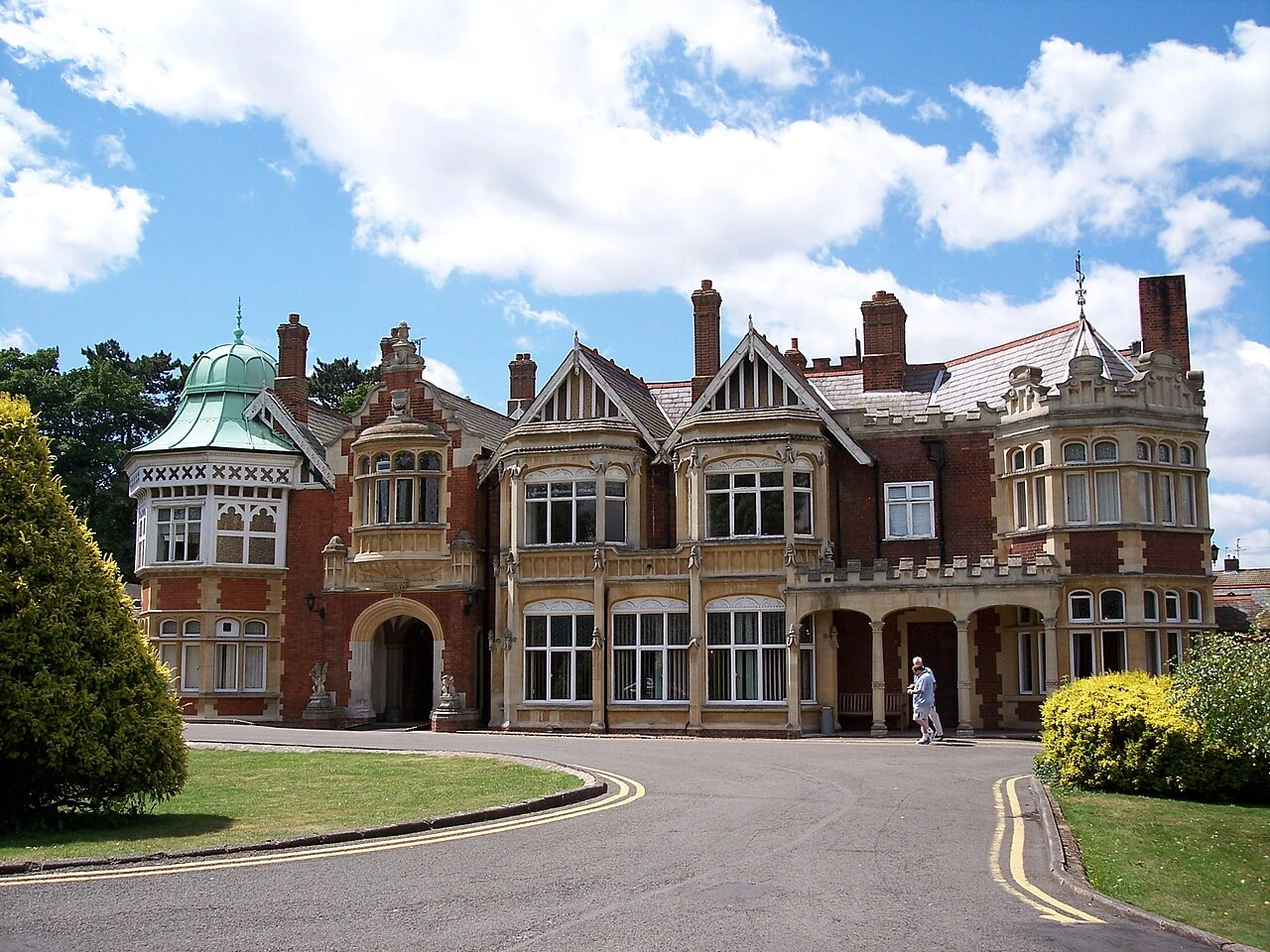
Bletchley breaks the Norway Enigma
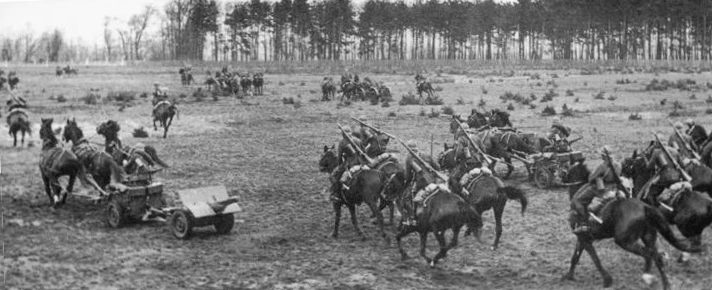
The Bzura — Kutrzeba faces the trap
British Coal for the Winter of 1939
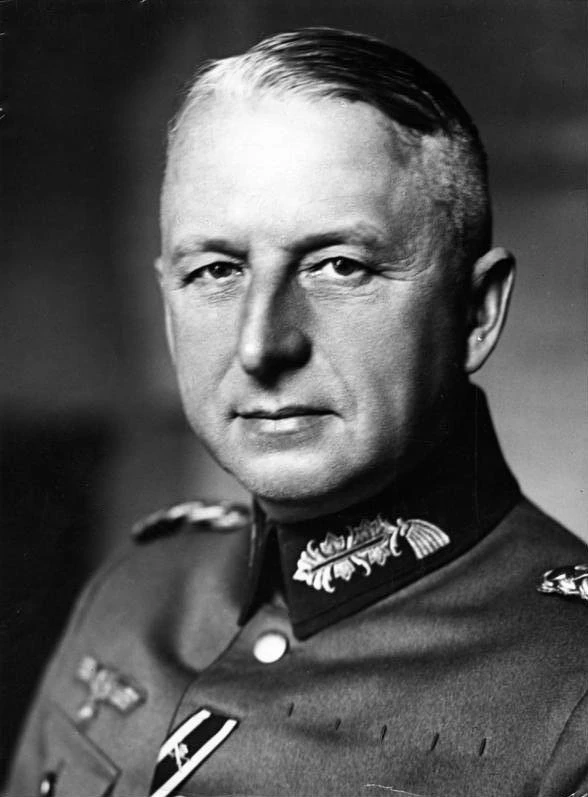
Manstein at Liegnitz — the October memorandum
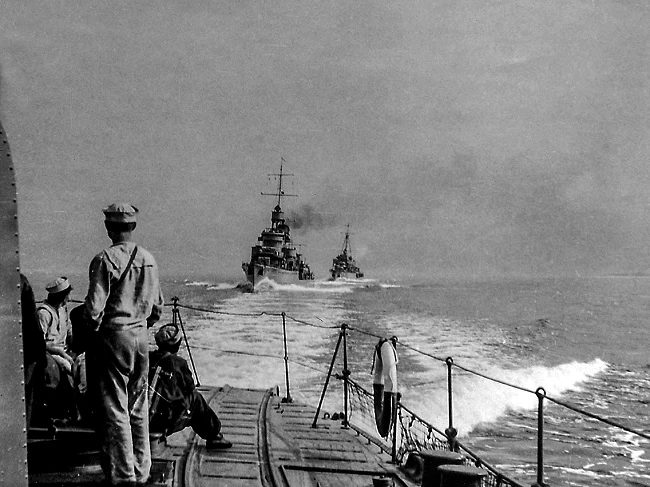
Operation Peking — Stankiewicz Facing the Sound
Poland and Mobilisation
The Cambridge mathematician sworn to secrecy at Bletchley
The Gold of the Bank of Poland — the destination of the SS Eocene
Rydz-Śmigły at Kuty — the directive of 17 September
The Admiralty and the Strasbourg Rumour
Bletchley breaks the Norway Enigma
The Bzura — Kutrzeba faces the trap
British Coal for the Winter of 1939
Manstein at Liegnitz — the October memorandum
Operation Peking — Stankiewicz Facing the Sound