
Rationing Penicillin
Summer 1943. Penicillin, the first truly effective antibiotic, was still produced in tiny quantities: almost all of it was reserved for the armed forces preparing the coming landings. For the civilian share, next to nothing remained, and requests poured in from across the country: doctors, families of dying patients, hospitals.
The War Production Board entrusted , a Boston professor and chairman of the Committee on Chemotherapy, with distributing this remnant. The press soon nicknamed him the 'penicillin czar.' Every vial he allotted was a vial denied to another patient, often doomed.
Keefer had to set a rule of allocation. Should he relieve as many desperate patients as possible in the name of compassion, concentrate the drug in a few centres to scientifically establish its use, or keep the civilian share to a minimum so as to reserve everything for the war effort?
How should the meagre supply of penicillin available to civilians be allocated?
Keefer chose the scientific path (option B). He reserved civilian penicillin for a small number of selected hospitals and required, for each request, a complete medical file: the decision was made 'on a medical, not an emotional basis.' Doses went first to high-mortality cases that had not responded to other treatments, and patients were ranked notably by their 'usefulness for research.' This rigorous, painful but methodical rationing made it possible to quickly establish the antibiotic's indications, dosages and limits, then accelerating its massive deployment in 1944-1945.
Learn more about this event
Related polls
10
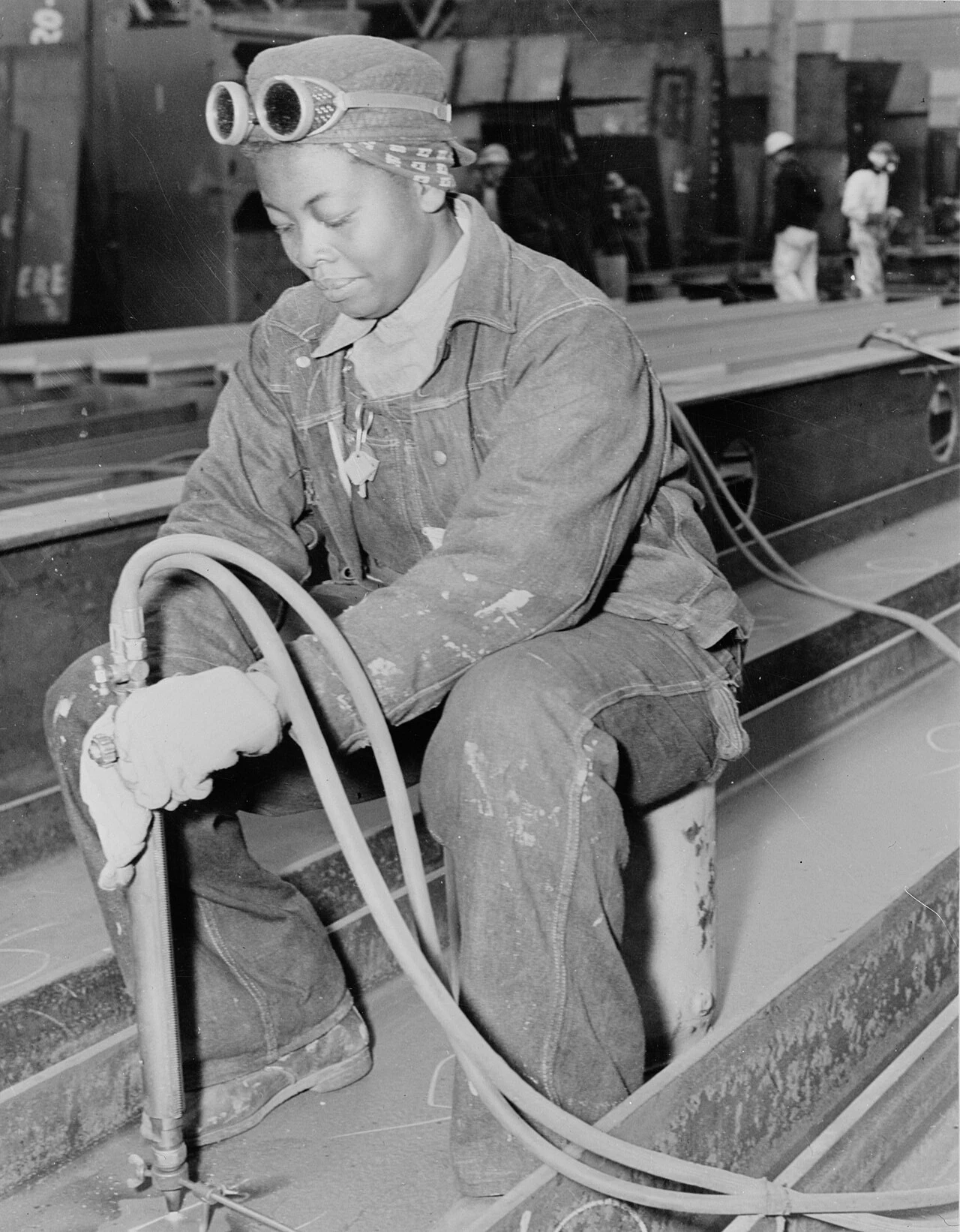
Kaiser, the Rivet and the Electric Arc
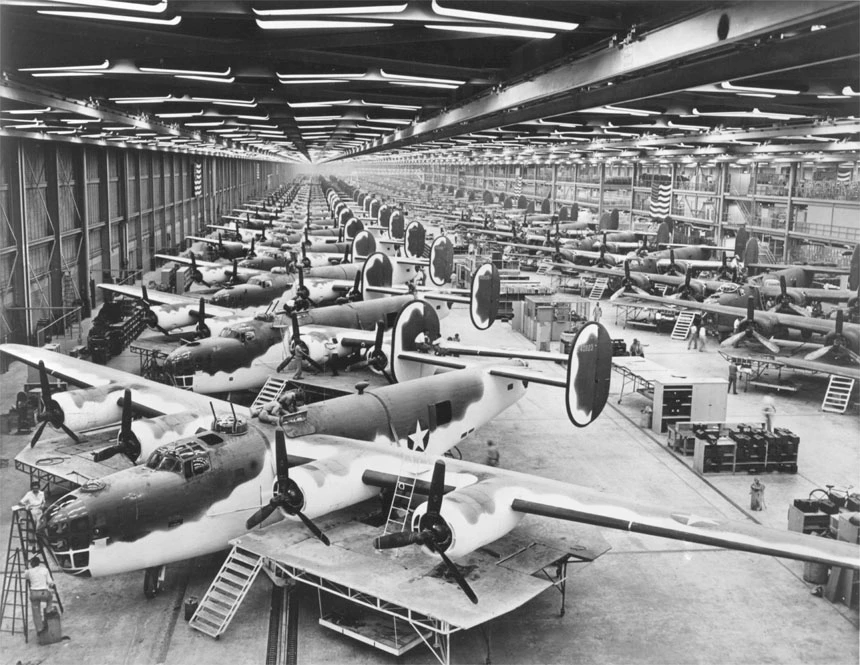
One bomber an hour: the Willow Run gamble
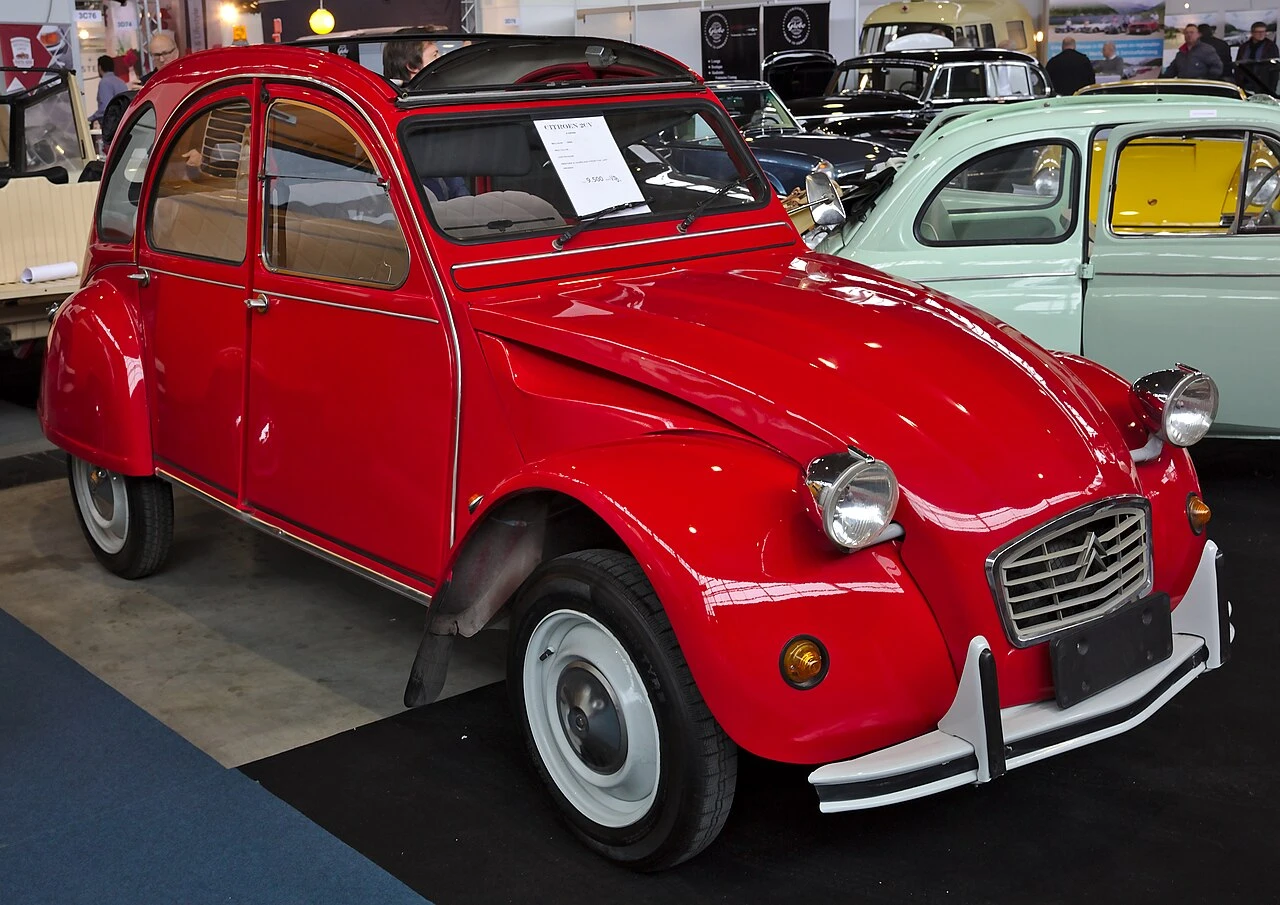
Citroën, the occupier and the secret little car
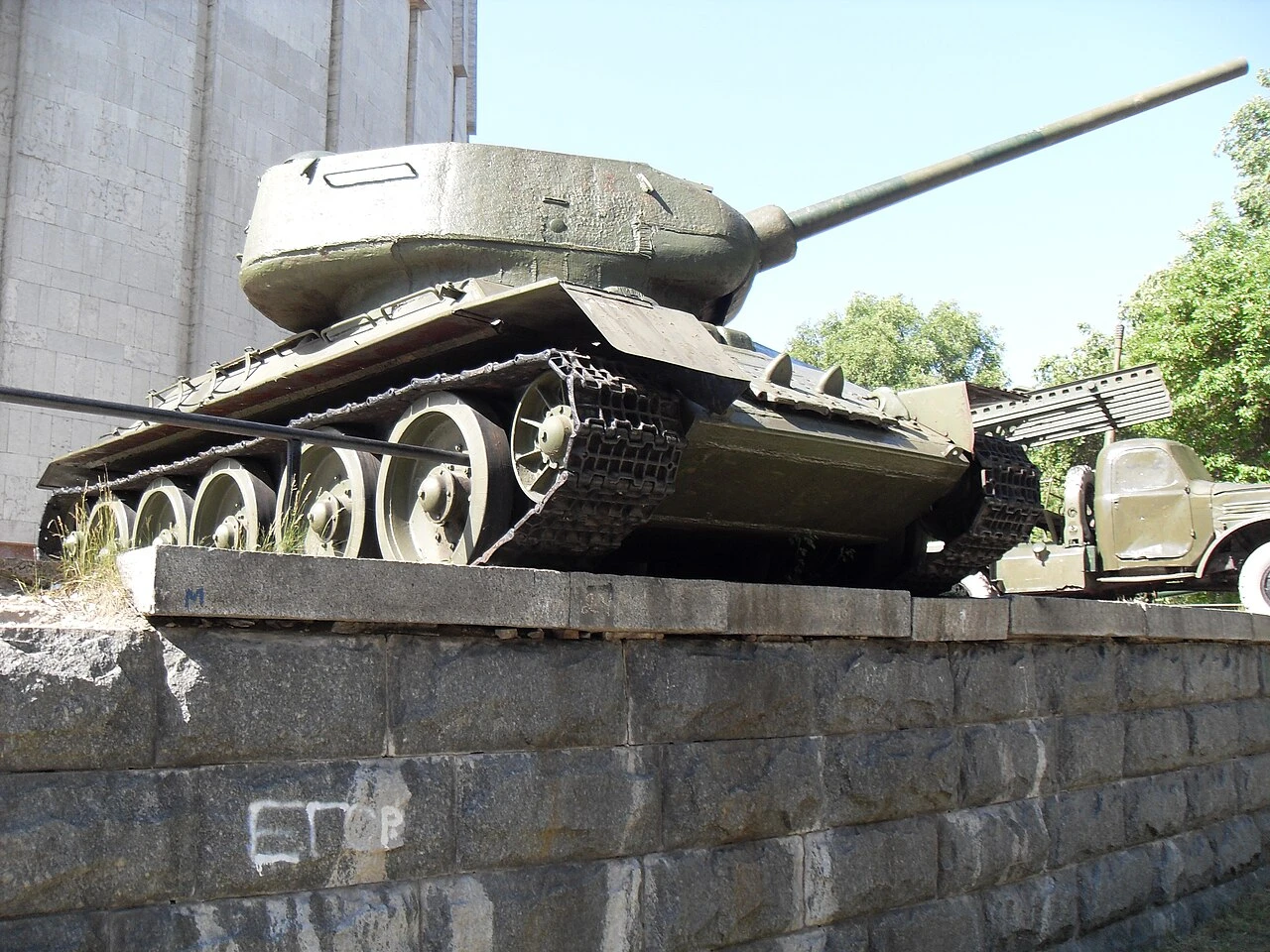
Ten thousand tanks, and nothing on paper
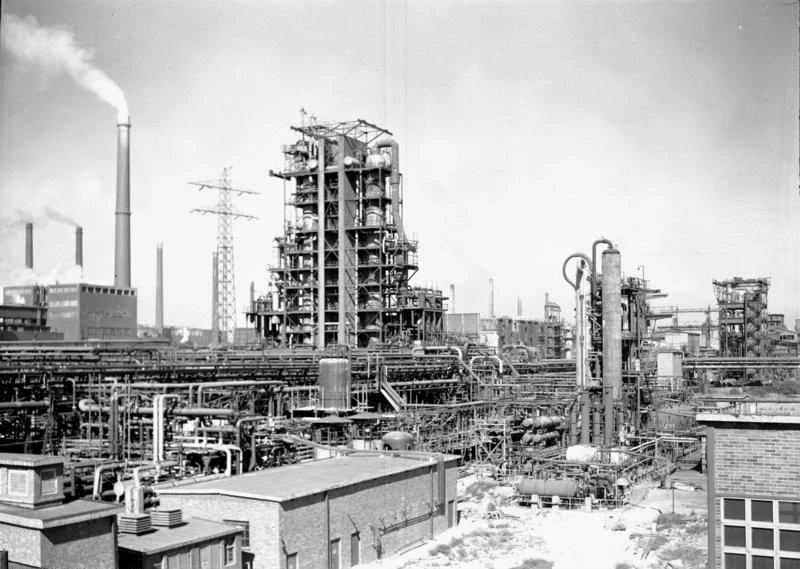
Making oil from coal
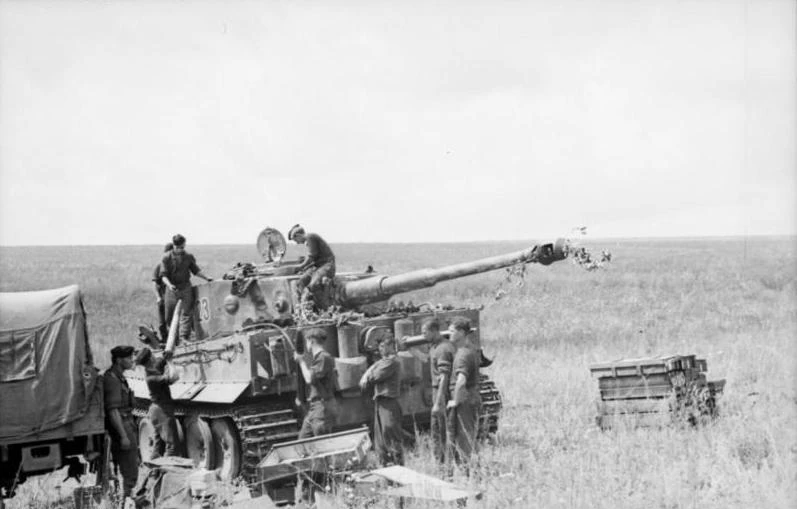
Krupp and the Beast's Cannon
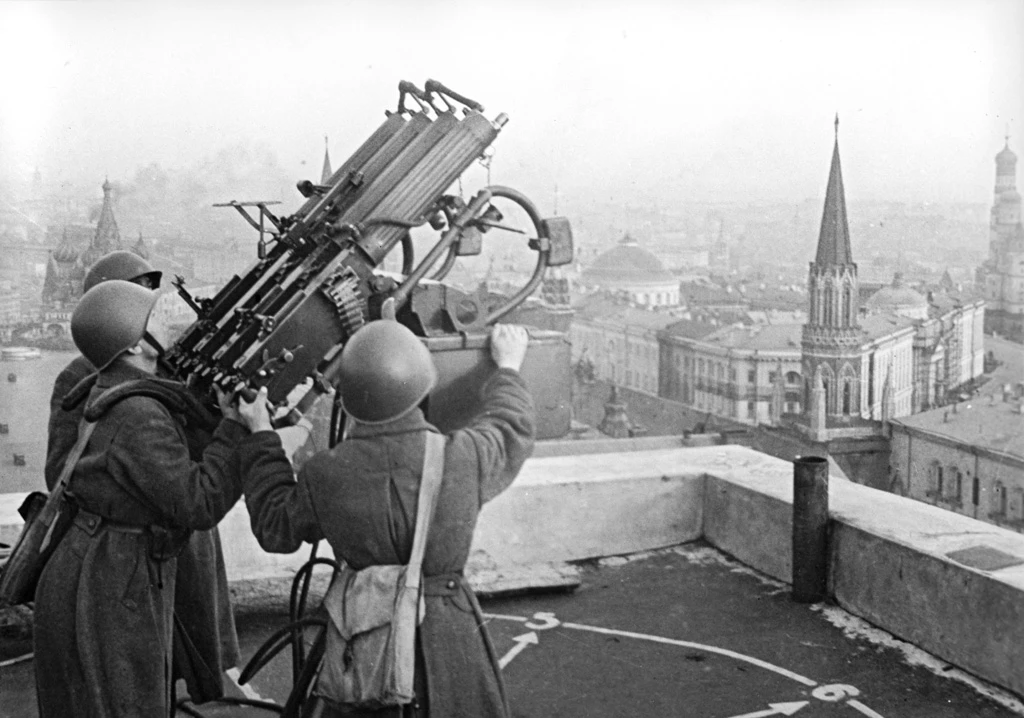
The physics student evacuated from Moscow
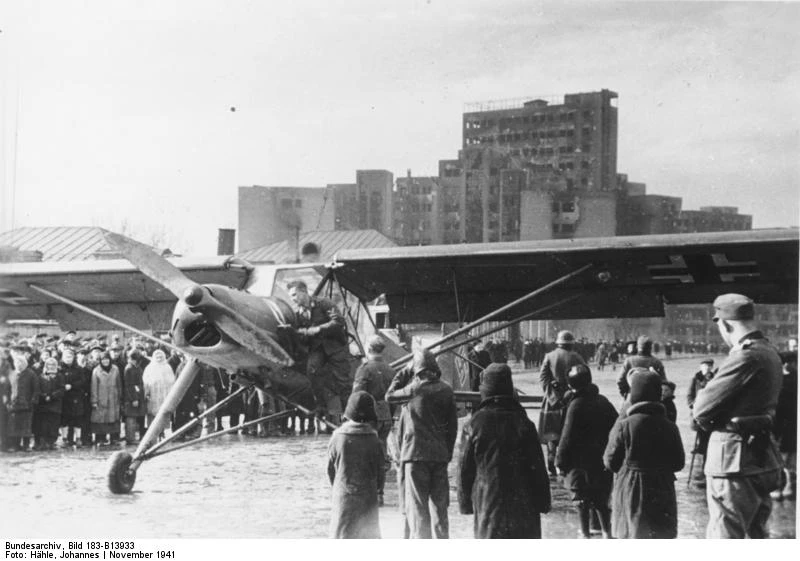
The Kharkov worker facing the dismantling of the tank factory
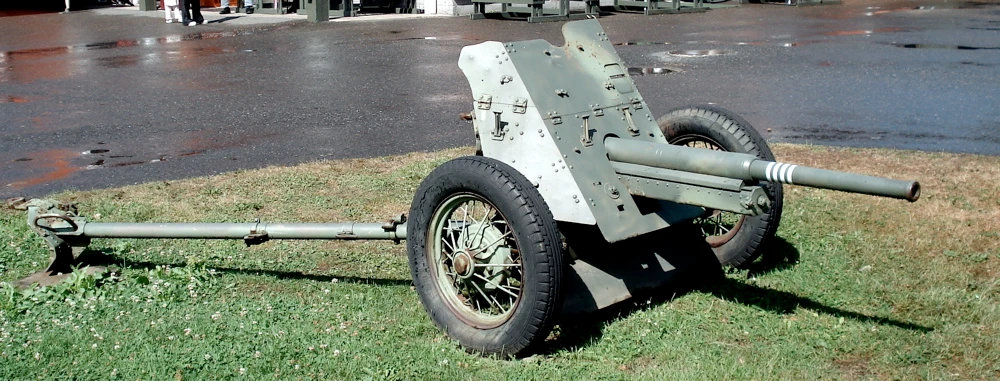
The gun that will have to do
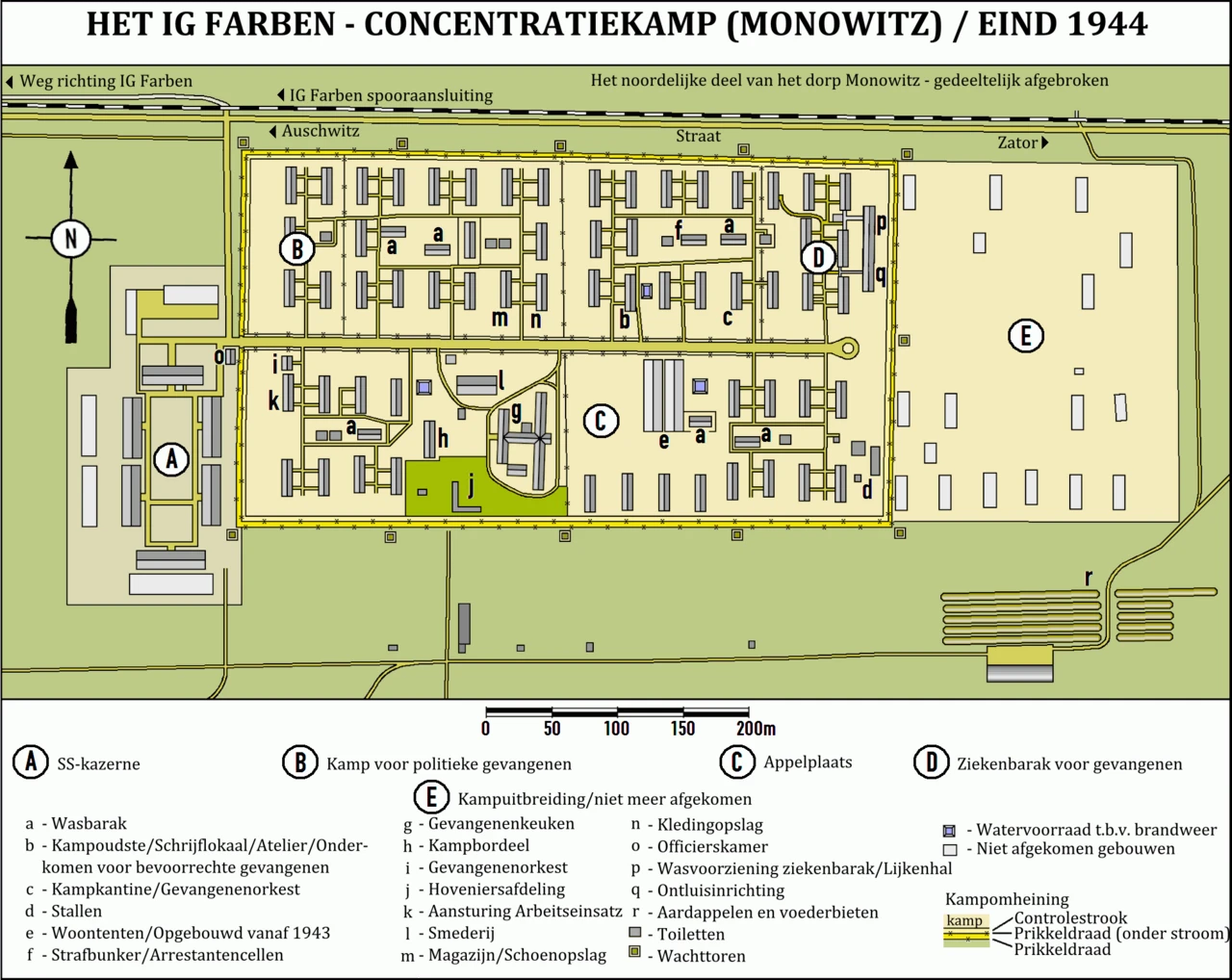
The Monowitz Construction Site
Kaiser, the Rivet and the Electric Arc
One bomber an hour: the Willow Run gamble
Citroën, the occupier and the secret little car
Ten thousand tanks, and nothing on paper
Making oil from coal
Krupp and the Beast's Cannon
The physics student evacuated from Moscow
The Kharkov worker facing the dismantling of the tank factory
The gun that will have to do