
Vroenhoven bridge — the demolition order
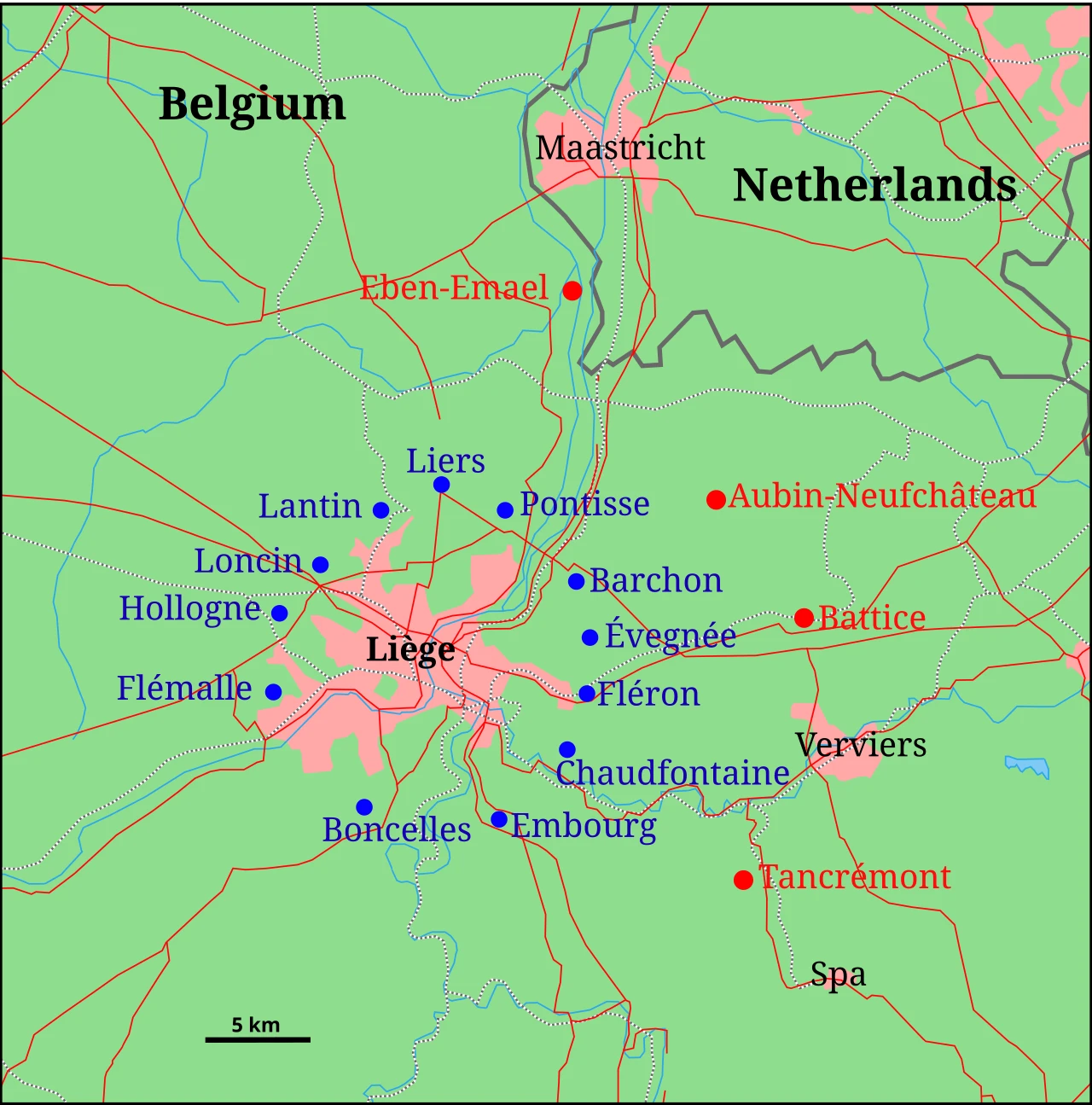
Lieutenant Crisse commanded about thirty men of the guarding the Vroenhoven bridge, some 3 miles northeast of Maastricht. The bridge spanned the Albert Canal, the defensive line the Belgian army intended to hold north of Liège. Crisse's orders were unambiguous: blow the bridge as soon as the enemy appeared. Some 1,800 pounds of explosives had been placed beneath the deck, wired to a detonator in a casemate.
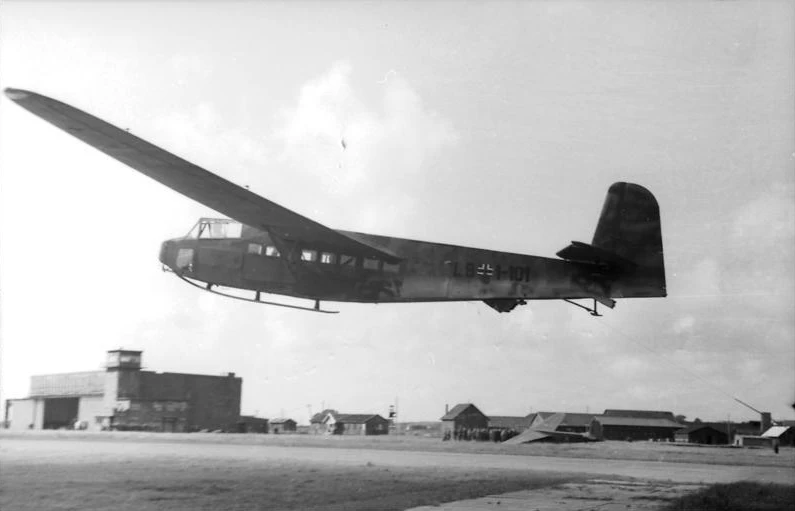
At 04:25 on 10 May, without the slightest warning, German gliders landed at both ends of the bridge. Paratroopers of the — about a hundred men in some ten aircraft — sprang up within yards of the Belgian positions. The assault was so sudden that the garrison had not seen the attack coming: no engine noise, no infantry waves announced.
Crisse understood within seconds that he was overrun. The attackers rushed for the deck and for the firing wires. He had an instant left to decide whether to use his detonator.
Should he set off the charges immediately, or hold the bridge with the garrison?
Crisse applied A: he tried to fire the charges. In vain — in the very first seconds of the assault the paratroopers had cut the cables linking the charges to the detonator. The Vroenhoven bridge fell intact in less than ten minutes; some twenty Belgians were taken prisoner. The structure immediately became a major asset for the invader: on the morning of 11 May, the crossed the Albert Canal by this bridge and opened the road into the interior of the country. The simultaneous loss of Vroenhoven and Veldwezelt, combined with the fall of Eben-Emael, broke the entire canal line in one morning. The lost eight men for that result. Vroenhoven entered the textbooks as the archetype of the glider assault: neutralise the firing system before the defender can use it.
Learn more about this event
Related polls
10

The abatis of the Chasseurs Ardennais
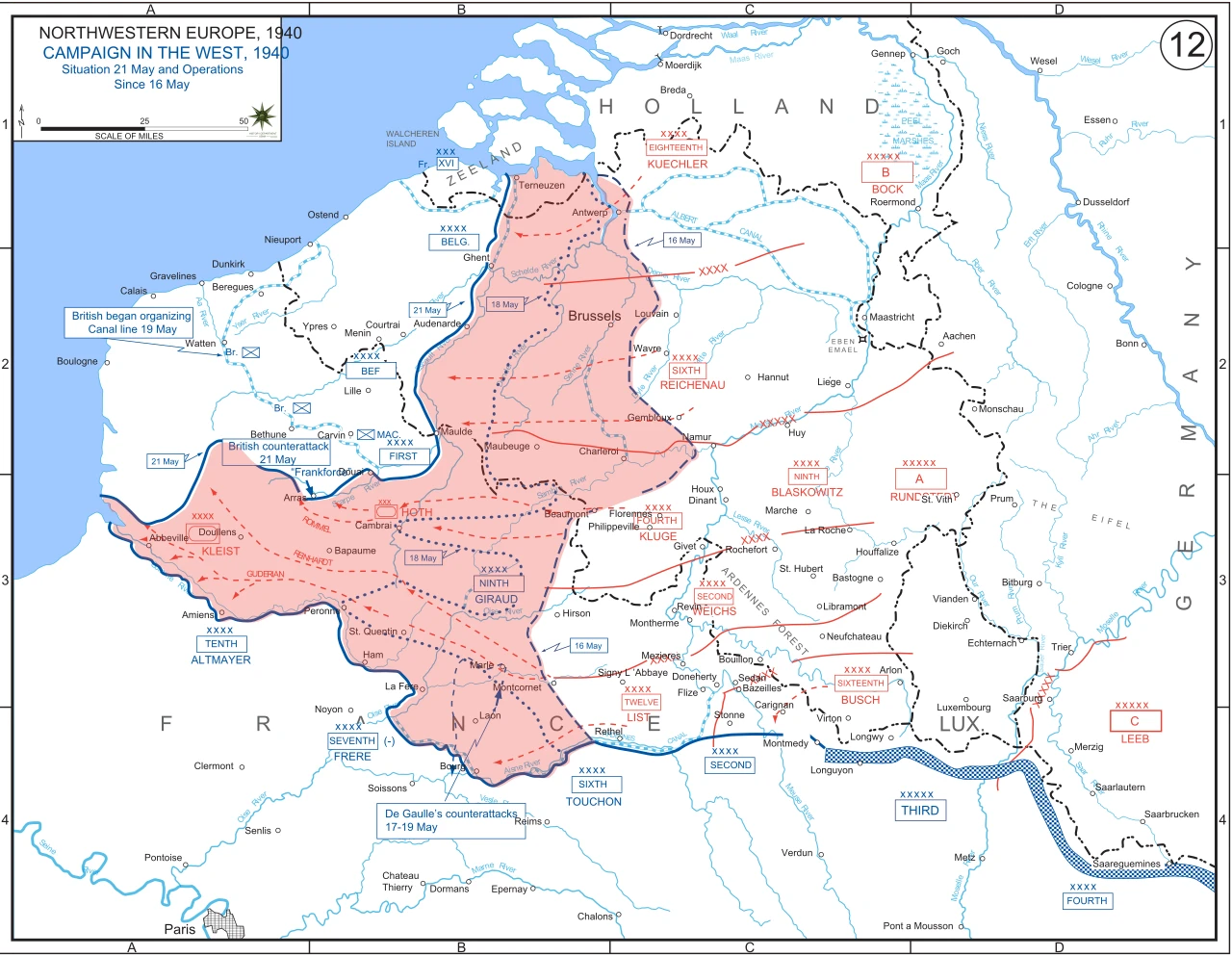
The Battle of the Lys
The bridges of the Meuse
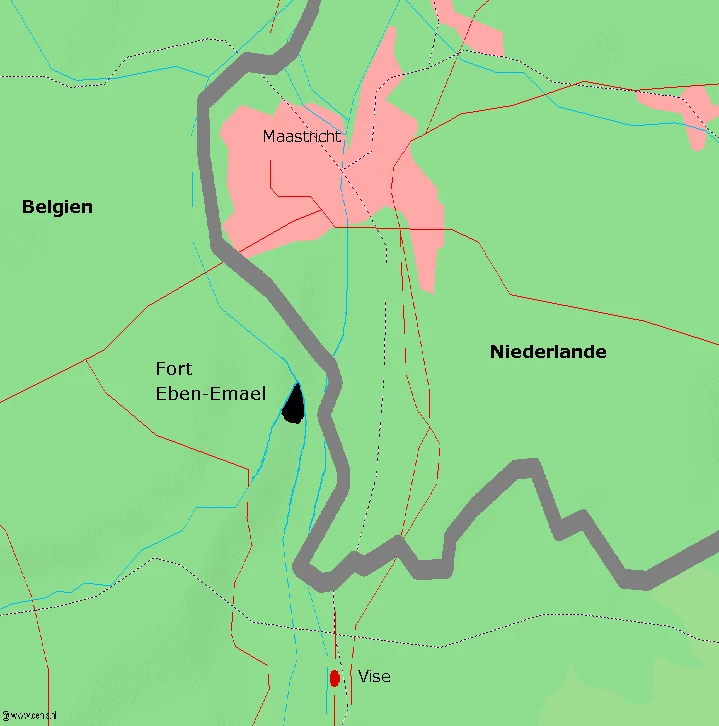
Eben-Emael — Jottrand under the explosions
Kanne bridge — fourth airborne target
Veldwezelt bridge — Beert and the demolition officer
The bridges of the Albert Canal
The fortified position of Liège
The Gembloux gap
Boulogne — Fox-Pitt and the Guards facing the port
The abatis of the Chasseurs Ardennais
The Battle of the Lys
The bridges of the Meuse
Eben-Emael — Jottrand under the explosions
Kanne bridge — fourth airborne target
Veldwezelt bridge — Beert and the demolition officer
The bridges of the Albert Canal
The fortified position of Liège
The Gembloux gap