
Wavell in the face of Rommel's storm
General commands an immense theatre, from Sudan to Greece. After the brilliant success of Operation Compass, which swept the Italians out of Cyrenaica, he has had to strip his Libyan front to send troops to Greece. The units left forward are few in number, short of tanks, guns and vehicles.
It is this moment that chooses. Arrived with his in principle merely to protect Tripoli, he oversteps his orders and launches a lightning offensive at the end of March. The British positions at El Agheila, then Mersa Brega, give way. The German advance is so rapid that it disorganises the whole Cyrenaica command, entrusted to General , little familiar with desert warfare.
On 2 April, Wavell flies to Neame's HQ at Barce, east of Benghazi. The situation is unravelling before his eyes. He has one asset: General , the architect of the Compass victory, now in the rear. Should he hold Benghazi at all costs, or restore the chain of command in the middle of the battle?
Should Wavell keep Neame and defend Benghazi, or recall O'Connor to take over the command in the midst of the retreat?
Wavell chose C — a compromise born of his initial decision, option B. On reaching Barce, he first wanted to replace Neame with O'Connor; but the latter advised against changing commanders in the middle of the battle and agreed only to stay on as an adviser. The improvisation turned to disaster. On the night of 6 April, while heading for a withdrawn HQ, Neame, O'Connor and Brigadier Combe took a wrong road near Martuba and ran into a patrol of German motorcyclists. The two generals were captured; O'Connor, the best British desert tactician, would spend more than two years in captivity in Italy. Rommel, for his part, drove the British back to the Egyptian frontier, leaving behind only Tobruk, under siege. All the gains of Compass were wiped out.
Learn more about this event
Related polls
10
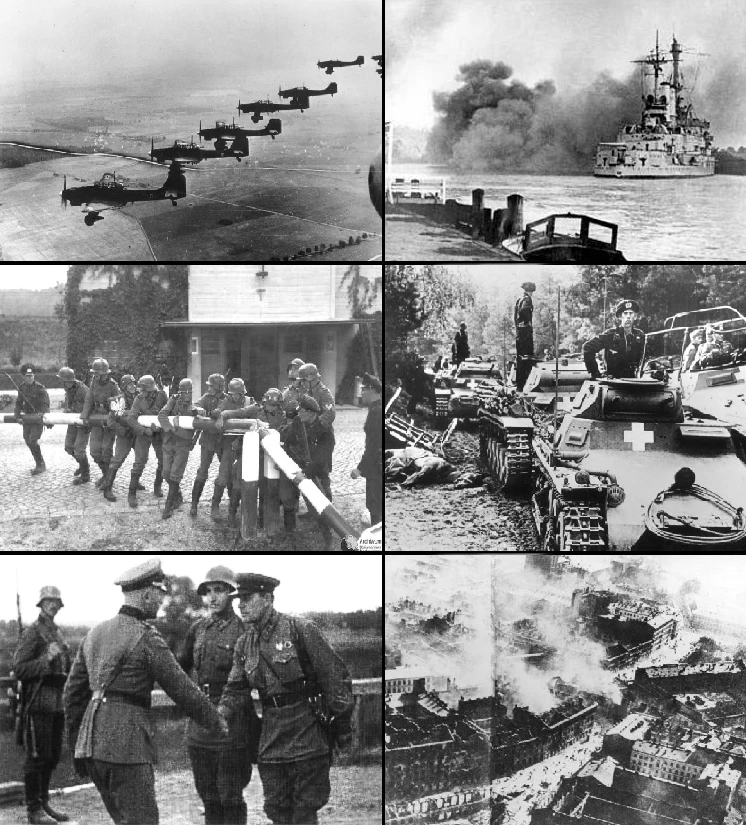
The Polish Army and the Deployment
"Cromwell" — England, 7 September 1940
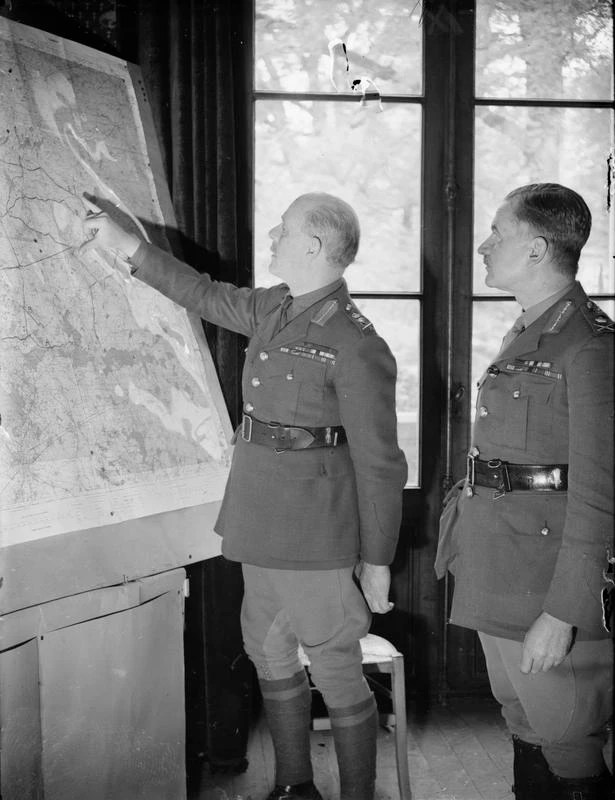
Gort at Habarcq — trust in the French plan
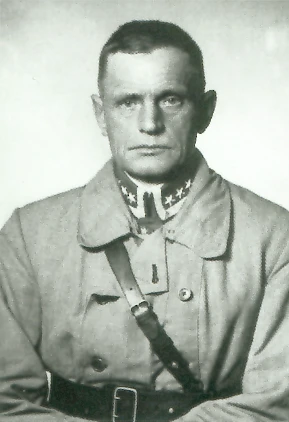
Gudbrandsdal — Ruge imposes his line
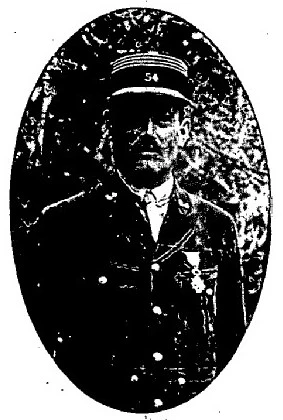
Touchon on the Aisne — Fall Rot
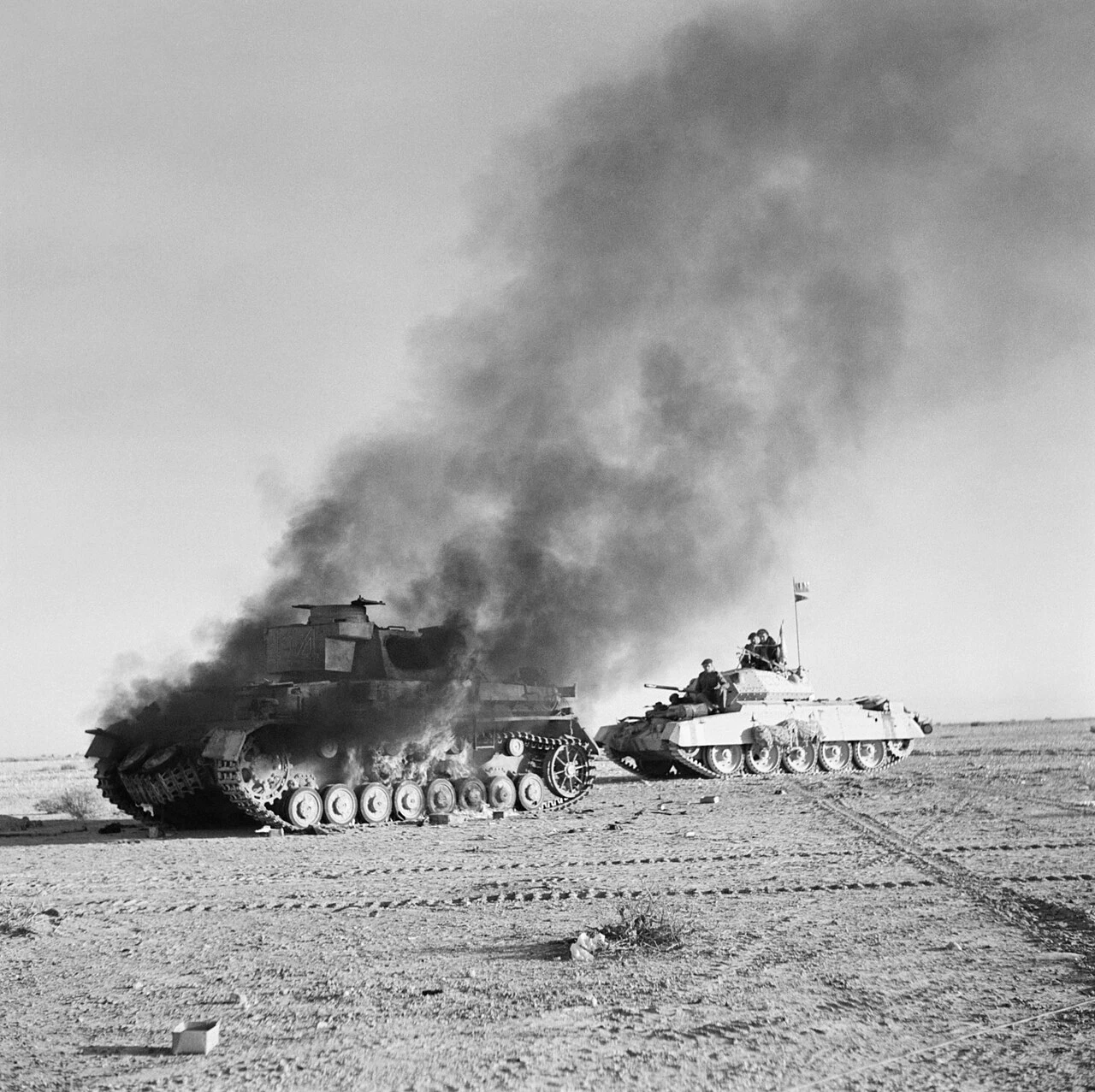
Crusader: The Generals' Doubt
'Fortresses do not surrender'
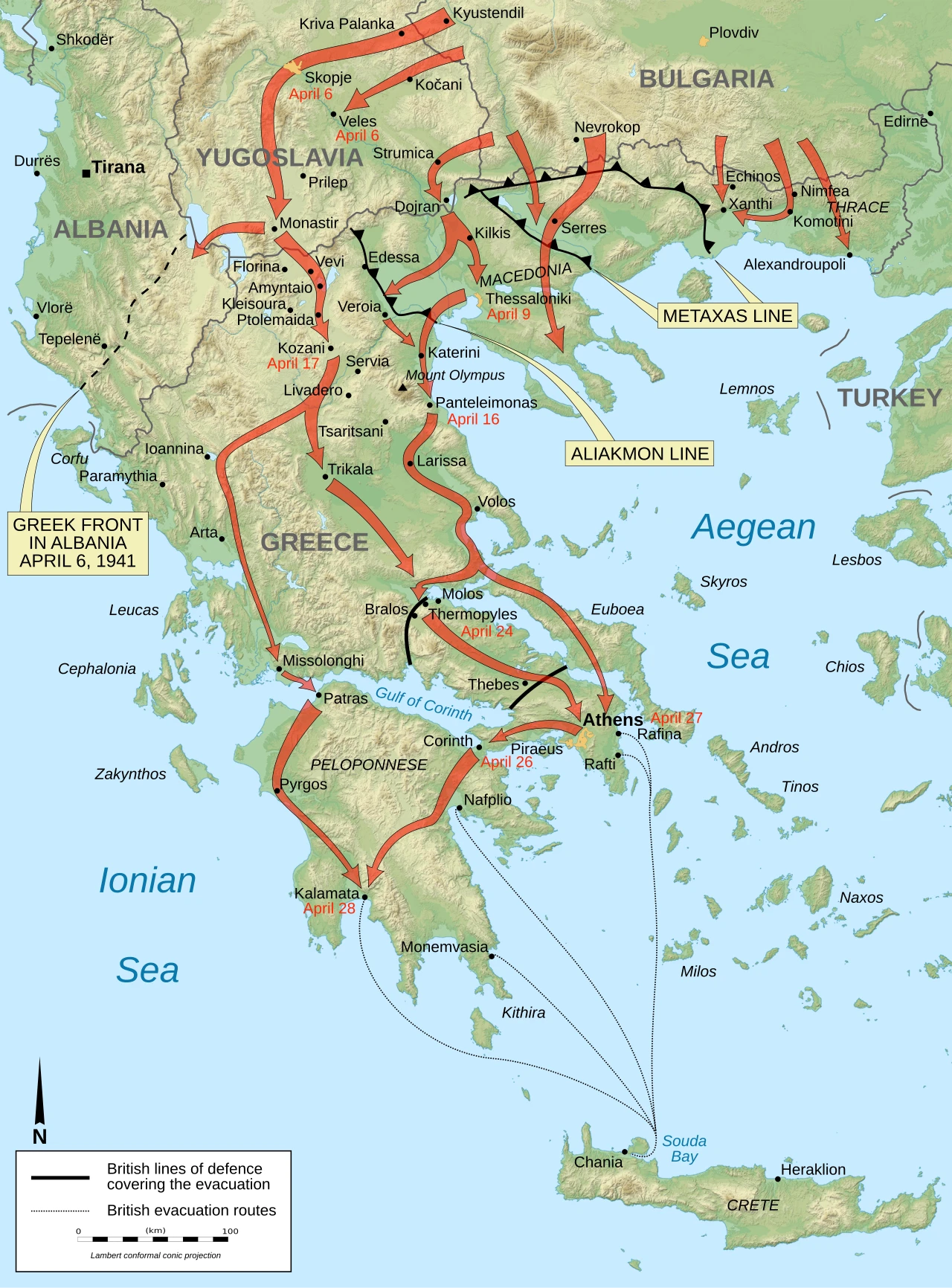
Salonika lost: surrendering the Metaxas Line
Morshead — Tobruk encircled, 10 April
Platt before Kassala — January 1941
The Polish Army and the Deployment
"Cromwell" — England, 7 September 1940
Gort at Habarcq — trust in the French plan
Gudbrandsdal — Ruge imposes his line
Touchon on the Aisne — Fall Rot
Crusader: The Generals' Doubt
'Fortresses do not surrender'
Salonika lost: surrendering the Metaxas Line
Morshead — Tobruk encircled, 10 April