
Cardinal Sapieha — Krakow under Occupation
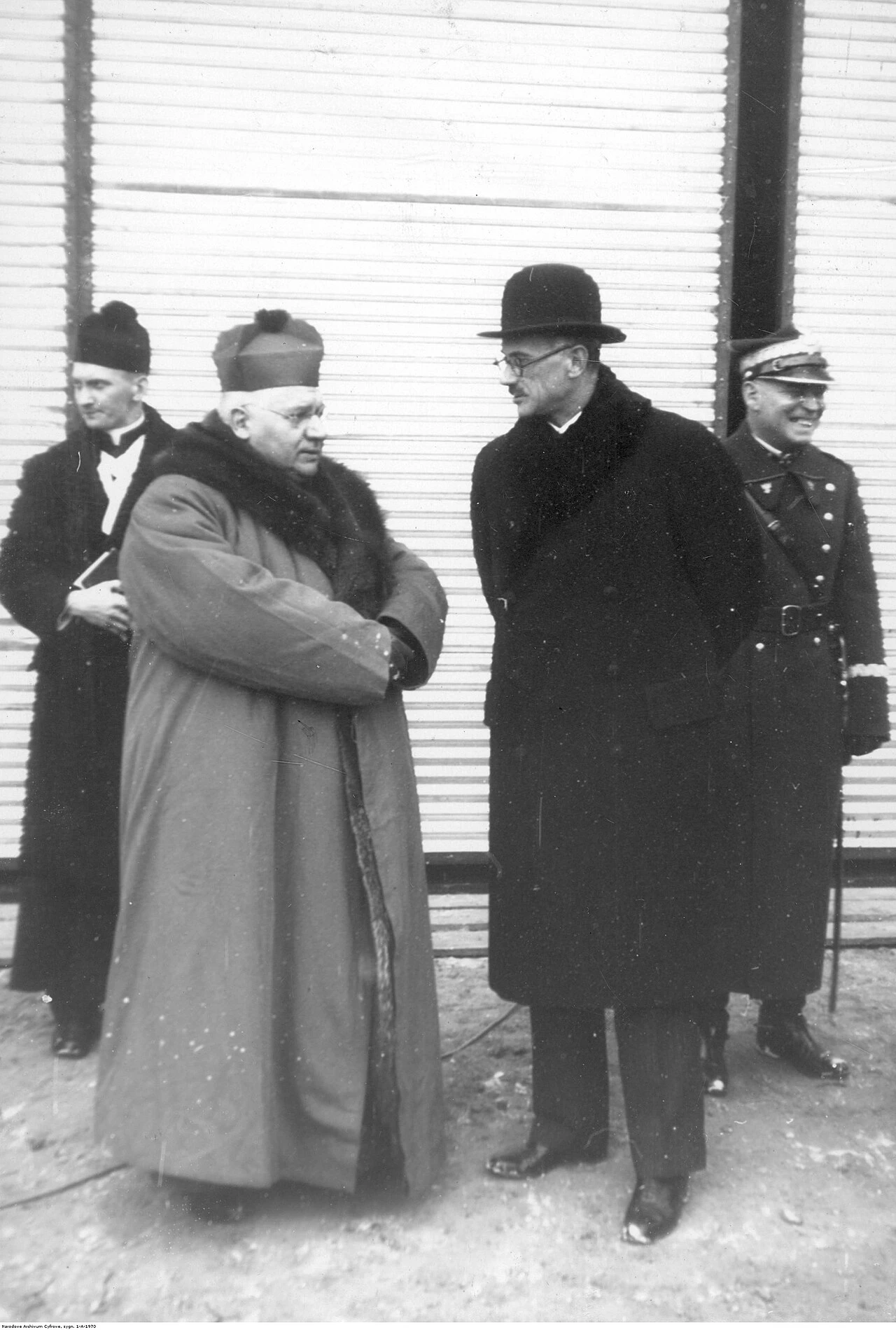
, seventy-two years old, has been Metropolitan Archbishop of Krakow since 1925, the descendant of a great Lithuanian-Polish noble family. He comes from a long lineage — his brother Eustachy was a senator, his cousin Lew a Vilnius politician. At the moment of the invasion he is one of the two leading ecclesiastical figures in Poland (alongside Hlond), and the only one who chooses to remain.
On 6 September 1939, as List's closes on Krakow, Sapieha refuses Vatican suggestions that he leave. He tells his secretary : "If I go, my clergy will be persecuted with no defender. I must stay." That evening the Wehrmacht enters the city. On 7 September, installs himself at the Wawel — five hundred metres from Sapieha's palace. Krakow becomes the capital of the Generalgouvernement on 26 October.
Sapieha thus remains the principal ecclesiastical figure in occupied Poland, within immediate reach of the occupying power. On 6 November 1939, during the Sonderaktion Krakau, 184 professors of the Jagiellonian University are arrested and deported to Sachsenhausen; he intervenes personally with Frank, with the nuncio Cortesi and with the Vatican. He must now settle on a way of exercising his office under occupation: to keep to the pastoral minimum of sacraments and liturgy, to pursue discreet action mixing clandestine works and secret contacts, or to choose open and frontal opposition. Which path to follow?
How should he exercise his office under occupation?
Sapieha follows B. He refuses Frank's invitations to the Wawel and any oath to the authorities, communicating with them only in cases of absolute necessity. Through his international pressure, thirty-five of the 184 professors are released in February 1940, though most remain in the camps. In October 1942 he opens a clandestine seminary inside the archbishop's palace; thirteen seminarians are trained there during the war — one of them a young Solvay factory worker named , ordained priest by Sapieha himself on 1 November 1946. (Wojtyla would become Pope in 1978.) Sapieha organises a network of financial support for the families of deported priests, imprisoned academics, and hidden Jews (the archbishop's palace shelters Jews at least in 1942-44). raises him to the cardinalate on 18 February 1946 — one of the pope's last consistorial promotions. Sapieha dies in Krakow on 23 July 1951, aged eighty-four. His cause for beatification is now open (process initiated 2001). His 1939 decision to remain is today regarded as one of the most important acts of Polish moral resistance.
Learn more about this event
Related polls
10
Bishop Adamski in annexed Katowice
Karaszewicz-Tokarzewski — Founding the SZP
Sikorski leaves Bordeaux — 18 June
Cardinal Hlond — the Vatican's instruction
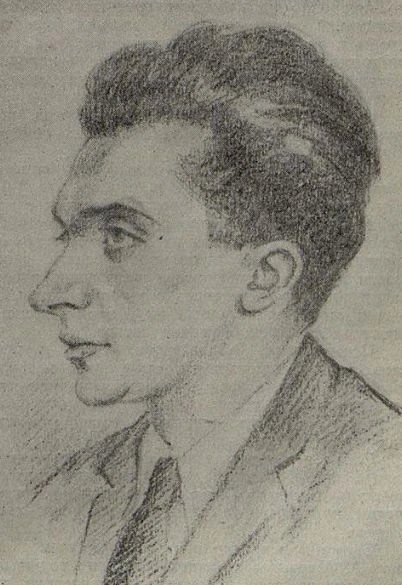
Mieczysław Niedziałkowski — after the arrest
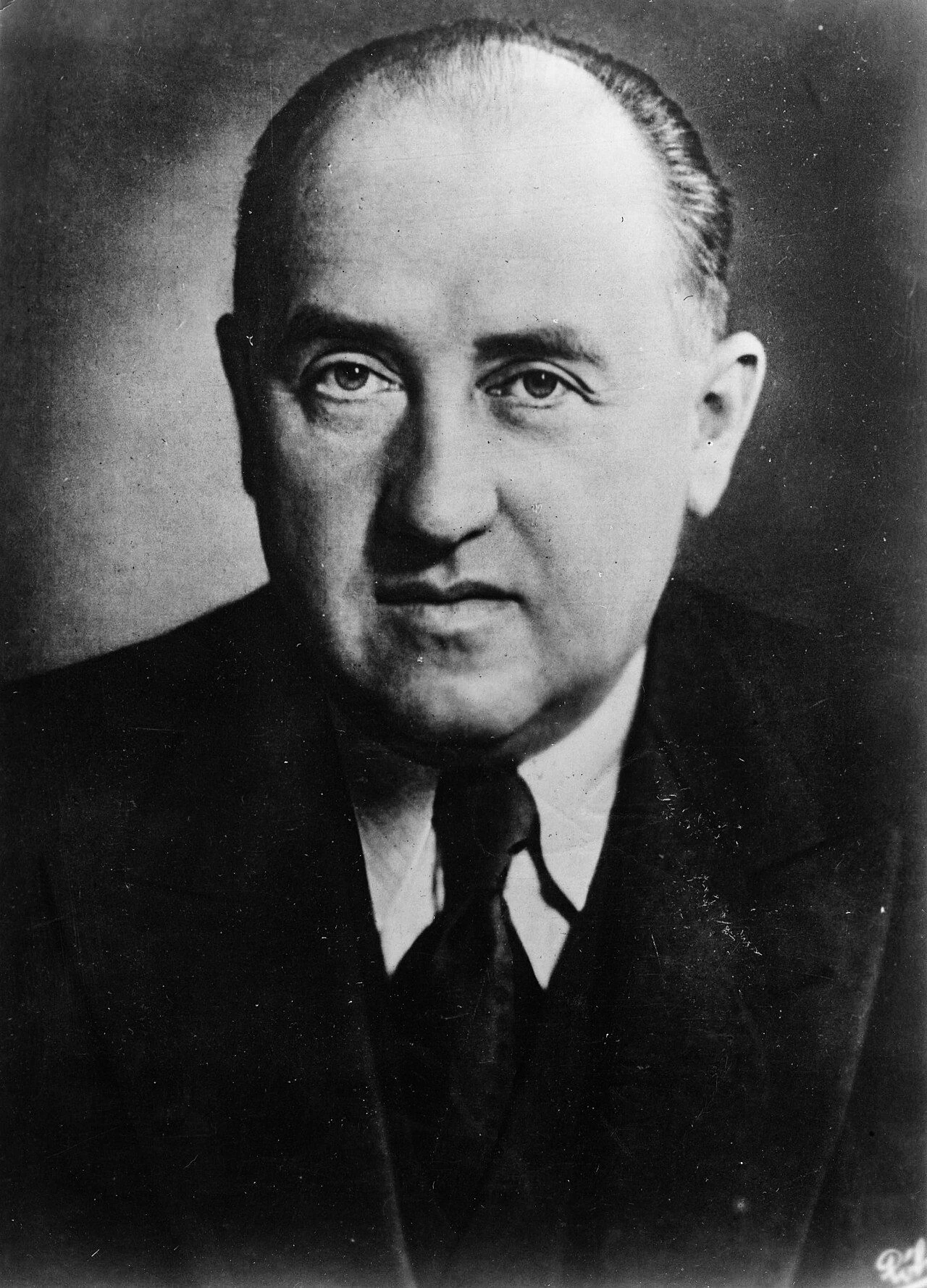
The Gold of the Bank of Poland — the destination of the SS Eocene
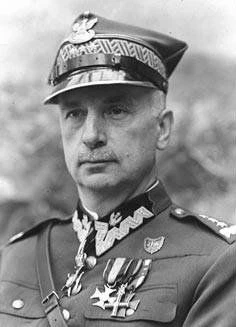
Sosnkowski — KSK, 27 November
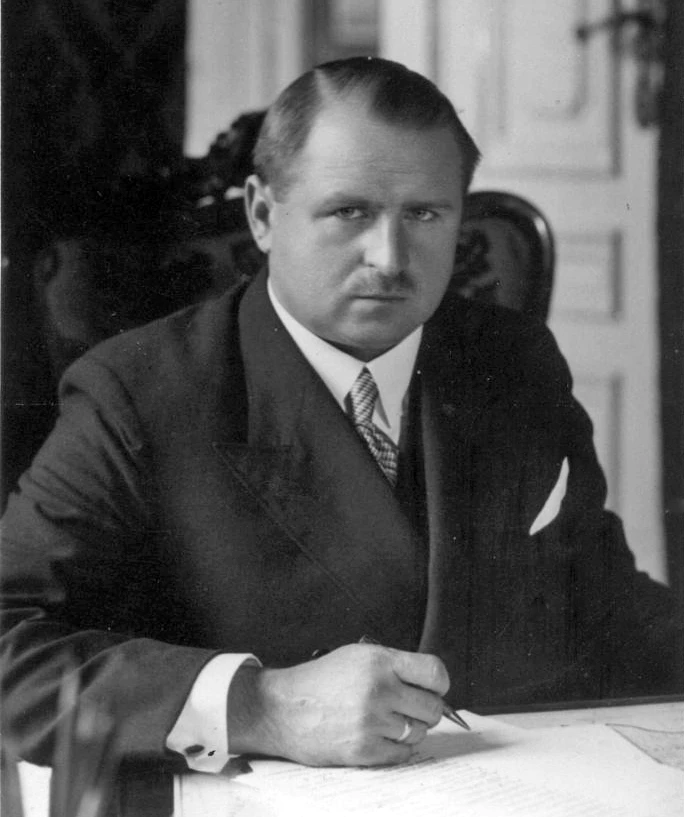
Starzyński — Mówi Warszawa
Wasilewska in Lwów, then Moscow
Borakowski and the merchant fleet
Bishop Adamski in annexed Katowice
Karaszewicz-Tokarzewski — Founding the SZP
Sikorski leaves Bordeaux — 18 June
Cardinal Hlond — the Vatican's instruction
Mieczysław Niedziałkowski — after the arrest
The Gold of the Bank of Poland — the destination of the SS Eocene
Sosnkowski — KSK, 27 November
Starzyński — Mówi Warszawa
Wasilewska in Lwów, then Moscow