
No sooner had the invasion begun than a "fifth-column" psychosis gripped Belgium and then France. Rumours ran everywhere: paratroopers disguised as nuns or gendarmes, spies marking out columns with arrows laid in the fields, saboteurs poisoning the wells. The lightning fall of Ében-Émael to airborne troops suddenly gave substance to every fear.
On the ground, gendarmes, soldiers and civilians were called upon to react. You play a Belgian gendarme, overwhelmed by reports. You may arrest and search, on the slightest rumour, any suspect — a foreigner, a traveller with dubious papers, anyone behaving oddly — in order to counter a real threat of infiltration. You may, on the contrary, hold off and verify, at the risk of letting a genuine agent slip through. Or you may stick strictly to the chain of command, which is slower.
The danger is twofold: ignoring a real infiltration, or giving in to collective panic and striking at the innocent. Yet the rumours proved, in the overwhelming majority, to be unfounded — and the hunt for spies would chiefly produce arbitrary arrests, blunders, and at times the summary execution of civilians mistaken for "paratroopers".
Should our gendarme arrest every fifth-column suspect on rumour alone, or refrain from doing so?
In the panic of May 1940, attitude A prevailed by far: thousands of people were arrested, "suspects" were roughly handled, and several civilians — Belgian refugees among them — were shot by French soldiers who took them for fifth-column agents. Almost all of these alerts proved unfounded: the "fifth column" of 1940 was above all a phenomenon of collective panic, amplified by propaganda and by the speed of the German advance. This psychosis would also lead the Belgian authorities to intern "suspects" en masse, some of whom would meet a tragic end at Abbeville.
Learn more about this event
Related polls
10
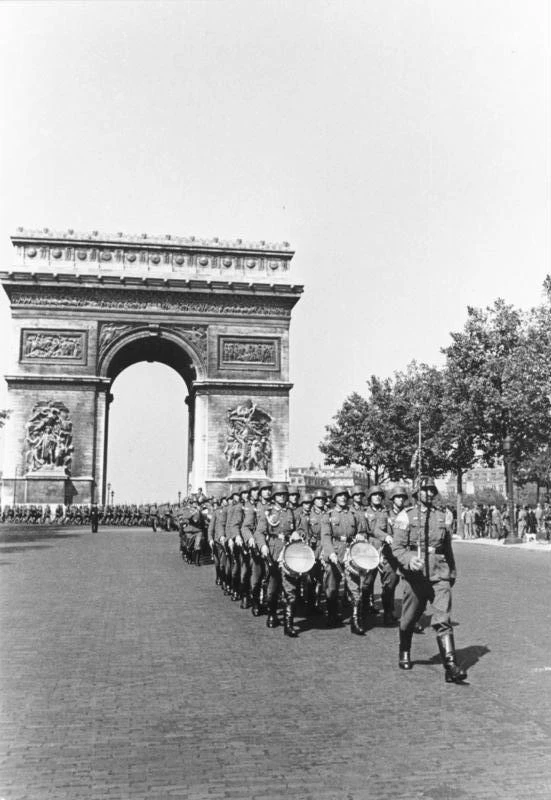
The Press under German Control
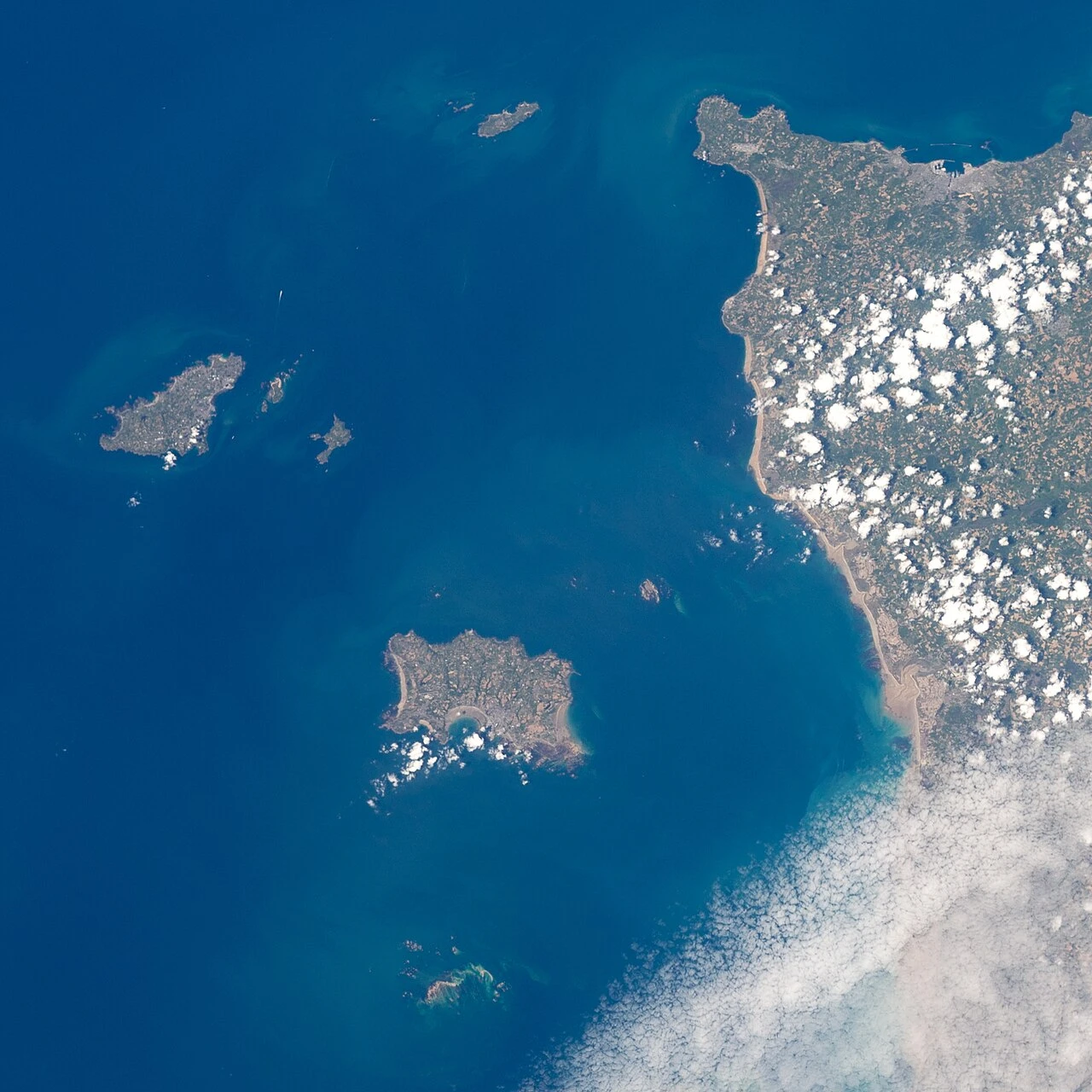
The Channel Islands — open city?
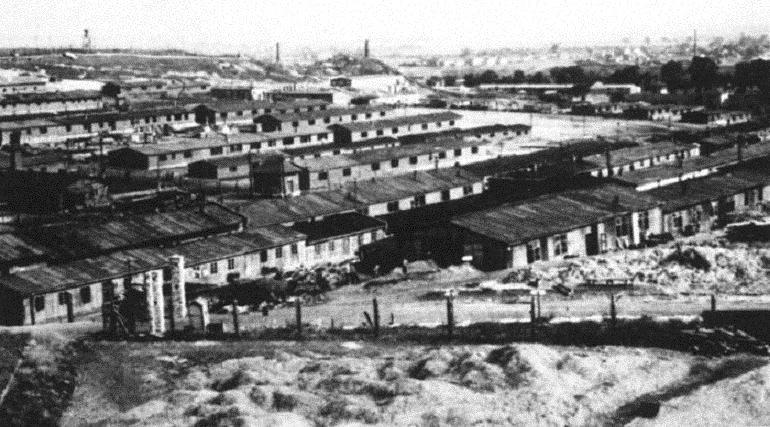
The Upper Silesian Pole Subjected to Forced Labour
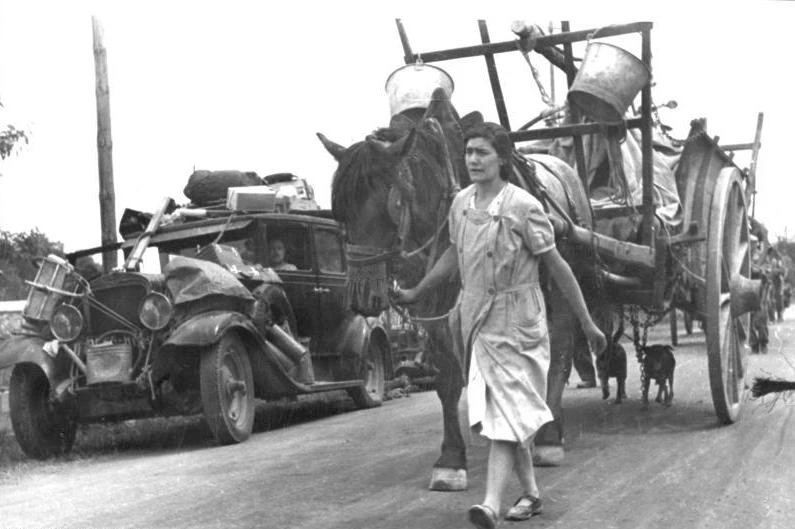
The exodus — flee or stay
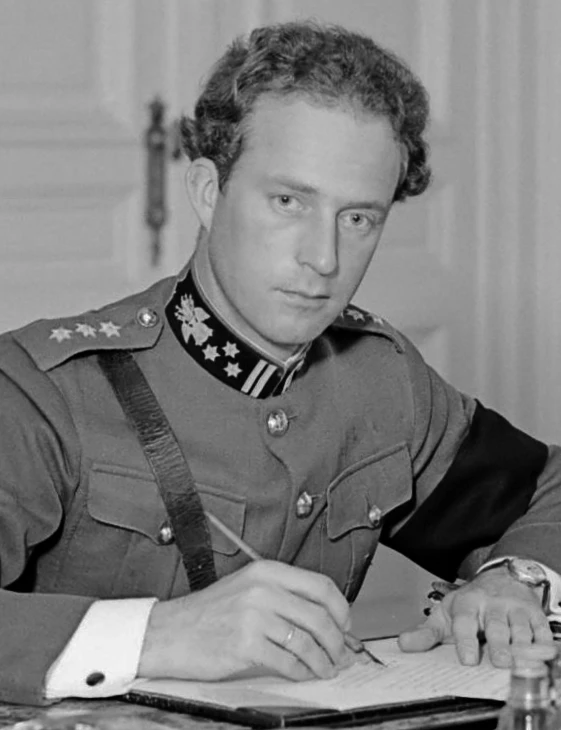
Leopold III takes command

The Secretaries-General — Stay or Resign

Under the bombs — the Belgian towns
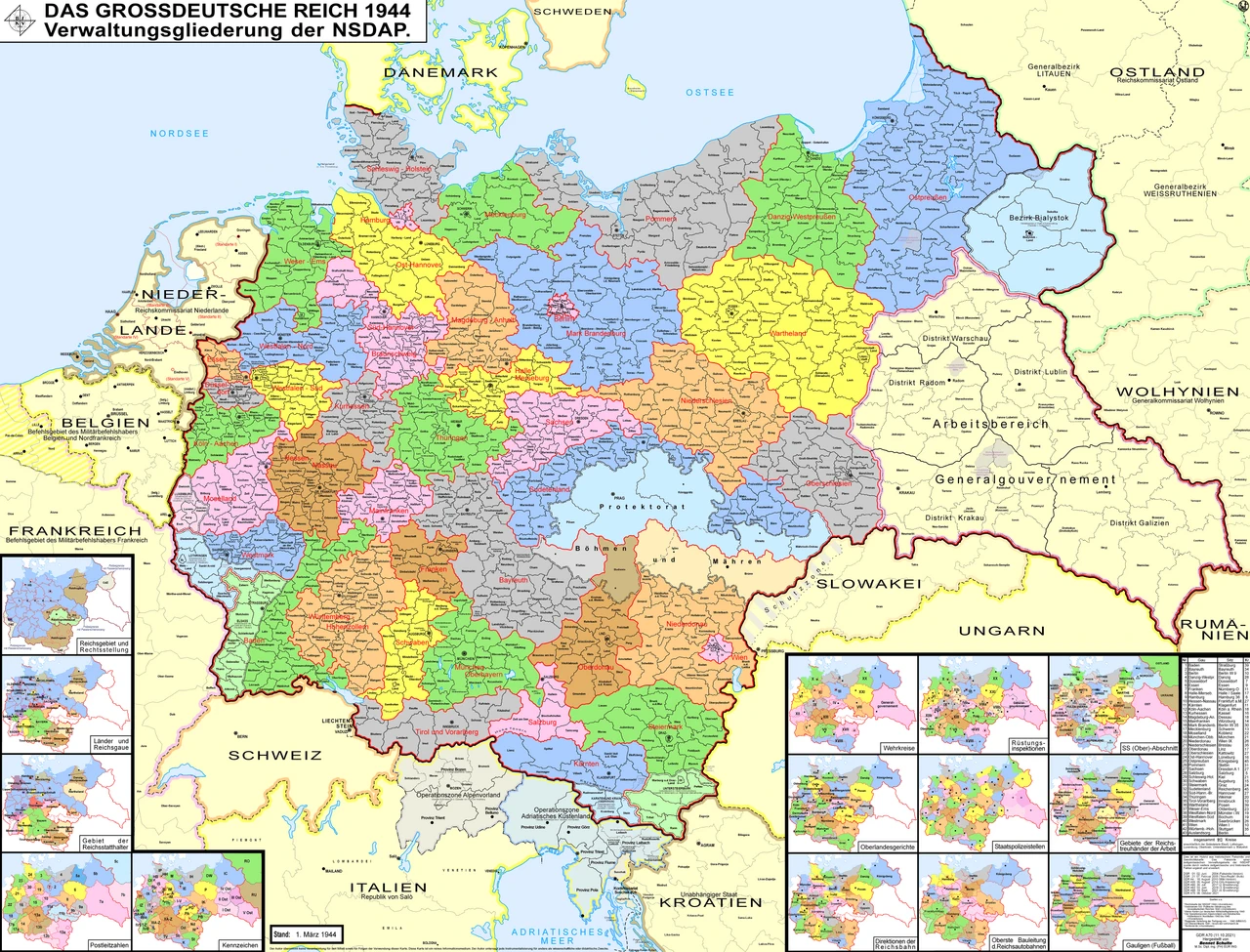
A Schoolteacher of Poznań under the Wartheland
Cambridge, 1939: The Evacuated LSE Student and Conscription

The Camps of the Retirada
The Press under German Control
The Channel Islands — open city?
The Upper Silesian Pole Subjected to Forced Labour
The exodus — flee or stay
Leopold III takes command
The Secretaries-General — Stay or Resign
Under the bombs — the Belgian towns
A Schoolteacher of Poznań under the Wartheland
Cambridge, 1939: The Evacuated LSE Student and Conscription