
The failure of Operation Battleaxe in mid-June, which did not relieve Tobruk and cost many tanks, exasperates . The Prime Minister, impatient for results in the Middle East — the only theatre where the British still confront the Axis directly on land — judges General Wavell exhausted and too cautious after two years of continuous effort on an immense front, from Libya to Iraq by way of East Africa, Greece and Syria.
Wavell has, however, won great victories (Compass, East Africa) with limited means, while warding off countless simultaneous crises. But Churchill wants fresh blood and a swift offensive to retake Cyrenaica before Rommel reinforces.
The Prime Minister must decide the fate of the commander-in-chief: keep Wavell, giving him the time and means to prepare a great offensive; relieve him to inject fresh impetus, at the risk of losing his experience; or reorganize the Middle East command without dismissing him. The decision will weigh on the whole desert campaign.
Should Churchill keep Wavell or relieve him of his command?
Churchill chooses B. On 1 July 1941, he transfers Wavell to the India command and replaces him at the head of the Middle East with General , who comes precisely from India — the two men in effect swapping posts. Auchinleck, more composed, will likewise resist Churchill's pressure for an immediate offensive, and will take the time to build up forces before launching Operation Crusader in November 1941. The tug-of-war between the Prime Minister and his desert generals will replay itself: Auchinleck will in turn be relieved in August 1942, shortly before El Alamein finally gives Churchill the victory he demanded. The removal of Wavell illustrates Churchill's permanent impatience with his commanders.
Learn more about this event
Related polls
10
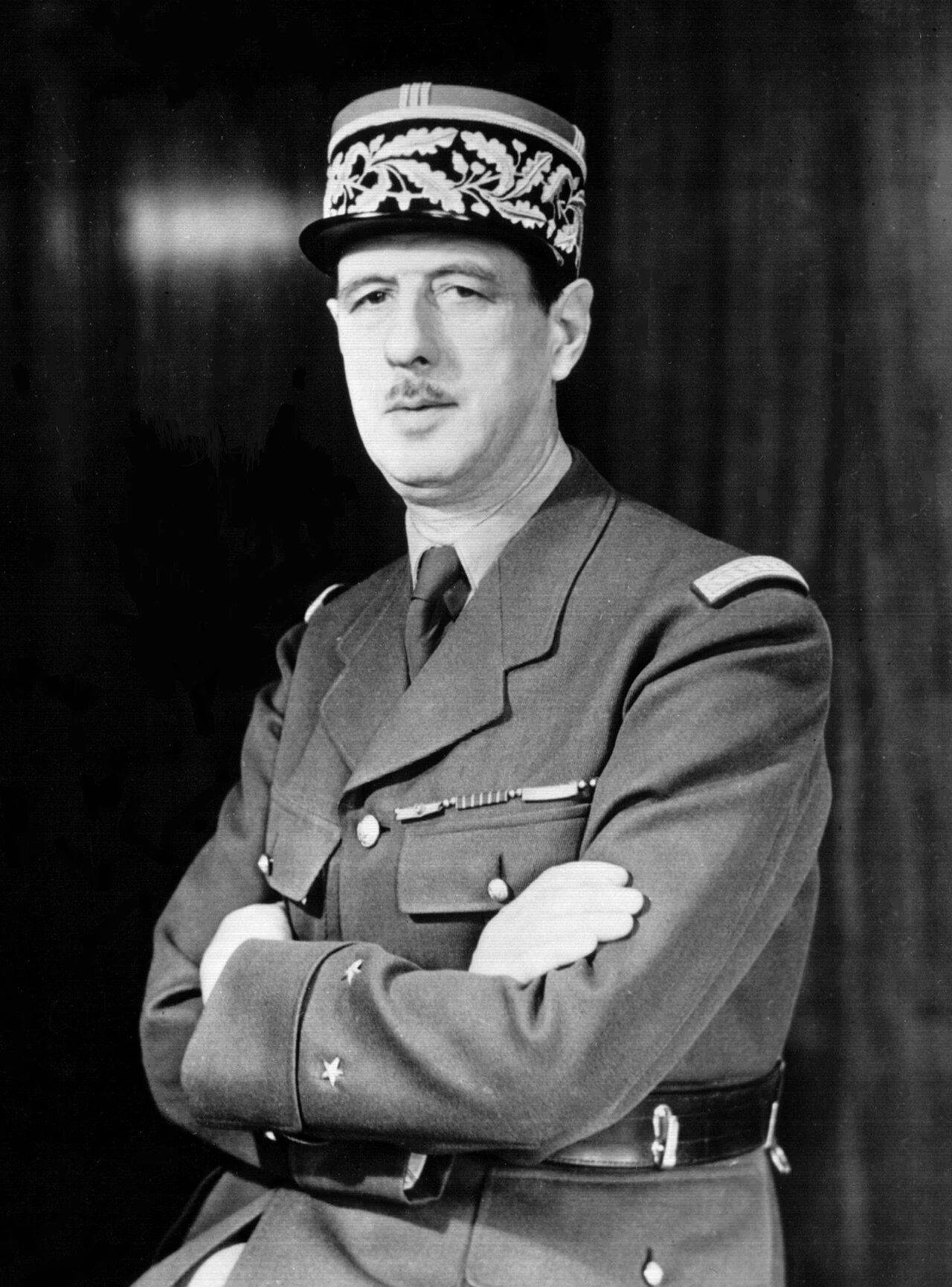
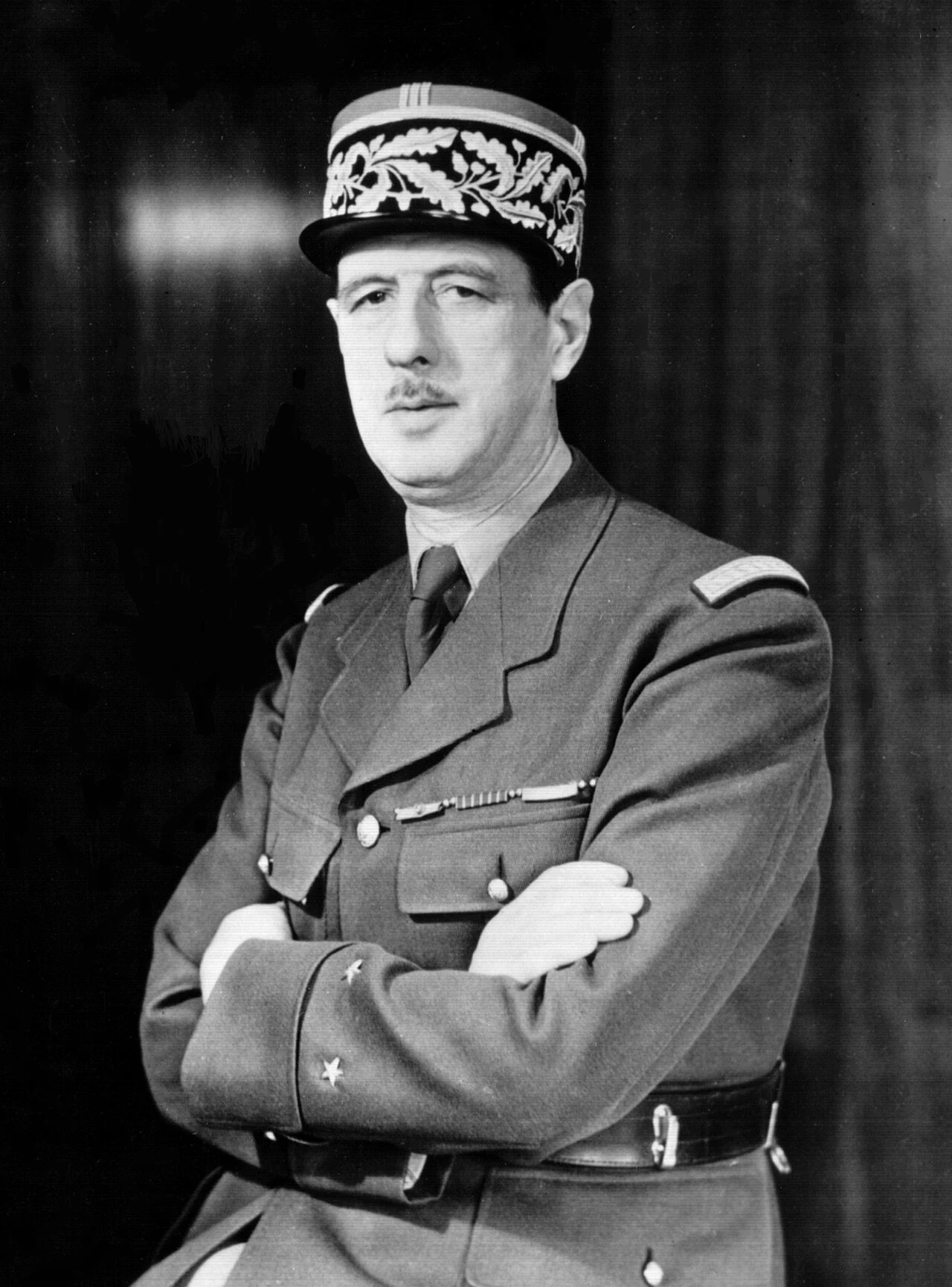
De Gaulle calls on Churchill — 9 June
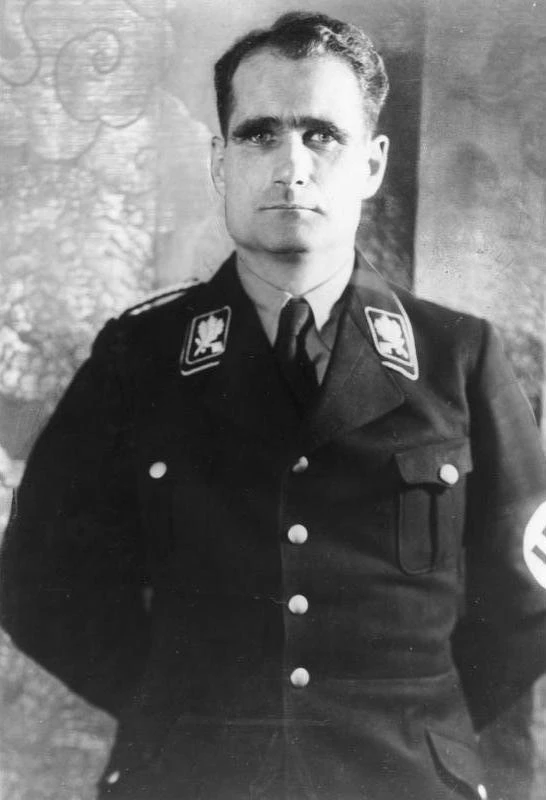
Hess — the fixed idea of a separate peace
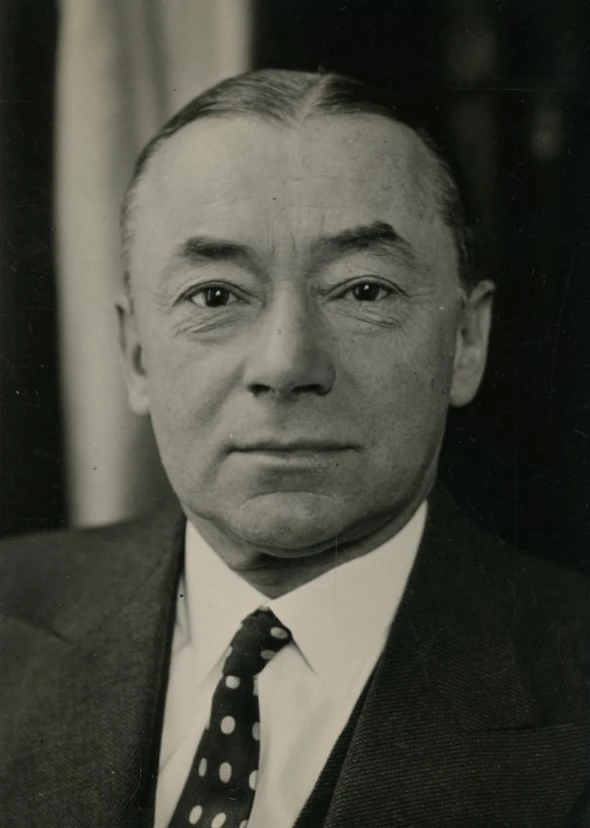
Reynaud — Matignon 21 March
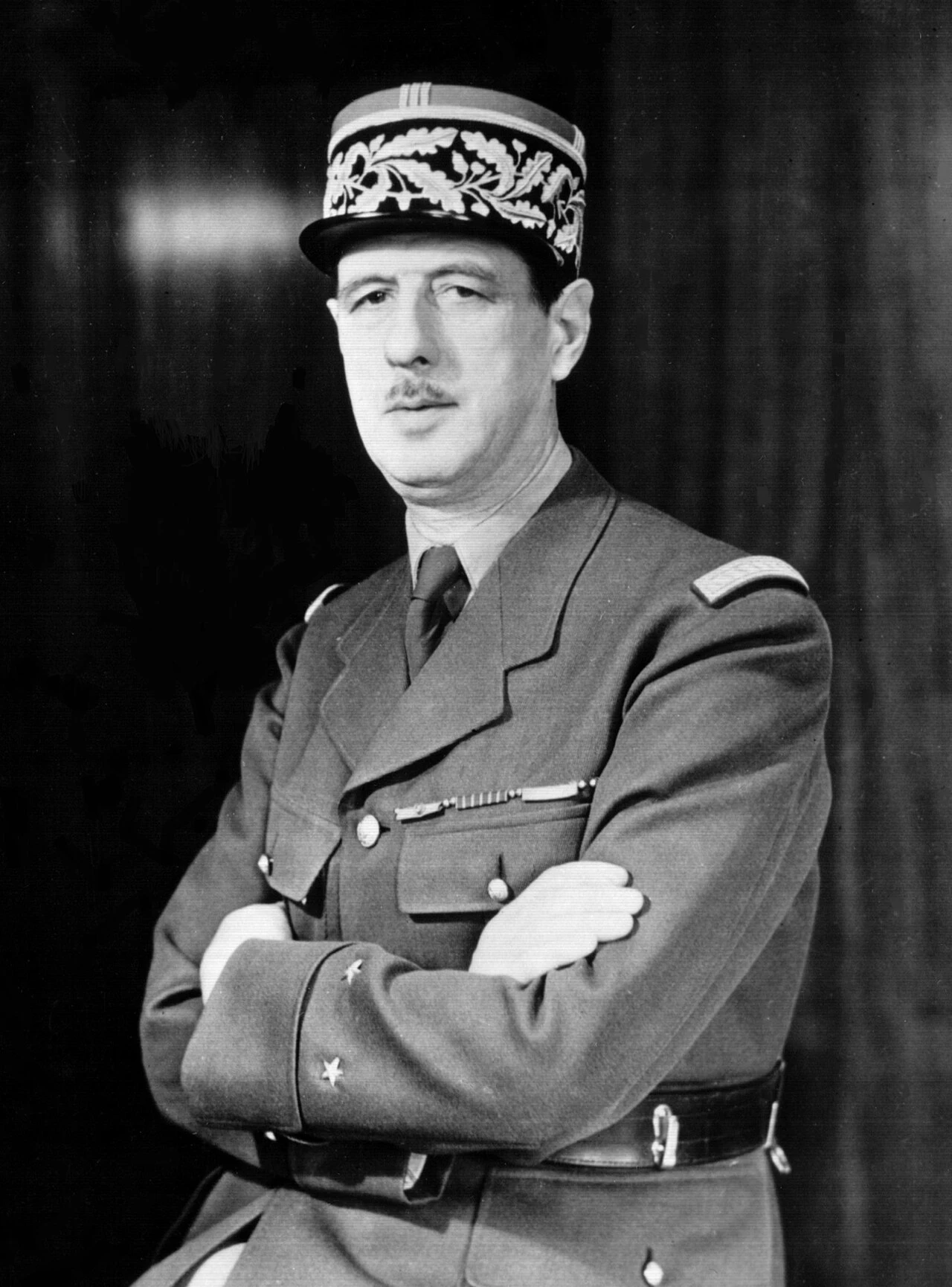
De Gaulle joins the government — 5 June
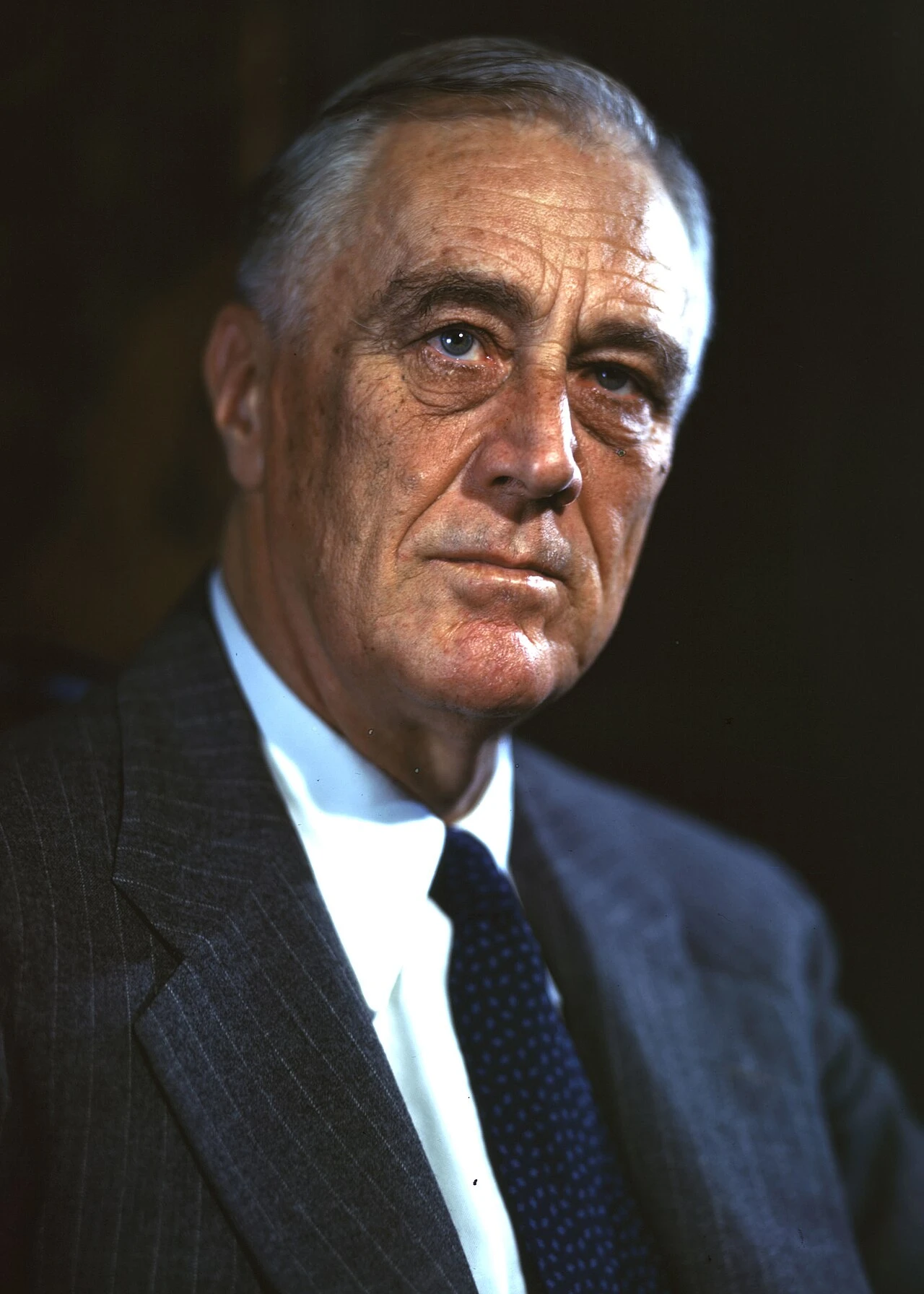
An emissary to judge whether the island will hold
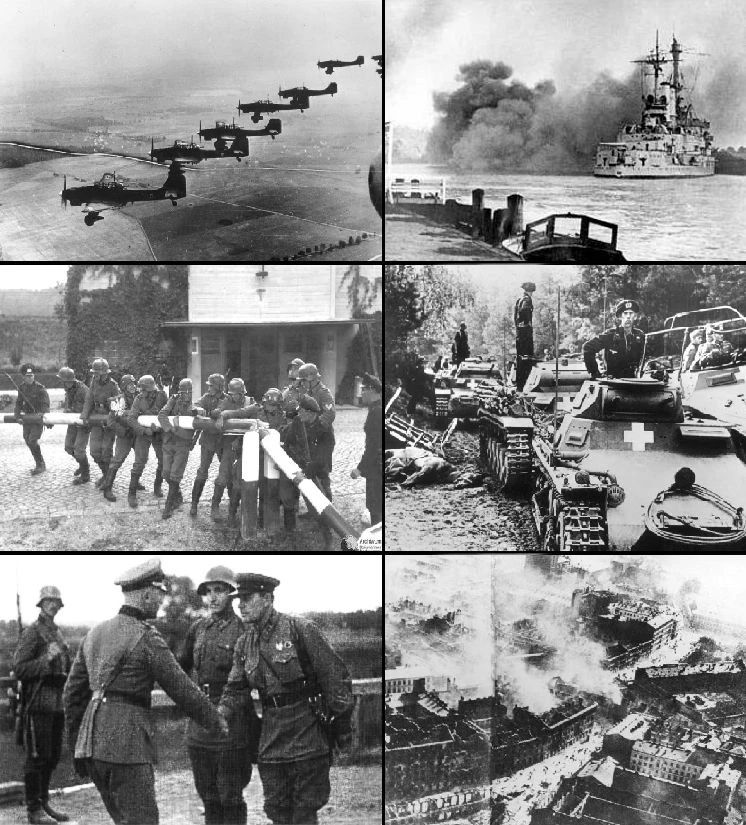
Rydz-Śmigły at Kuty — the directive of 17 September
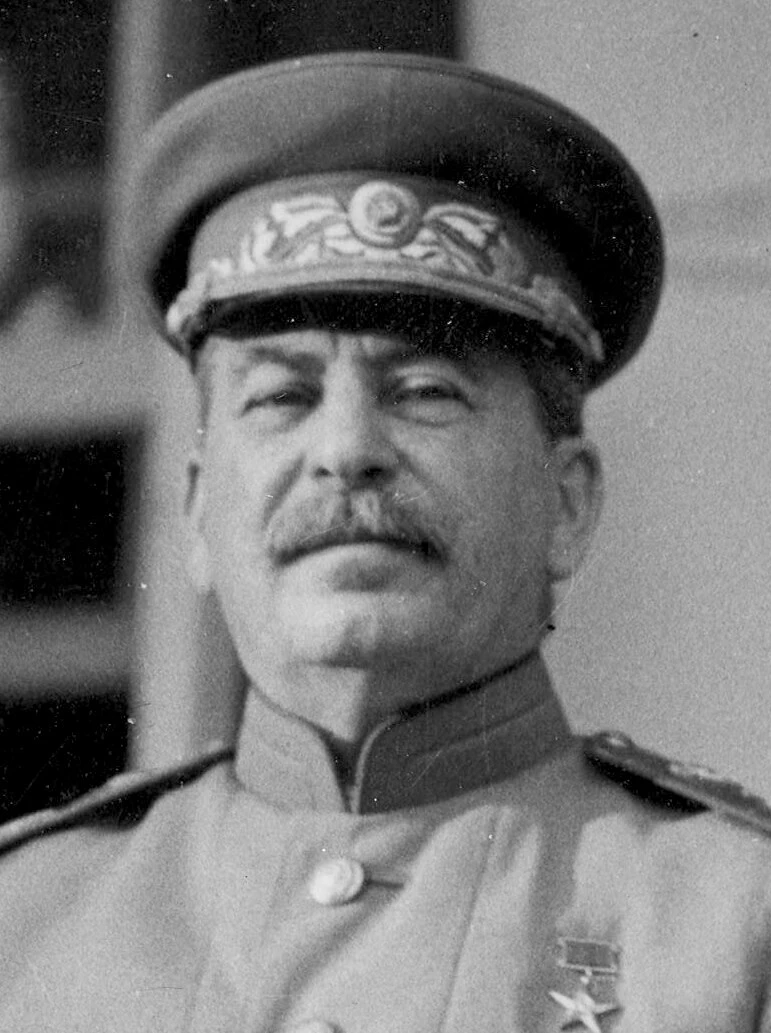
Stalin at the microphone — 'brothers and sisters'
The Franco-British union — 16 June
Beneš in London — autumn 1939
The War Cabinet — Negotiate or Carry On
De Gaulle calls on Churchill — 9 June
Hess — the fixed idea of a separate peace
Reynaud — Matignon 21 March
De Gaulle joins the government — 5 June
An emissary to judge whether the island will hold
Rydz-Śmigły at Kuty — the directive of 17 September
Stalin at the microphone — 'brothers and sisters'
The Franco-British union — 16 June
Beneš in London — autumn 1939