
In six weeks, from 10 May to the end of June 1940, Germany had defeated the Netherlands, Belgium, Luxembourg and France and driven the British Expeditionary Force from the continent — a reversal that few had believed possible. The contrast with the stalemate of 1914–1918 struck the imagination.
To understand this victory, several factors intertwined, and you can debate their relative importance. German material superiority was in fact a myth: the Allies fielded as many, if not more, tanks (often better ones) and men. The difference lay above all in doctrine (concentration of armour, tank-aircraft-radio cooperation, the initiative of commanders), in the audacious plan (the breakthrough through the Ardennes), in command of the air, and in the failings of the Allied command (dispersal of tanks, rigidity, slowness of decisions, poor inter-Allied coordination).
How is the Allied defeat of 1940 to be explained, in essence? By material inferiority? By errors of doctrine and command? Or by the German plan and command of the air? The diagnosis shapes the reading of the entire campaign.
How is the Allied defeat of 1940 to be explained, in essence?
Recent historiography (notably ) holds chiefly to B and C, and dismisses A: the Allies were not inferior in the number of tanks or men — they even possessed often superior armour (B1 bis, Somua). The defeat lay in doctrine (German tanks concentrated versus dispersed on the Allied side, radio, combined-arms cooperation), in the Manstein plan (surprise breakthrough through the Ardennes), in German command of the air and in the deficiencies of the Allied command (slowness, rigidity, poor coordination, the moral collapse of reserve units). The victory of 1940 was less a triumph of quantity than a stroke of audacity and organisation — a "myth of the lightning war" which Frieser has shown owed much to risk-taking and to luck.
Learn more about this event
Related polls
10
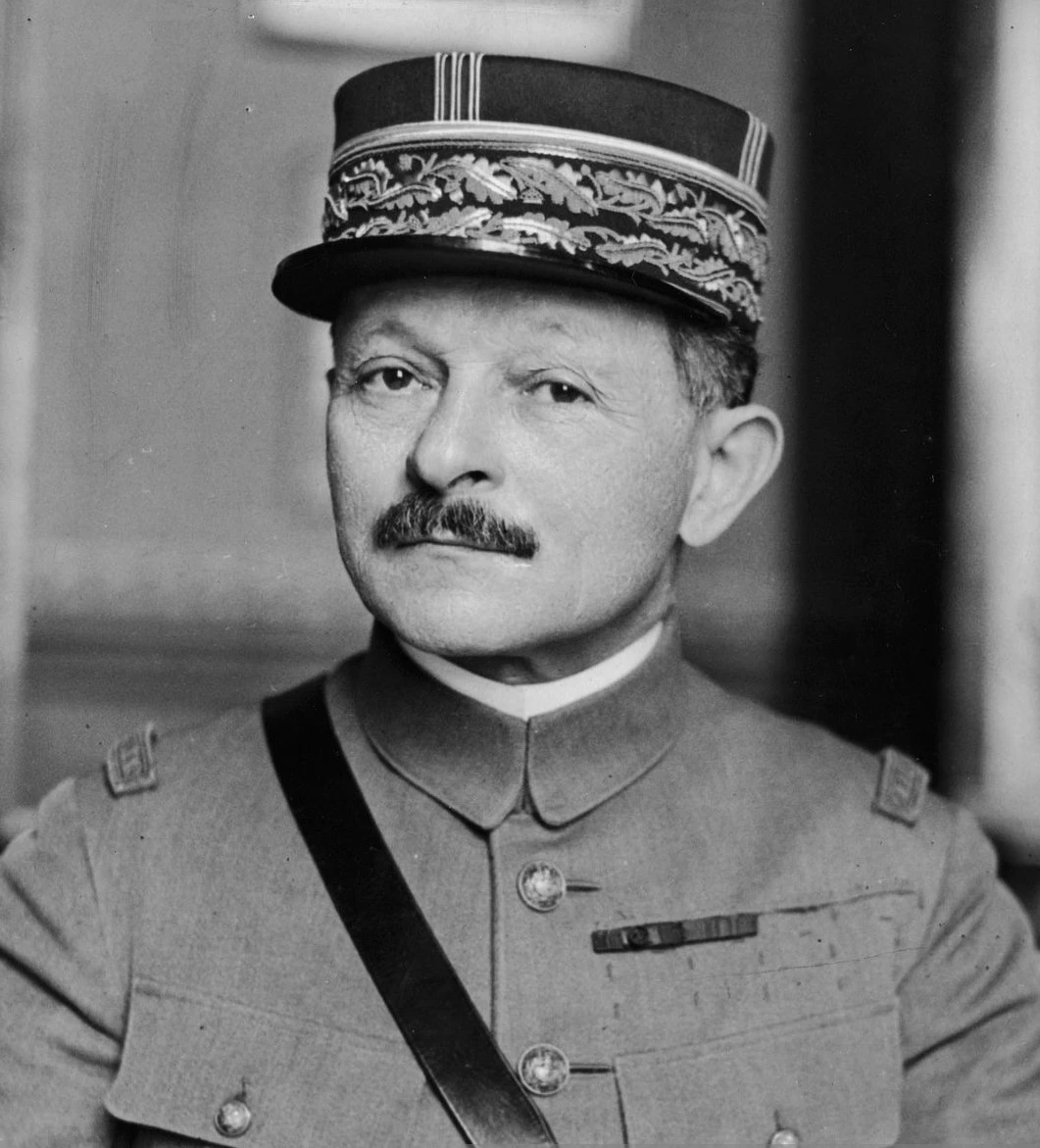
The aborted Weygand counter-attack
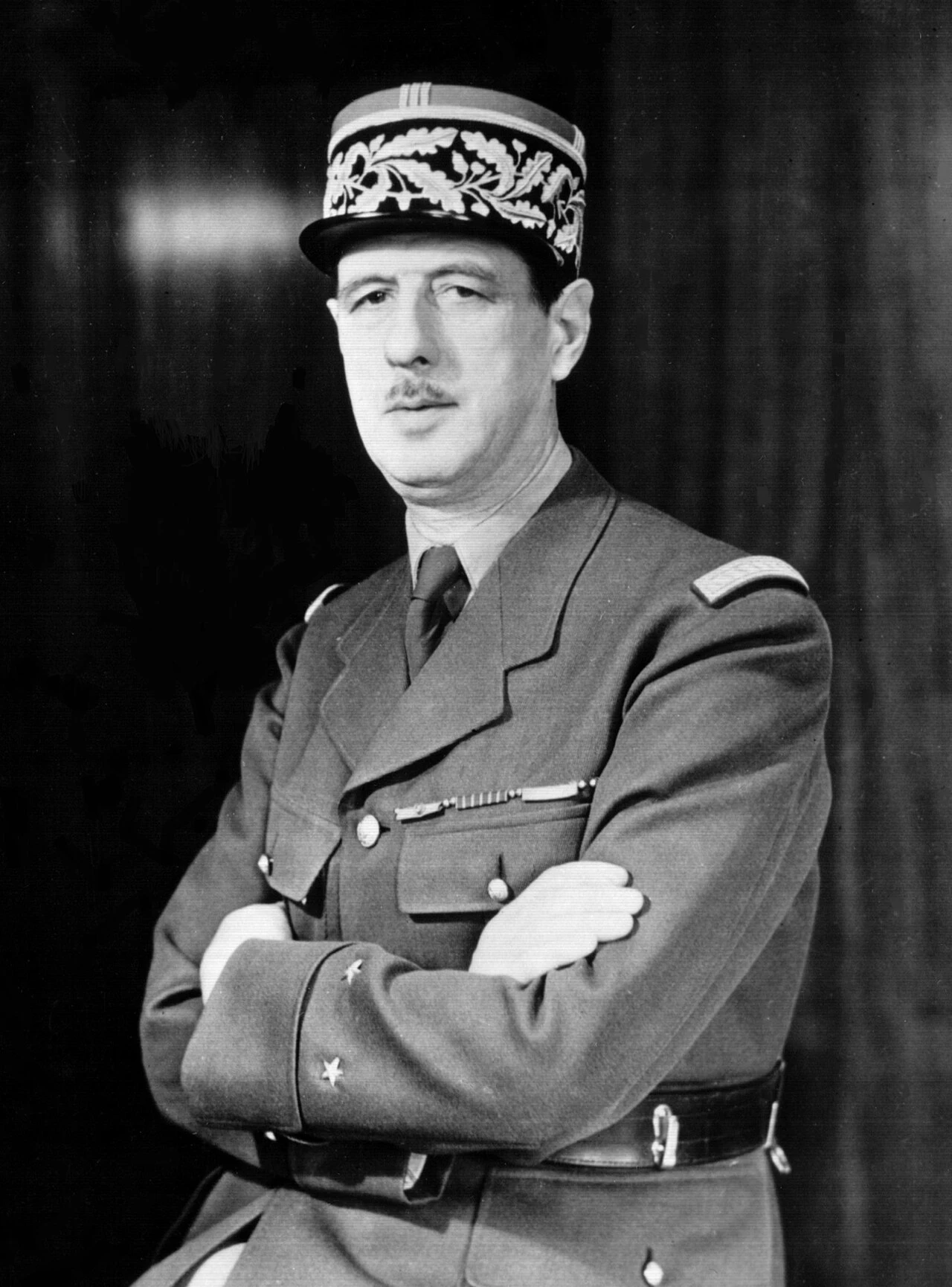
De Gaulle joins the government — 5 June
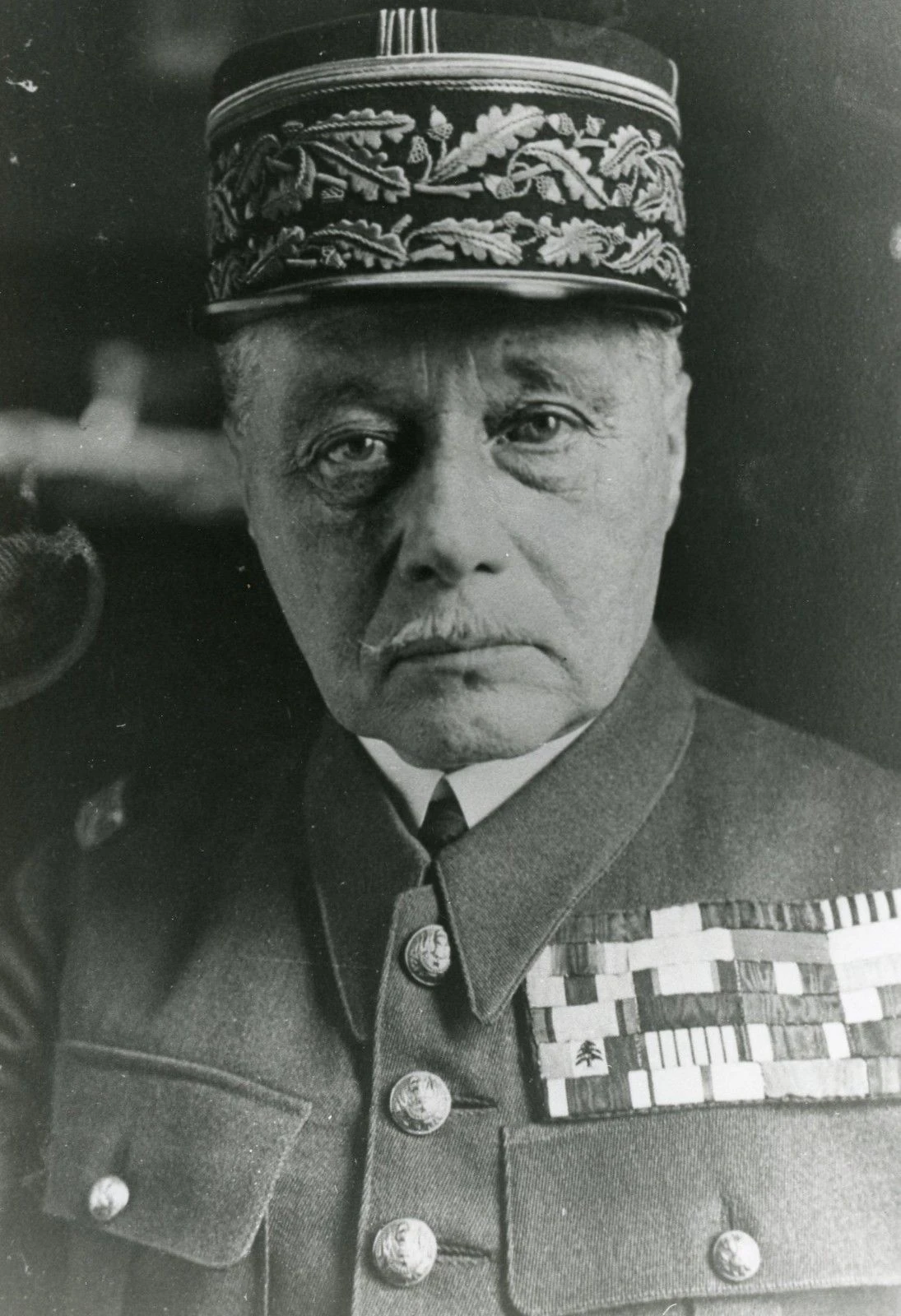
Gamelin, one last order before the envelope
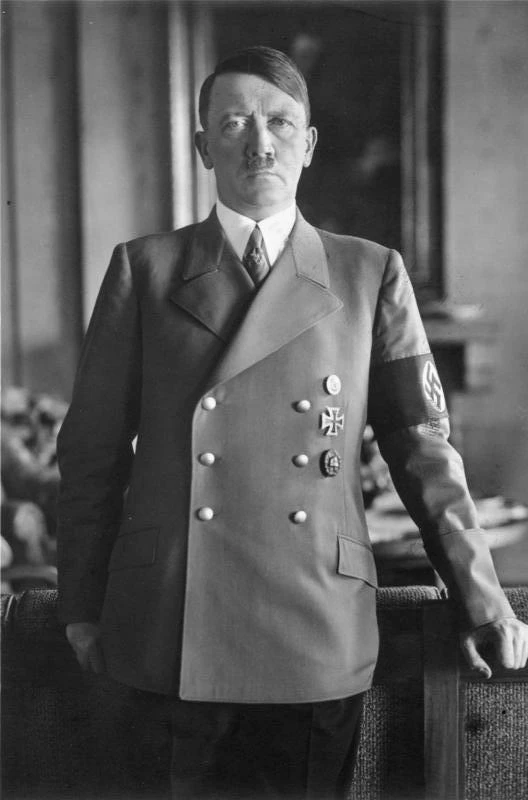
Halt-Befehl — Charleville 24 May 12:30
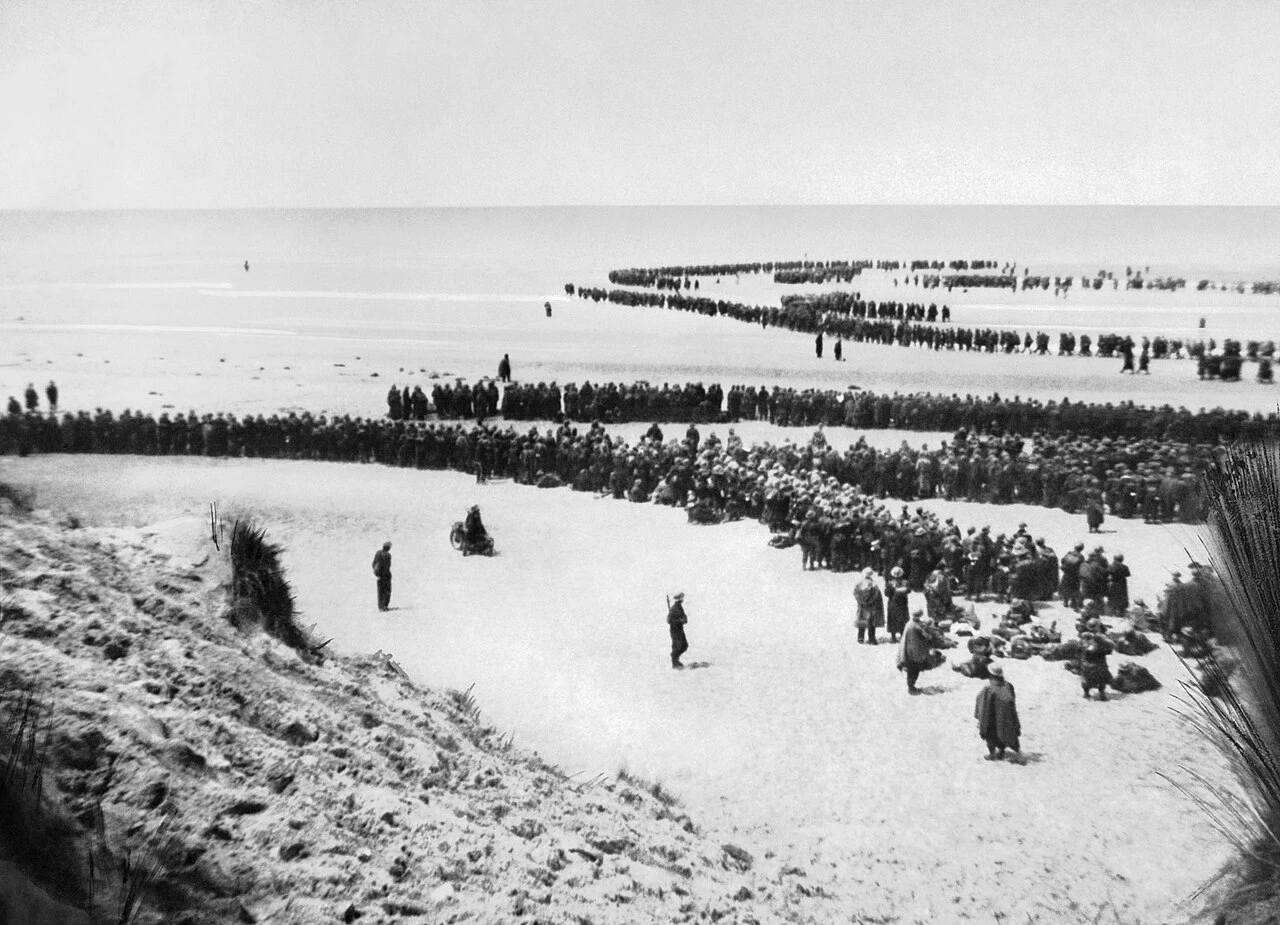
The "Halt Order" before Dunkirk
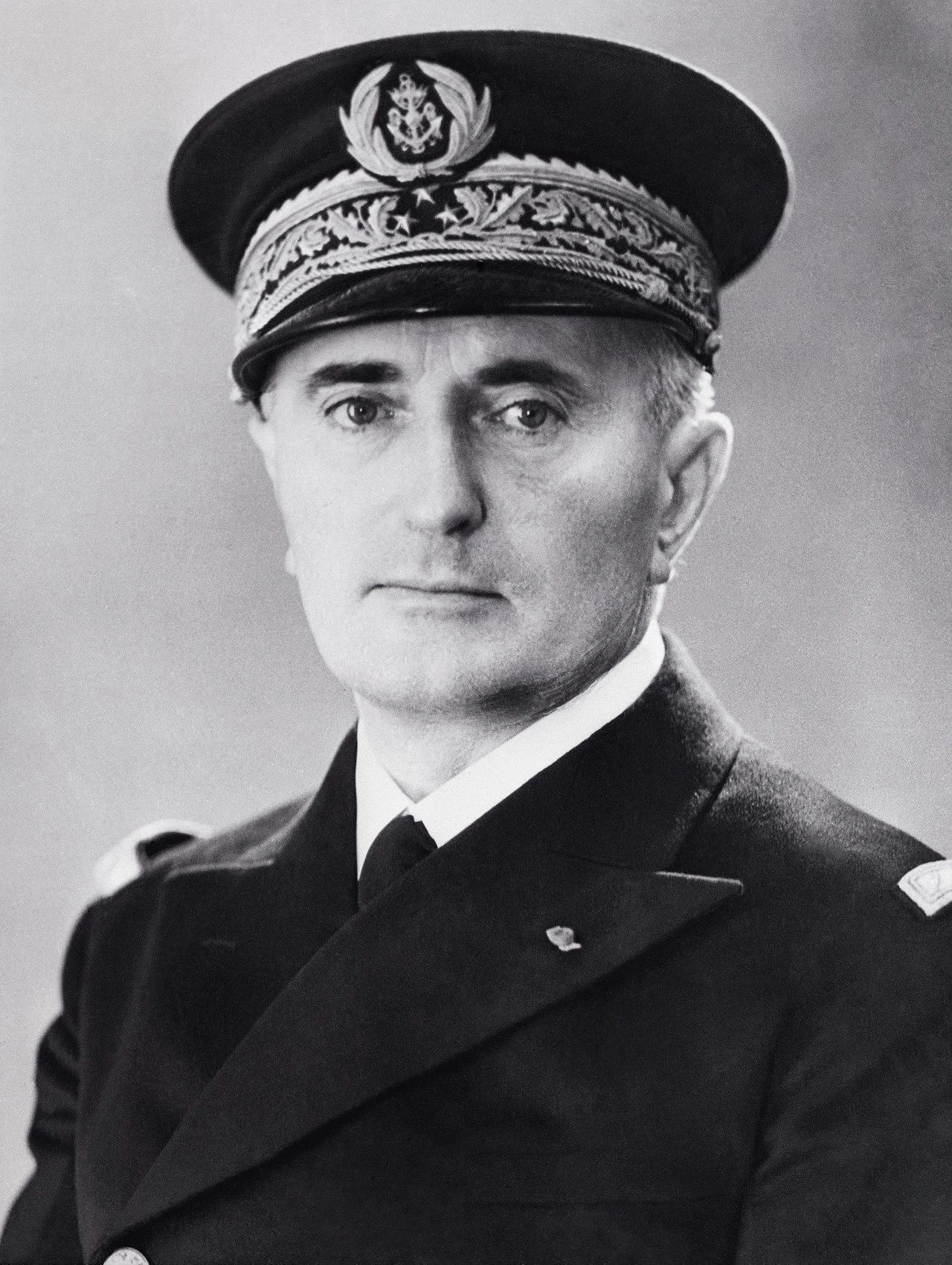
The French navy disperses
The death of Billotte
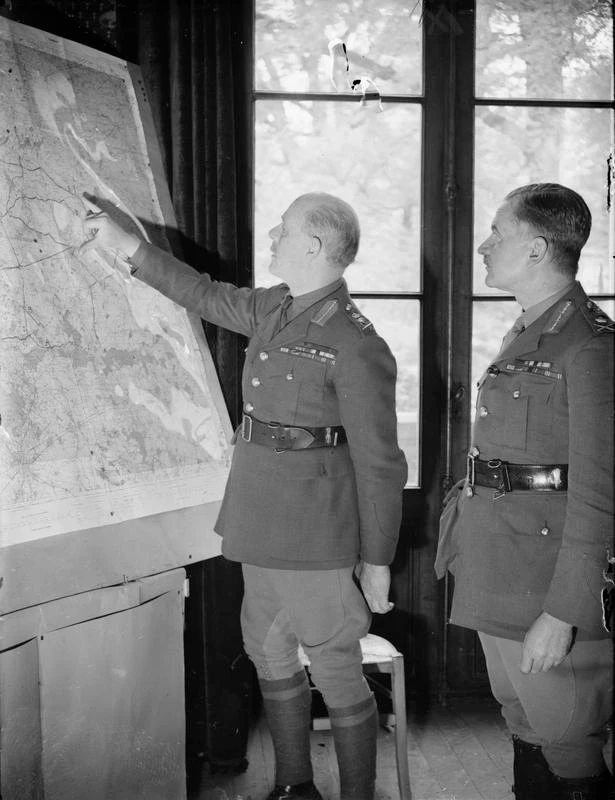
The Order to Evacuate — Gort and Dynamo
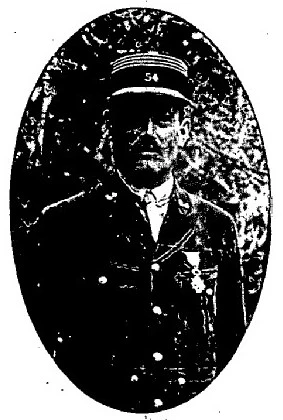
Touchon on the Aisne — Fall Rot
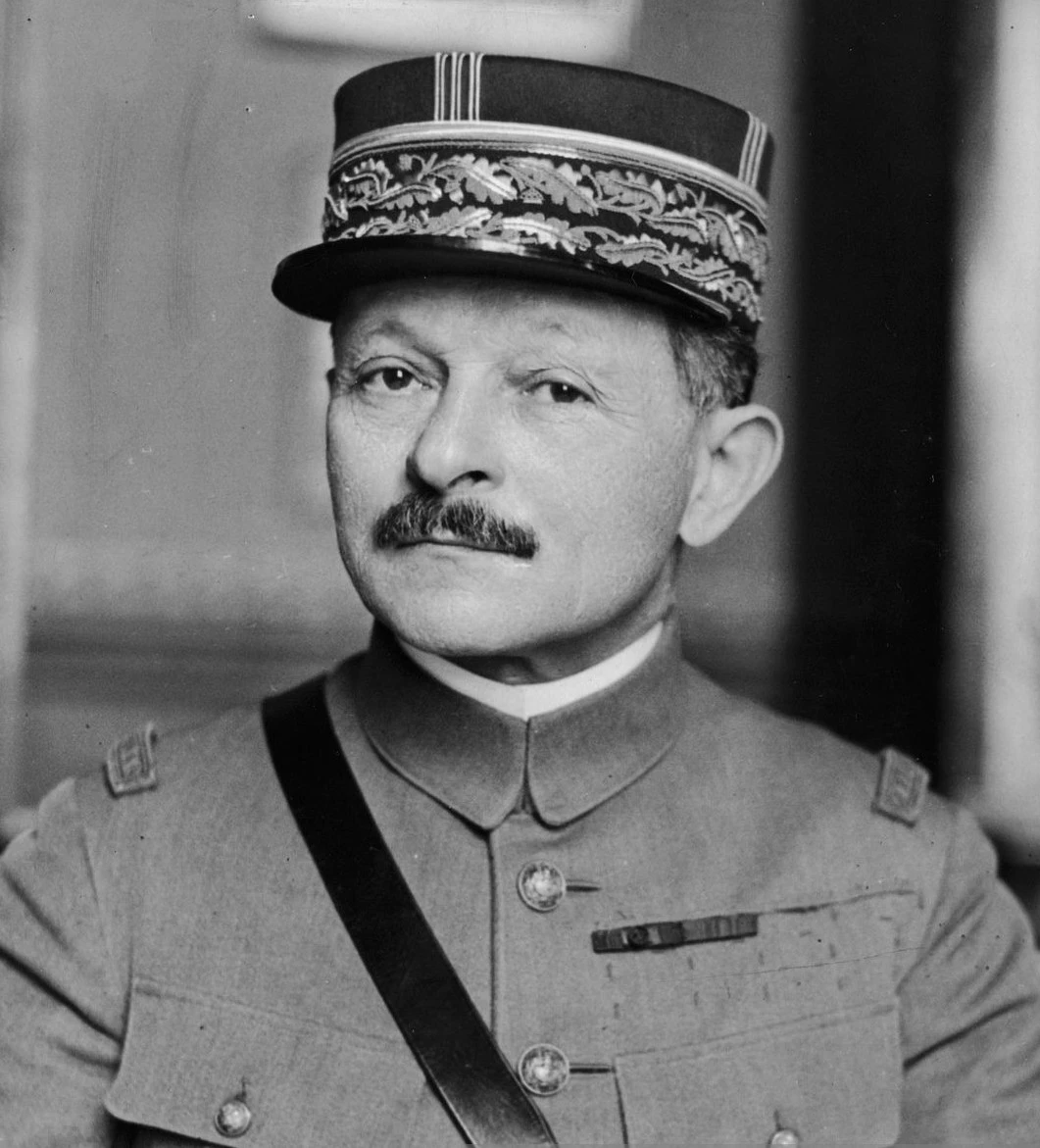
Weygand — Vincennes 20 May 02:00
The aborted Weygand counter-attack
De Gaulle joins the government — 5 June
Gamelin, one last order before the envelope
Halt-Befehl — Charleville 24 May 12:30
The "Halt Order" before Dunkirk
The French navy disperses
The death of Billotte
The Order to Evacuate — Gort and Dynamo
Touchon on the Aisne — Fall Rot