The invasion of England — Operation Seelöwe ("Sea Lion") — rests on a condition fixed by Hitler himself: the Luftwaffe must first secure mastery of the sky above the Channel and the south of England. The plan calls for troops to be ferried across on towed river barges, a fragile arrangement that can succeed only in calm seas and free from interference by the Royal Navy and the RAF.
By mid-September, Admiral Raeder's Kriegsmarine has gathered barges and tugs in the Channel ports, where they are regularly bombed. Above all, the great air assault of September 15 has fizzled: British fighters remain vigorous and air superiority has not been won. The "season" favorable to tides and weather is closing, and winter is approaching.
Hitler must decide on September 17. To launch the invasion without mastery of the sky would be to wager the fate of tens of thousands of men on the Channel; openly renouncing it would amount to admitting failure and letting the war drag on into 1941, to the benefit of a Britain backed by American industry.
Should Hitler launch Sea Lion, postpone it, or give it up?
Hitler picks B: on September 17, 1940, he postpones Operation Sea Lion "until further notice." Officially the threat is kept up to pin down British forces; in practice the invasion will never take place. Hitler confides to his entourage that a failed crossing would cost far more than the losses of the French campaign. Unable to bring Britain down, he turns to other paths — strangling the island with U-boats and the Blitz, closing the Mediterranean — and increasingly toward the East: the idea of attacking the USSR, taking shape this autumn, will mature into Plan Barbarossa over the winter. The postponement of Sea Lion marks the first great limit on German expansion since 1939.
Learn more about this event
Related polls
10
Gibraltar after the rebuff at Hendaye
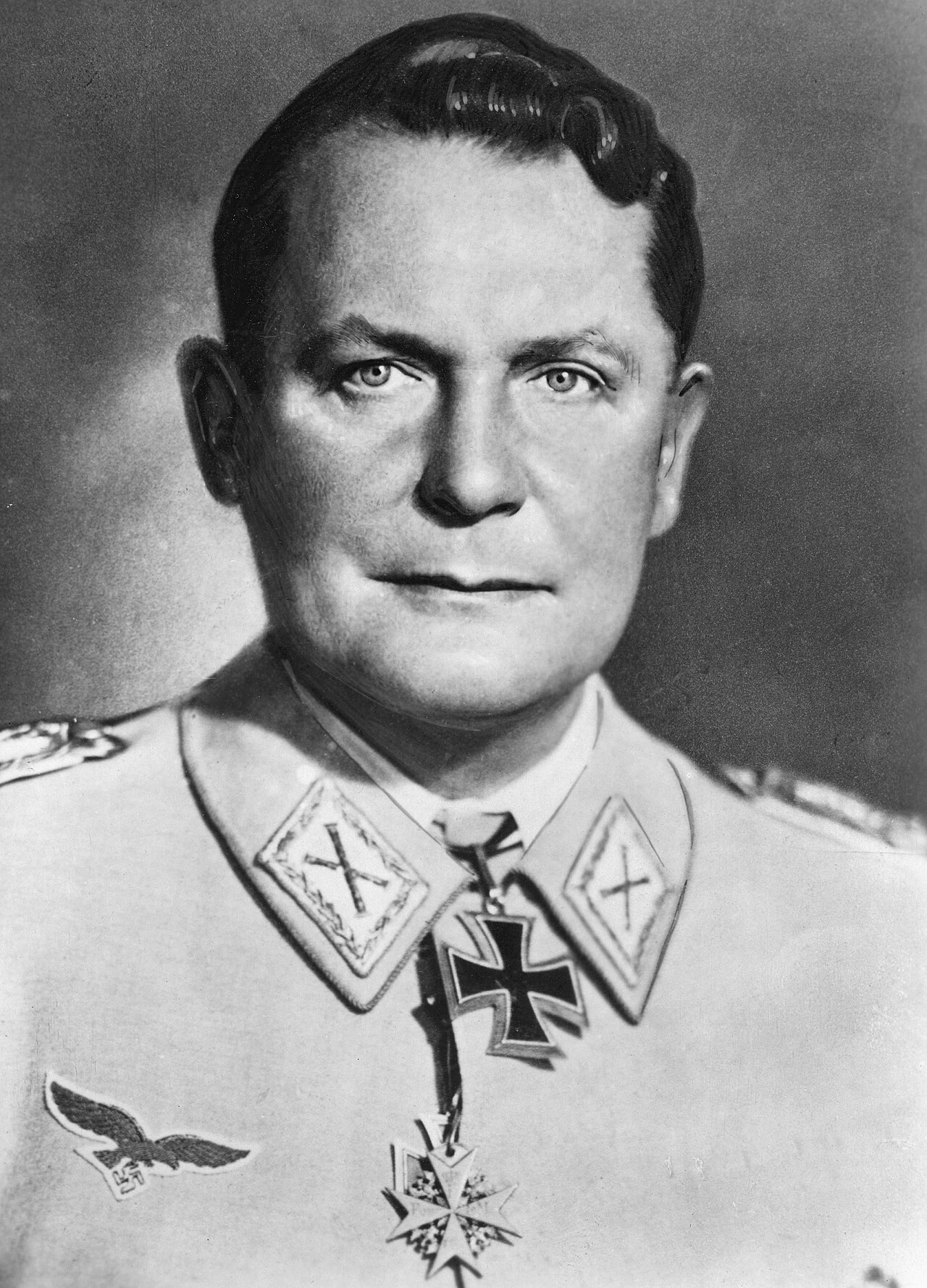
Goering at Carinhall — the promise to Hitler
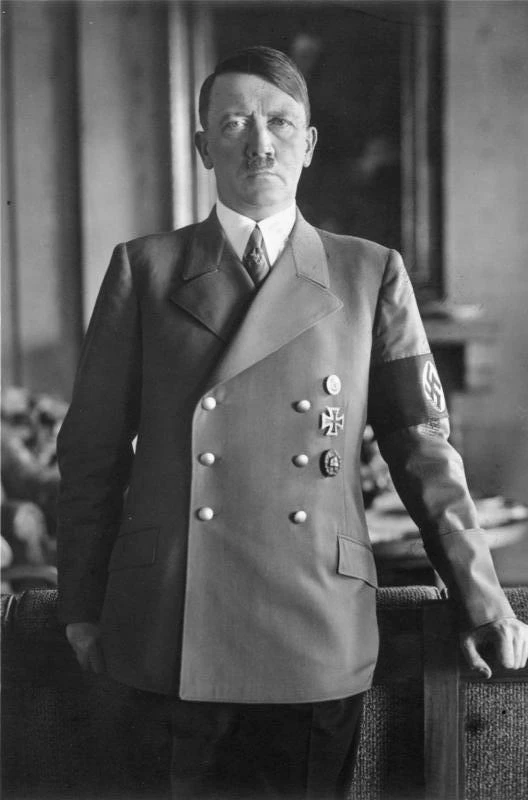
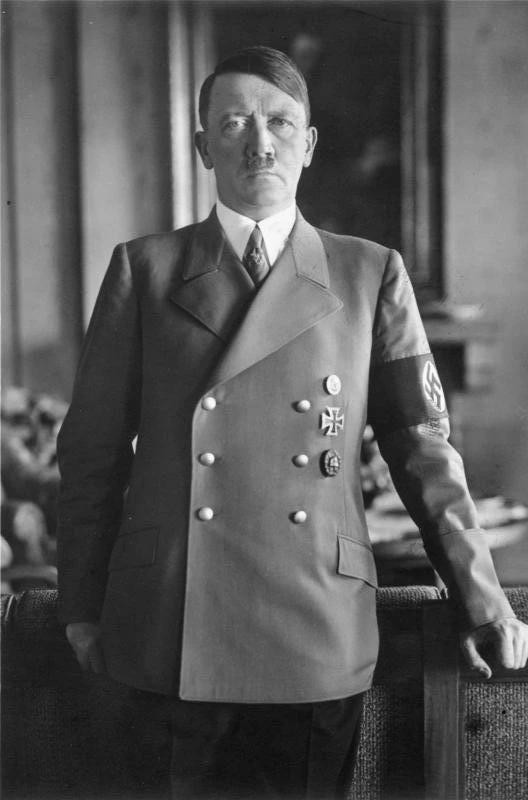
Hitler After Molotov — Berlin, November 1940
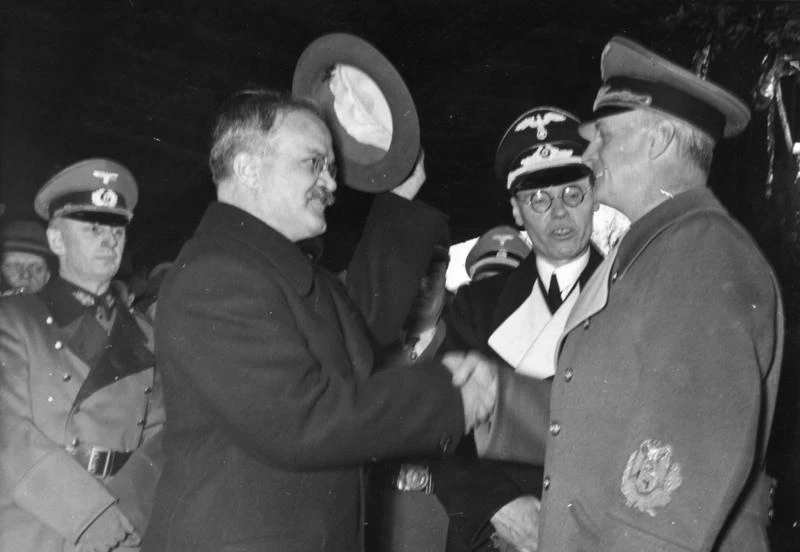
Molotov in Berlin — November 12
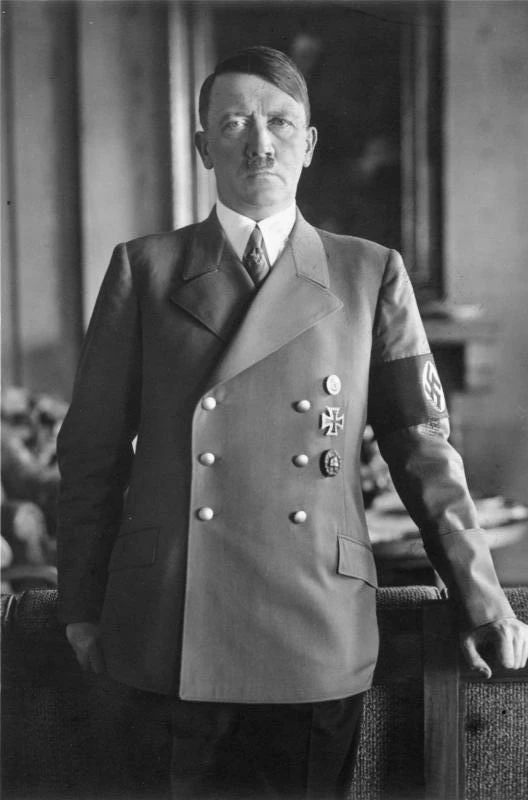
Saving an ally bogged down in the mountains
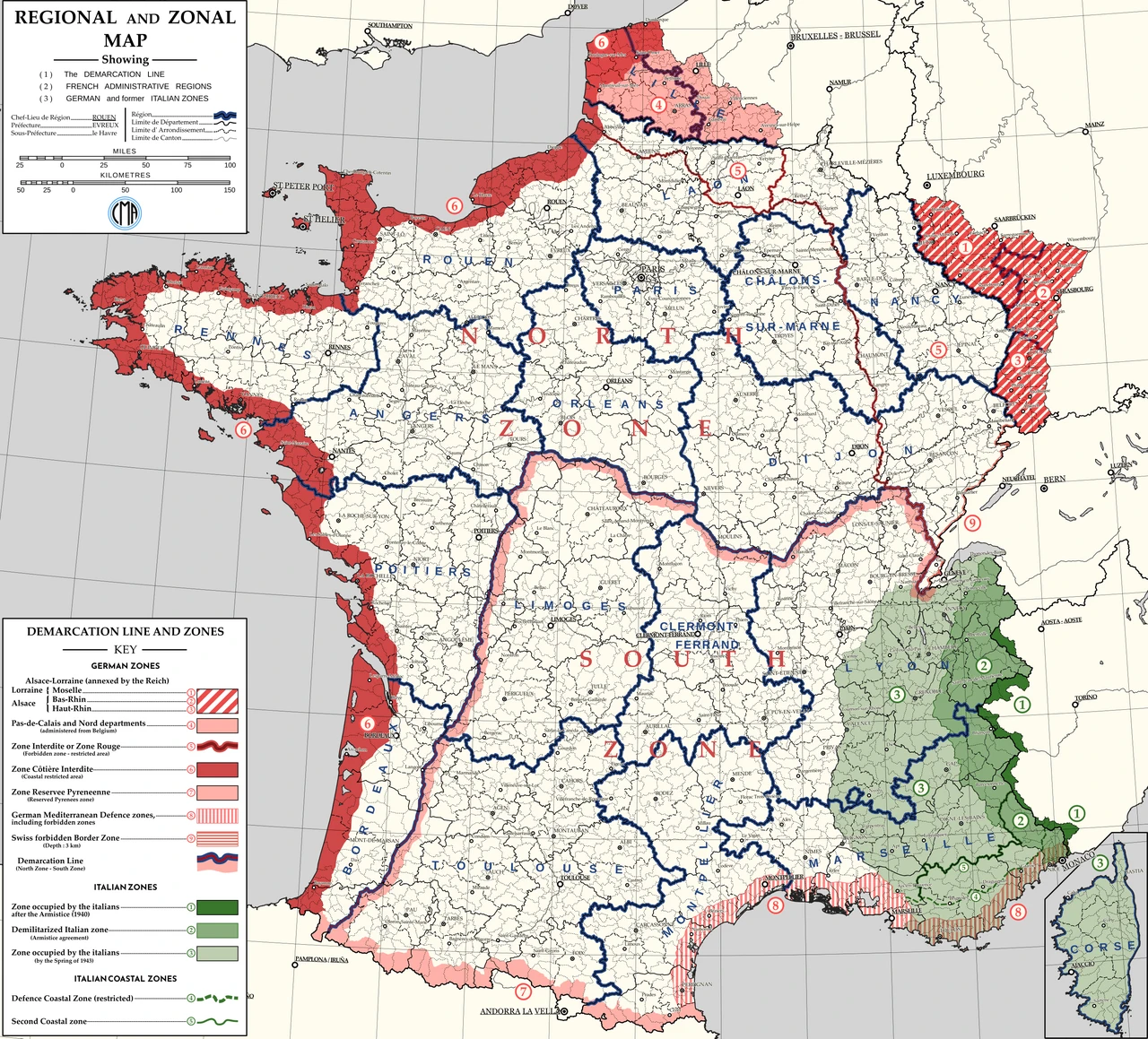
Wiesbaden — Tracing the Demarcation Line
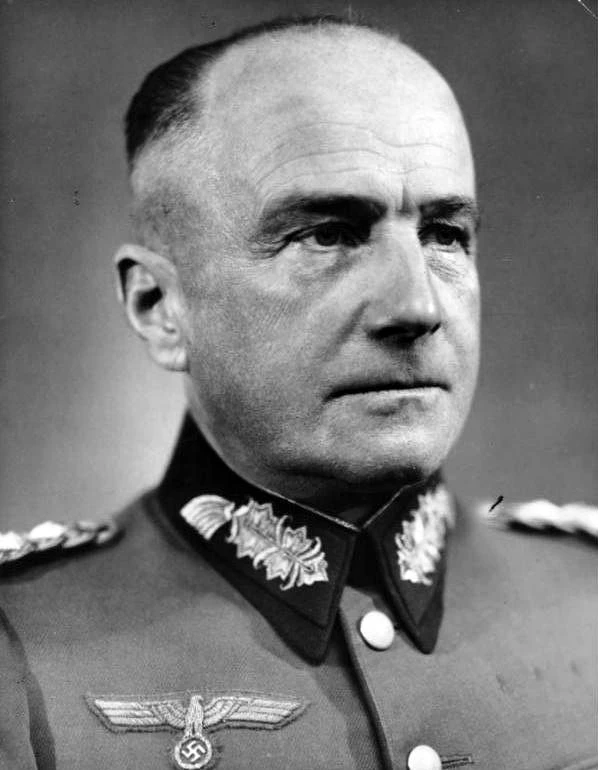
Brauchitsch — Reich Chancellery, 5 November
Bulgaria: lock of the Balkans, a price to pay
Hitler and Fall Gelb — 29 postponements
Hitler — the Eve of Barbarossa
Gibraltar after the rebuff at Hendaye
Goering at Carinhall — the promise to Hitler
Hitler After Molotov — Berlin, November 1940
Molotov in Berlin — November 12
Saving an ally bogged down in the mountains
Wiesbaden — Tracing the Demarcation Line
Brauchitsch — Reich Chancellery, 5 November
Bulgaria: lock of the Balkans, a price to pay
Hitler and Fall Gelb — 29 postponements