
O'Connor launches Compass — Sidi Barrani
Since September 1940, Graziani's Italian army has occupied a strip of the Egyptian desert around Sidi Barrani, where it has established a chain of fortified camps without pushing on toward the British positions. The Commander-in-Chief Middle East, Wavell, and the head of the , General , dispose of forces vastly inferior in numbers: barely two divisions, the 7th Armoured and the 4th Indian, against some ten Italian divisions.
But Cairo's cryptographers have broken the Italian codes, revealing the precise layout of the camps and a major flaw: undefended gaps between them. O'Connor has devised a daring five-day raid, designed to strike by surprise through these breaches before withdrawing.
On 9 December the attack drives deep into the Italian dispositions. The first camps fall quickly, prisoners stream in by the thousand, and the enemy disintegrates more completely than expected. O'Connor now faces a choice he had not anticipated: stick to the limited raid agreed for lack of reserves, or transform the operation into an exploitation offensive toward Libya, at the risk of stretching already fragile supply lines to breaking point.
Should O'Connor stick to the planned raid or exploit the Italian collapse and drive into Libya?
O'Connor chose B. Sidi Barrani fell on 10 December, with tens of thousands of prisoners; the fortified camps collapsed one after another. What had been planned as a five-day raid turned into one of the most devastating offensives of the war: the crossed the frontier, took Sollum and drove on toward Bardia and Tobruk. In two months Operation Compass would destroy ten Italian divisions, take more than 130,000 prisoners and advance nearly 800 km, as far as Beda Fomm. The victory, won with a handful of men, was so complete that it soon convinced Hitler to send Rommel to rescue his ally. O'Connor embodied here the boldness of a commander who turns a coup de main into a strategic victory.
Learn more about this event
Related polls
10
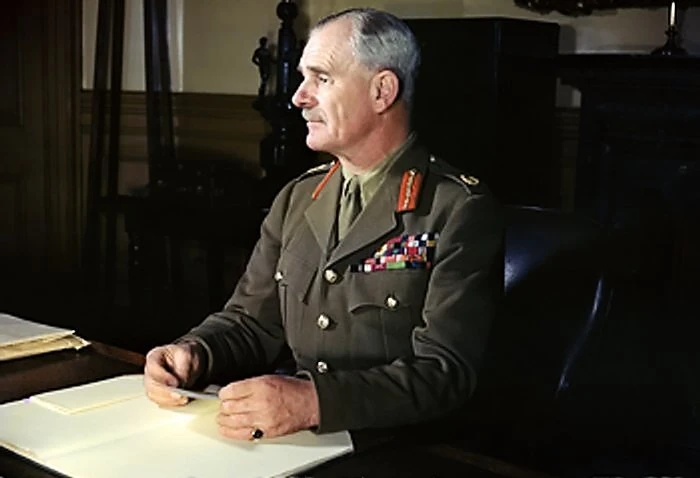
Battleaxe — Wavell before Halfaya
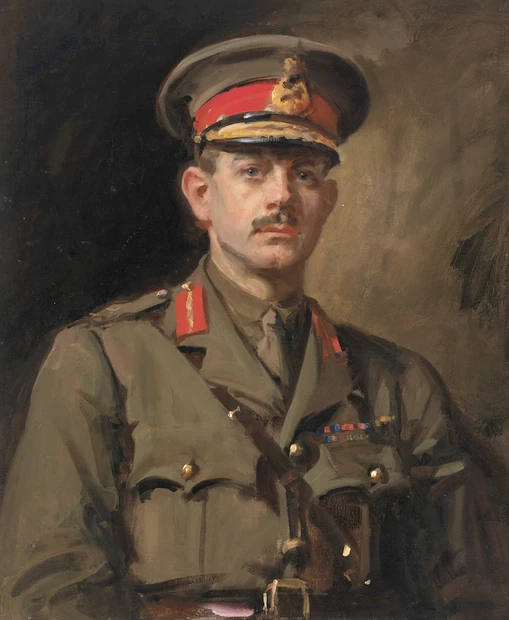
Mackay before Tobruk — the assault
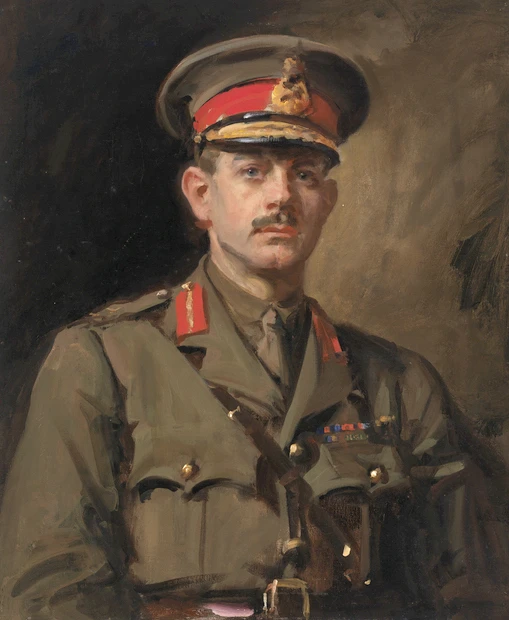
Mackay and the Australians at Bardia
The Greeks at the Klisura Pass
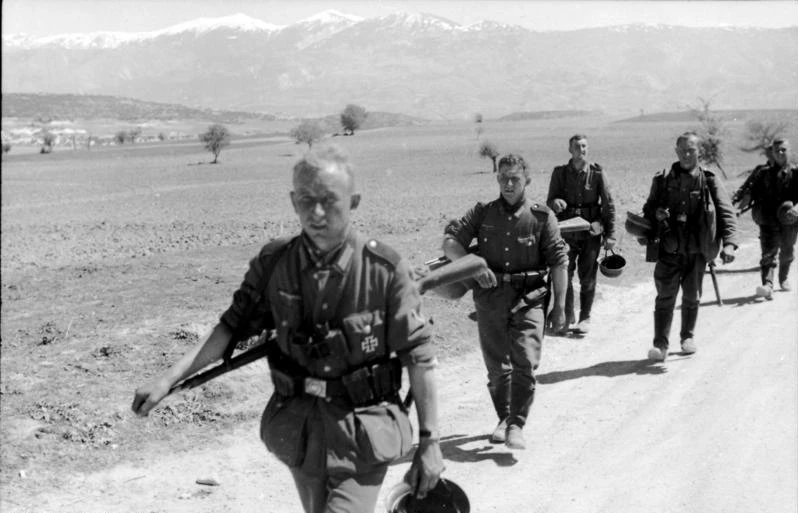
Marita — the invasion of Greece
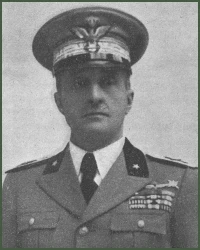
Pintor in the Alps — 21 June
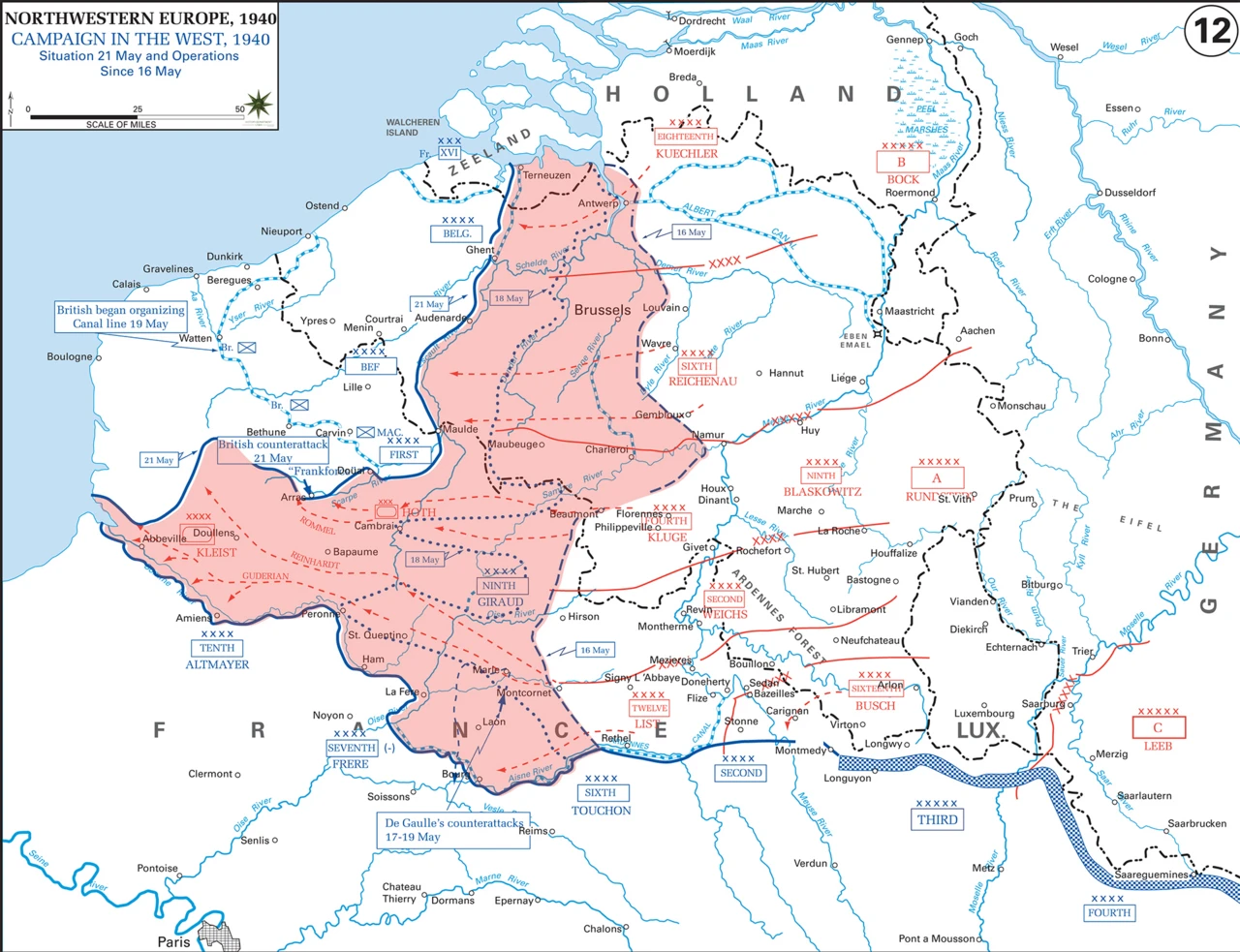
Arras — the Matildas against Rommel's flank
The Houx weir
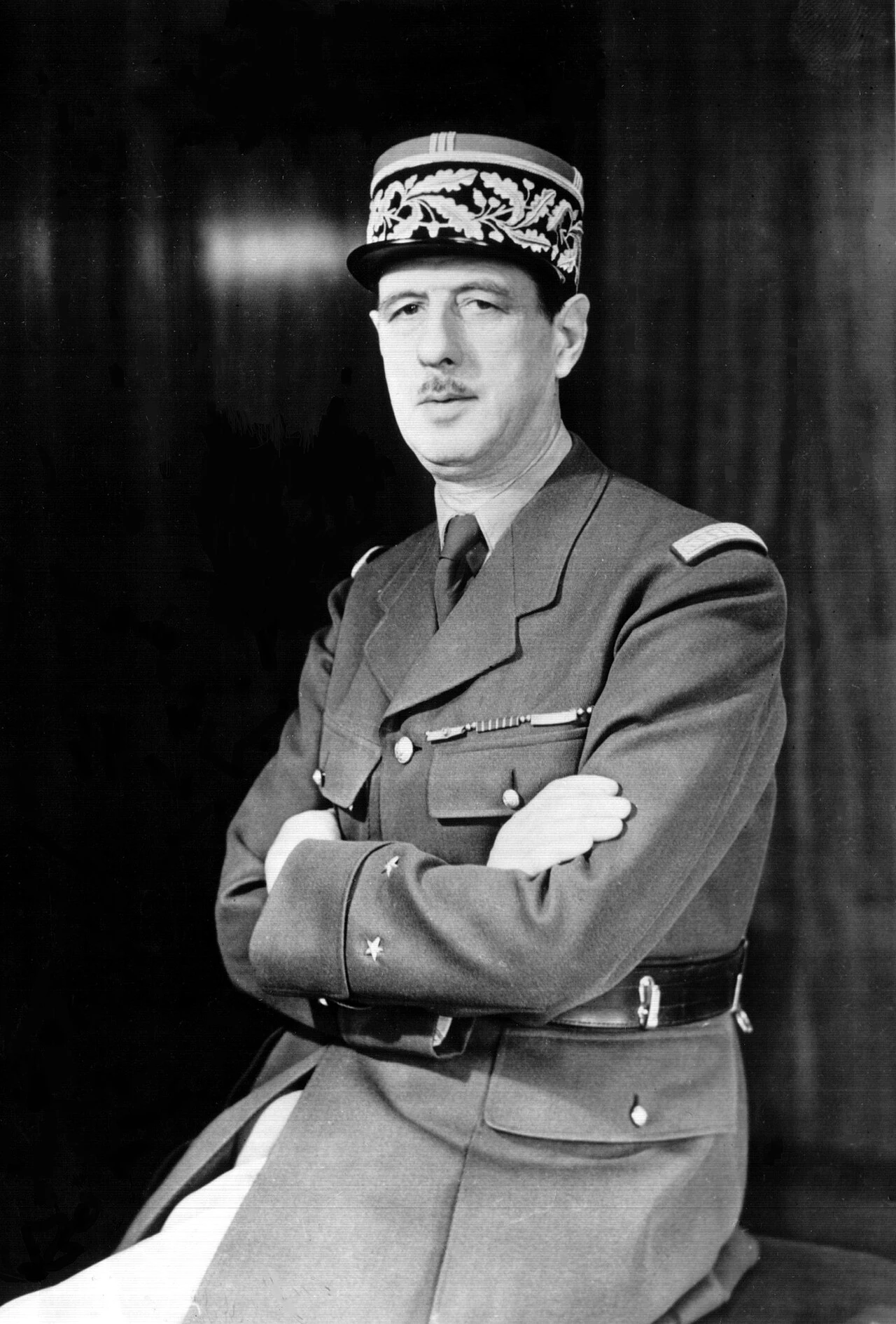
De Gaulle at Abbeville
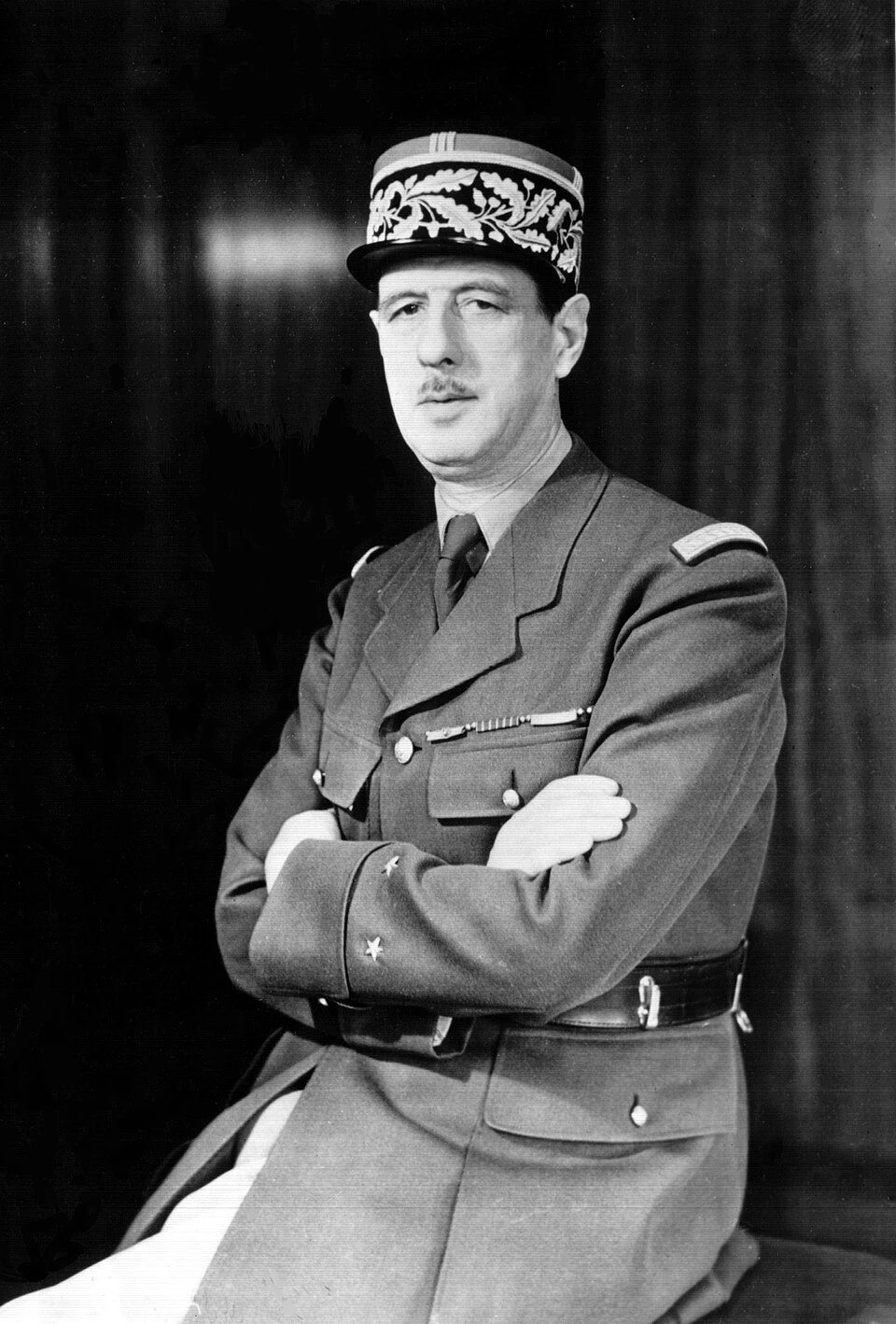
De Gaulle at Montcornet — 17 May
Battleaxe — Wavell before Halfaya
Mackay before Tobruk — the assault
Mackay and the Australians at Bardia
The Greeks at the Klisura Pass
Marita — the invasion of Greece
Pintor in the Alps — 21 June
Arras — the Matildas against Rommel's flank
The Houx weir
De Gaulle at Abbeville