
June 1940. The German armies are surging across France and closing in on Paris. The Louvre houses the Mona Lisa, the Winged Victory of Samothrace, and thousands of works among the most precious in the world's heritage. , at the head of the Musees nationaux, knows that these treasures are under threat: Berlin openly covets Europe's masterpieces.
Time is running out. The crates number in the thousands, trucks are in short supply, and the roads are clogged with refugees. Every day gained by the enemy narrows the room to maneuver.
Jaujard must decide: disperse the collections far from the capital, quietly conceal the most iconic pieces on site, or rely on the protected status of a cultural institution.
Faced with the German advance, how should Jaujard protect the Louvre's collections?
Jaujard chose mass evacuation to the provinces (choice A). Anticipating war as early as 1938-1939, he had already organized convoys; in June 1940 the major works -- including the Mona Lisa and the Winged Victory of Samothrace -- were transported to the chateaux of the Loire (Chambord in particular) and then to other depots in the southwest and south of France. The collections moved about according to the threat throughout the war. In this way Jaujard managed to keep the bulk of the Louvre out of reach of Nazi covetousness and plunder, a rescue that remains exemplary.
Learn more about this event
Related polls
10
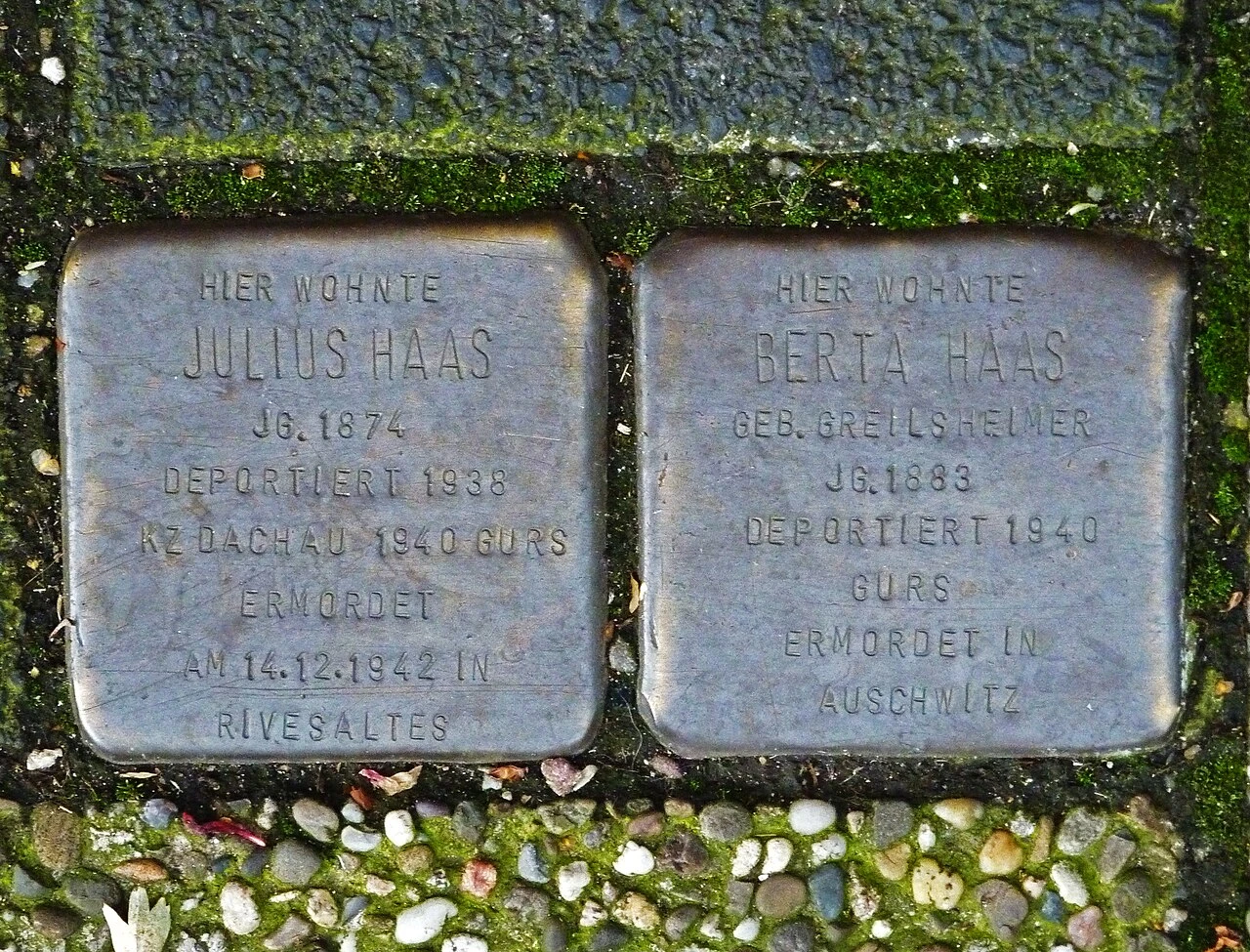
Hannah Arendt, Stateless and Interned, Facing Exile
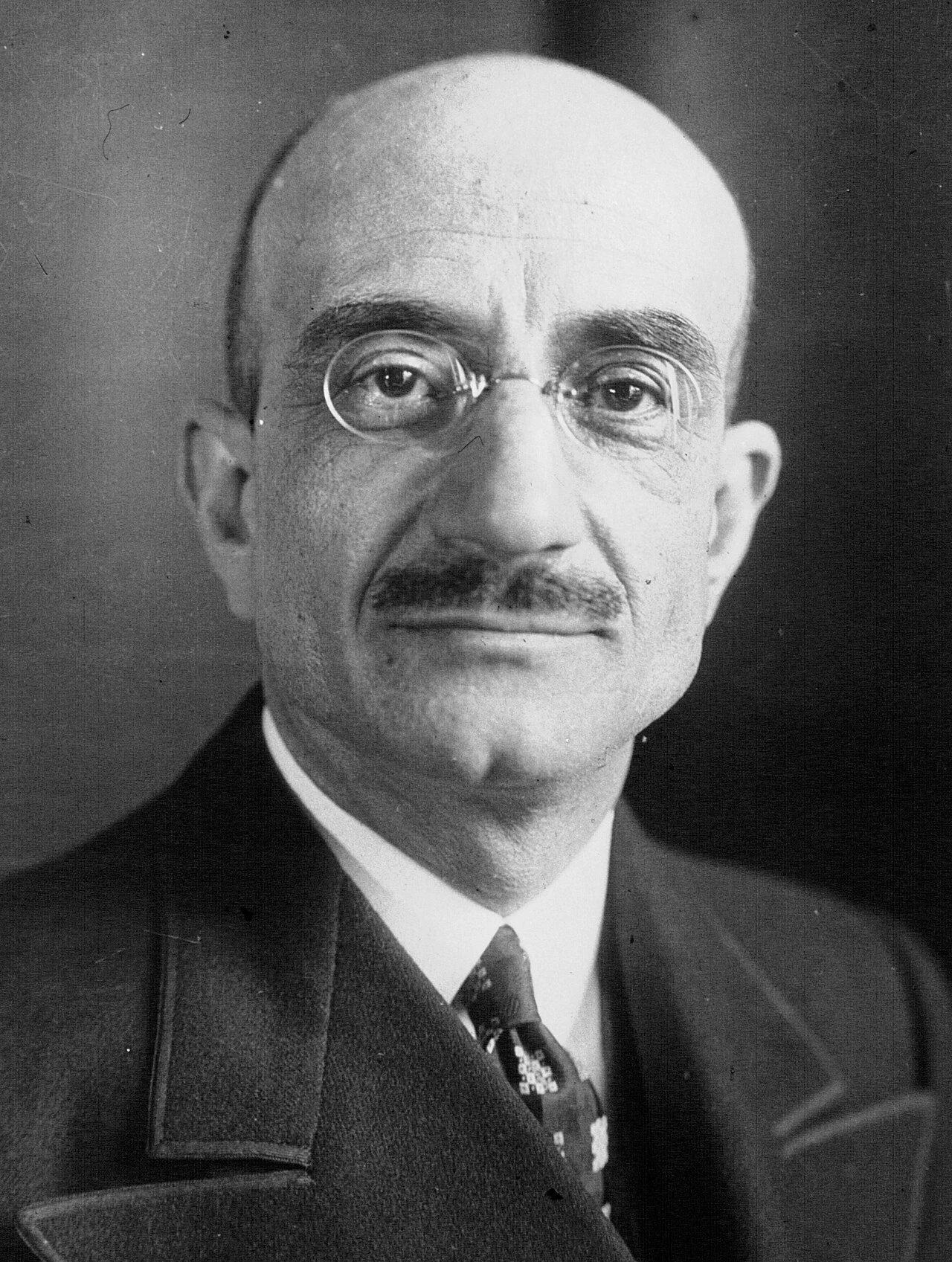
Langeron — Prefecture of Police, 14 June

Pierre Caron facing the exodus — the archivist and his post
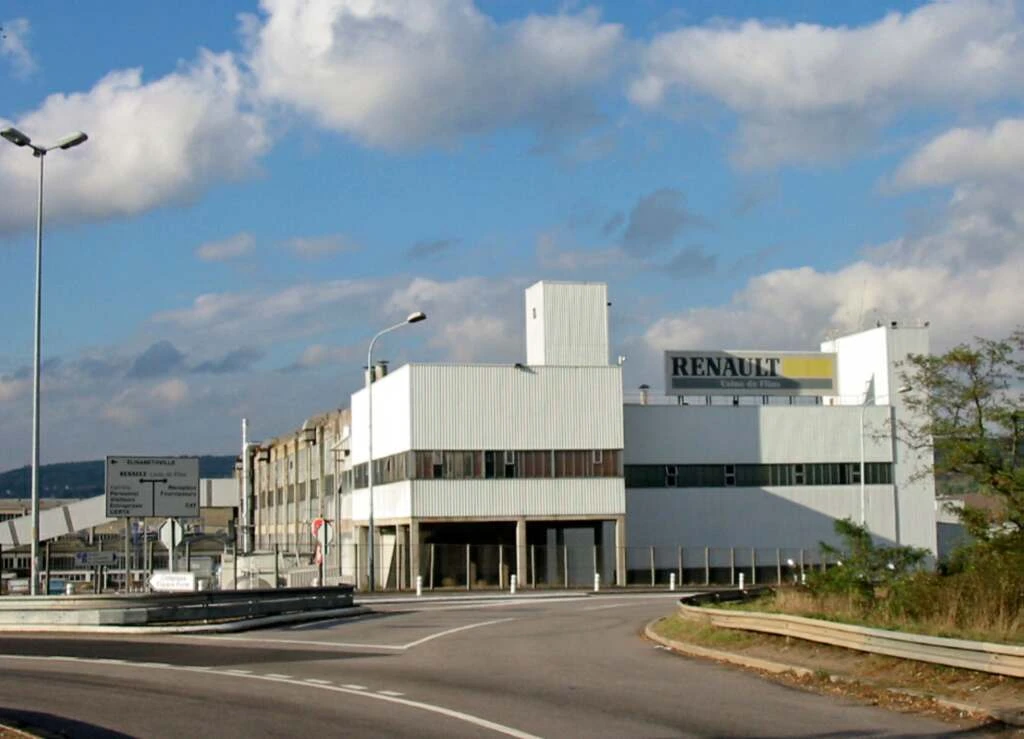
Billancourt under threat: the old boss and his machines
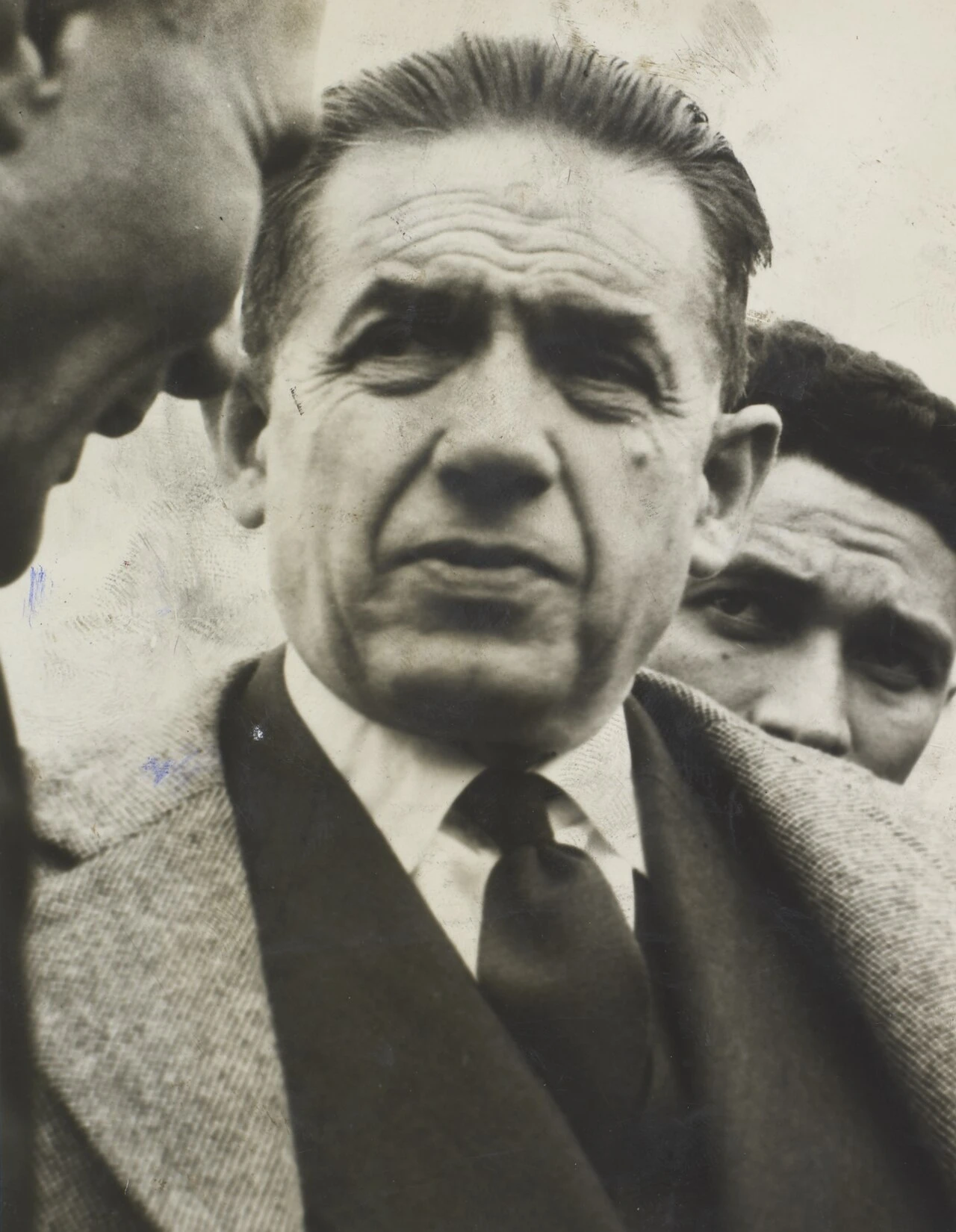
Edmond Michelet — Brive leaflet, 18 June
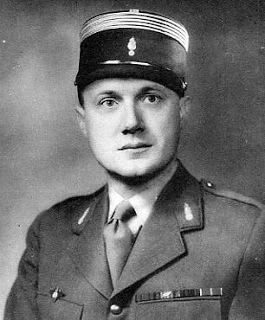
Gilbert Renault — the road to London
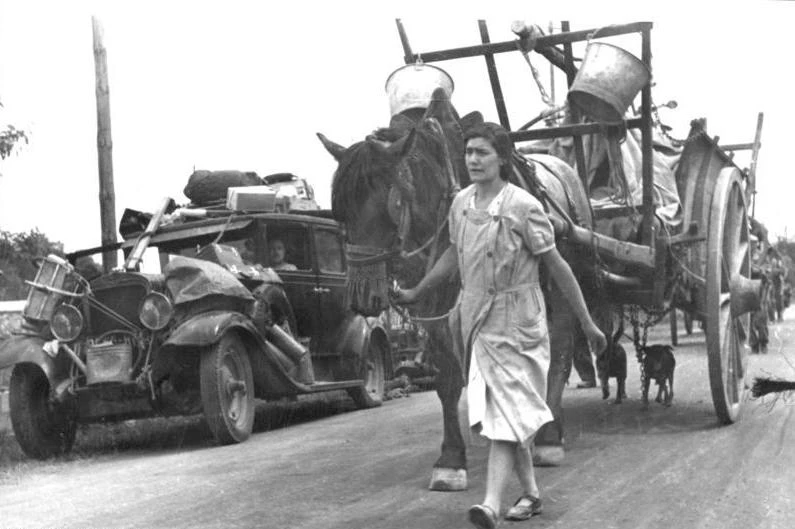
A Schoolteacher at Périgueux — Welcoming the Exodus
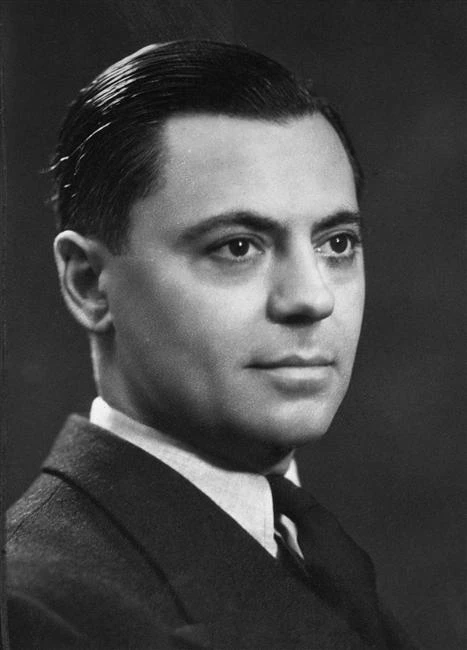
Jean Moulin — Chartres, 17 June
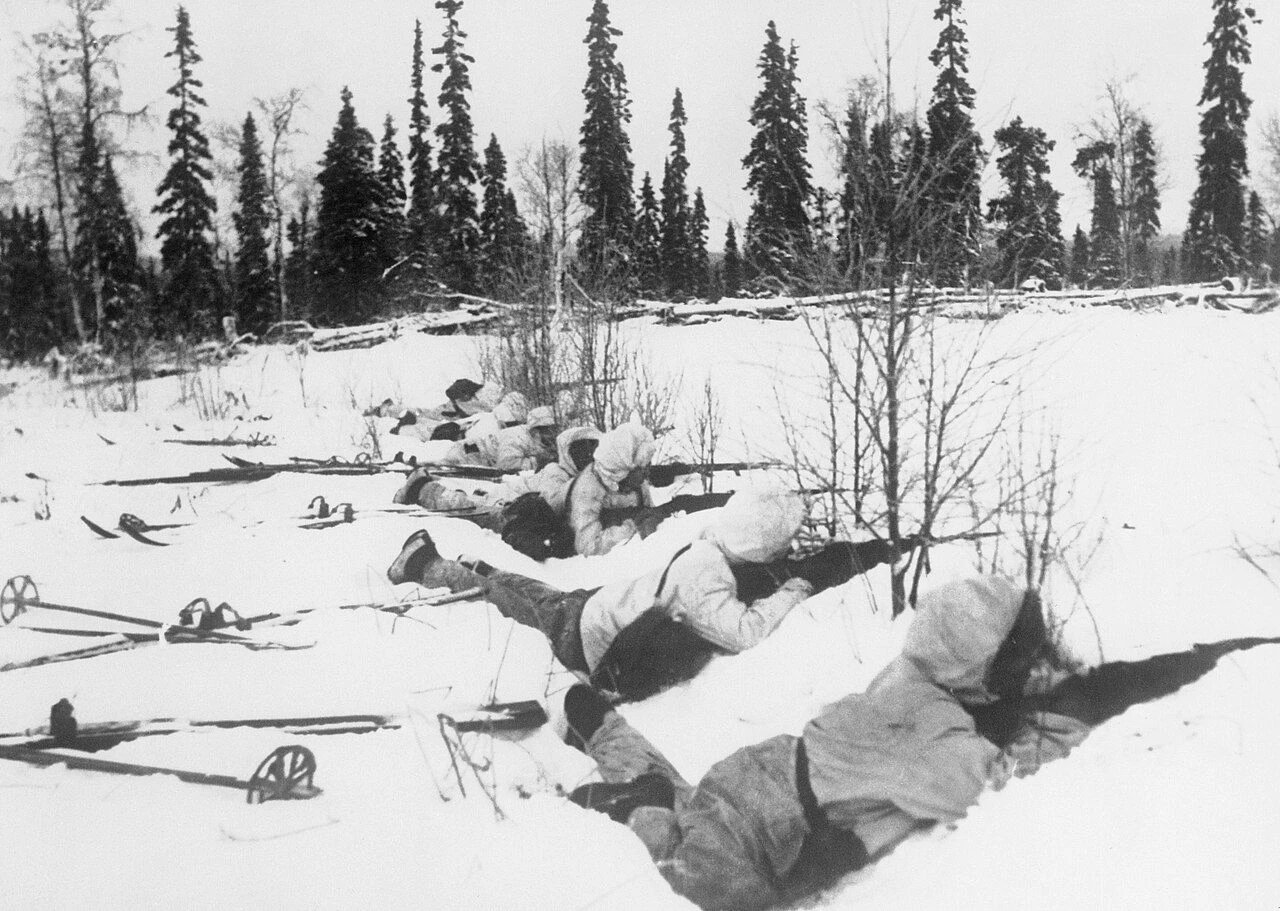
Joulun rauha — Christmas 1939 in the trenches
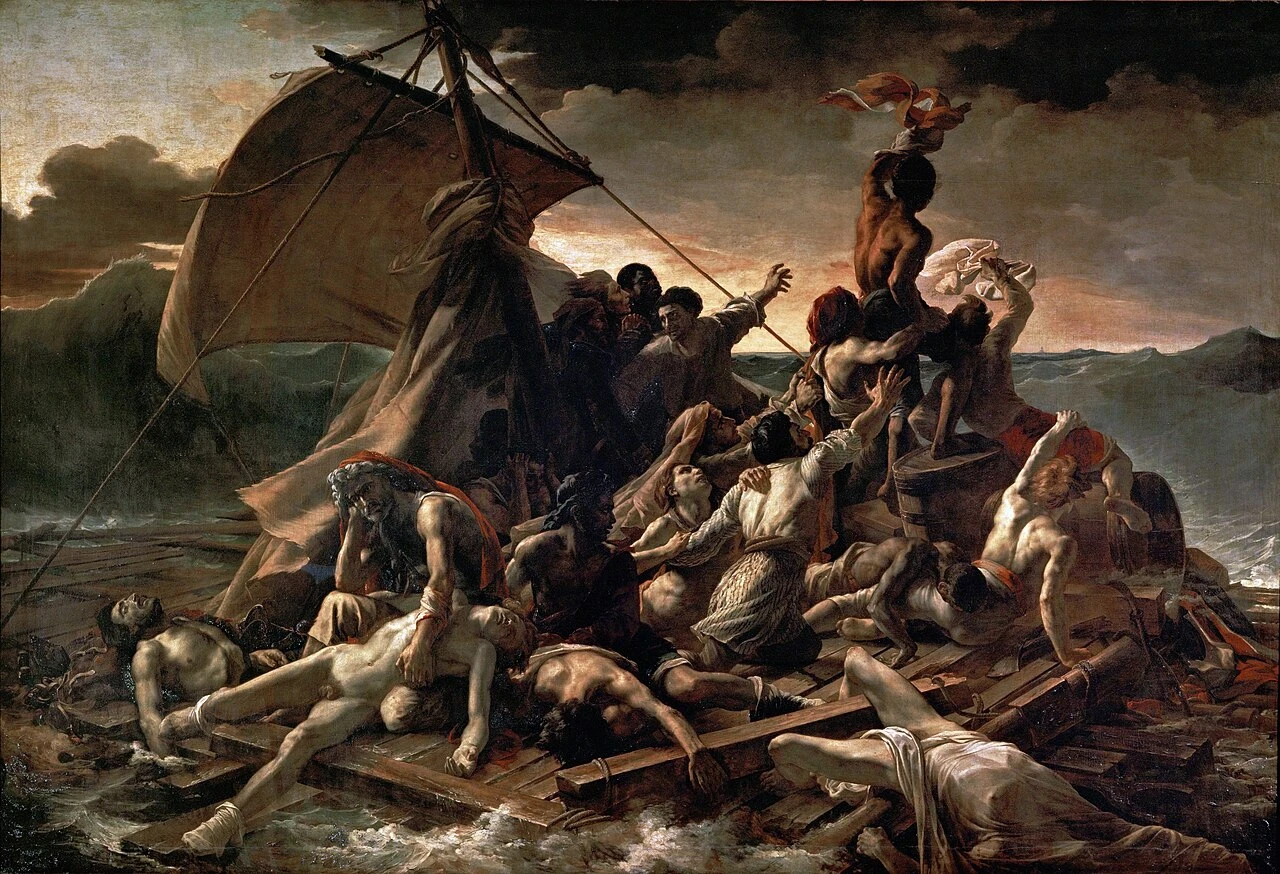
June 1940: the Mona Lisa on the road, ahead of the German advance
Hannah Arendt, Stateless and Interned, Facing Exile
Langeron — Prefecture of Police, 14 June
Pierre Caron facing the exodus — the archivist and his post
Billancourt under threat: the old boss and his machines
Edmond Michelet — Brive leaflet, 18 June
Gilbert Renault — the road to London
A Schoolteacher at Périgueux — Welcoming the Exodus
Jean Moulin — Chartres, 17 June
Joulun rauha — Christmas 1939 in the trenches