
Cape Matapan — Cunningham against Iachino
In late March 1941, the Italian navy sortied from its bases to intercept the British convoys carrying troops to Greece. Admiral put to sea with the fast battleship Vittorio Veneto, heavy cruisers and destroyers, hoping to strike a decisive blow in the Eastern Mediterranean.
But at Bletchley Park, the Italian naval Enigma code had just been broken. Admiral , at Alexandria, therefore knew of Iachino's sortie in advance. To avoid betraying this source, he had the area overflown by a reconnaissance aircraft that 'discovered' the Italian squadron, then put to sea with three battleships, the carrier Formidable and destroyers, while a light squadron served as bait.
Cunningham had to decide how to exploit this exceptional advantage: fight a classic daylight gun action, in which the fast Italian battleships might slip away; use naval aviation to slow the enemy down then catch him; or attempt the rare audacity of a night engagement, in which the Royal Navy, equipped with radar, held a decisive trump but ran the risk of confusion and friendly fire.
How should Cunningham exploit his knowledge of Italian movements?
Cunningham combined B and C. Formidable's torpedo bombers damaged and slowed the Vittorio Veneto and the cruiser Pola during the day; then, on the night of 28-29 March, the battleships Warspite, Valiant and Barham, guided by radar, surprised at point-blank range the Italian cruisers that had come to rescue the Pola. In a few minutes, the heavy cruisers Zara, Fiume and Pola and two destroyers were annihilated; more than 2,300 Italian sailors perished, with no significant British loss. The battle of Cape Matapan was the greatest Allied naval victory in the Mediterranean of the war: it broke the audacity of the Regia Marina for a long time to come — it would no longer dare risk its heavy ships — and secured British communications at the moment Greece was collapsing.
Learn more about this event
Related polls
10
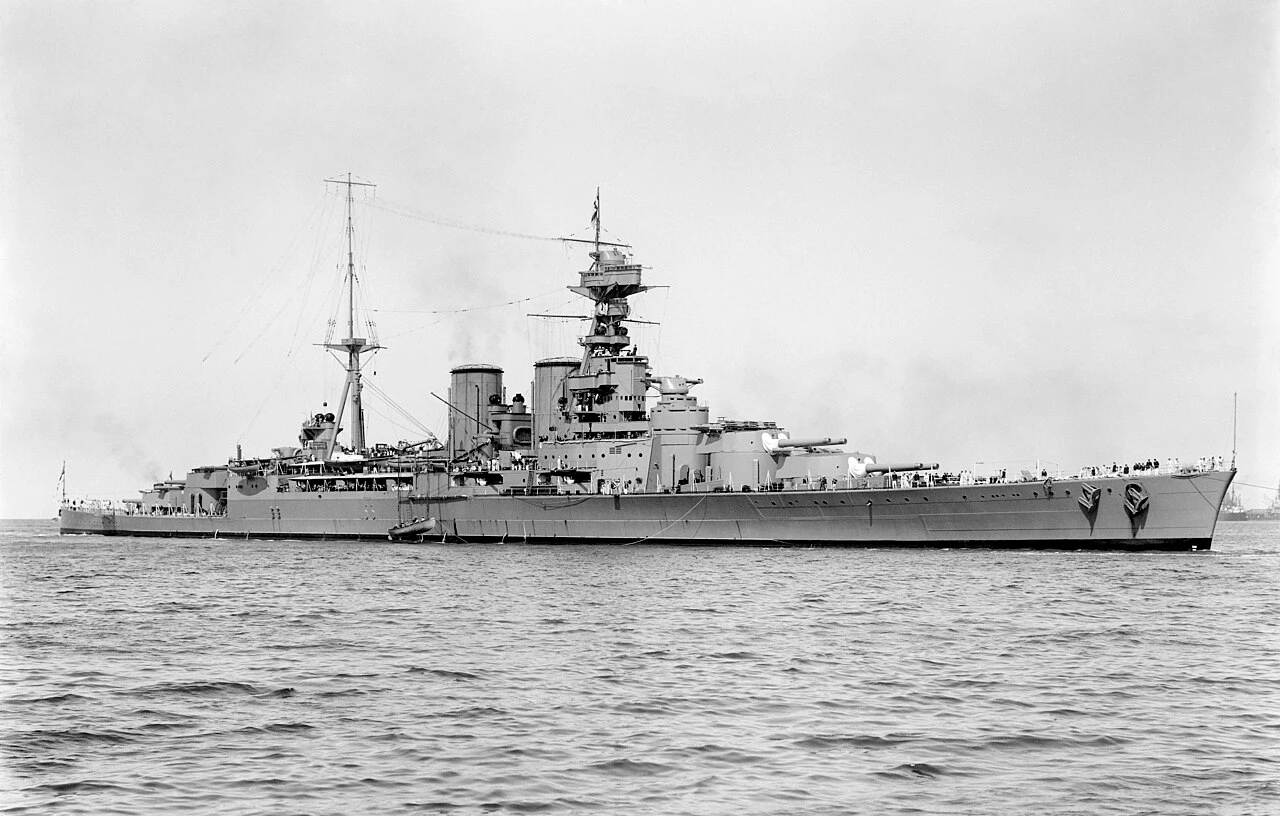
The Hood against the Bismarck
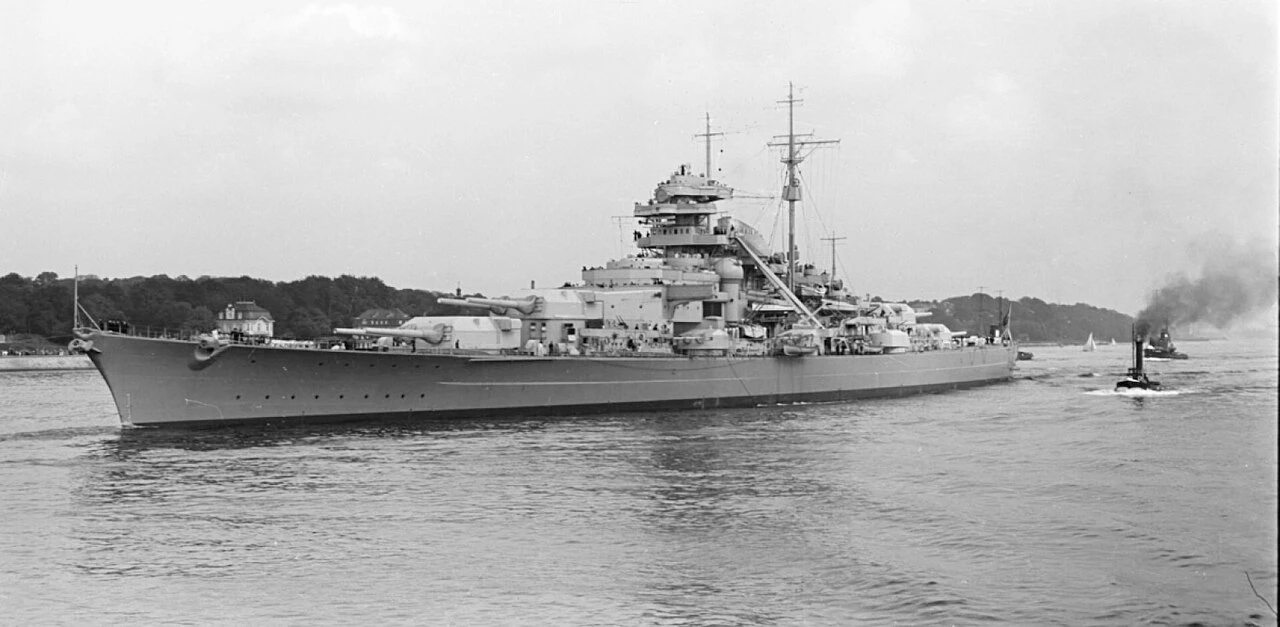
Tovey — the Bismarck running for France
U-110 — a U-boat abandoned but afloat
Fegen and the Jervis Bay — convoy HX-84
'Fortresses do not surrender'
The Altmark affair
The Admiralty and the Strasbourg Rumour
Boulogne — Fox-Pitt and the Guards facing the port
Hel — Unrug faces the German envoy
HMS Courageous — Makeig-Jones after the Torpedoes
The Hood against the Bismarck
Tovey — the Bismarck running for France
U-110 — a U-boat abandoned but afloat
Fegen and the Jervis Bay — convoy HX-84
'Fortresses do not surrender'
The Altmark affair
The Admiralty and the Strasbourg Rumour
Boulogne — Fox-Pitt and the Guards facing the port
Hel — Unrug faces the German envoy