
Stalin at the microphone — 'brothers and sisters'
During the first eleven days of Barbarossa, shuts himself away in silence. The scale of the disaster — the front broken through, cities lost, hundreds of thousands of prisoners — and, perhaps, the collapse of his certainties (he had refused to believe in the attack) leave him prostrate; according to several testimonies, he withdrew to his dacha, fearing even that he might be arrested by his own Politburo.
The USSR is voiceless at the summit at the worst possible moment. Yet the people, disoriented, need a direction. Stalin finally takes the helm again: he creates the State Defence Committee (GKO) and resolves to address the population directly — he who almost never speaks on the radio.
On 3 July, he must choose the register of this momentous address: deliver a classic martial and ideological speech, exalting the Party and socialism; on the contrary adopt a patriotic and fraternal tone, calling for the defence of the Russian motherland beyond ideology; or play down the disaster so as not to demoralize. The tone set will shape the mobilization of an entire people.
On what register should Stalin base his first wartime speech?
Stalin chooses B. On 3 July 1941, in an unsteady voice, he opens with words unprecedented in his mouth: 'Comrades! Citizens! Brothers and sisters!' He acknowledges the gravity of the situation, calls for a total patriotic war, orders the scorched-earth policy (leave nothing to the enemy) and the formation of partisans in the enemy's rear. By invoking the motherland, Russian history and national survival rather than doctrine alone, he mobilizes the country across all divisions. This turning point — the 'Great Patriotic War' — becomes the mental framework of the Soviet war effort. Stalin from then on firmly takes back the controls, for better (the mobilization) as for worse (the merciless repression of 'defeatists').
Learn more about this event
Related polls
10
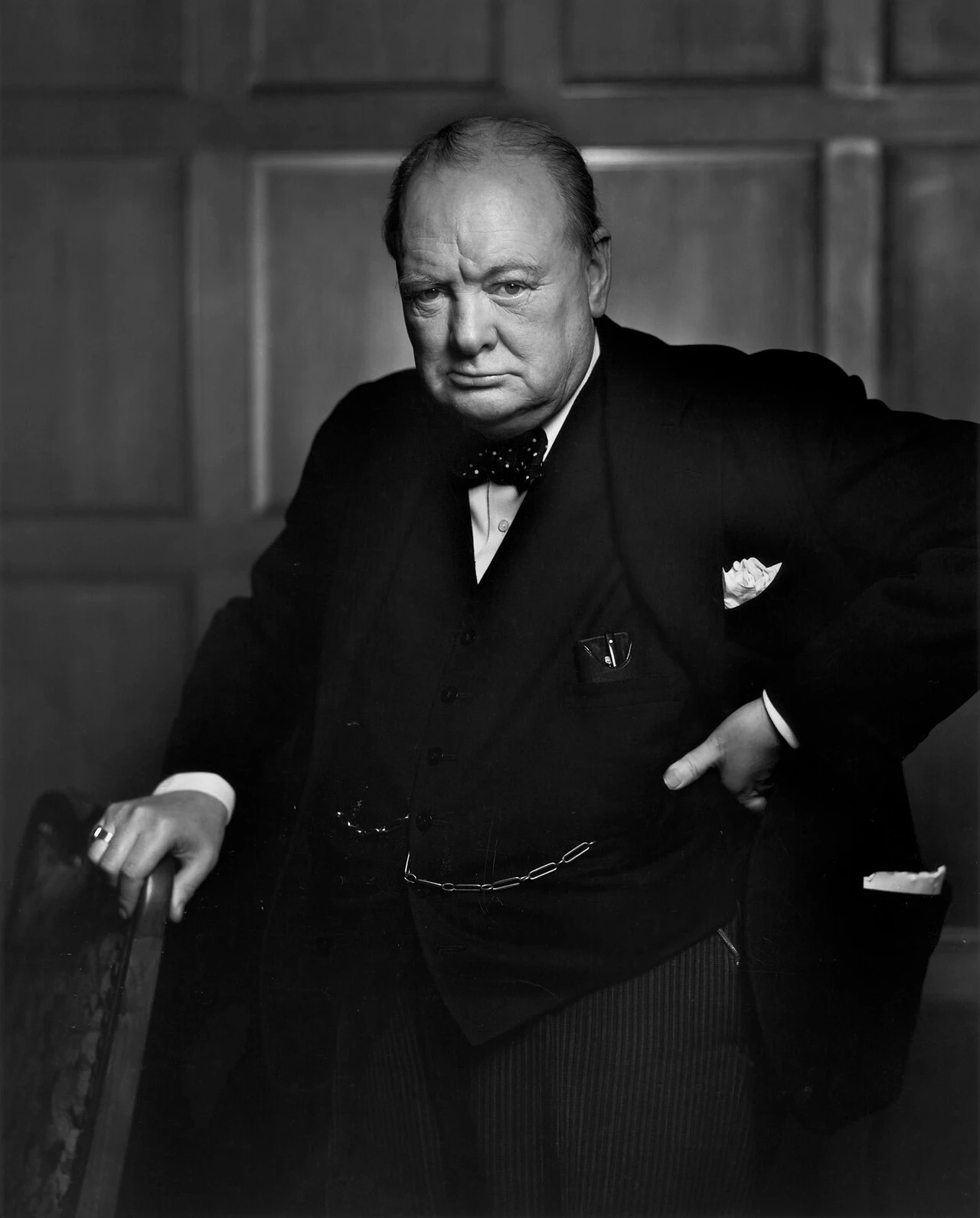
Auchinleck replaces Wavell
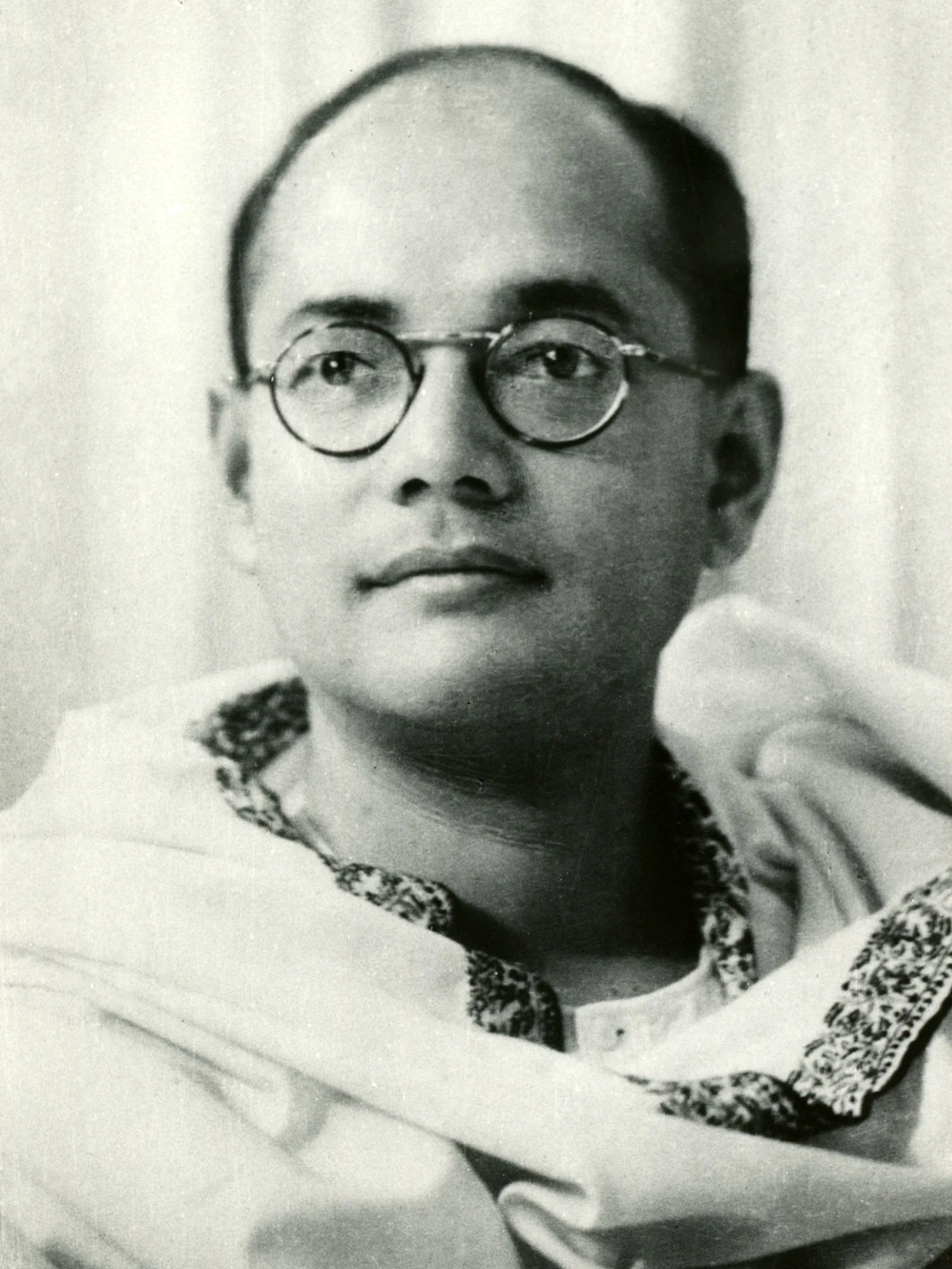
The Indische Legion — Subhas Chandra Bose in Berlin
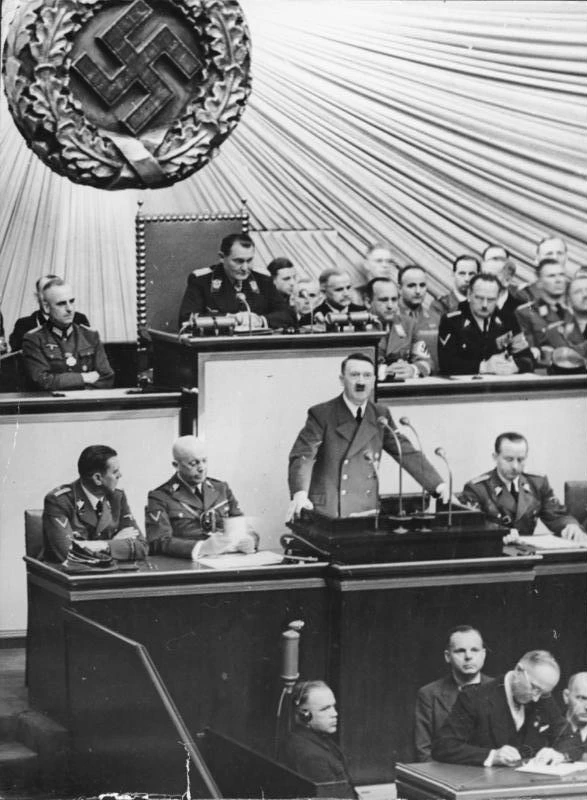
Hitler — the Reichstag Speech
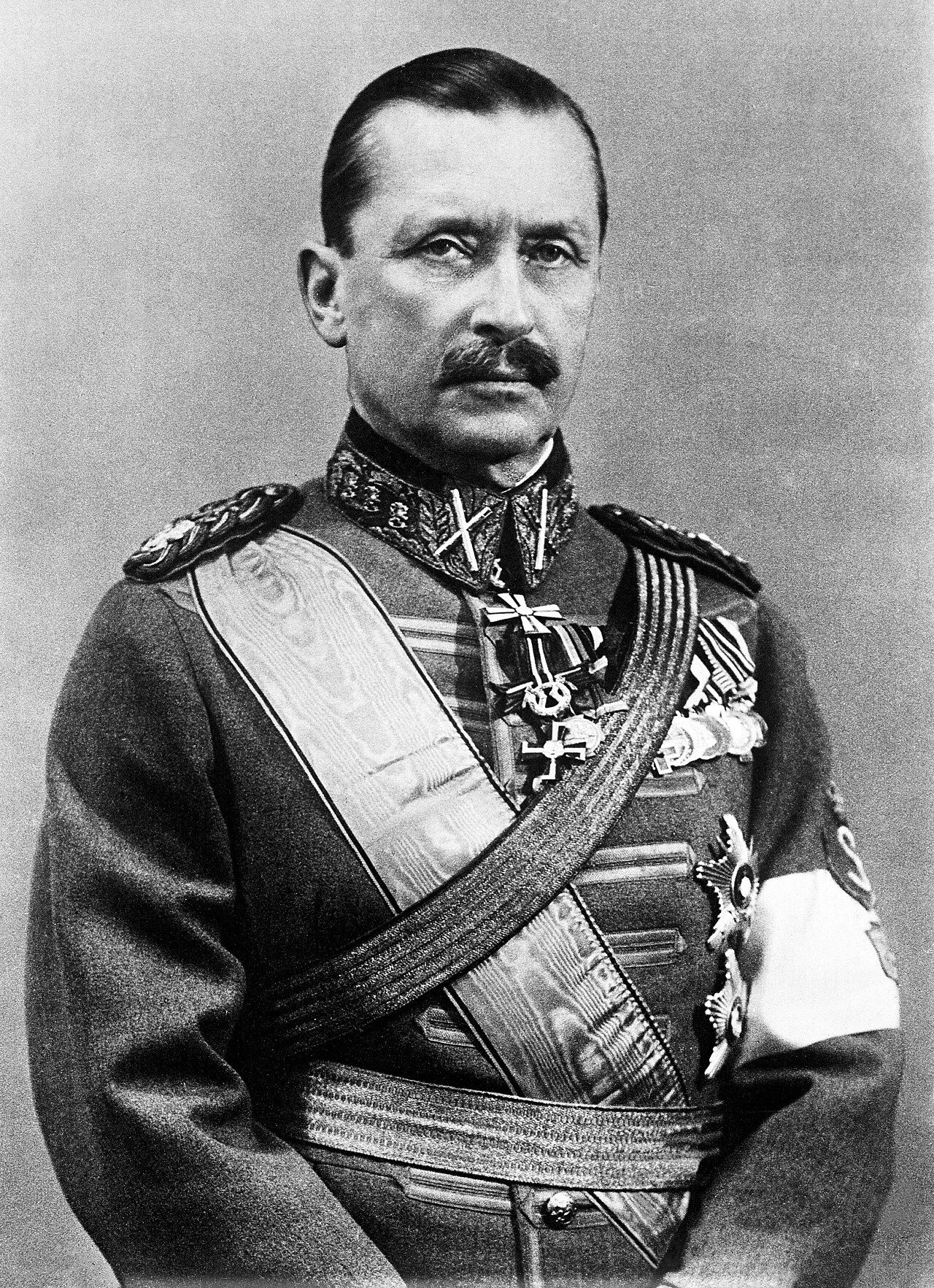
Mannerheim to the Ryti government — 28 February
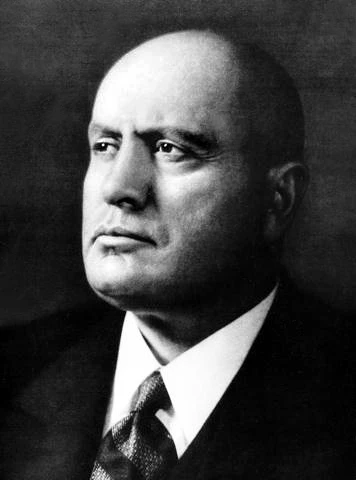
Mussolini at the Palazzo Venezia — early June
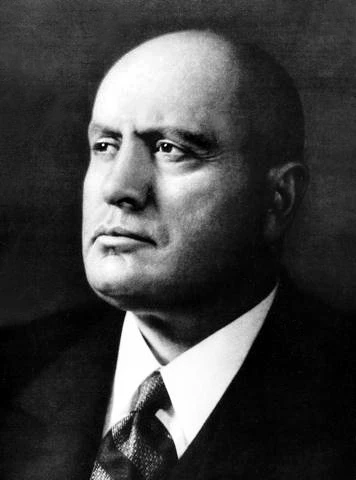
Mussolini on the Riviera — 21 June
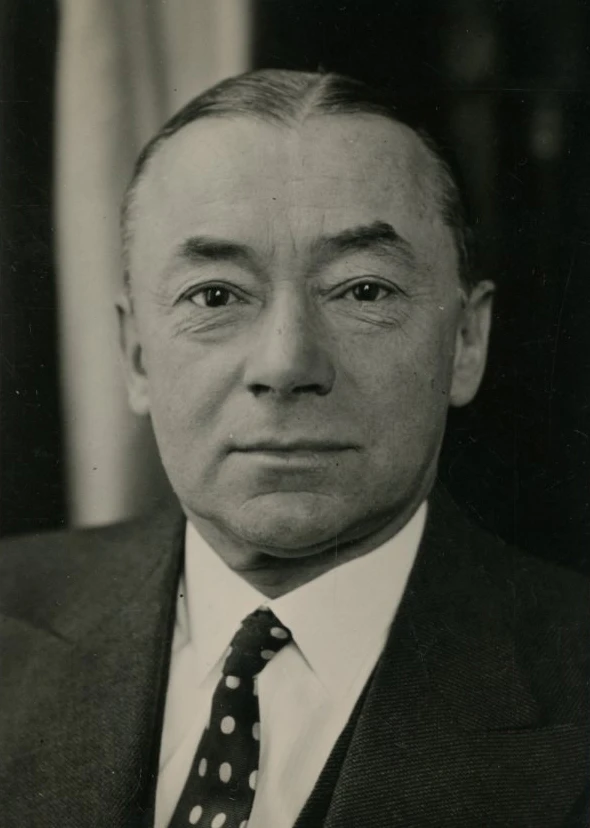
Reynaud faces the Council — Bordeaux, 16 June, 22:00
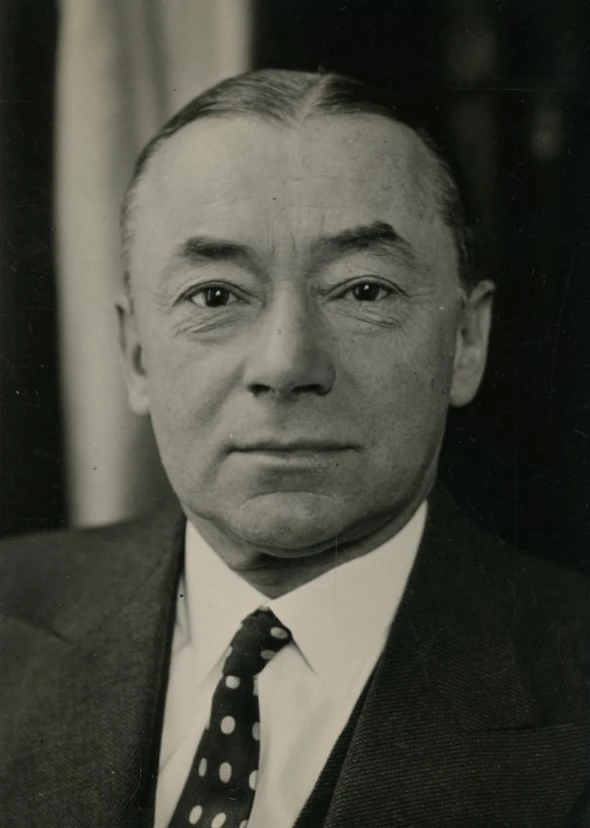
Reynaud — Matignon 21 March
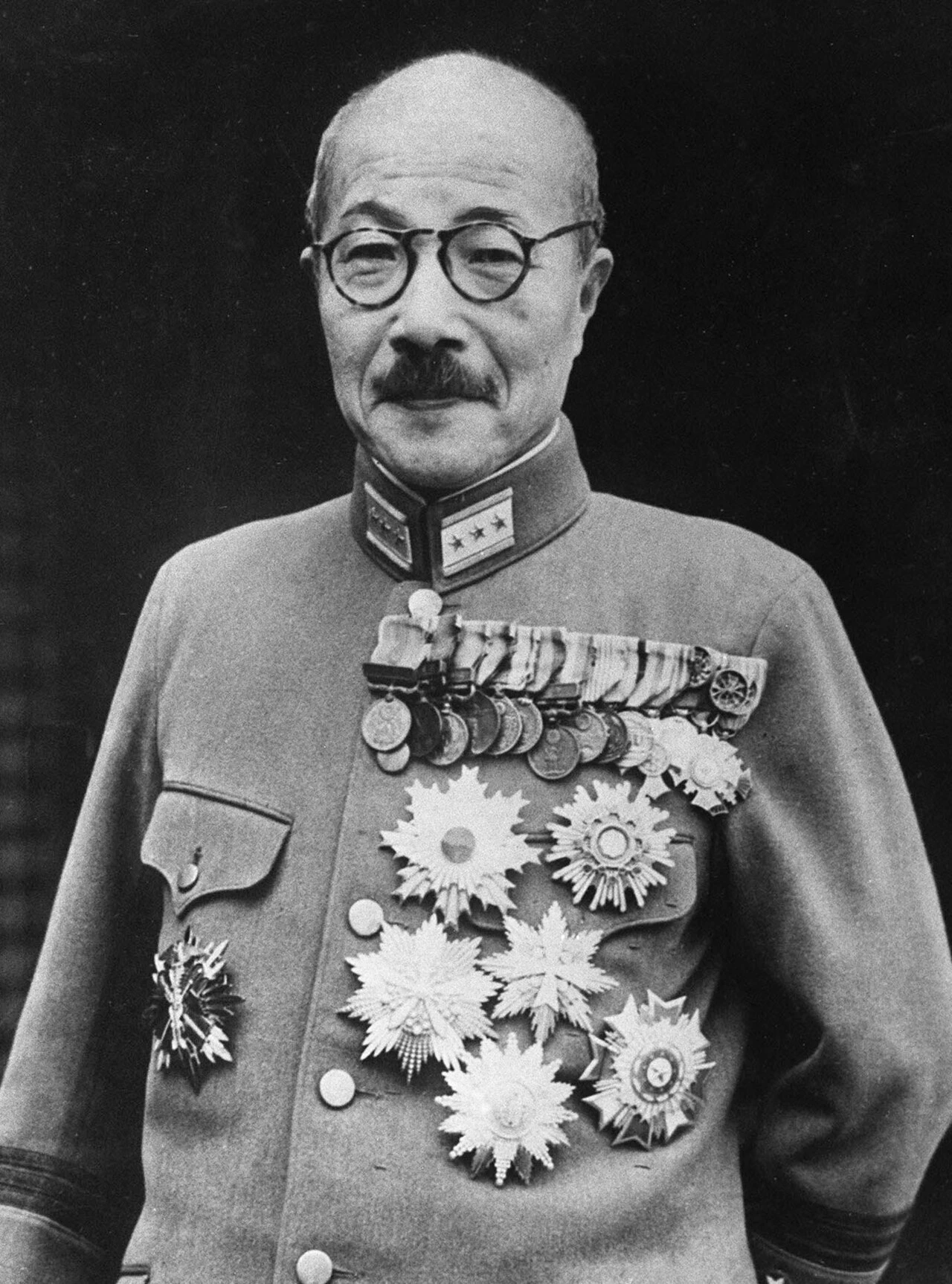
Tojo as Prime Minister: Reopening the Question of War
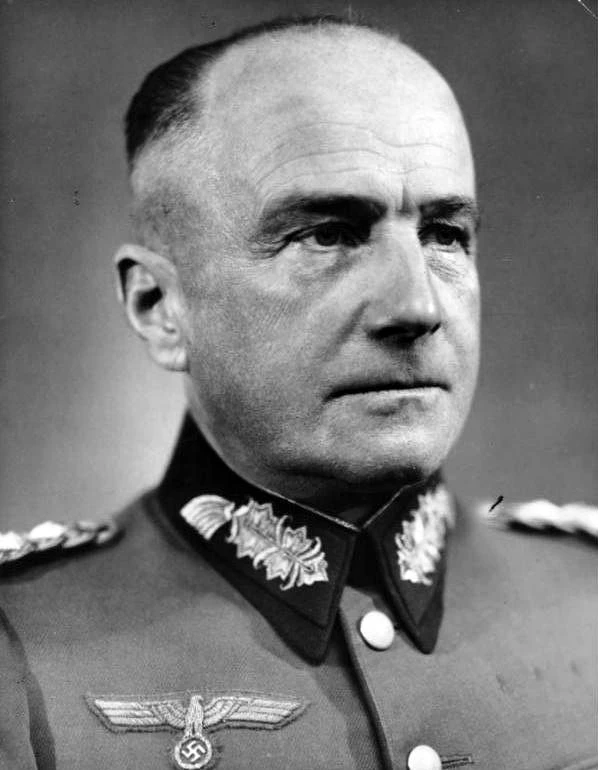
Brauchitsch — Reich Chancellery, 5 November
Auchinleck replaces Wavell
The Indische Legion — Subhas Chandra Bose in Berlin
Hitler — the Reichstag Speech
Mannerheim to the Ryti government — 28 February
Mussolini at the Palazzo Venezia — early June
Mussolini on the Riviera — 21 June
Reynaud faces the Council — Bordeaux, 16 June, 22:00
Reynaud — Matignon 21 March
Tojo as Prime Minister: Reopening the Question of War