
Baumgartner and the gold of the Banque de France
On 1 September 1939, the Banque de France held 2,800 tons of gold, the world's second-largest reserve behind the United States (4,200 tons). 1,500 tons were stockpiled at the central headquarters on the rue La Vrillière in Paris, 600 at the Châteauroux branch and 700 dispersed among 50 provincial branches; the whole was valued at 45 billion francs of the time, or 140 billion present-day dollars.
Governor , 37 — one of the youngest in the institution's history, a Finance Inspector — was worried from the moment war was declared. Was French gold safe in Paris in the face of a possible invasion? The Polish lesson was clear: the gold had to leave. The most delicate question remained — where to.
From 15 September 1939 the secret Vladimir-Boivin operation was prepared to move the gold gradually out of the capital. Three logics clashed: the colonial empire (Africa, the Antilles), which kept the gold under French sovereignty but within reach of a metropolitan collapse; the allied United Kingdom, near but vulnerable if London too should fall; and finally North America, more distant and so safer against any German interception, but beyond all direct control. The method was the stuff of a novel: armoured special trains, gendarme escorts, transhipment onto the French Navy cruisers Émile Bertin and Jeanne d'Arc, Atlantic crossings under cover aboard camouflaged civilian ships.
Baumgartner had to decide where to concentrate the gold as a priority.
Where should French gold be concentrated as a priority?
Baumgartner gave priority to North America (C). From 15 September 1939 to 28 February 1940 the Vladimir-Boivin operation dispersed the gold: 600 tons reached Casablanca, 400 Dakar, 300 Fort-de-France in Martinique, and 1,100 took the route to Ottawa and New York via the United Kingdom, Canada and then the United States; only 400 tons remained in Paris as operational reserve. On 10 May 1940 (the launch of Fall Gelb), 300 tons of gold remained in Paris — the rest was in America or the colonies. During the exodus, the last convoy left Paris on 10 June 1940, bound via Brest and Bordeaux for Dakar. But with the fall of France (22 June), part of the 300 tons left in metropolitan France fell into German hands — pillage organised by the Reichsbank under the aegis of . The gold in America remained under Free French management (de Gaulle gained control in 1943 via the Pleven mission). The colonial gold remained under Vichy then shifted gradually to Free France after 1942 (Torch). Final balance 1945: 2,500 tons recoverable, 300 tons looted and partially recovered in Berlin by the Tripartite Gold Commission of 1946-1948. Baumgartner survived politically (dismissed by Vichy in September 1940 but reinstated at the Liberation), became Governor 1949-1960, Minister of Finance 1960-1962, and died in 1978.
Learn more about this event
Related polls
10
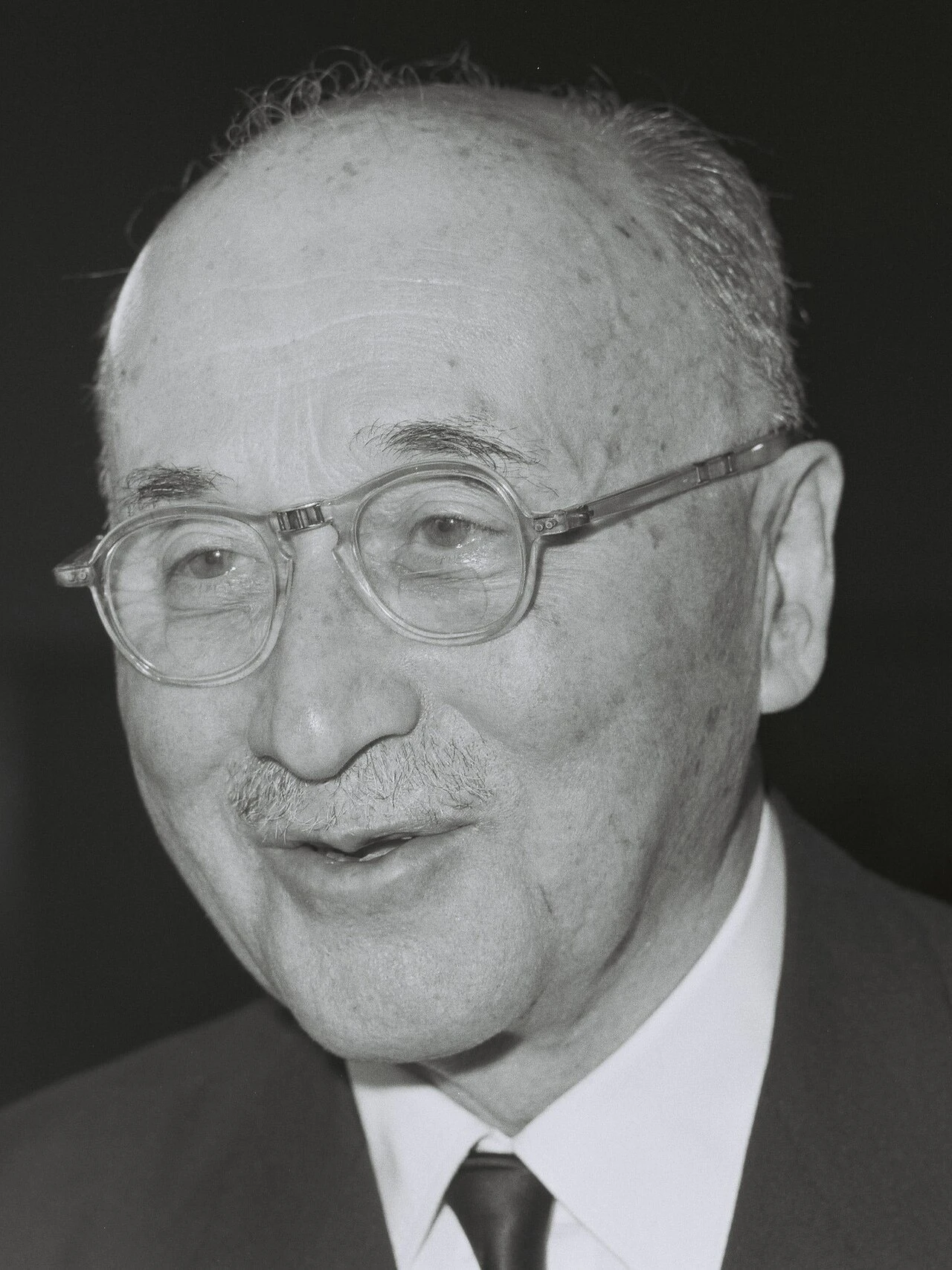
Buy Each for Themselves or with a Single Voice
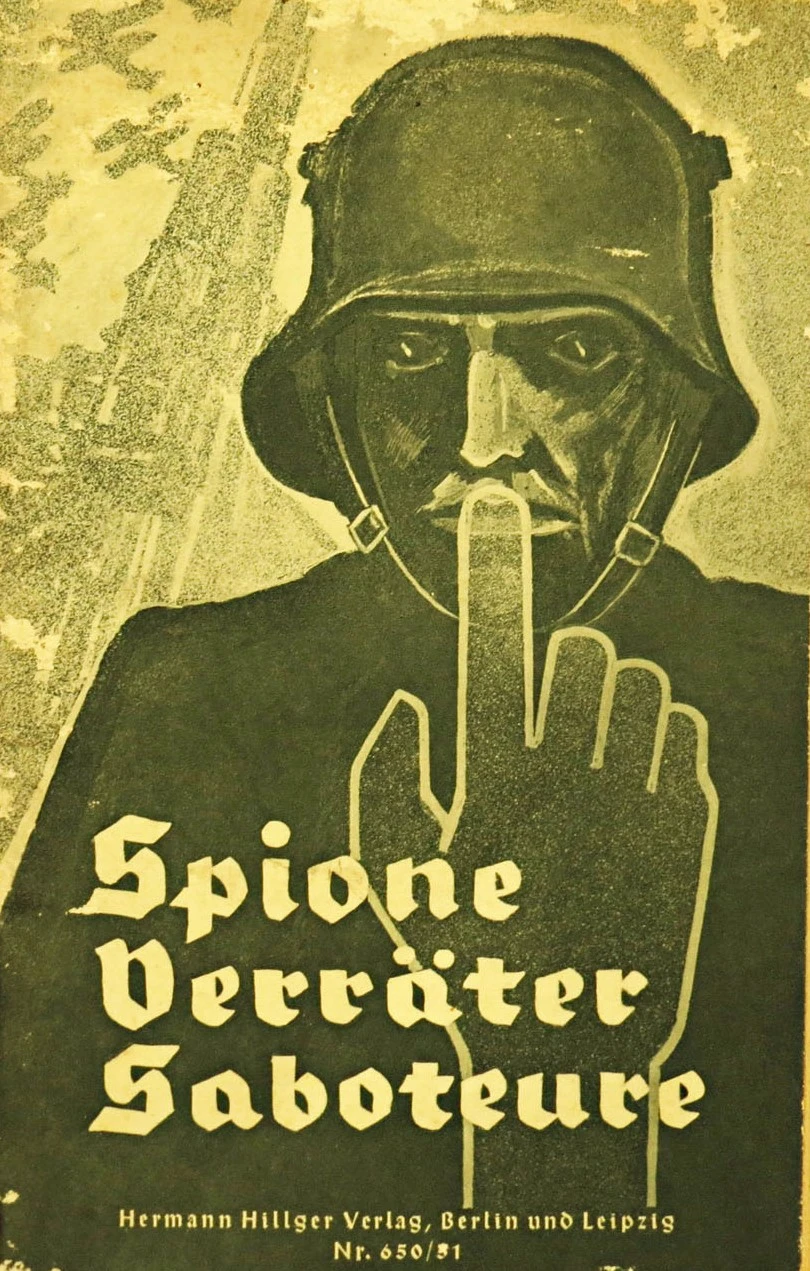
The Karten: Rationing Germany at War
Nogara and the Vatican portfolio
The Gold of the Bank of Poland — the destination of the SS Eocene
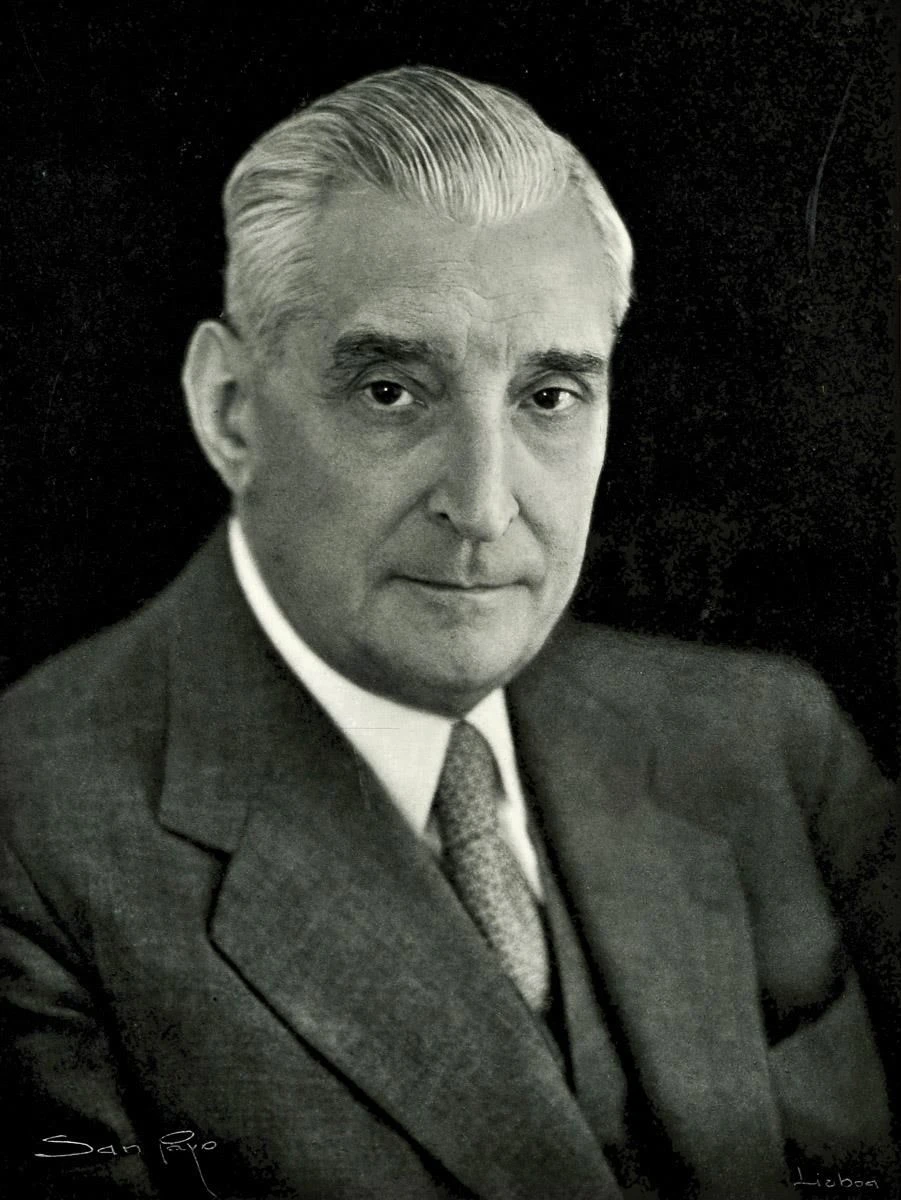
Salazar in Lisbon — under triple pressure
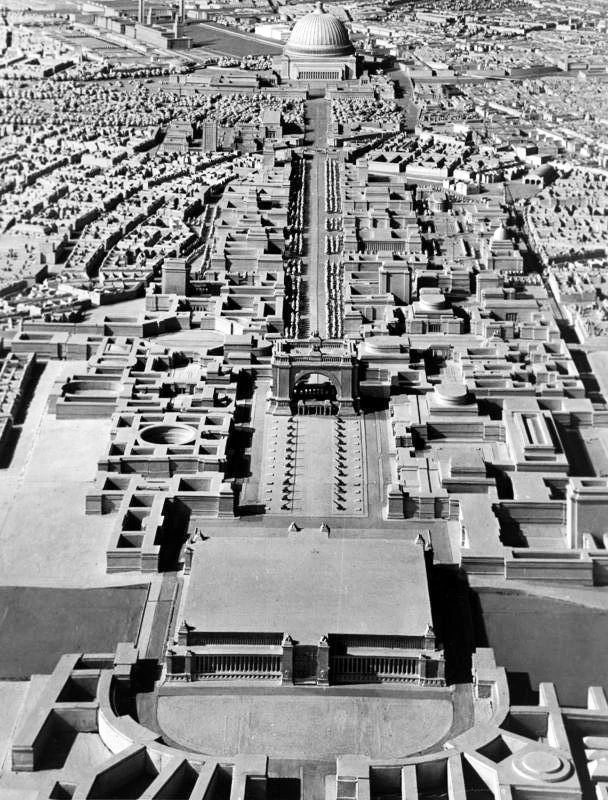
Speer and the Germania trade-off

Borakowski and the merchant fleet
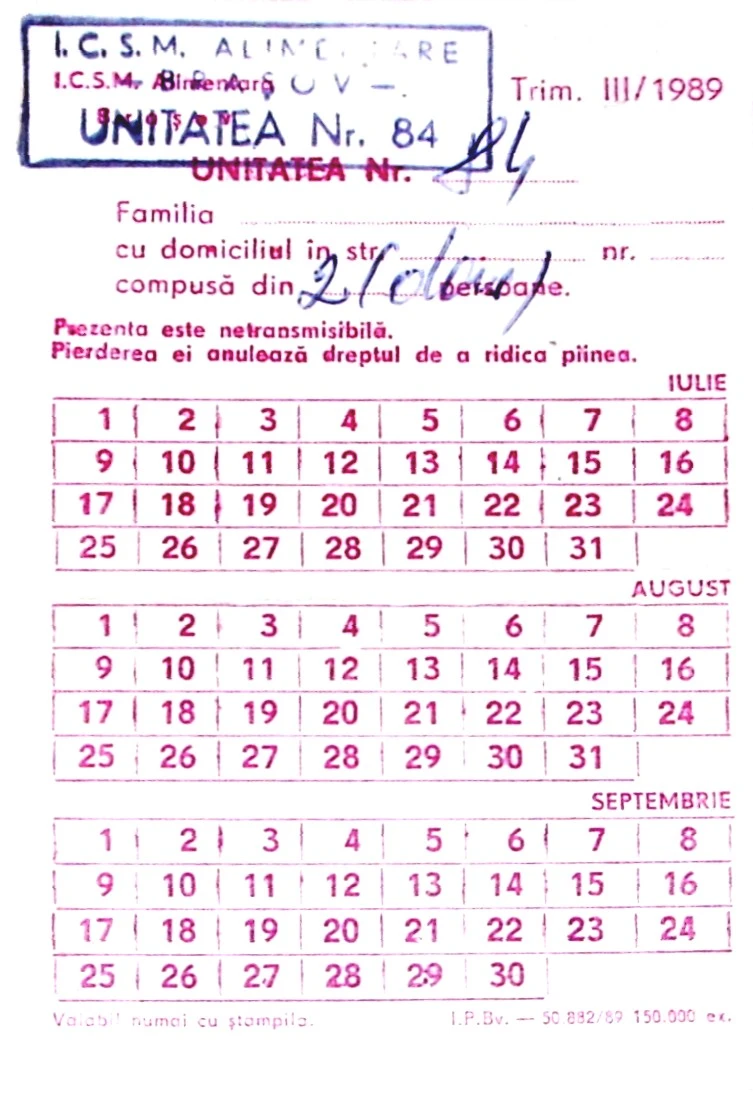
France's March 1940 Ration Card
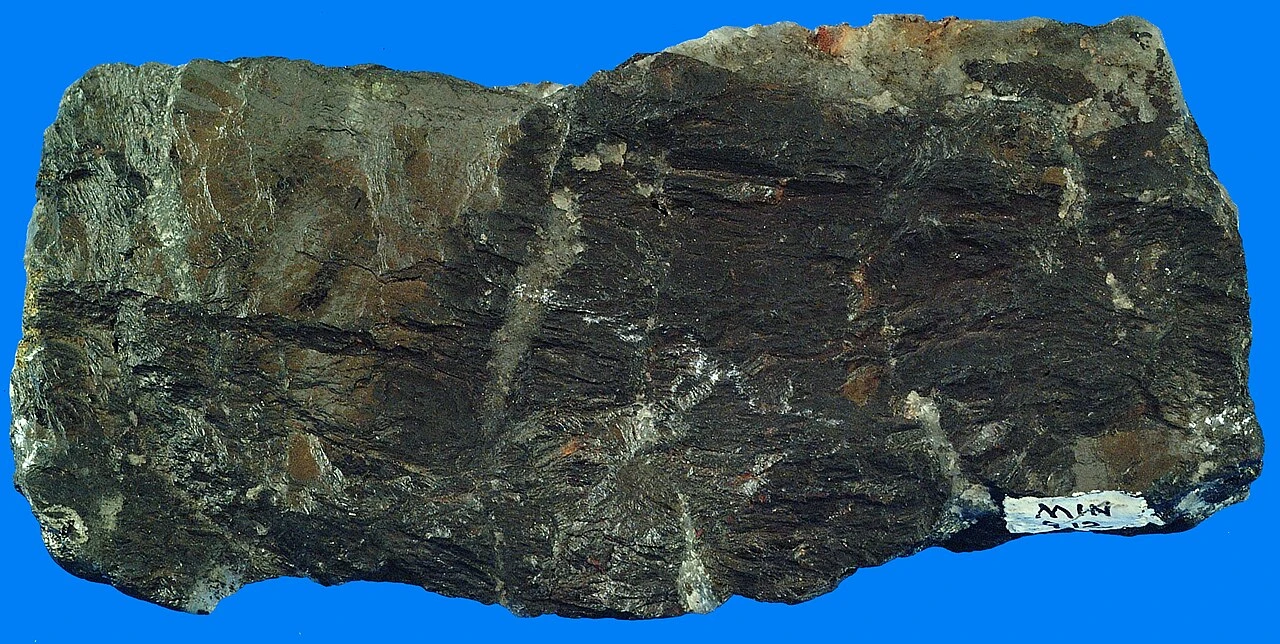
Chongqing's Strategic Ore
Marquet — Bordeaux overwhelmed, 12 June
Buy Each for Themselves or with a Single Voice
The Karten: Rationing Germany at War
Nogara and the Vatican portfolio
The Gold of the Bank of Poland — the destination of the SS Eocene
Salazar in Lisbon — under triple pressure
Speer and the Germania trade-off
Borakowski and the merchant fleet
France's March 1940 Ration Card
Chongqing's Strategic Ore