
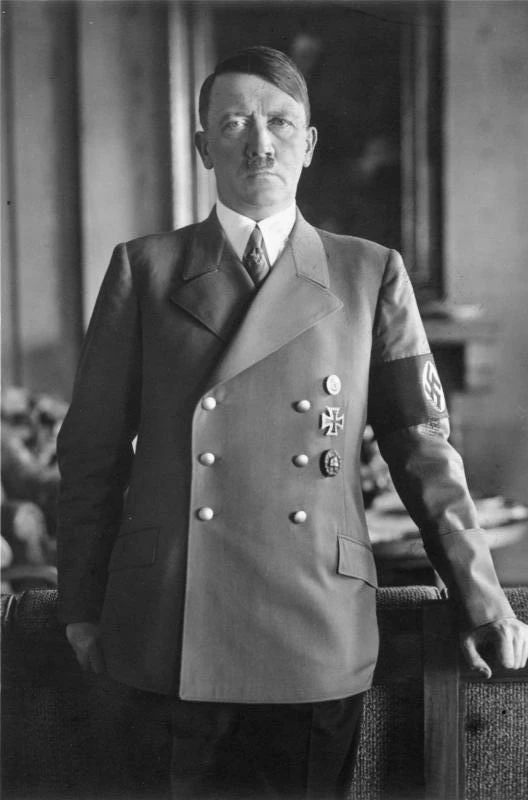
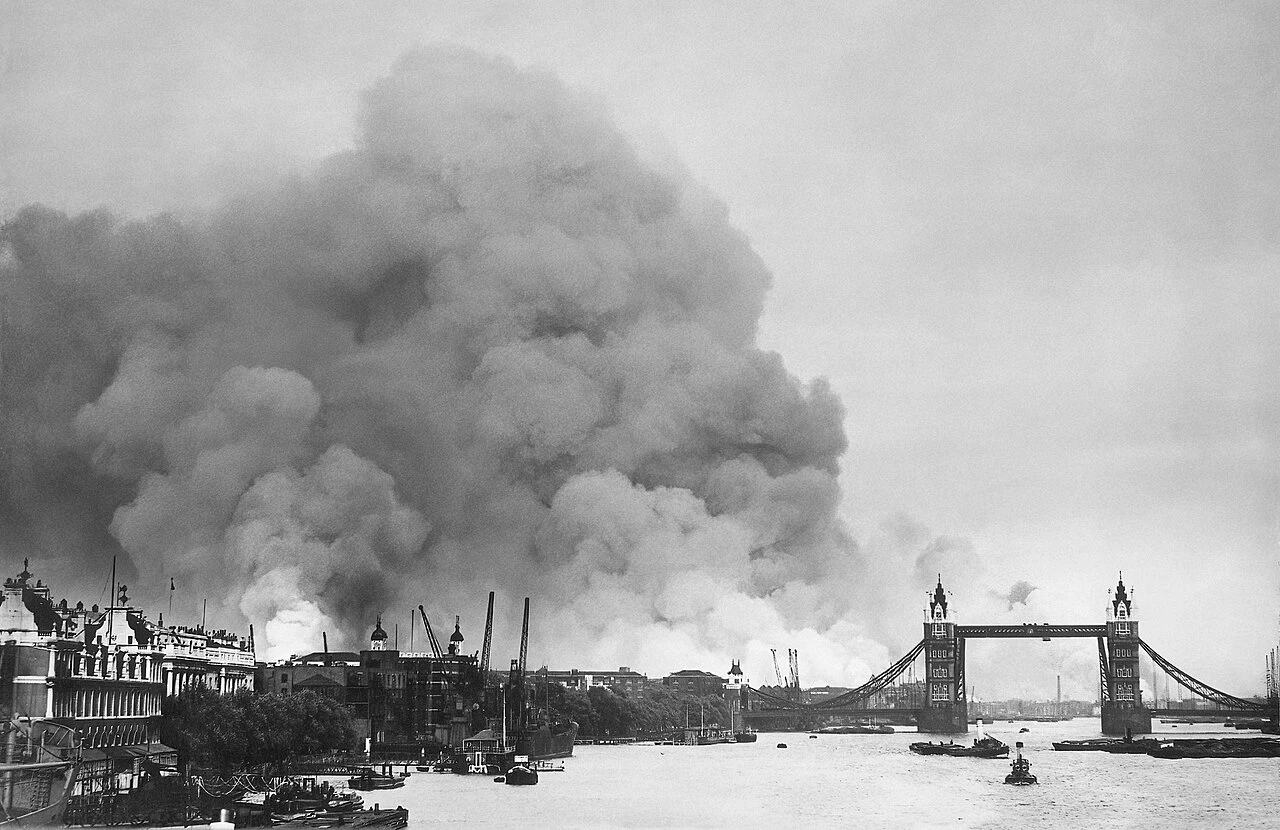
By the end of 1940 Hitler has failed to bring down Great Britain: the invasion of the island has been postponed, the Blitz has not broken British morale. The Führer returns to his ideological and strategic obsession: the destruction of the Soviet Union, source of the 'Lebensraum' and the resources he deems necessary for a long war. Molotov's November visit to Berlin has convinced him that Moscow remains an obstacle.
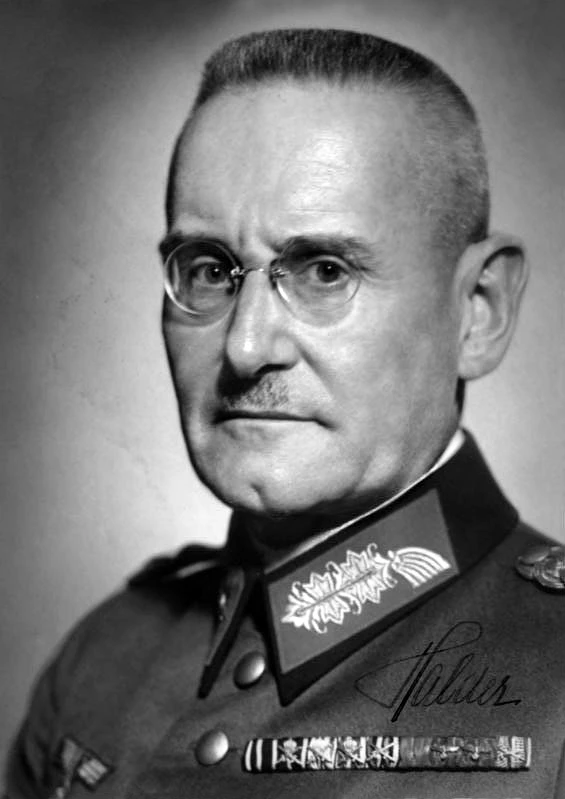
Within the staff the invasion plans have ripened all autumn, but a debate divides the commanders. Should Moscow be the main objective, as Chief of Staff Halder wants, in order to destroy the bulk of the and strike at the heart? Or should the effort be split between the 'cauldrons' on the flanks — Leningrad and the Baltic in the north, Ukraine with its wheat, the Donbas and Caucasus oil in the south?
On 18 December 1940 Hitler must settle the final plan. The choice of the main axis will determine the whole coming campaign, whose success, he hopes, will be 'a matter of a few weeks.'
What should be the main axis of the invasion of the USSR?
Hitler settled on a version of B in Directive No. 21, 'Case Barbarossa,' signed on 18 December 1940: three army groups would attack, but the first objective was to destroy the in the west and to seize Leningrad and Ukraine's resources before any assault on Moscow. This ambiguity over the main axis — Moscow or the flanks — would poison the conduct of the campaign in the summer of 1941 and cost the Germans precious time. The directive fixed a preparation date for mid-May 1941. It was the founding act of the deadliest war in history, and the turning point that transformed a European conflict into total war in the East. Halder, an advocate of Moscow, would carry out a plan in which he had no faith.
Learn more about this event
Related polls
10
Which heart to strike in the East?
Saving an ally bogged down in the mountains
Adlertag — which targets?
Göring's promise — Operation Adler
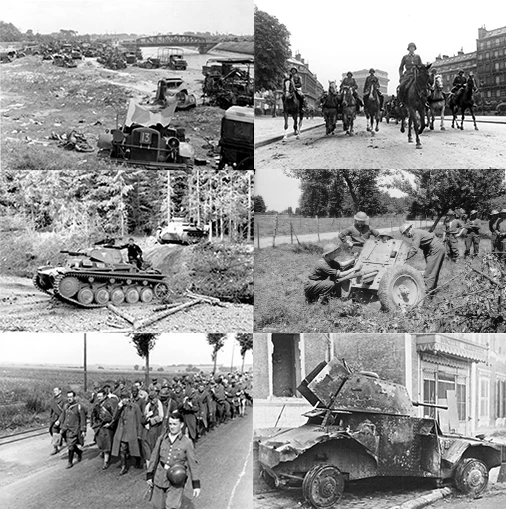
Fall Gelb — the order of 9 May 20:00
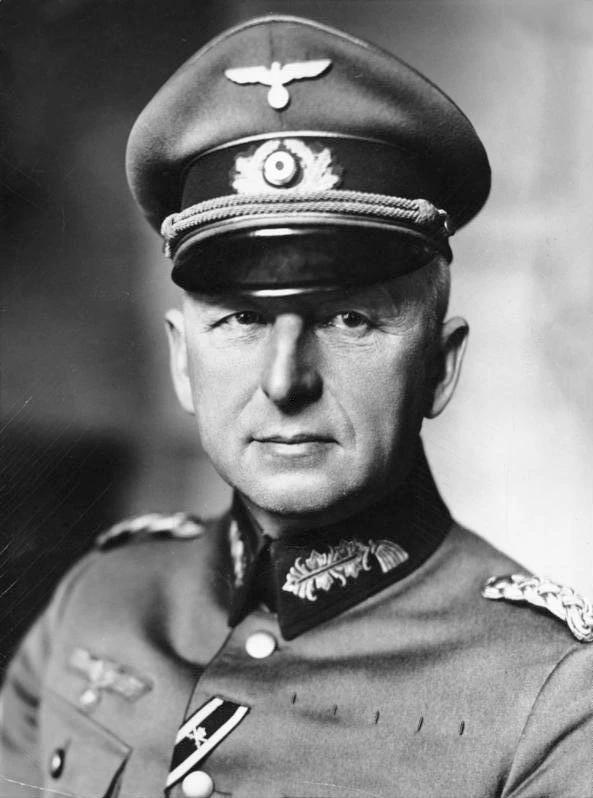
The Manstein plan adopted
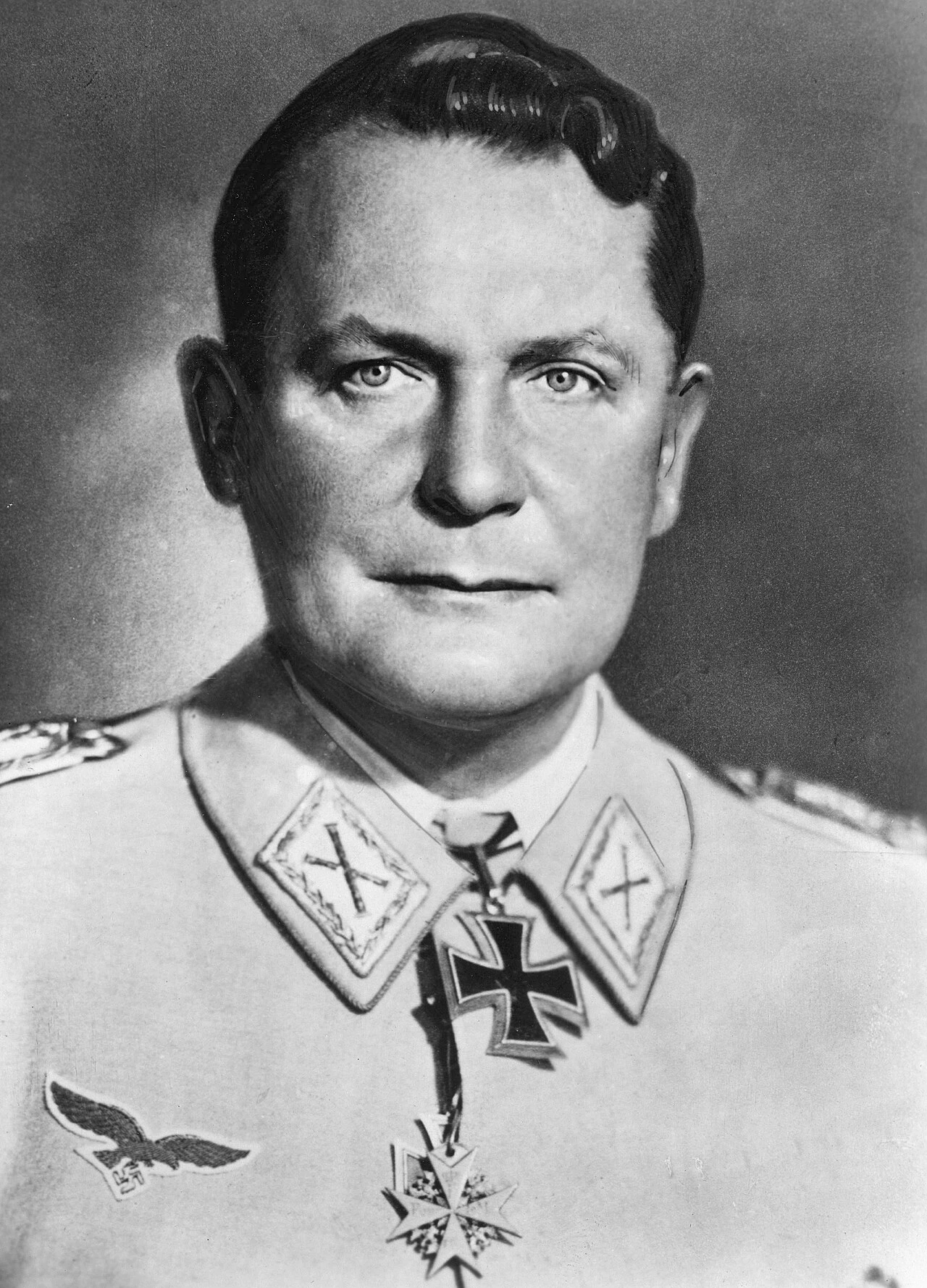
Göring at Cap Gris-Nez — September 7
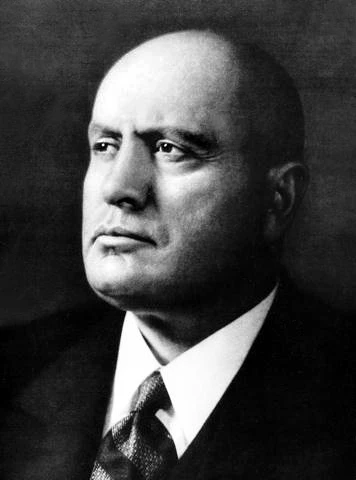
Mussolini, the Duce and the "Fait Accompli" — Rome, 15 October 1940
An unescorted convoy in the grey morning
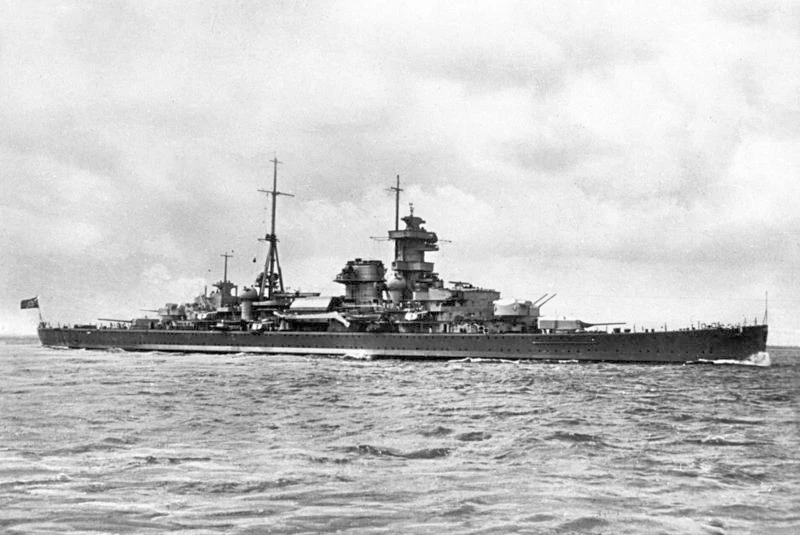
An escort battleship on the convoy's route
Which heart to strike in the East?
Saving an ally bogged down in the mountains
Adlertag — which targets?
Göring's promise — Operation Adler
Fall Gelb — the order of 9 May 20:00
The Manstein plan adopted
Göring at Cap Gris-Nez — September 7
Mussolini, the Duce and the "Fait Accompli" — Rome, 15 October 1940
An unescorted convoy in the grey morning