
Hitler — the Eve of Barbarossa
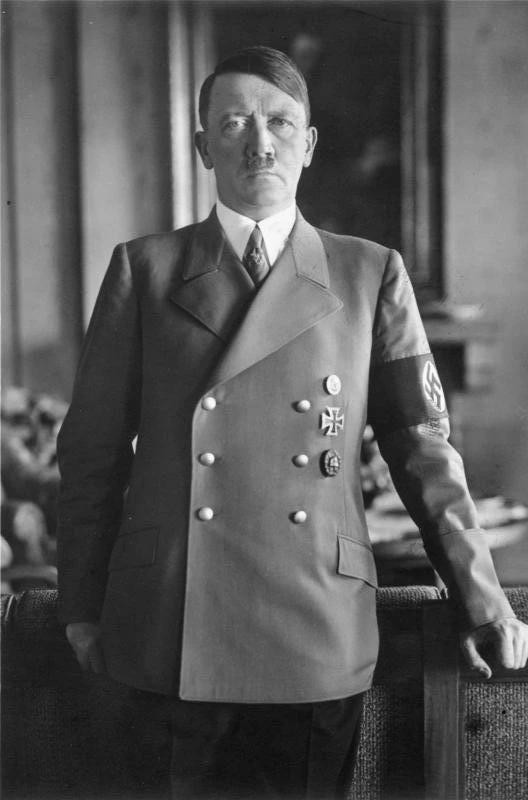
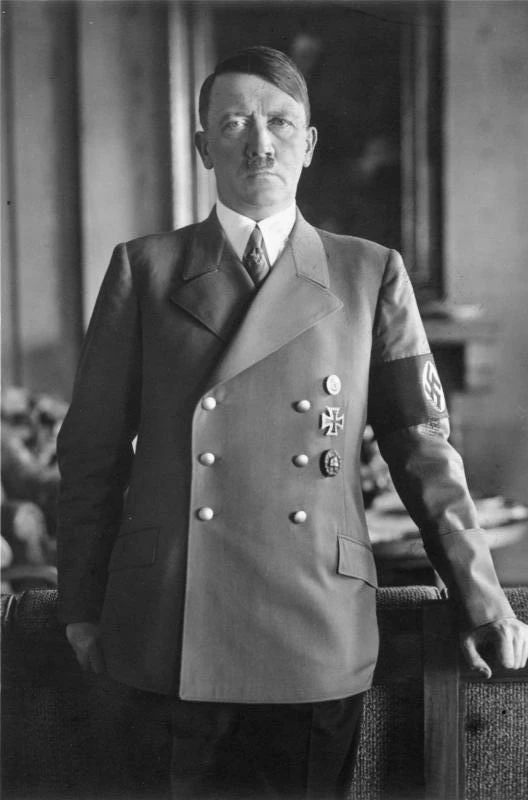
On the evening of 21 June 1941, is about to launch the greatest land invasion in History. For months, the Wehrmacht has massed in the east some 3.5 million men, more than 3,000 tanks and 2,700 aircraft, along a front of 1,600 km, from the Baltic to the Black Sea, in violation of the Nazi-Soviet pact of August 1939 that the two dictatorships have never ceased to flout.
For Hitler, the invasion of the USSR answers the ideological obsession with « living space » (Lebensraum) in the East and with the destruction of « Judeo-Bolshevism ». He is convinced, like part of his staff, that « we have only to kick in the door and the whole rotten structure will come crashing down » — that the USSR will collapse in a few weeks.
Yet not everything is settled. The planning has wavered between making Moscow the decisive objective or dispersing the effort towards Leningrad and Ukraine; the date has slipped from May to June, partly because of the Balkan campaign. On the eve of the attack, Hitler must confirm the launch and the conception of this war.
Should Hitler launch Barbarossa on 22 June as planned, and along what conception?
Hitler confirms B. At 3:15 a.m. on 22 June 1941, Barbarossa is launched along the whole front. The conception adopted is not an ordinary war: it is compounded by the « criminal orders » (Commissar Order, Barbarossa Decree) that make the Wehrmacht the instrument of a policy of extermination. The first weeks seem to vindicate German optimism — gigantic encirclements, hundreds of thousands of prisoners — but the Soviet « structure » does not collapse. The ambiguity over the principal objective (Moscow or the flanks) will soon paralyse the conduct of operations. Barbarossa becomes the deadliest war in History and, in the end, the grave of the Reich. Hitler has just opened the front that will destroy him.
Learn more about this event
Related polls
10
Brauchitsch — Reich Chancellery, 5 November
Bulgaria: lock of the Balkans, a price to pay
Gibraltar after the rebuff at Hendaye
Goering at Carinhall — the promise to Hitler
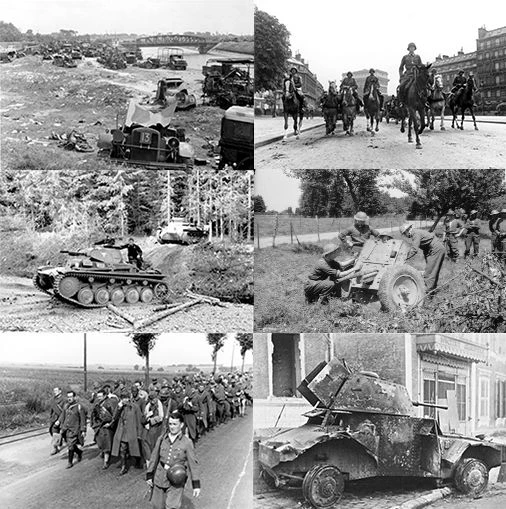
Hitler and Fall Gelb — 29 postponements
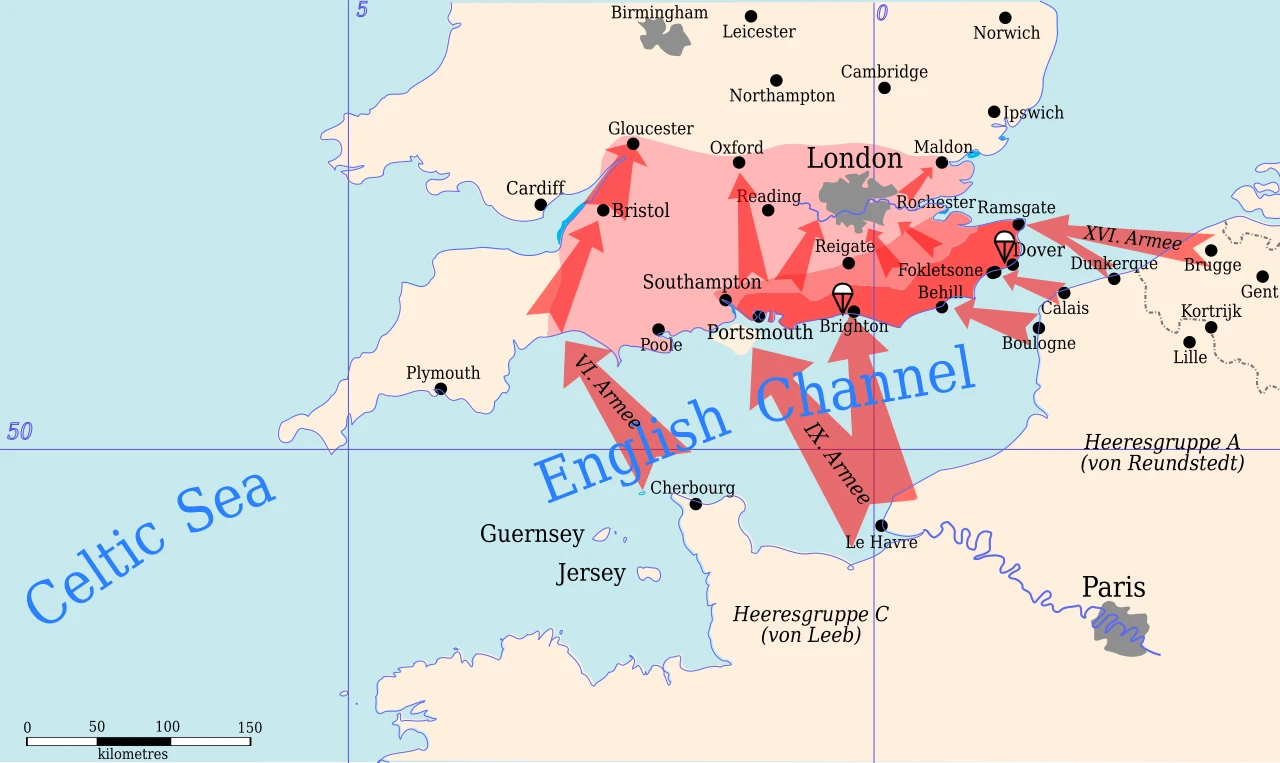
Hitler faces Sea Lion — September 17
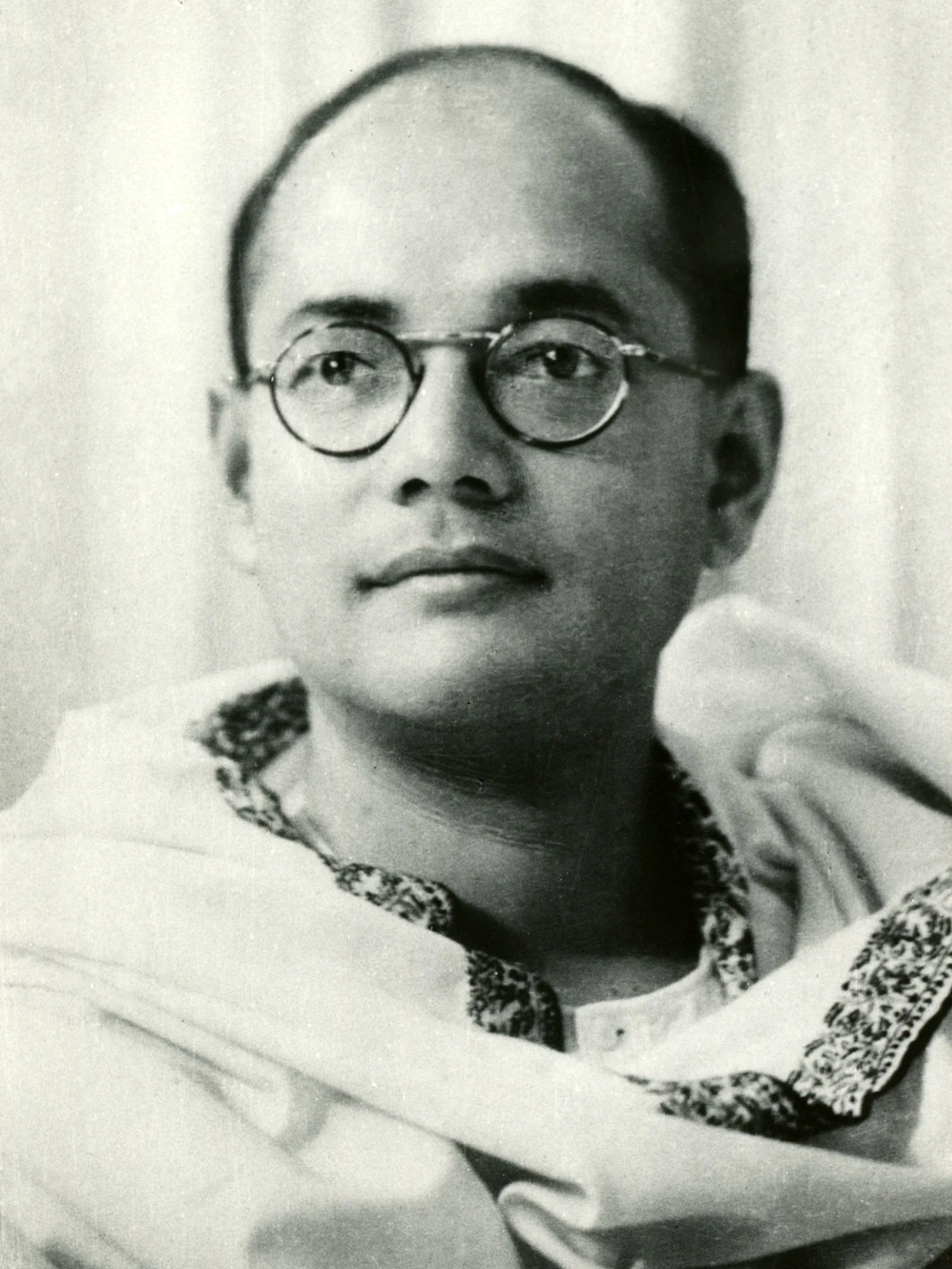
The Indische Legion — Subhas Chandra Bose in Berlin
Saving an ally bogged down in the mountains
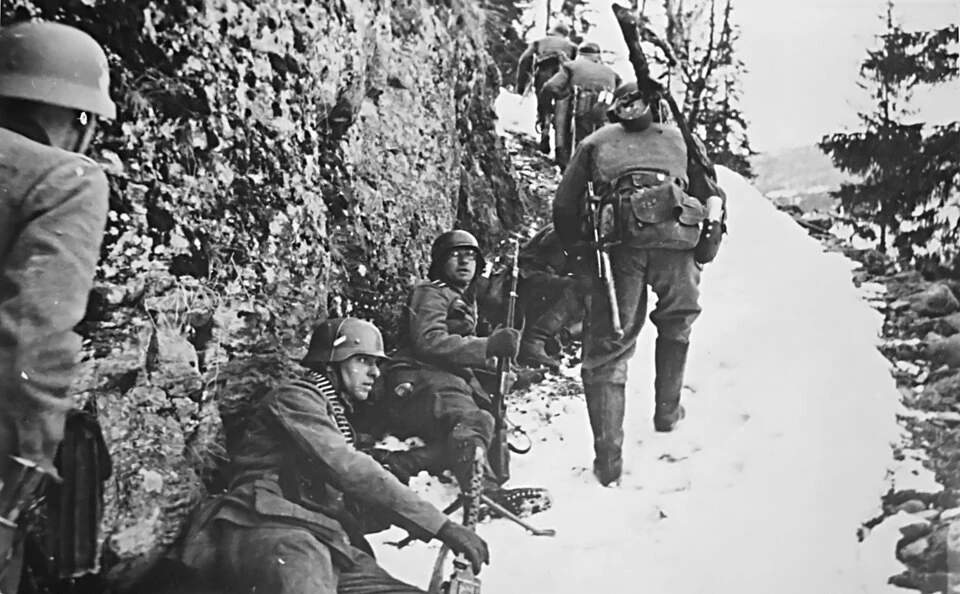
Weserübung — directive of 1 March
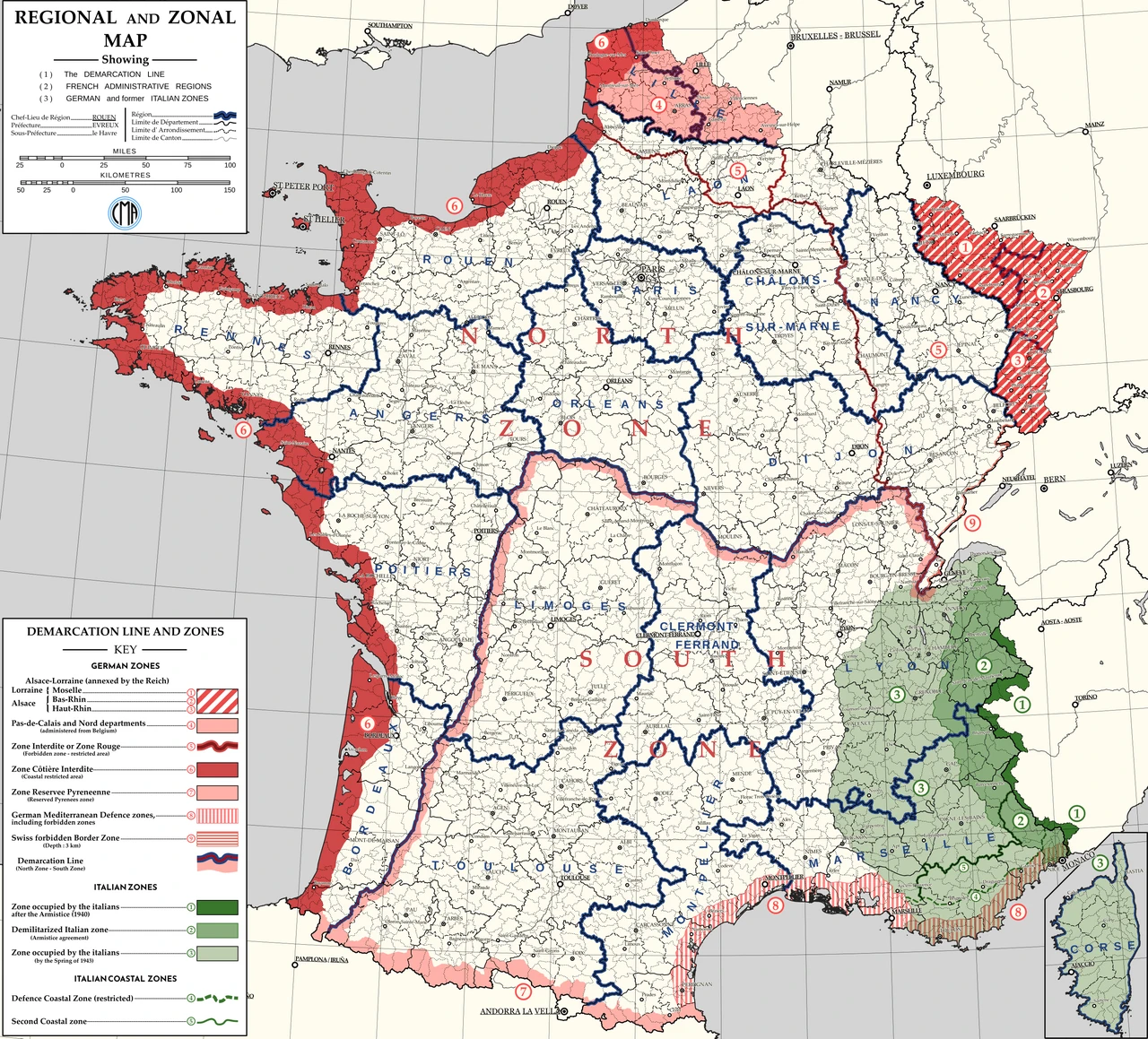
Wiesbaden — Tracing the Demarcation Line
Brauchitsch — Reich Chancellery, 5 November
Bulgaria: lock of the Balkans, a price to pay
Gibraltar after the rebuff at Hendaye
Goering at Carinhall — the promise to Hitler
Hitler and Fall Gelb — 29 postponements
Hitler faces Sea Lion — September 17
The Indische Legion — Subhas Chandra Bose in Berlin
Saving an ally bogged down in the mountains
Weserübung — directive of 1 March