
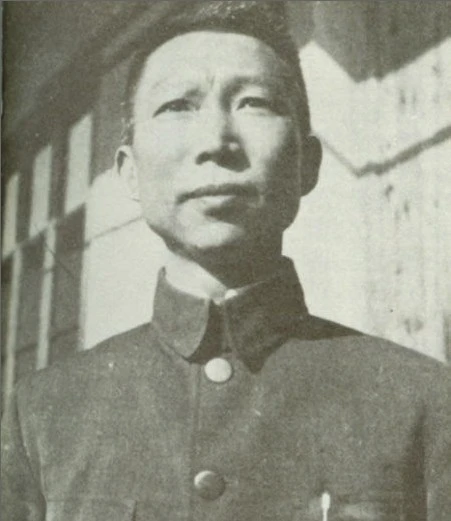
Peng Dehuai — leaving guerrilla war behind?
, 42, is second-in-command of the , the Chinese communist forces engaged against Japan since 1937 within the framework of the United Front with 's Nationalists. A peasant turned war chief, veteran of the Long March, he leads from Shanxi units skilled in guerrilla warfare.
The summer of 1940 is grim. Japan is conducting in northern China a policy of methodical pacification: it grids the communist zones with fortified railway lines bristling with blockhouses and ditches — the 'cage tactic' which compartmentalises the resistance bases and chokes their mobility. Acts of sabotage collapse. At the same time the United Front is fracturing: the Nationalists are blockading the communist bases, and Chiang has cut off subsidies. A civil war looms, made more credible still by the Sino-Japanese negotiations of the early summer.
Peng faces a weighty decision. The has always avoided pitched battle, preferring to strike and disappear. Launching a major conventional offensive against the Japanese lines would assert the communist effort in the eyes of Chongqing — but would expose his troops and reveal his strength.
Should one launch the first great conventional offensive against the Japanese, or stay with guerrilla warfare to preserve forces against the Nationalists?
applies A: on 20 August 1940 he launches the Hundred Regiments Offensive (Bai tuan da zhan), the first great conventional communist operation of the war. The targets are the Zhengtai and Tongpu railways, bridges, and telephone lines — hence the nickname 'campaign to break the cage'. Planned for some twenty regiments, the offensive fields more than 80 by 22 August, many engaged without even notifying the high command. Small Japanese posts fall by the dozen. But the riposte will be terrible: Japan launches the 'Three Alls' policy (kill all, burn all, loot all), ravaging the northern countryside. The communist losses, heavy, and the exposure of the military apparatus will later earn Peng sharp criticism from . The offensive had nonetheless proved that the communists were fighting the invader.
Learn more about this event
Related polls
10
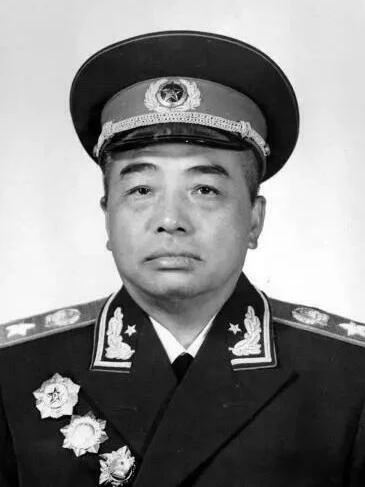
Peng Dehuai — the Hundred Regiments Offensive
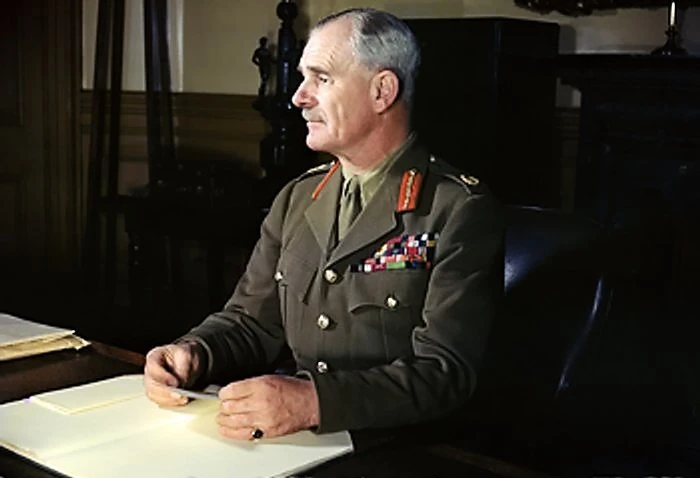
Wavell Against the 150,000 Italians — Egypt, September 1940
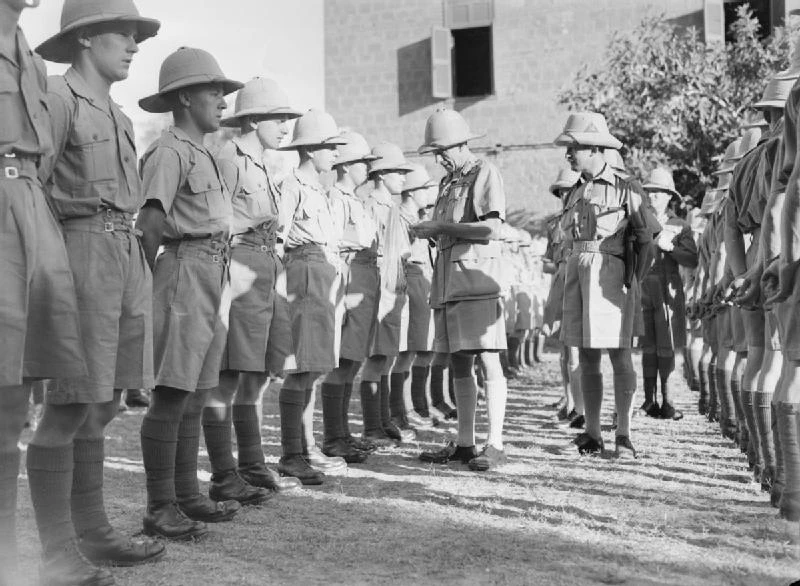
Platt before Kassala — January 1941
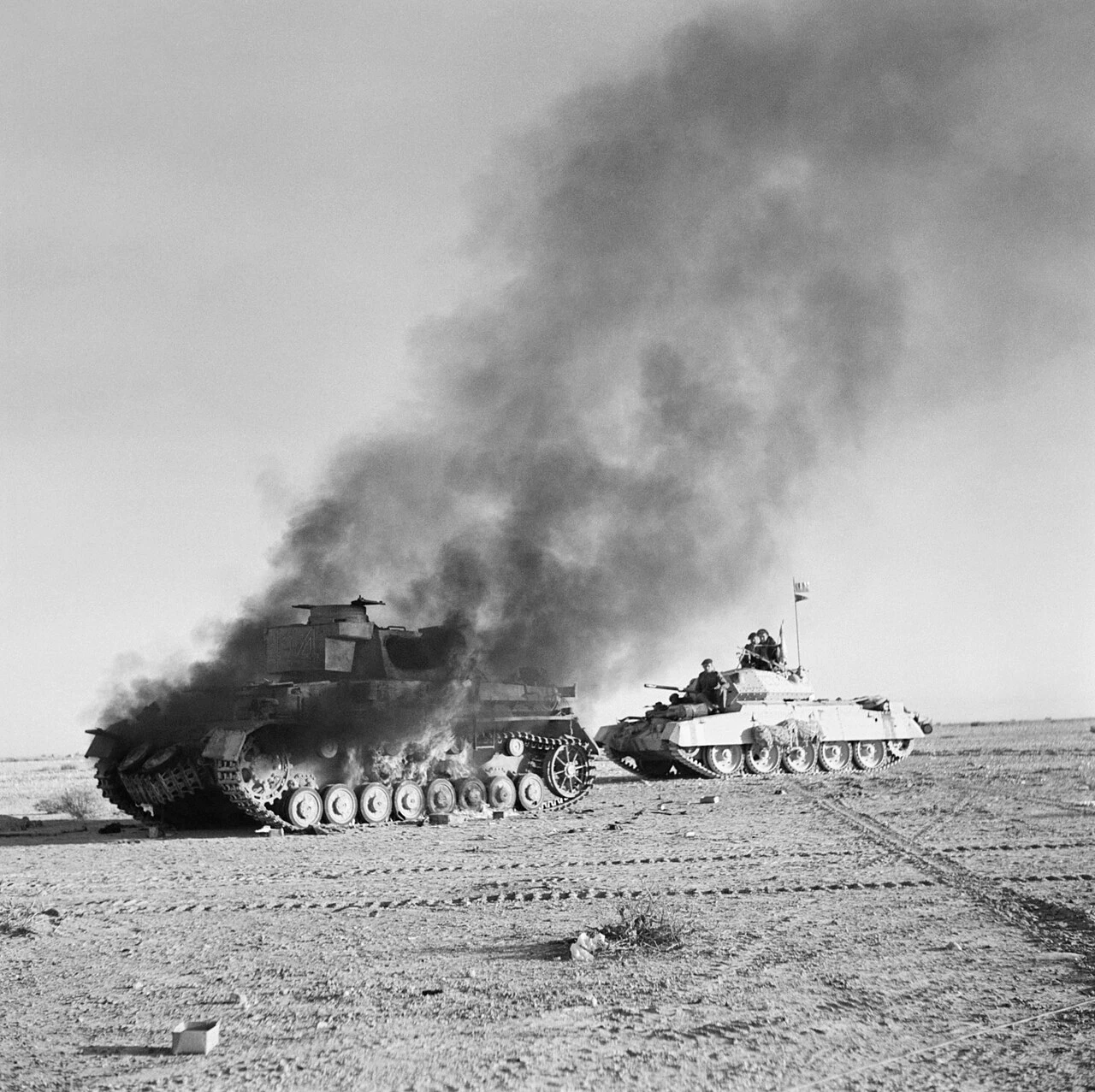
Crusader: The Generals' Doubt
Changsha 1941: Xue Yue Faces the Japanese Offensive
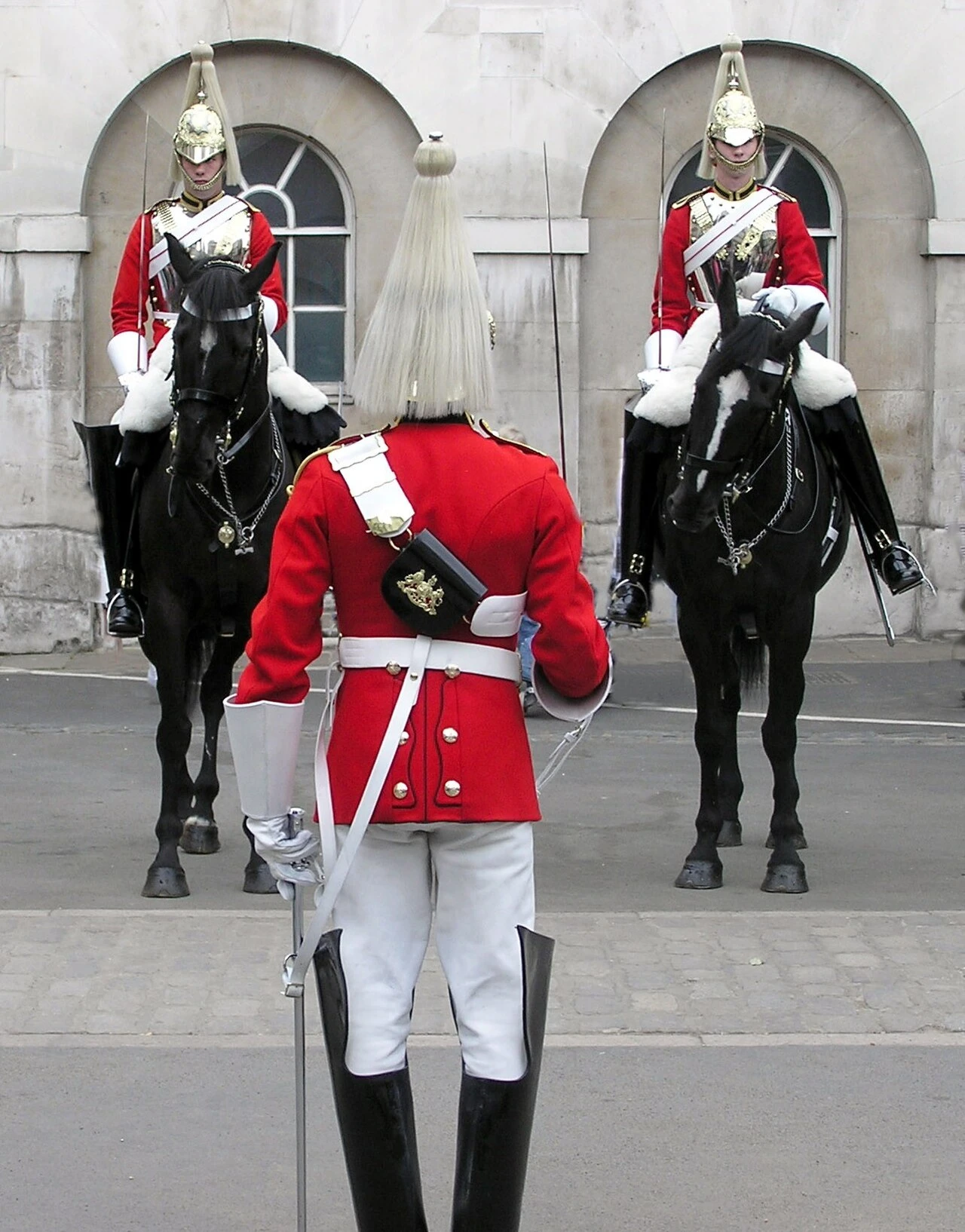
"Cromwell" — England, 7 September 1940
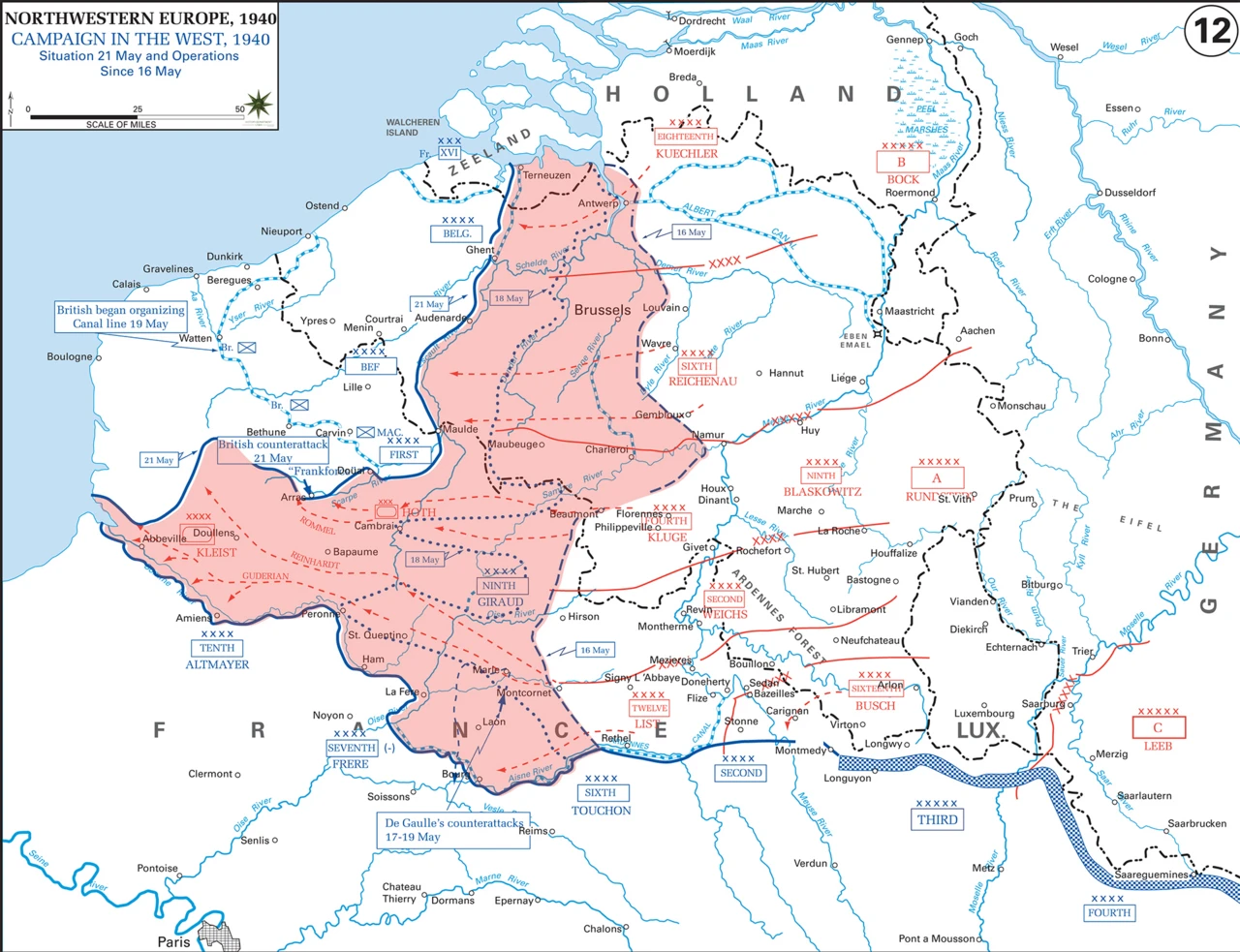
Arras — the Matildas against Rommel's flank
Cunningham toward Mogadishu
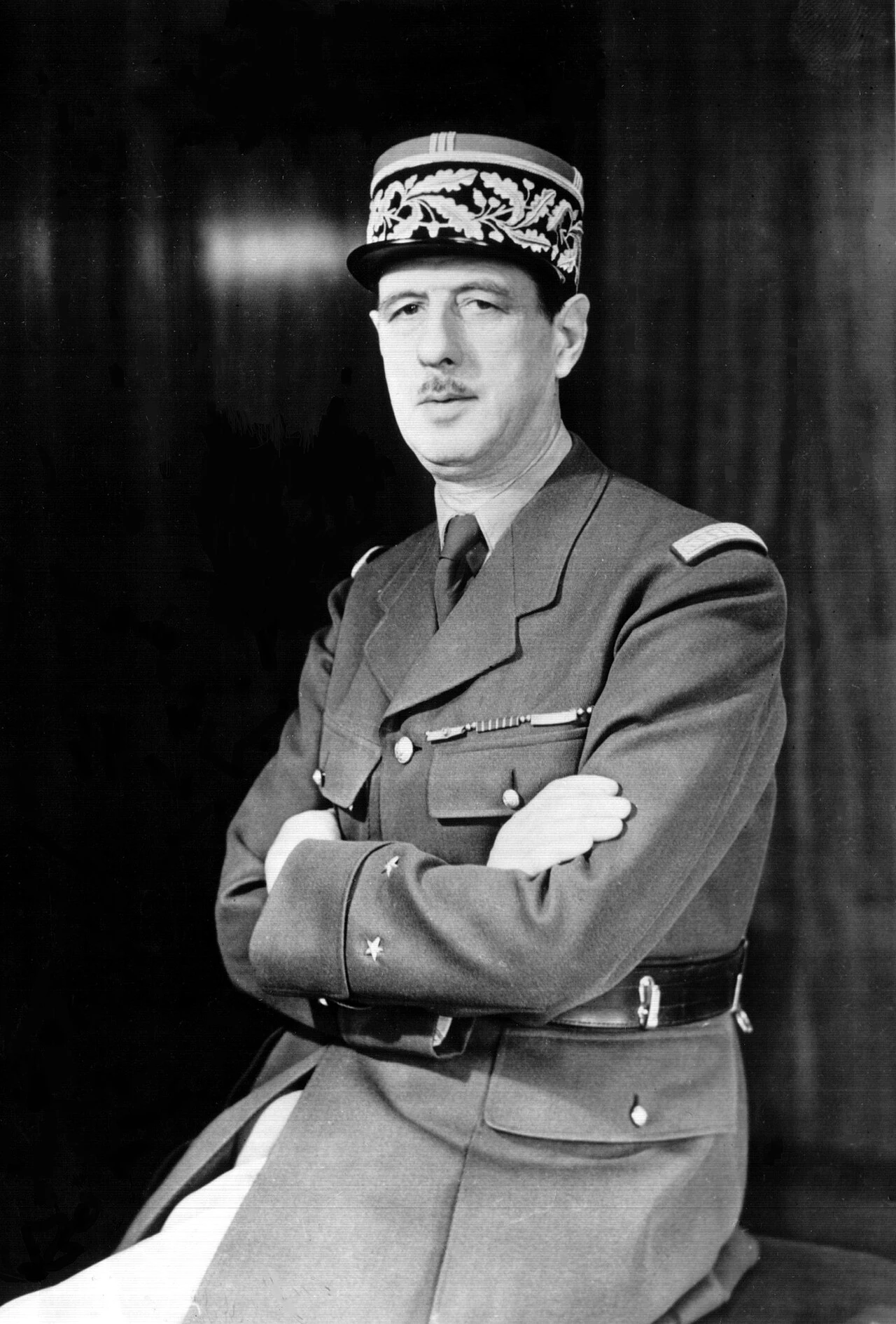
De Gaulle at Abbeville
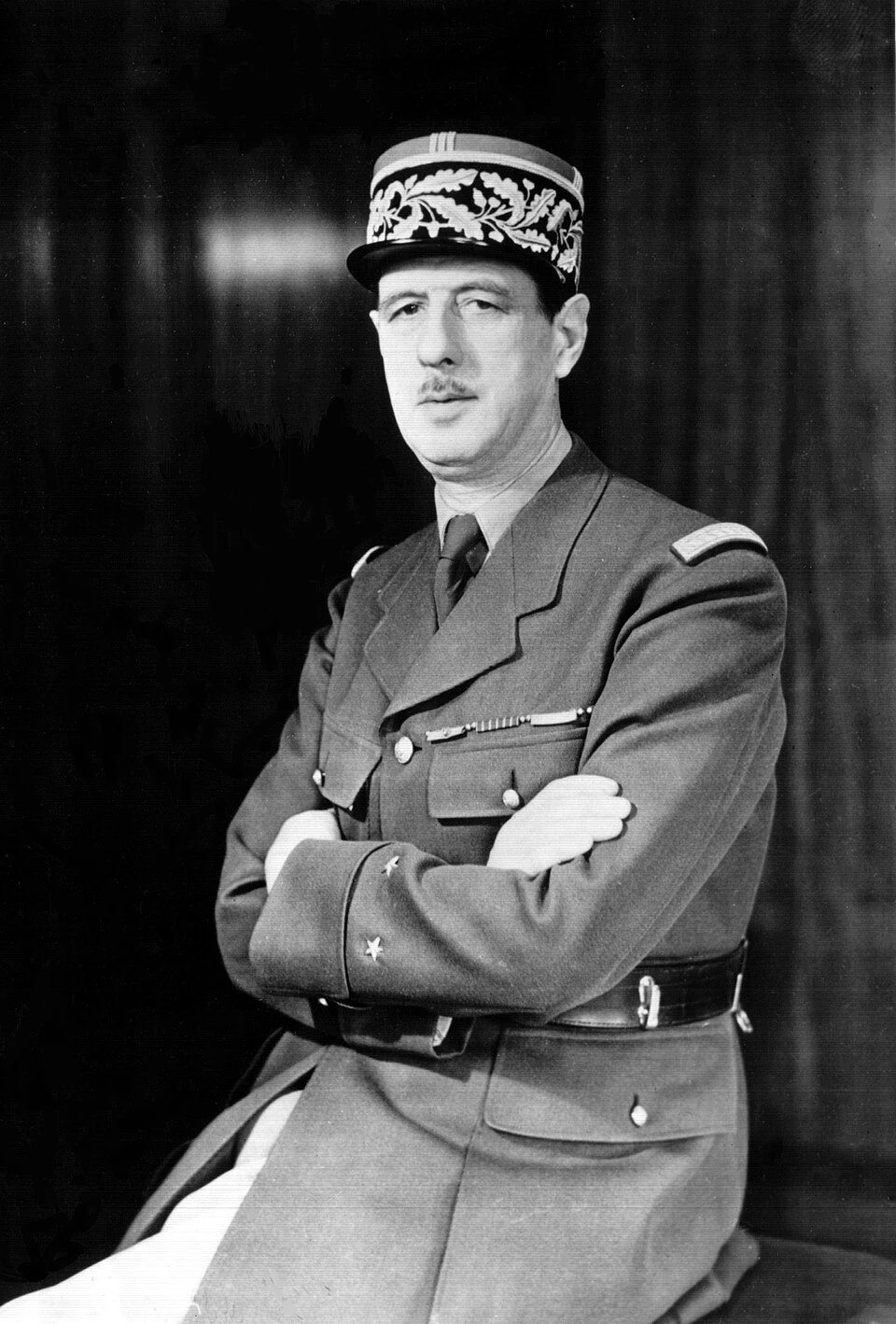
De Gaulle at Montcornet — 17 May
Peng Dehuai — the Hundred Regiments Offensive
Wavell Against the 150,000 Italians — Egypt, September 1940
Platt before Kassala — January 1941
Crusader: The Generals' Doubt
Changsha 1941: Xue Yue Faces the Japanese Offensive
"Cromwell" — England, 7 September 1940
Arras — the Matildas against Rommel's flank
Cunningham toward Mogadishu
De Gaulle at Abbeville