
The Reich's Concrete Against the Sea
In late 1941, the German command feared an Allied landing on the western coasts of Europe. On 14 December 1941, an OKW order signed by Keitel called for a "new West Wall": a titanic construction project stretching along thousands of kilometres of coastline, from Norway to the Spanish border.
, at the head of the Organisation Todt, inherited the challenge in the dead of winter. Concrete, steel and above all manpower were lacking: hundreds of thousands of Germans were already mobilised at the front and in industry.
Faced with the scale of the undertaking, several paths opened up to gather the workforce needed and meet the deadlines imposed by Berlin.
To build this coastal rampart against the clock, which workforce should the Organisation Todt rely on?
The Organisation Todt resorted heavily to forced labour and prisoners: at the peak of the works, around 1.4 million workers were employed, including hundreds of thousands of conscripts from the occupied countries, notably more than half a million French. The project, formalised by Hitler's Directive No. 40 on 23 March 1942, gave rise to the "Atlantic Wall." Despite the goal of 15,000 structures, shortages of materials and personnel meant that only a fraction was completed before the 1944 landings.
Learn more about this event
Related polls
10
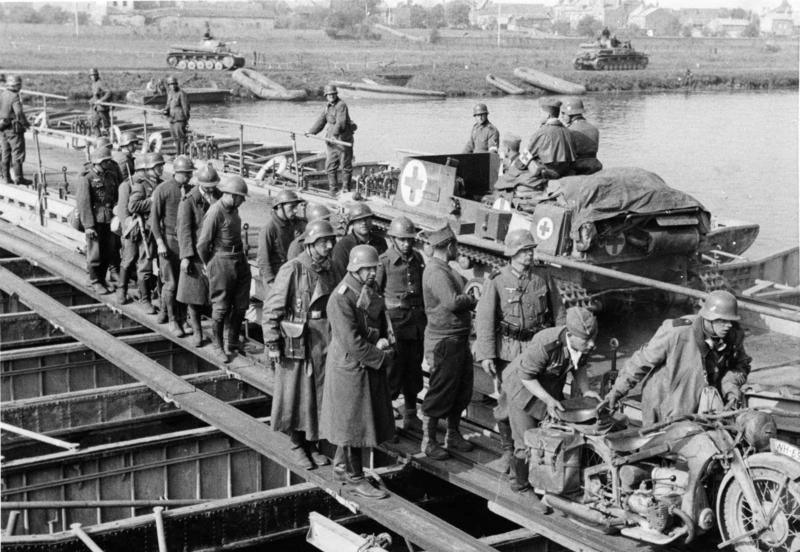
The French engineers at Sedan
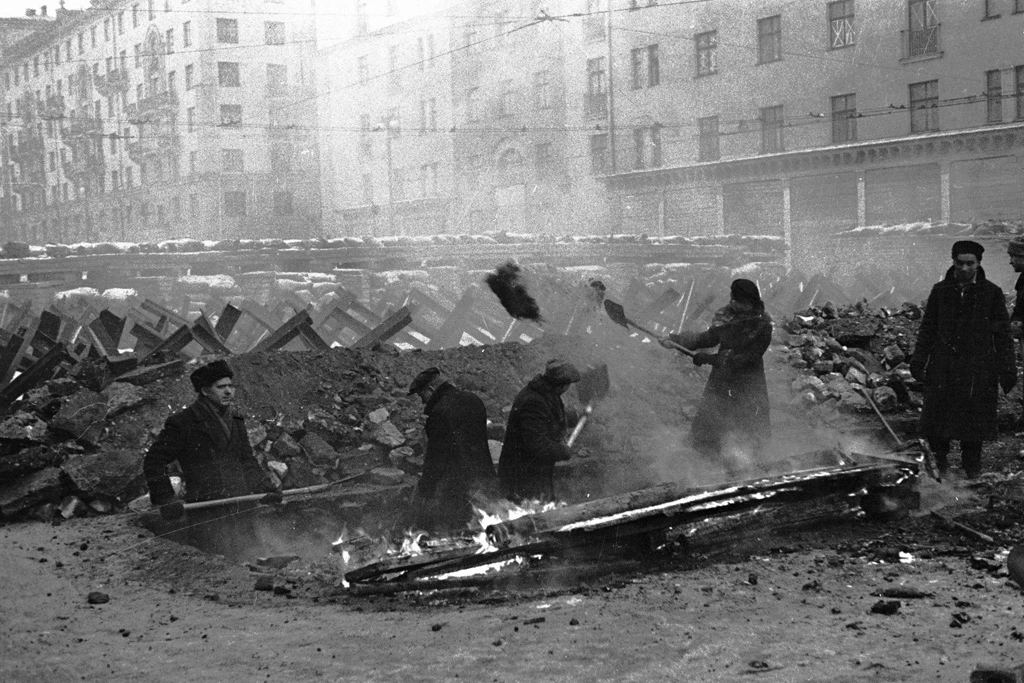
Moscow, 16 October 1941: the capital on the brink
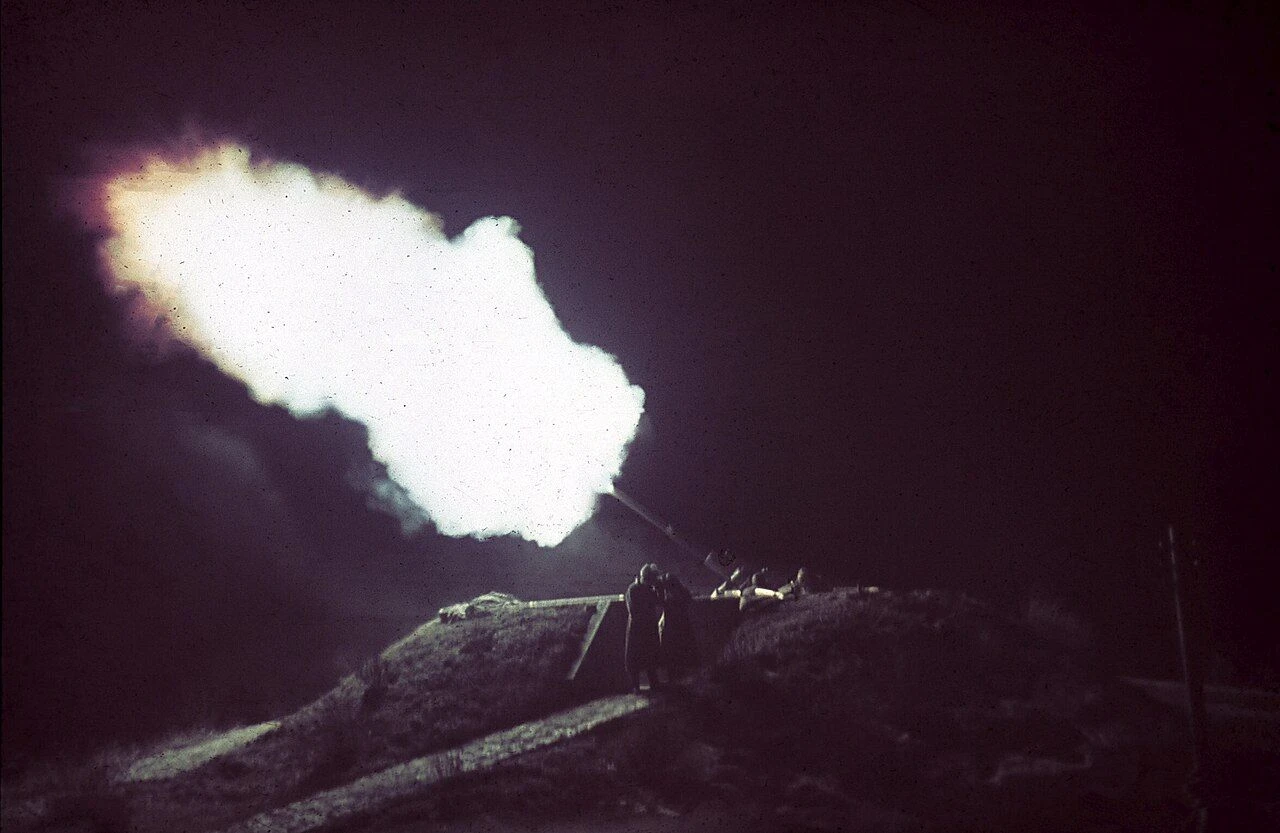
Aalto-Setälä — passive defence
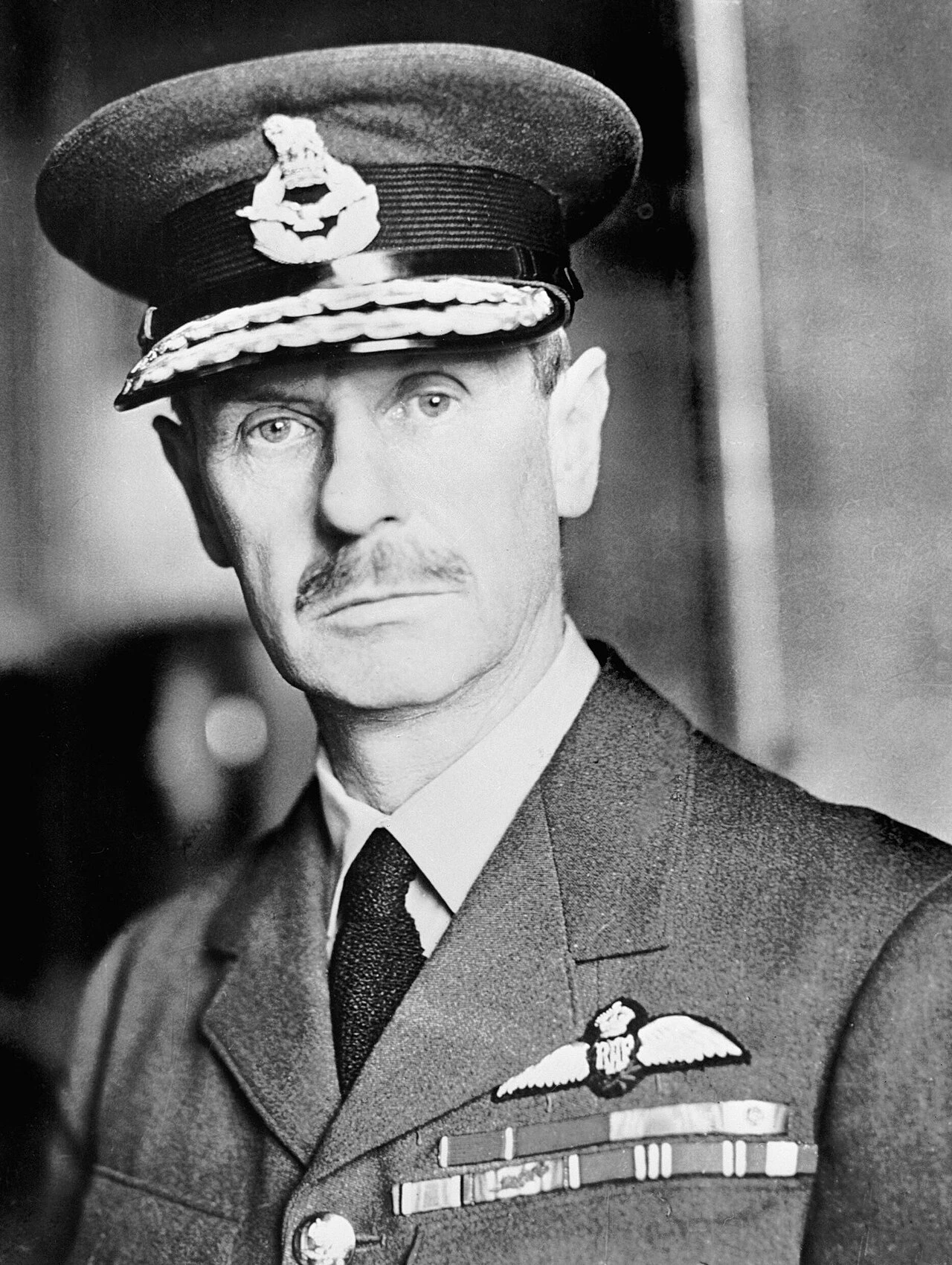
Chain Home — the Invisible Wall
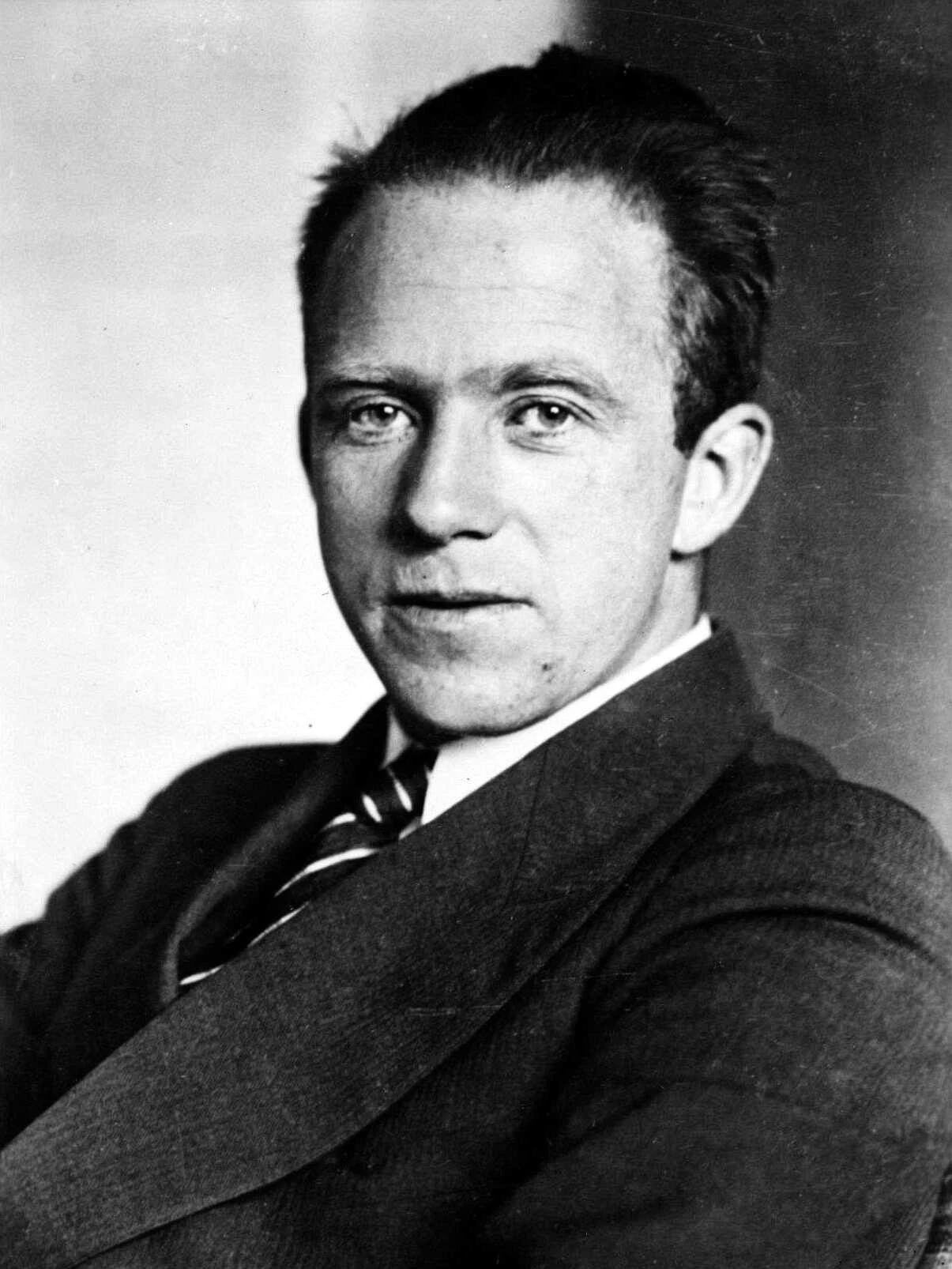
The German "Uranverein": a priority refused
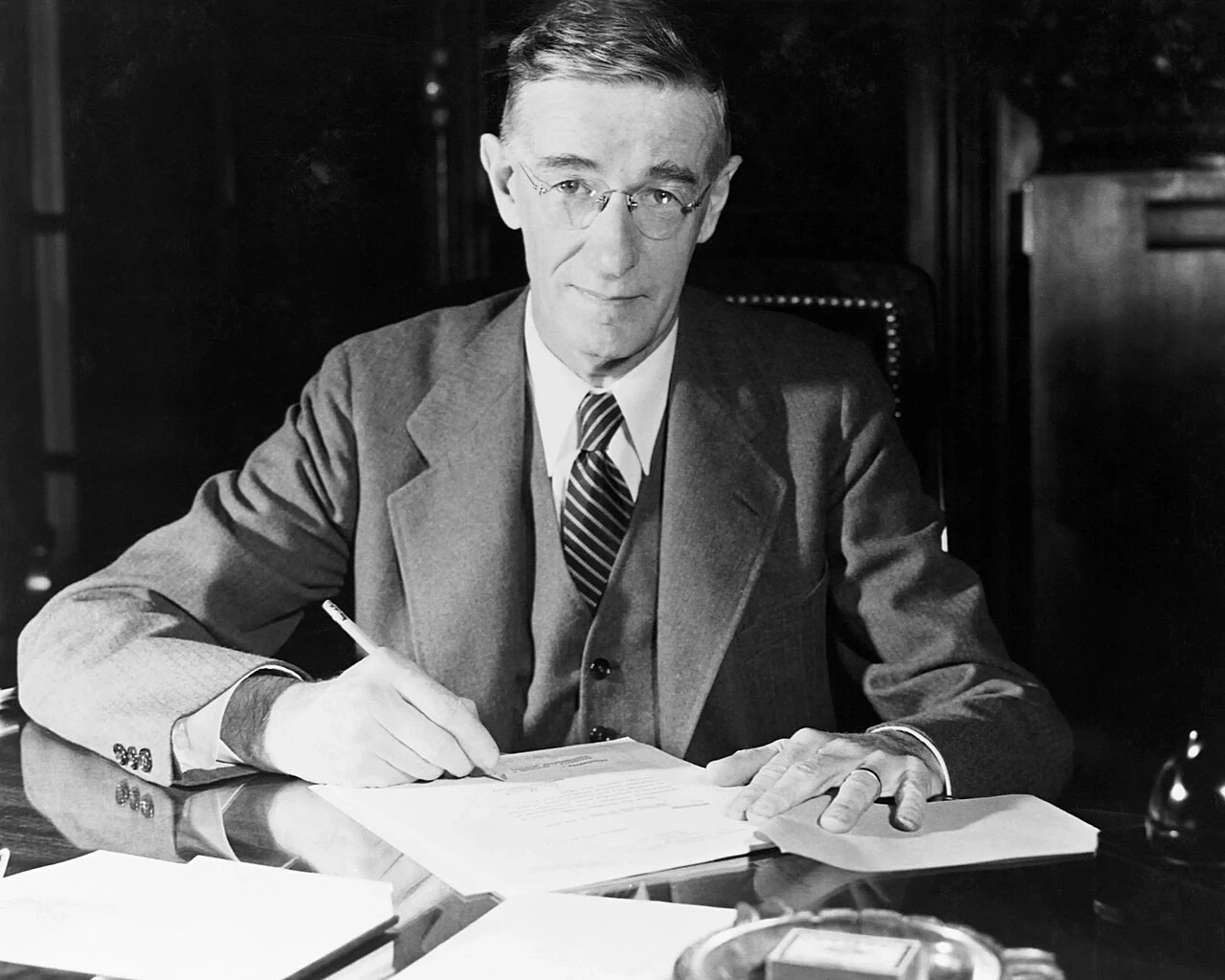
On the Eve of Pearl Harbor, a Decision in the Shadows

Citroën, the occupier and the secret little car
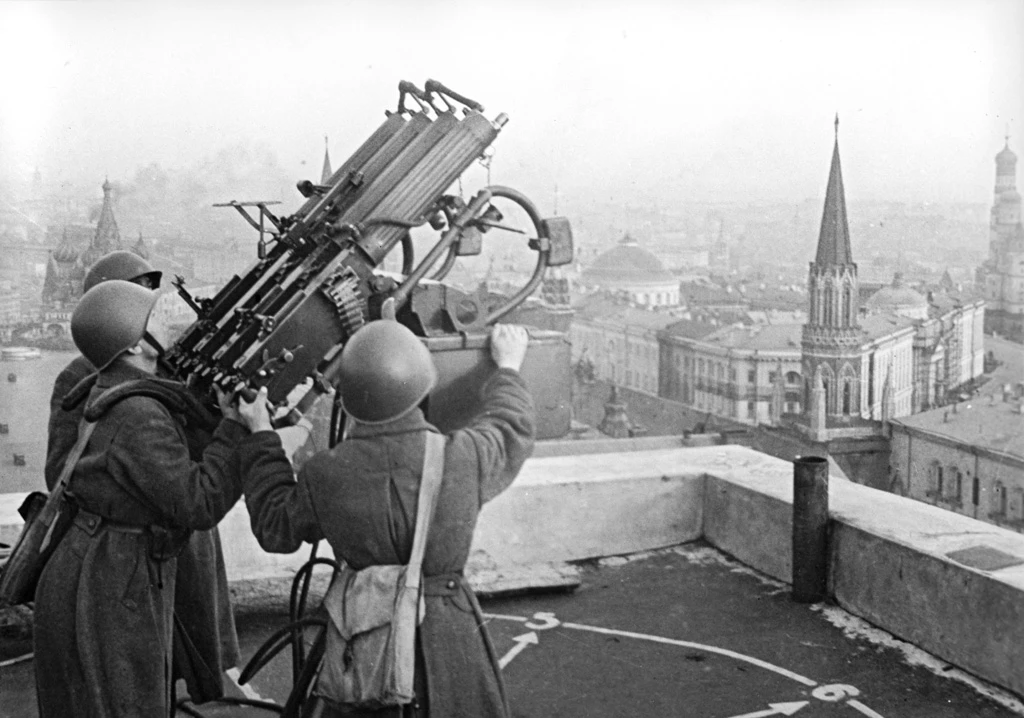
The physics student evacuated from Moscow
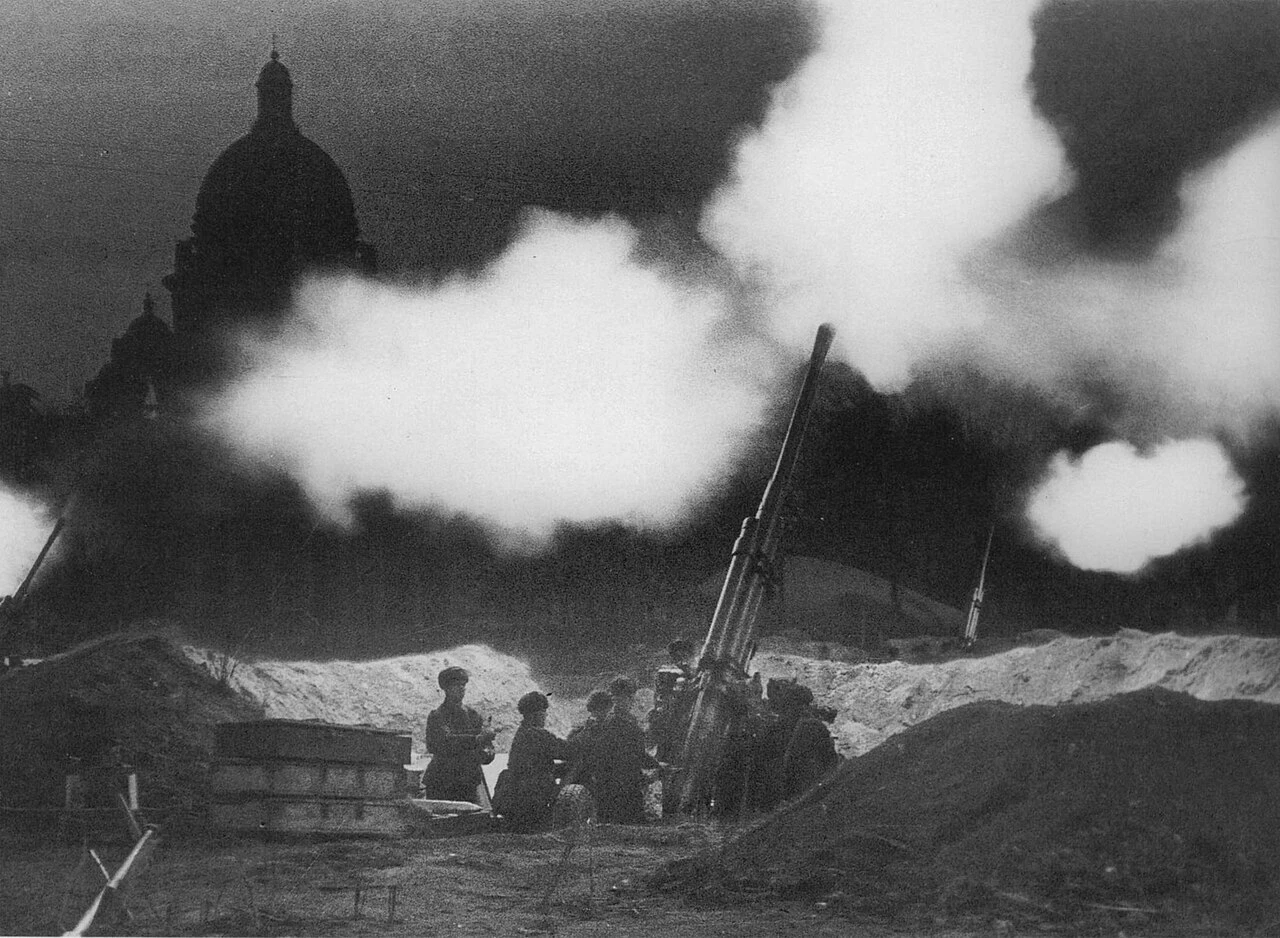
Leningrad University during the siege
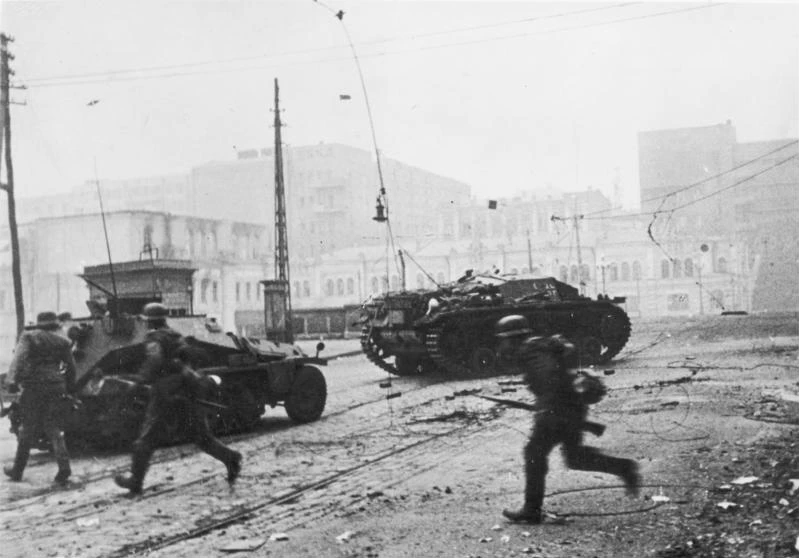
Soviet Sappers at Kharkov
The French engineers at Sedan
Moscow, 16 October 1941: the capital on the brink
Aalto-Setälä — passive defence
Chain Home — the Invisible Wall
The German "Uranverein": a priority refused
On the Eve of Pearl Harbor, a Decision in the Shadows
Citroën, the occupier and the secret little car
The physics student evacuated from Moscow
Leningrad University during the siege