
Hitler and Fall Gelb — 29 postponements
The Fall Gelb plan (the western offensive) had been ordered by Directive No. 6 of 9 October 1939. First date scheduled: 12 November 1939. But the OKH (Brauchitsch-Halder) resisted, the original plan was judged mediocre, the weather was bad. Hitler postponed for the first time to 26 November. Then to 17 December. Then to 1 January 1940.
On 10 January 1940, the Mechelen affair compromised the plans: the Schlieffen 2.0 version had to be abandoned. The reasons to defer kept piling up: weather, planning, state of the armour, ground conditions, awaiting a new operational concept. But each postponed date was an offensive not launched, and initiative slipping away. Hitler could instead demand that a near date remain fixed at all times, to keep the OKH under pressure.
During the winter of 1939-1940, the OKH generals breathed easier — each postponement gave them more time. The anti-Nazi German resistance (Beck-Canaris-Oster) hoped Hitler would back down. Goering pushed for an immediate offensive; Brauchitsch and Halder pushed to postpone further.
Hitler had to choose whether to keep Fall Gelb live or suspend it.
Should Hitler keep Fall Gelb permanently ready to go?
Hitler applied A throughout the six months. Over the 180 days between 12 November 1939 and 10 May 1940, he signed 29 successive postponement orders — a figure made famous by the historiography. These postponements kept the Wehrmacht on constant alert. On 17 February 1940, audience with Manstein, adoption of the Sichelschnitt. Date reset to 10 May 1940 (actual launch). The upshot: the German Phoney War was largely involuntary — Hitler had wanted to attack in autumn 1939, but the OKH dragged its feet for 6 months. The paradoxical result: the delay imposed by the generals opposed to Hitler made possible the development of the Sichelschnitt that would deliver the lightning victory of May-June 1940 — the exact opposite of their intention. The strategic lesson remains a textbook case.
Learn more about this event
Related polls
10
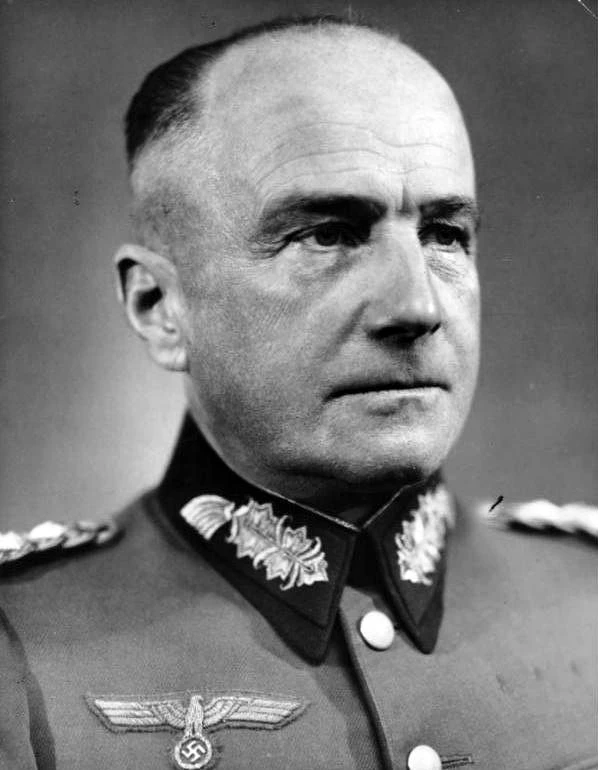
Brauchitsch — Reich Chancellery, 5 November
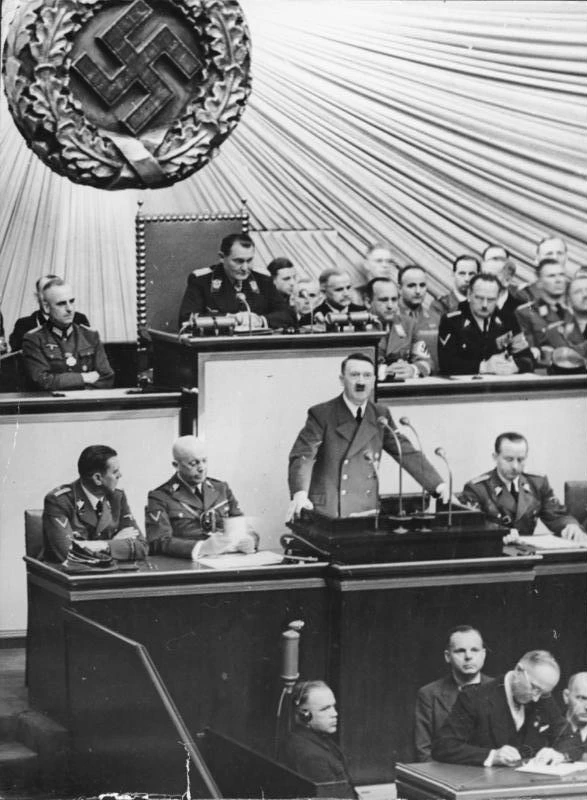
Hitler — the Reichstag Speech
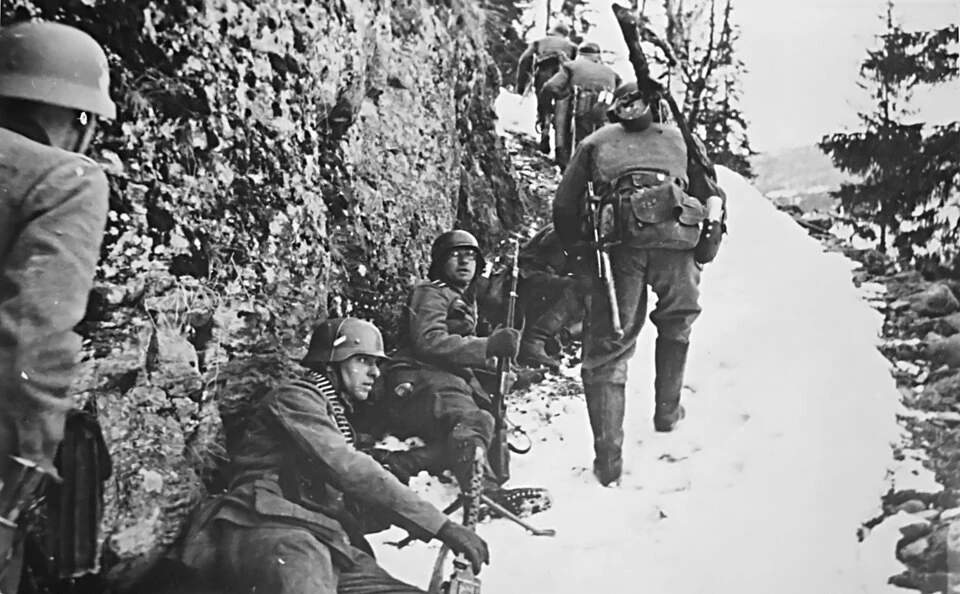
Weserübung — directive of 1 March
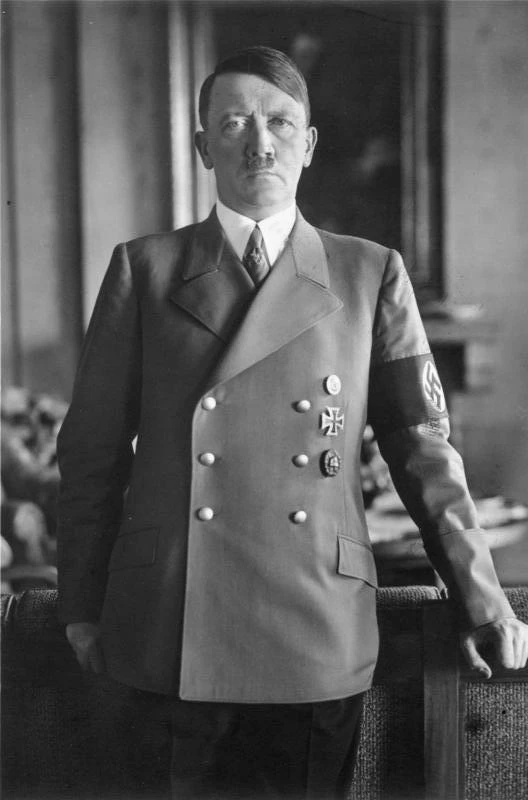
The Obersalzberg Speech
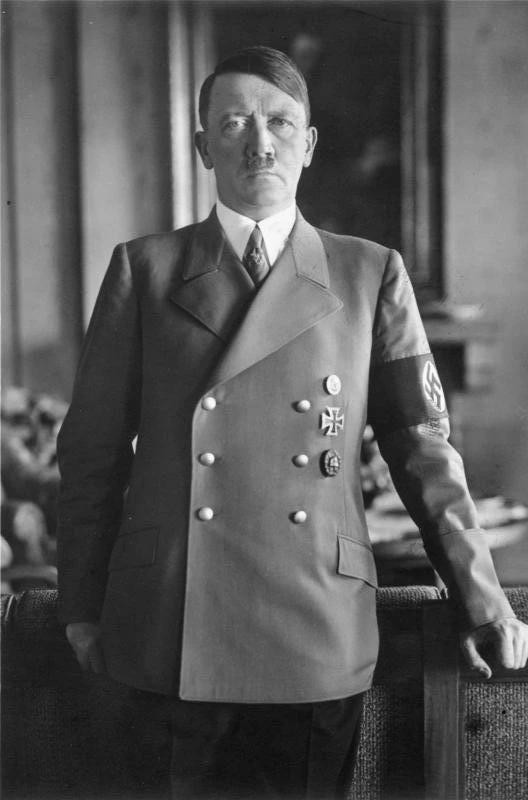
Gibraltar after the rebuff at Hendaye
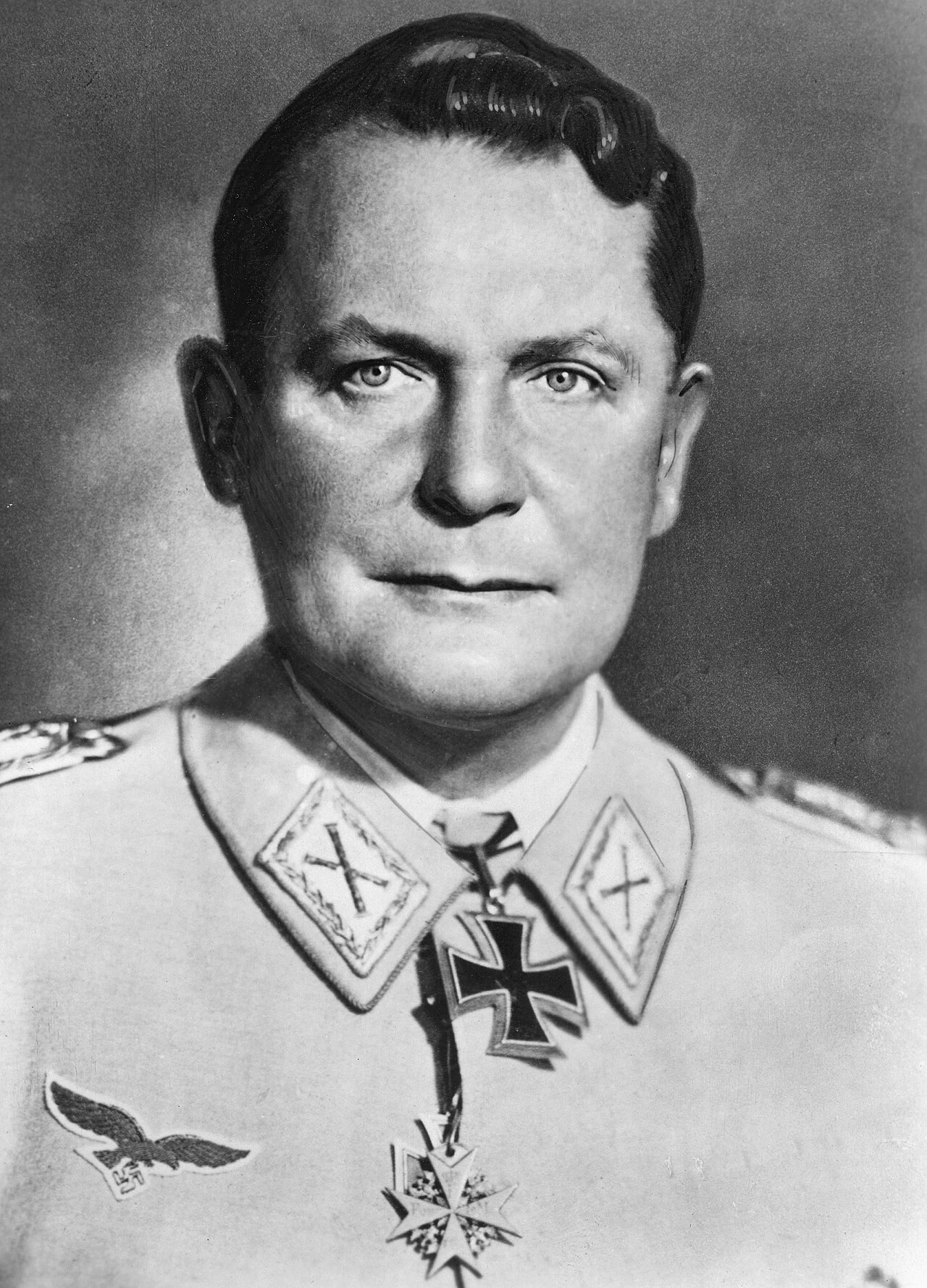
Goering at Carinhall — the promise to Hitler
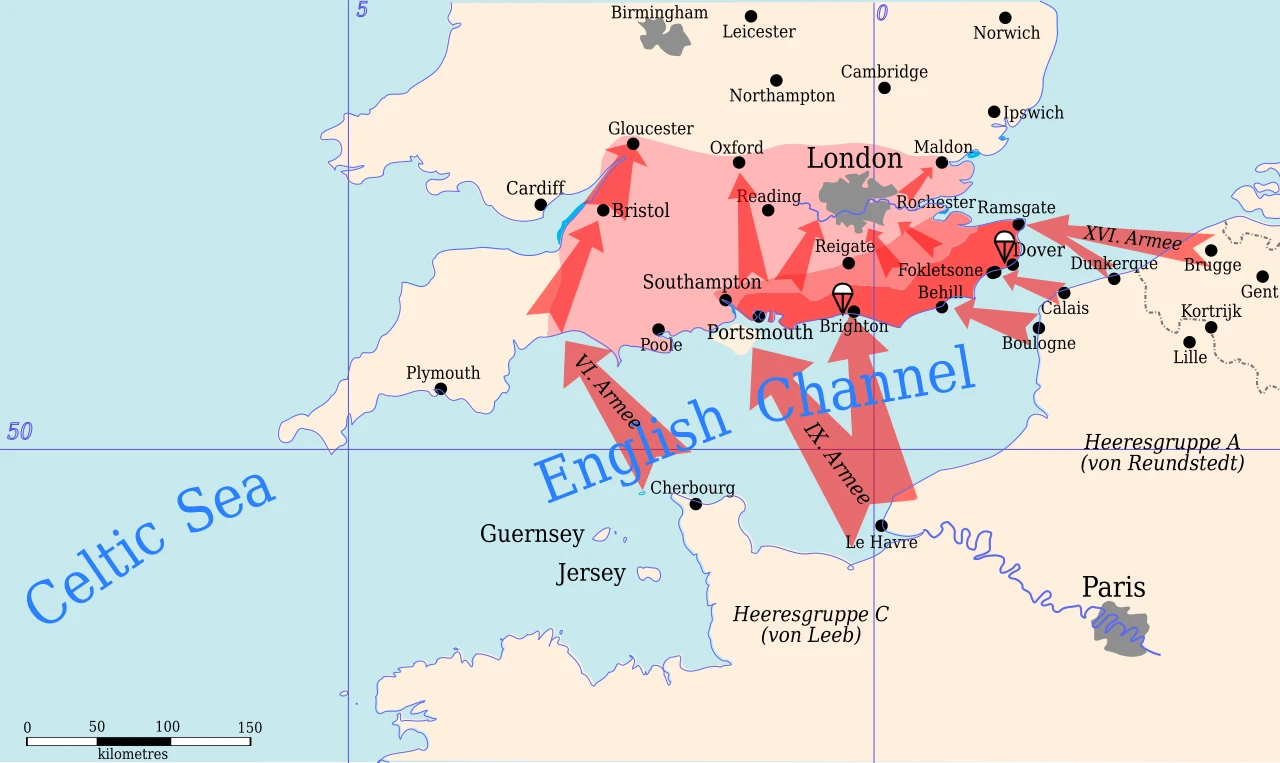
Hitler faces Sea Lion — September 17
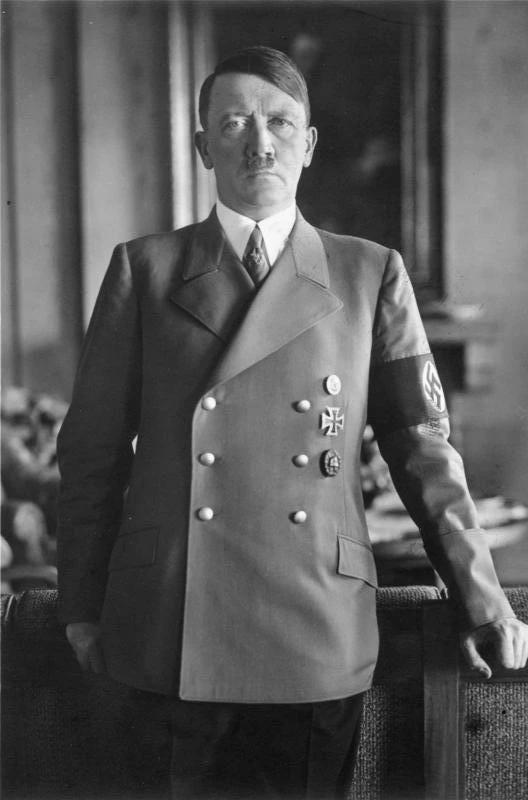
Hitler Before His Generals
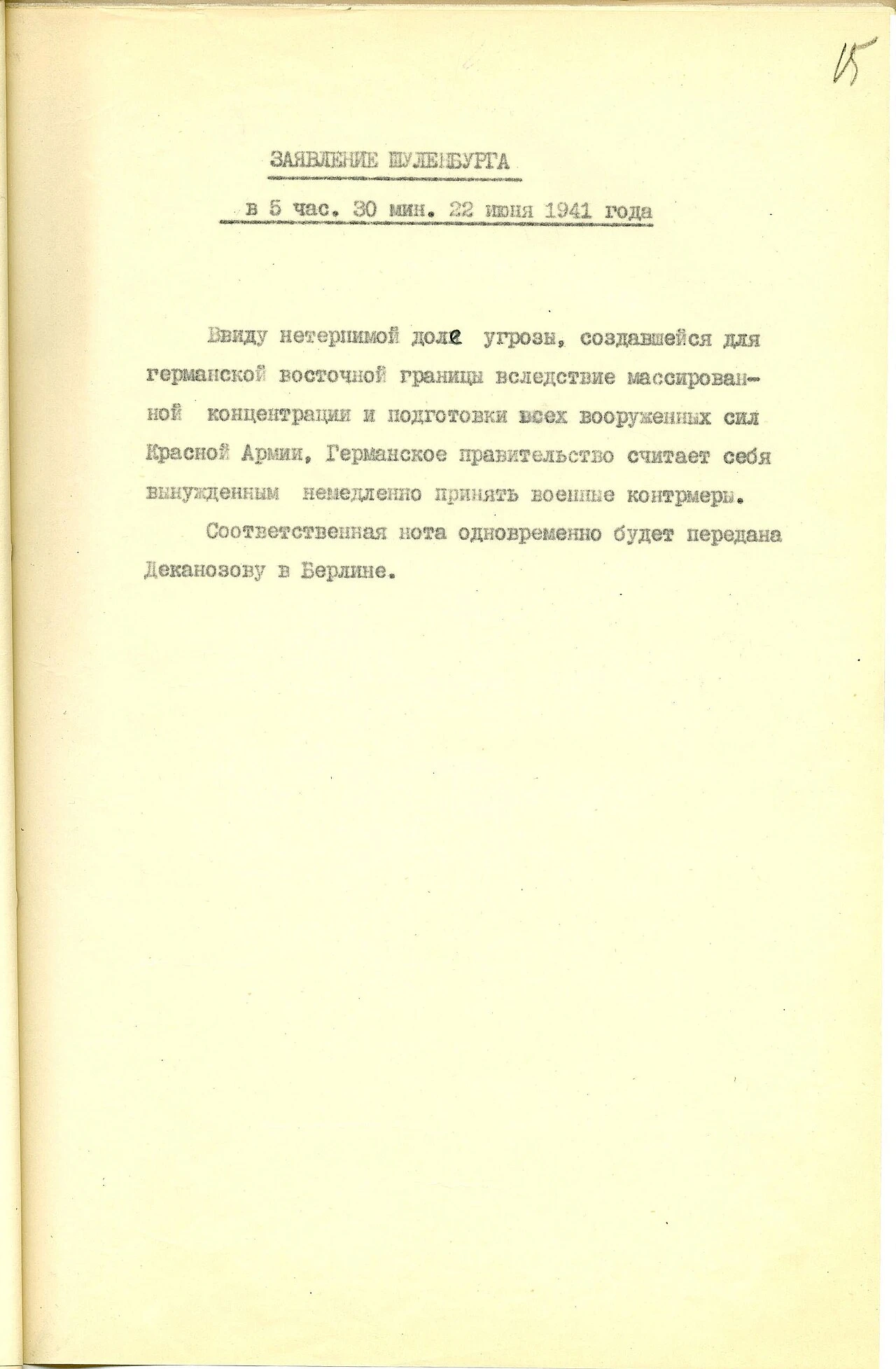
Hitler — the Eve of Barbarossa
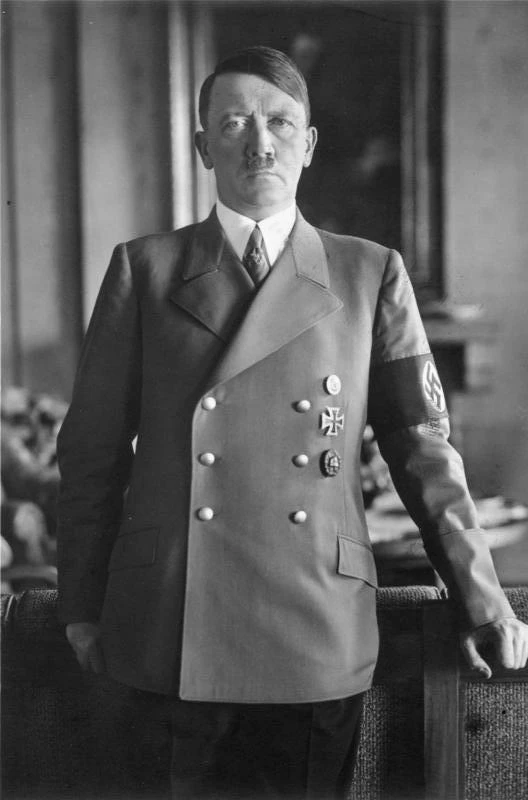
Hitler Postpones Fall Weiss
Brauchitsch — Reich Chancellery, 5 November
Hitler — the Reichstag Speech
Weserübung — directive of 1 March
The Obersalzberg Speech
Gibraltar after the rebuff at Hendaye
Goering at Carinhall — the promise to Hitler
Hitler faces Sea Lion — September 17
Hitler Before His Generals
Hitler — the Eve of Barbarossa