
Buy Each for Themselves or with a Single Voice
September 1939. France and the United Kingdom have just entered the war. Both depend on neutral markets — above all the American market — for steel, oil, raw materials, aircraft, and food. Yet each country negotiates on its own account, and the Allied buyers are already competing with one another over the same cargoes, driving up prices to the sellers' benefit.
sends to London a man well versed in this problem, one he had already confronted in 1917-1918: a decision must be made on how to coordinate the supply effort of the two allies.
Should each nation be left to buy freely, should a simple case-by-case consultation be set up, or should needs and orders be merged into a common Allied mechanism, even at the cost of surrendering a share of economic sovereignty?
How should France and the United Kingdom organize their wartime purchases abroad?
The path chosen was that of pooling (option B). , drawing on his experience of inter-Allied coordination in 1914-1918, argued for a genuine "pooling" of Allied resources: shared assessments of needs, coordinated import programs, and joint purchases to present the Allies as a single buyer facing the neutral suppliers and to break the bidding war. London, reluctant to accept a common ministerial direction, agreed to a compromise at the level of officials: the Franco-British Coordinating Committee, announced at the end of November 1939 and chaired by Monnet from 6 December 1939, overseeing executive committees (raw materials, oil, armament, supply, maritime transport, etc.) tasked with "eliminating competition among the Allied nations." This experience of joint management would later nourish Monnet's European thinking.
Learn more about this event
Related polls
10
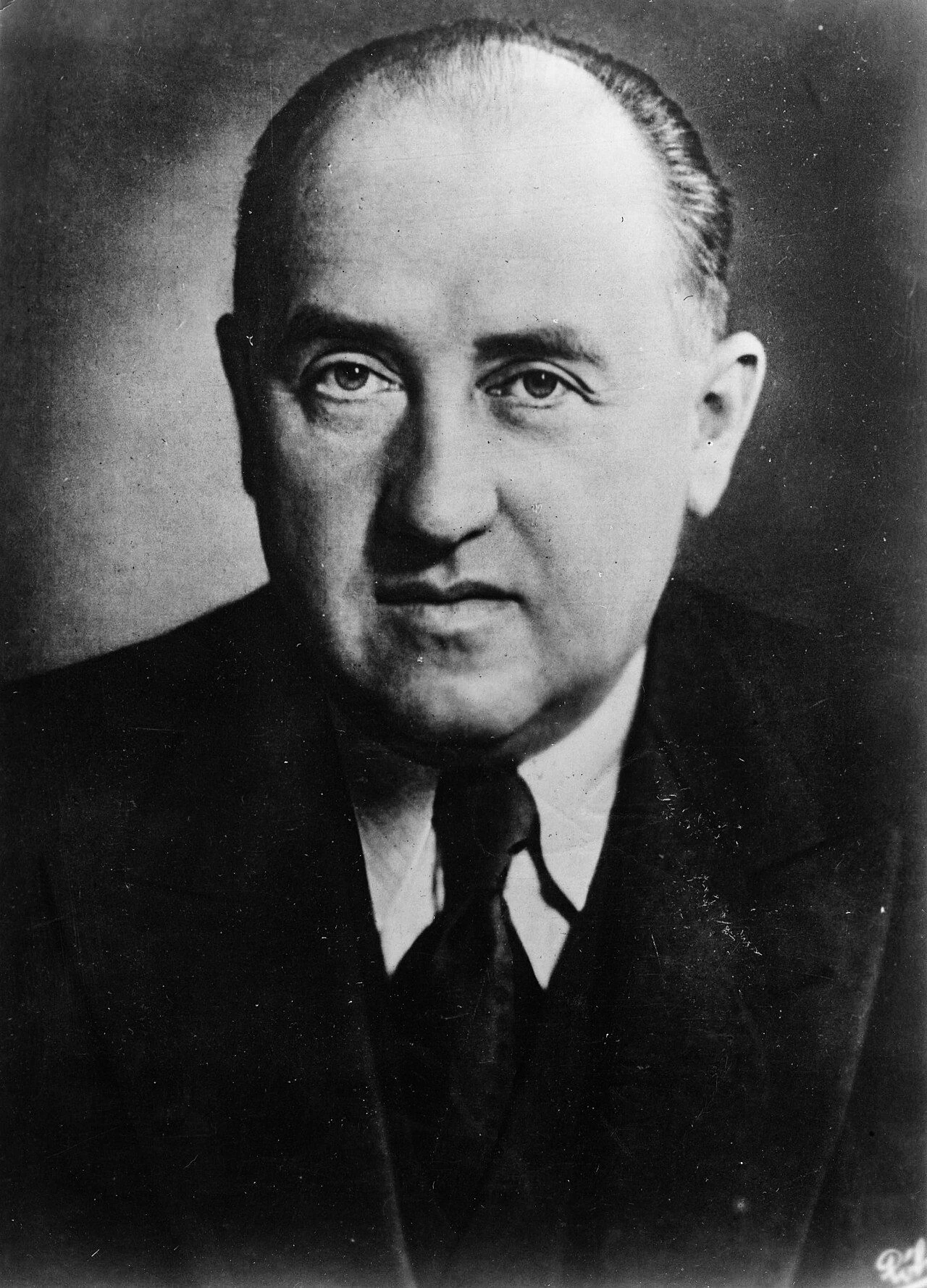
The Gold of the Bank of Poland — the destination of the SS Eocene
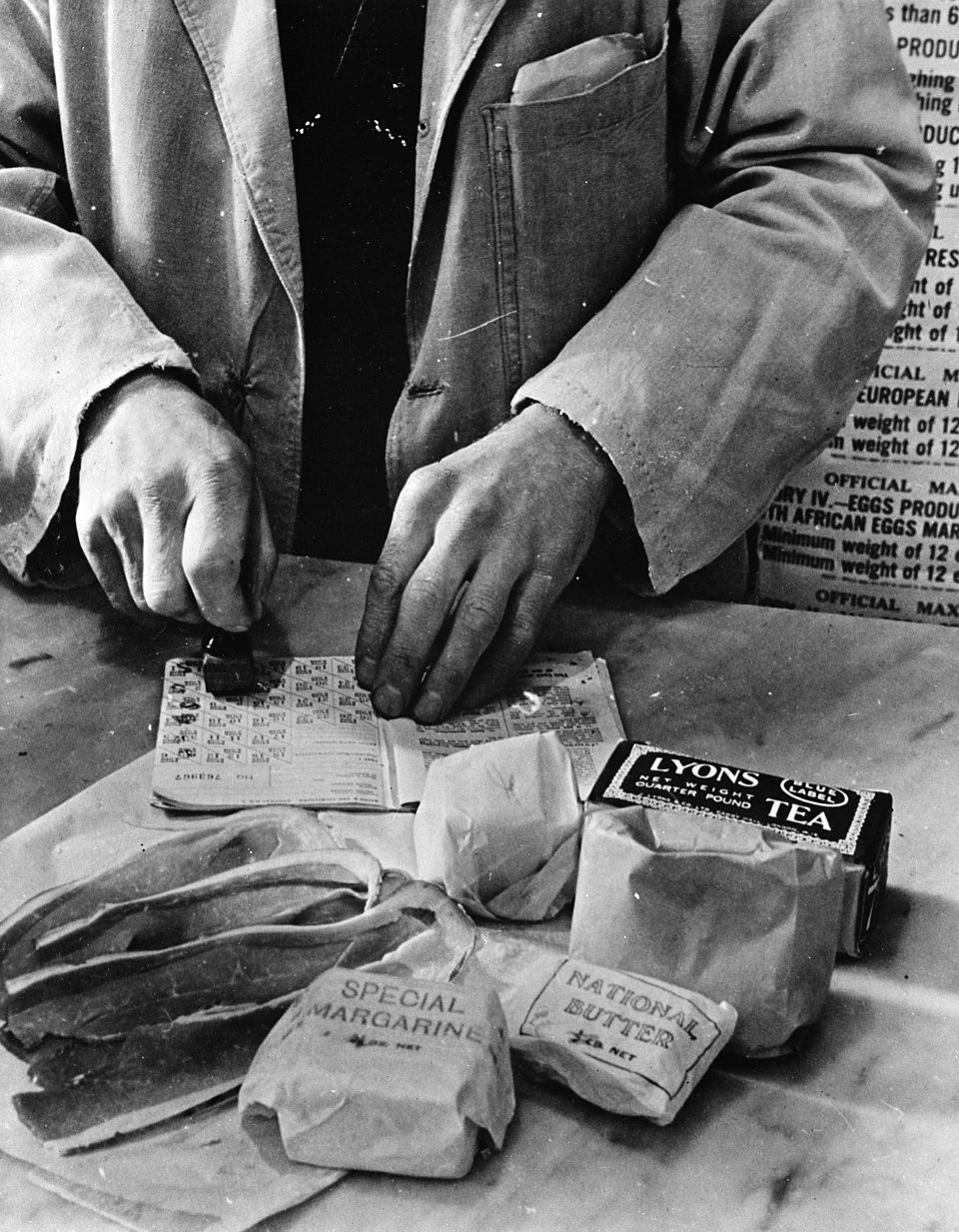
British rationing — Morrison and the principle

Selling to Both Sides
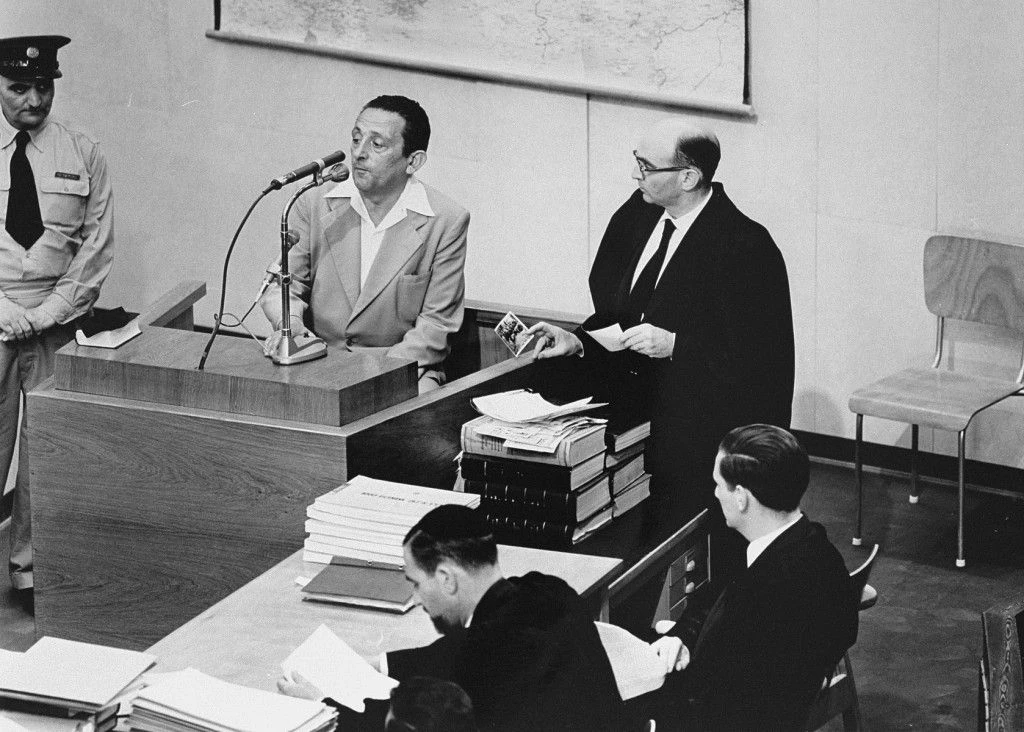
Biebow at Litzmannstadt — 8 February

Borakowski and the merchant fleet

Daladier — Thorez's Defection
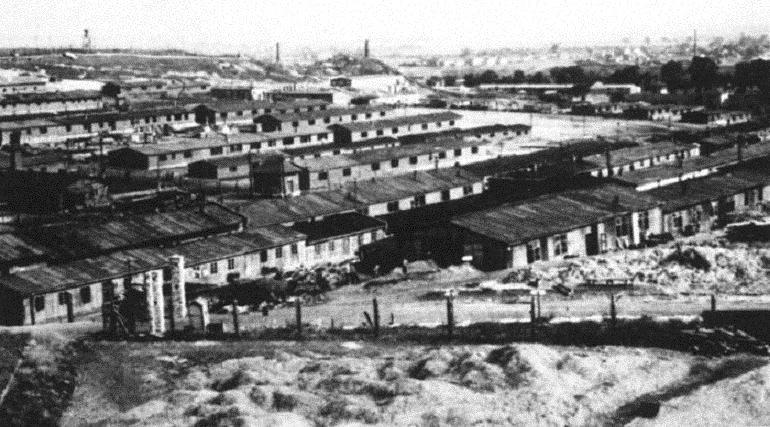
The Upper Silesian Pole Subjected to Forced Labour
Maurras and the phoney war
The Czech Gold

Baumgartner and the gold of the Banque de France
The Gold of the Bank of Poland — the destination of the SS Eocene
British rationing — Morrison and the principle
Selling to Both Sides
Biebow at Litzmannstadt — 8 February
Borakowski and the merchant fleet
Daladier — Thorez's Defection
The Upper Silesian Pole Subjected to Forced Labour
Maurras and the phoney war
The Czech Gold