
The Norden bombsight is reputed to be the most accurate in the world: an optical and gyroscopic instrument supposedly capable of hitting a target from very high altitude. The Army Air Corps pins its hopes for daylight precision bombing on it.
But the Norden is complex, slow to produce, and its first units suffer from reliability problems. A simpler competitor, the Sperry bombsight, is available, though it has not earned the same reputation.
At a time when bomber orders are soaring, should everything be staked on the best instrument, on the one easiest to manufacture, or should the choice be refused?
What policy should be adopted to equip future bombers with bombsights?
The Army Air Corps refuses to decide and has both bombsights produced in parallel throughout the war. The Norden remains the flagship instrument of high-altitude precision bombing, while the Sperry equips part of the fleet. The two systems will coexist on American heavy bombers, each with its own limitations, and actual accuracy will remain far below the promises of propaganda.
Learn more about this event
Related polls
10

The Einstein-Szilárd Letter
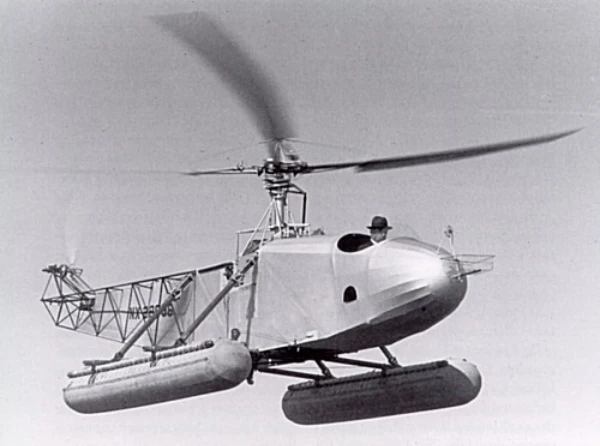
Sikorsky and the VS-300: the helicopter takes flight

On the Eve of Pearl Harbor, a Decision in the Shadows

Kaiser, the Rivet and the Electric Arc
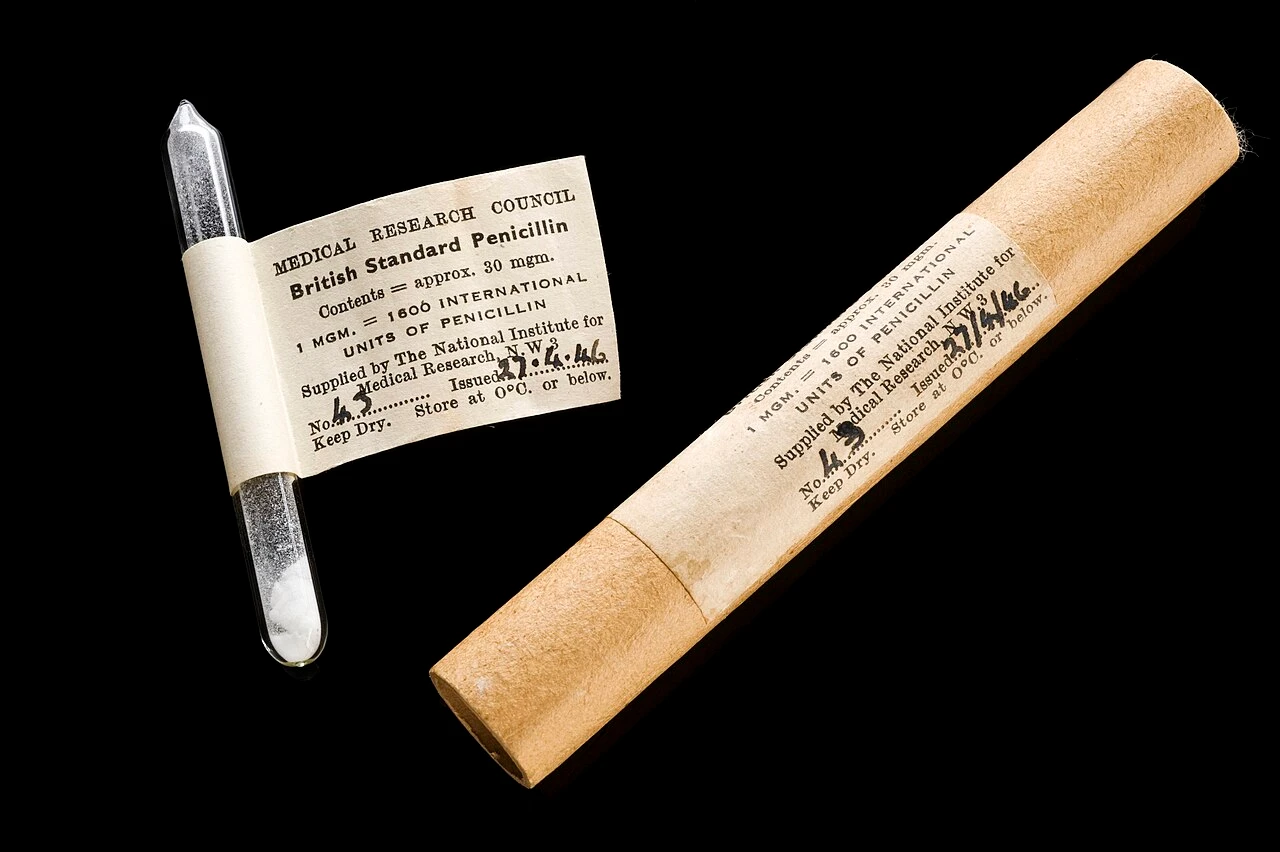
Rationing Penicillin
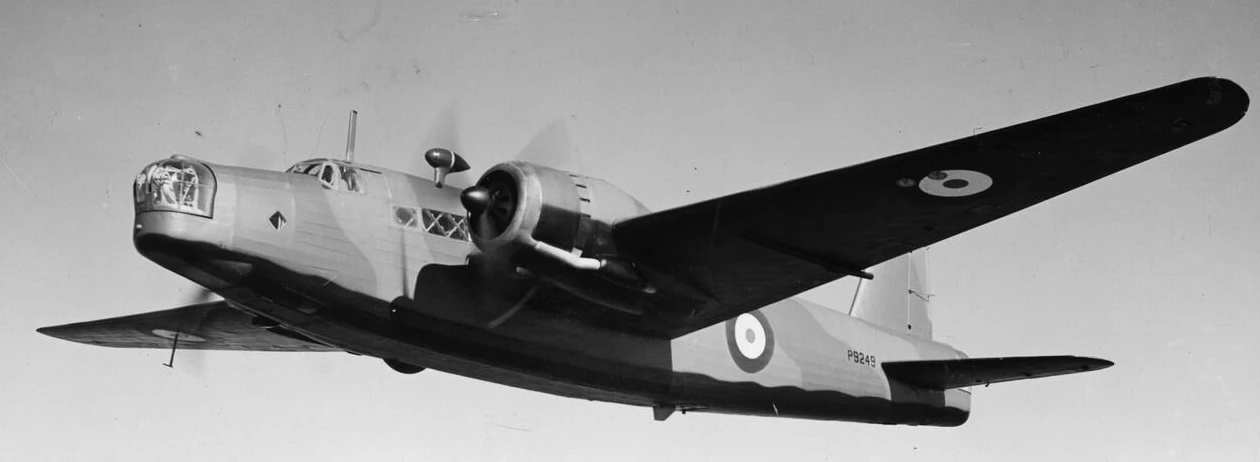
The lattice of steel that defied mass production

One bomber an hour: the Willow Run gamble

Roosevelt's Appeal
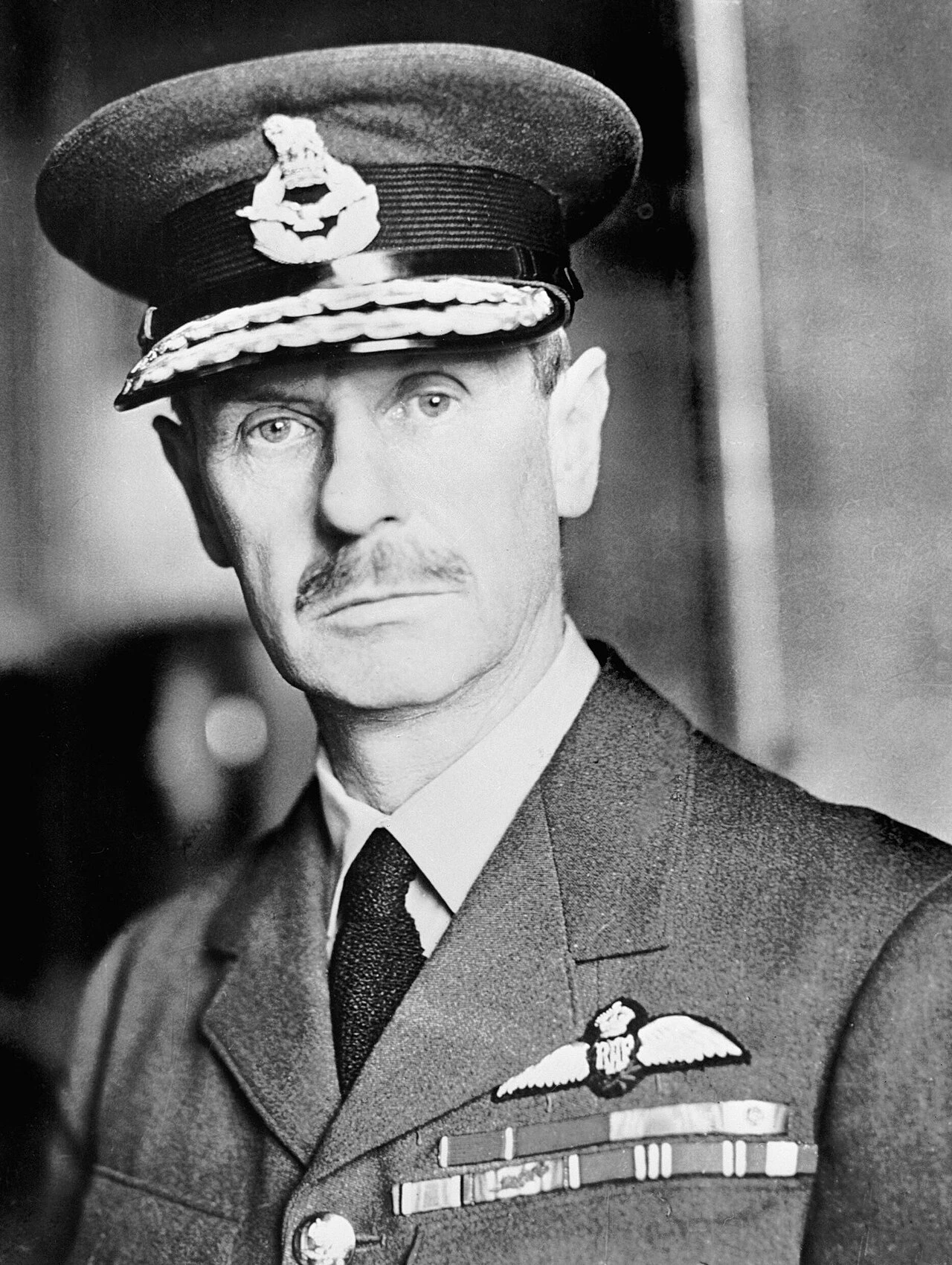
Chain Home — the Invisible Wall
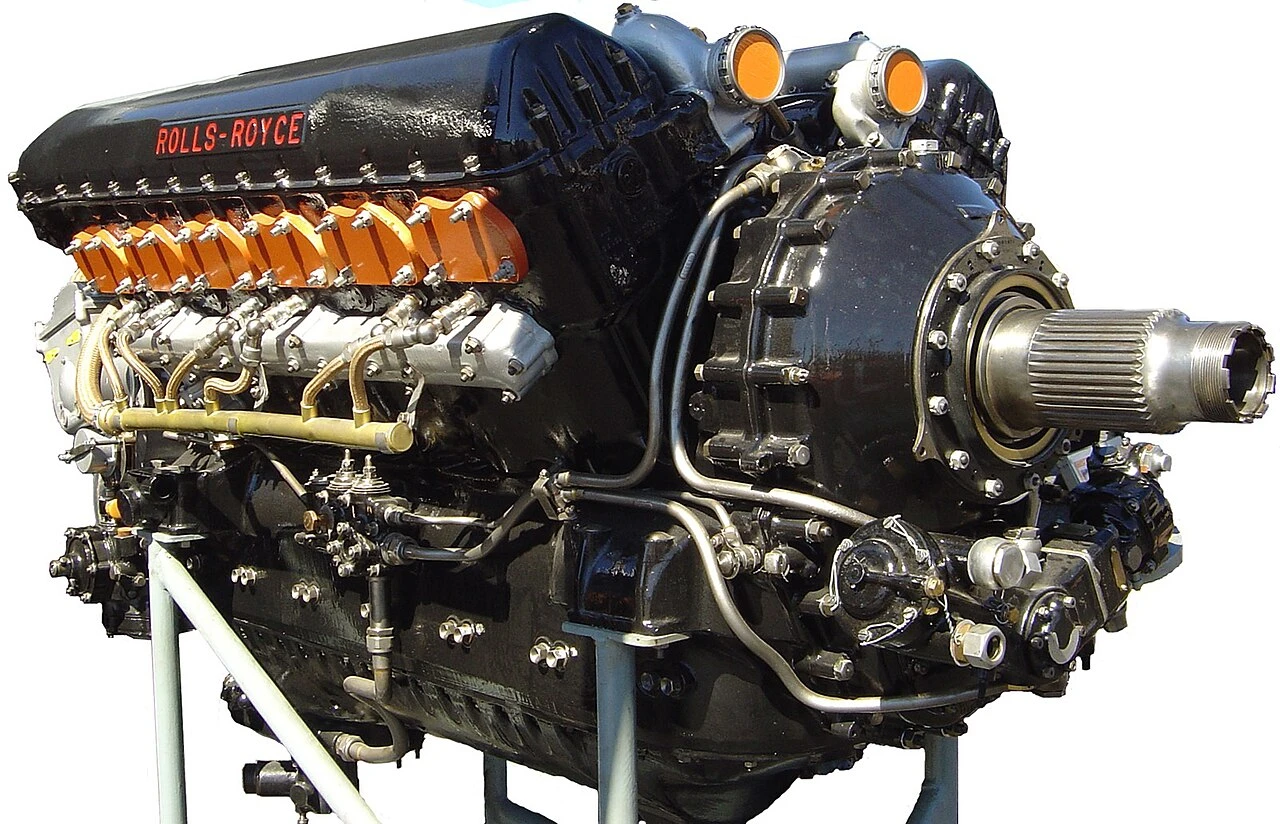
Car assembly lines for an aircraft engine
The Einstein-Szilárd Letter
Sikorsky and the VS-300: the helicopter takes flight
On the Eve of Pearl Harbor, a Decision in the Shadows
Kaiser, the Rivet and the Electric Arc
Rationing Penicillin
The lattice of steel that defied mass production
One bomber an hour: the Willow Run gamble
Roosevelt's Appeal
Chain Home — the Invisible Wall