
Boisson Faces the Squadron — Dakar, 23 September 1940
, Governor-General of French West Africa, administers from Dakar one of the pillars of the empire that has stayed loyal to Vichy. A veteran of Verdun and gravely wounded in the First World War, he embodies a legalist authority, hostile to Gaullist dissidence.
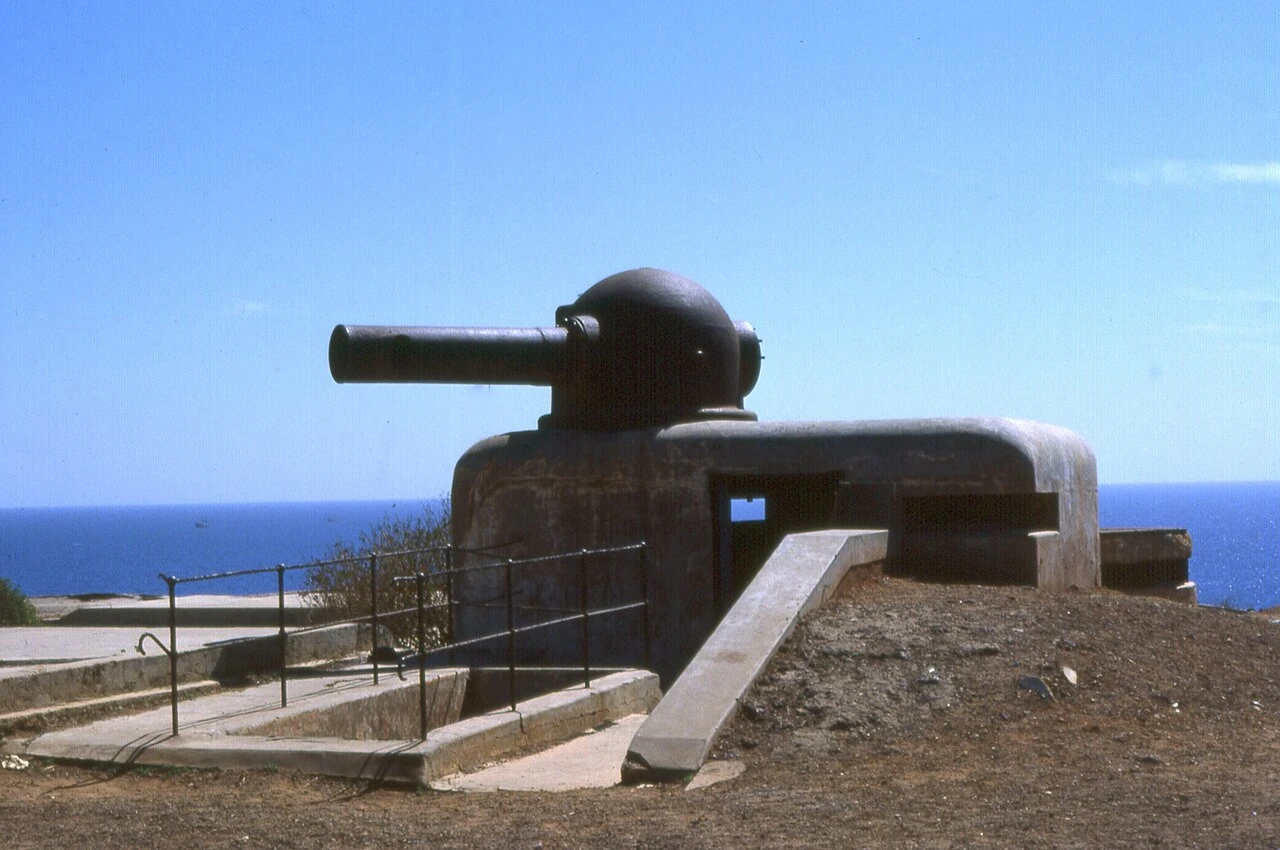
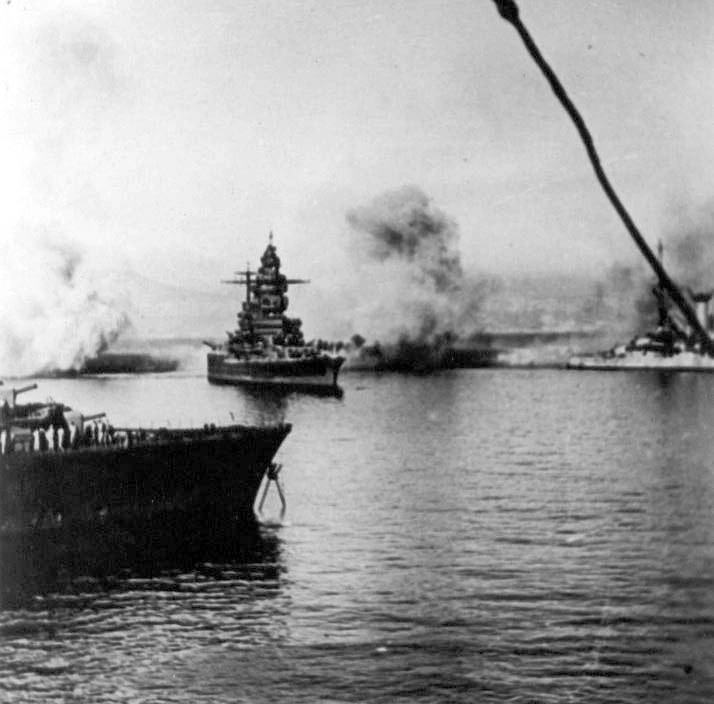
Dakar is no ordinary port of call. It is a major colonial capital and a naval base; the harbour shelters the modern battleship Richelieu, whose 380 mm guns are operational, as well as part of the gold reserves of the Banque de France and of Allied banks that have taken refuge there. Control of Dakar commands the South Atlantic.
The context is heavy. In July, at Mers-el-Kébir, the Royal Navy sank part of the French fleet to prevent it from falling into Axis hands: nearly 1,300 French sailors killed, a gaping wound between London and Vichy. On 23 September 1940, a joint squadron appears offshore: 3,600 Free French led by and about 4,300 British under Admiral Cunningham (Operation Menace). Gaullist emissaries try to win the city over without a fight.
Boisson must answer within the day.
When the Franco-British squadron summons Dakar to rally, what does Boisson decide?
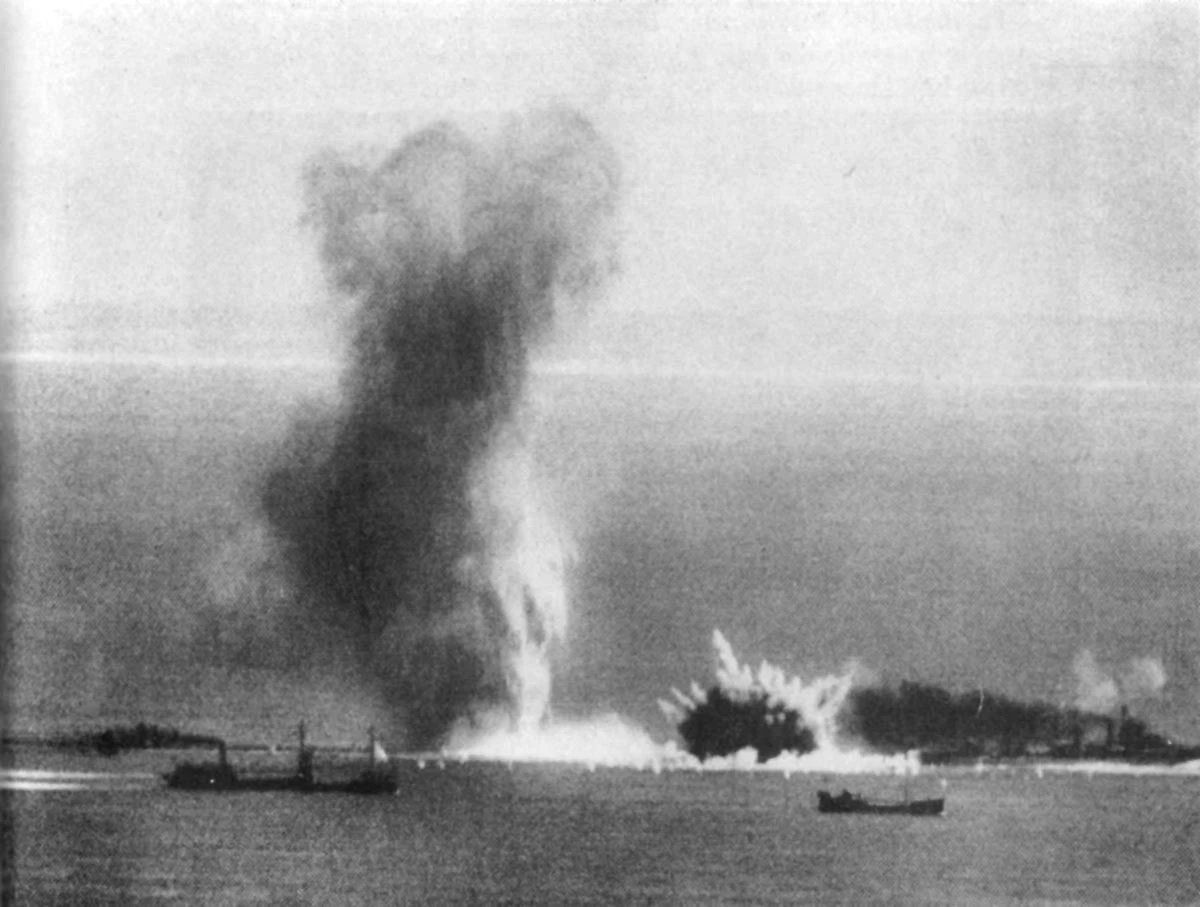
Boisson chose A. He rejected the ultimatum and ordered fire opened. The coastal batteries and the Richelieu — which fired 24 rounds of 380 mm — repelled the Free French landing attempt at Rufisque. The Vichy submarine Bévéziers torpedoed the British battleship Resolution so gravely that it had to be towed to the Cape; the Barham was hit by the coastal batteries. On the Vichy side, the submarines Persée and Ajax were sunk and the destroyer L'Audacieux damaged. After three days of exchanges, the attackers, unwilling to inflict a bloodbath on a French population, abandoned Operation Menace on 25 September. It was a resounding failure for de Gaulle, whose standing with Churchill wavered, and a demonstration that the Vichy empire could defend itself. Boisson remained loyal to Vichy until the Allied landing of November 1942, before rallying belatedly to the Allies; he would be arrested at the Liberation. Dakar fed a lasting distrust between the Free French and Vichy.
Learn more about this event
Related polls
10
Dakar — de Gaulle and Operation Menace
Alexandria — the other fleet
The Kanalkampf — withdraw the destroyers?
Roosevelt and the Squadron for Singapore — Washington, October 1940
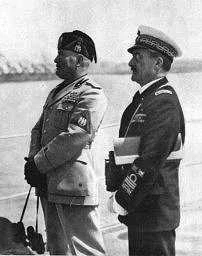
Taranto: The Italian Fleet at Anchor Under the Aerial Threat
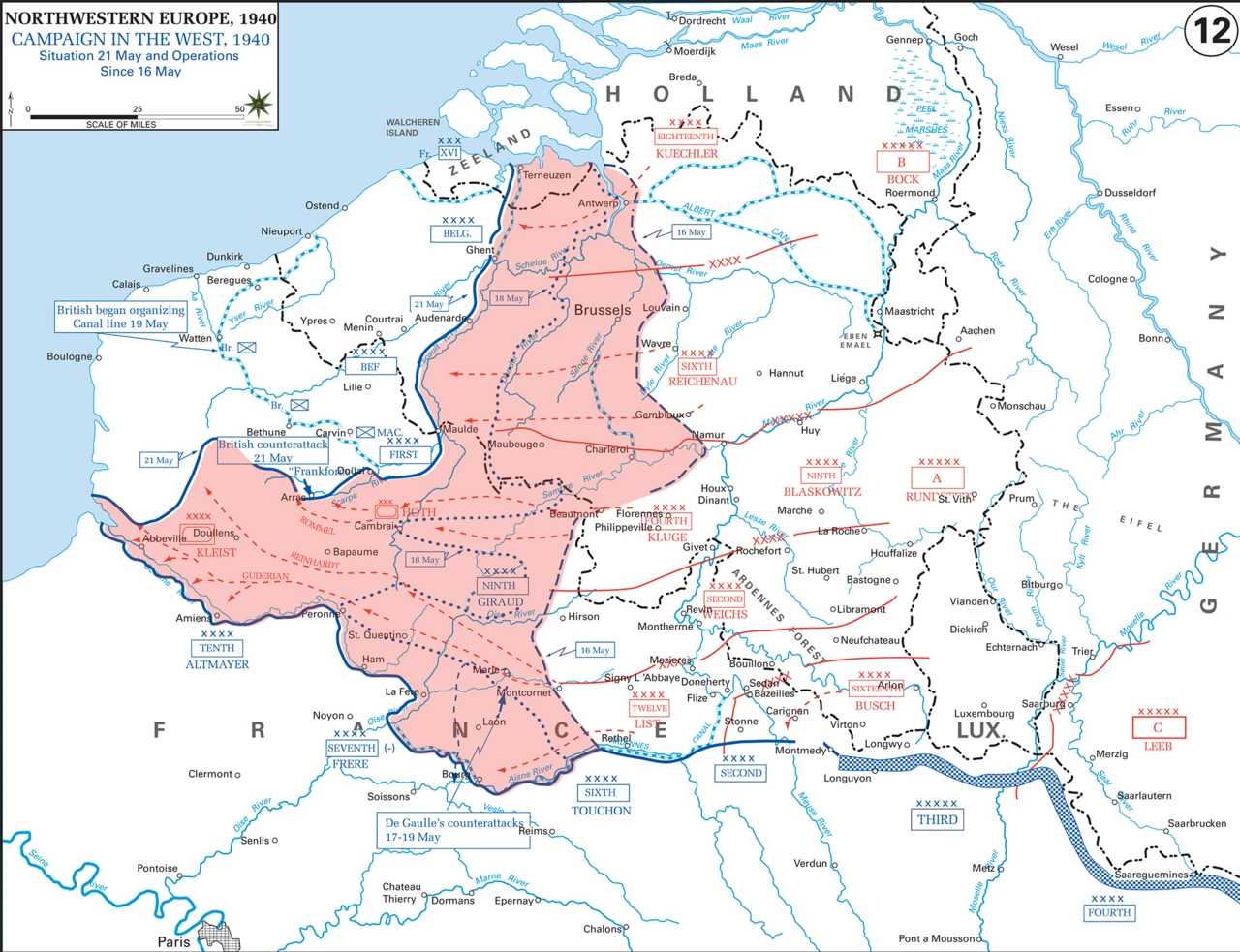
Boulogne — Fox-Pitt and the Guards facing the port
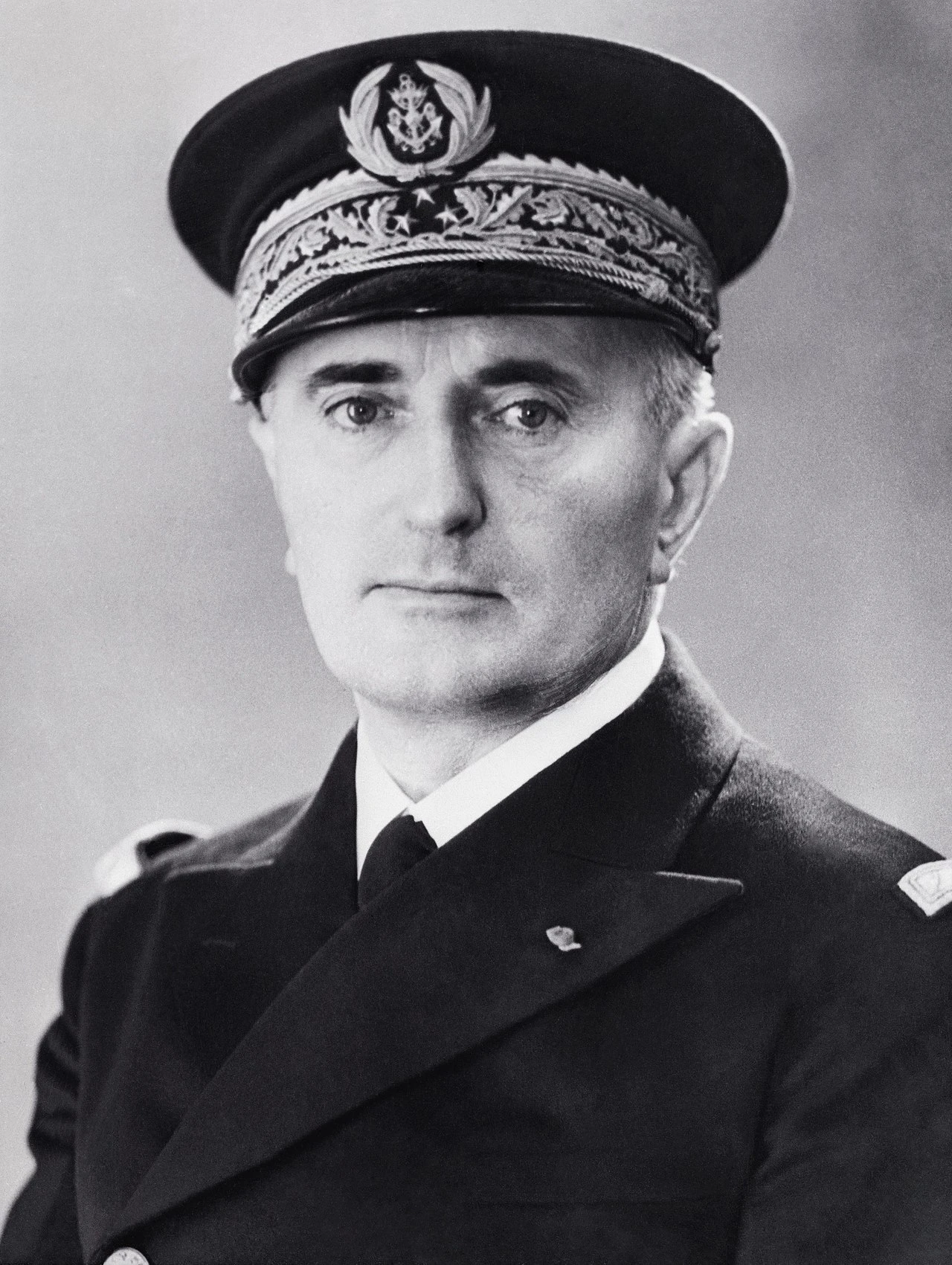
Darlan and the fleet — 20 June
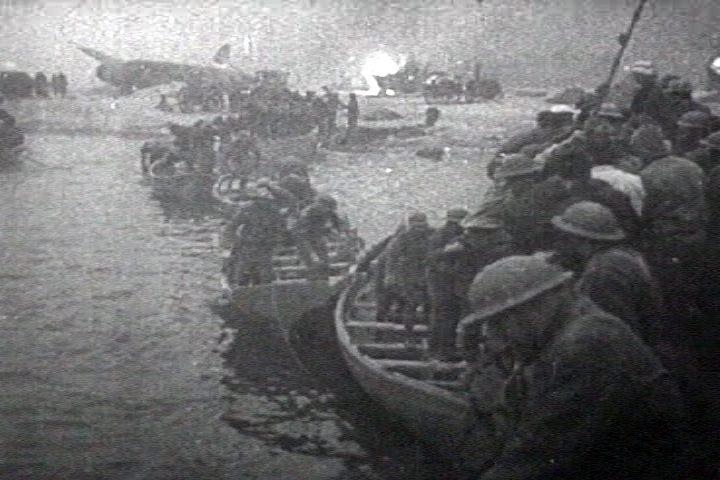
Dunkirk — Tennant and the devastated port
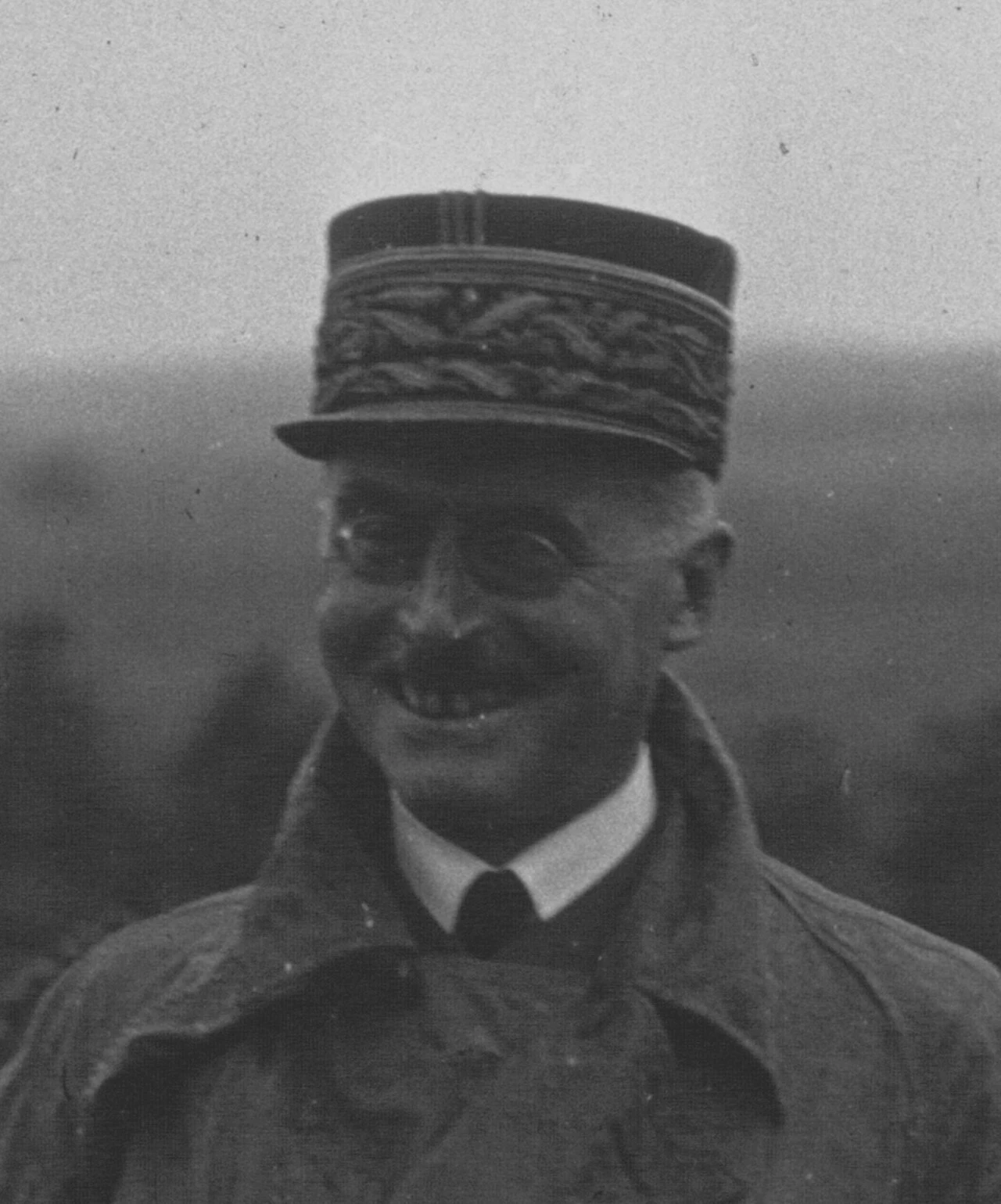
Héring — Paris open city, 13 June
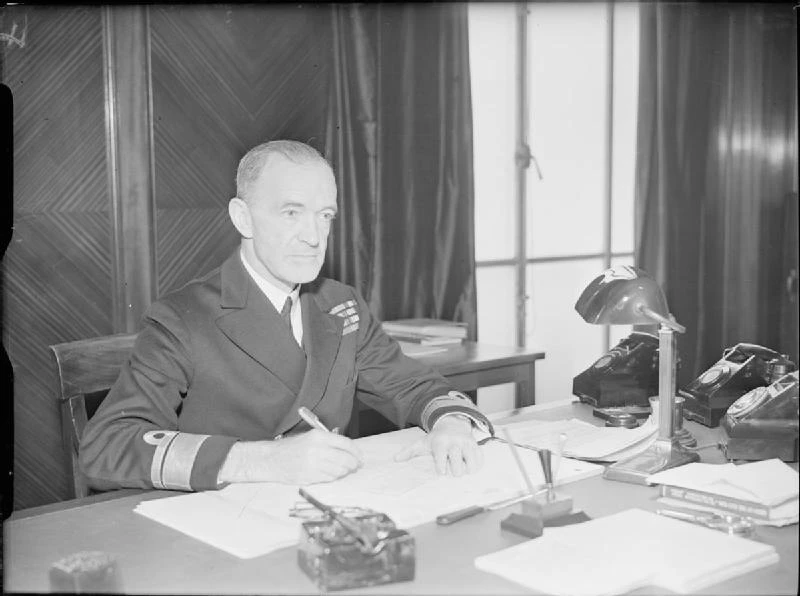
Illustrious under the Stukas
Dakar — de Gaulle and Operation Menace
Alexandria — the other fleet
The Kanalkampf — withdraw the destroyers?
Roosevelt and the Squadron for Singapore — Washington, October 1940
Taranto: The Italian Fleet at Anchor Under the Aerial Threat
Boulogne — Fox-Pitt and the Guards facing the port
Darlan and the fleet — 20 June
Dunkirk — Tennant and the devastated port
Héring — Paris open city, 13 June