
The Kharkov worker facing the dismantling of the tank factory
In mid-September 1941, the Red Army was falling back in Ukraine and the Wehrmacht was advancing toward Kharkov, the second Soviet industrial centre. The city was home to two armament giants: Factory No. 183 (KhPZ), which produced the T-34 tank and housed Morozov's design bureau, and engine Factory No. 75, which manufactured the V-2 diesel.
On 12 September, the State Defence Committee (GKO) decided to evacuate Factory No. 183; the next day, Commissar Malyshev signed the transfer order, with 1,650 railcars allocated. For the workers, this was not an evacuation of the population but the relocation of a factory: machine tools, presses, and test benches were dismantled, and the skilled workers left with their tools. Factory No. 183 headed for Nizhny Tagil, Factory No. 75 for Chelyabinsk, the future Tankograd.
The choice was heart-rending: a worker was bound to his brigade and his machine, and deserting one's post fell under the law. To stay was to find oneself under occupation: Kharkov fell on 24 October 1941. From July to November, nearly 1,523 enterprises and 16 million civilians were transferred eastward, under the aegis of the Council for Evacuation created on 24 June 1941.
Should this worker at the Kharkov tank factory follow the dismantled factory to the Urals, or stay with his elderly family in Kharkov?
The great majority of skilled workers left with their factory for the Urals, in accordance with the mobilization plan and under the legal compulsion of wartime. Factory No. 183 and the Morozov bureau, reinstalled at Nizhny Tagil within the Uralvagonzavod, became Stalin Tank Factory No. 183 and would ship to the front, at the rate of one trainload a day, the bulk of the some 35,000 T-34s produced during the war. Engine Factory No. 75, merged into the Tankograd of Chelyabinsk, supplied the V-2 diesels. The industrial evacuation of 1941 saved the Soviet armament capacity but was accomplished at the cost of broken families, of relatives left behind under occupation, and of appalling conditions of transport and reassembly. Kharkov, occupied from 24 October 1941 until the spring of 1943 (with a brief respite in February–March 1943), would endure a murderous occupation.
Learn more about this event
Related polls
10
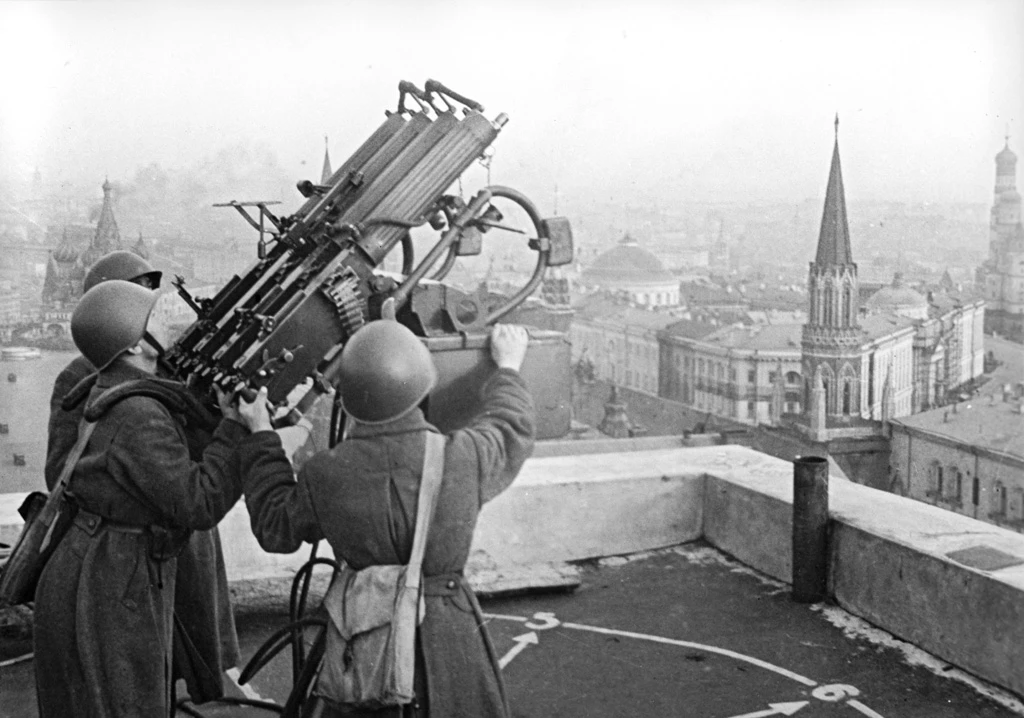
The physics student evacuated from Moscow

The Kharkov railwayman and the Reichsbahn
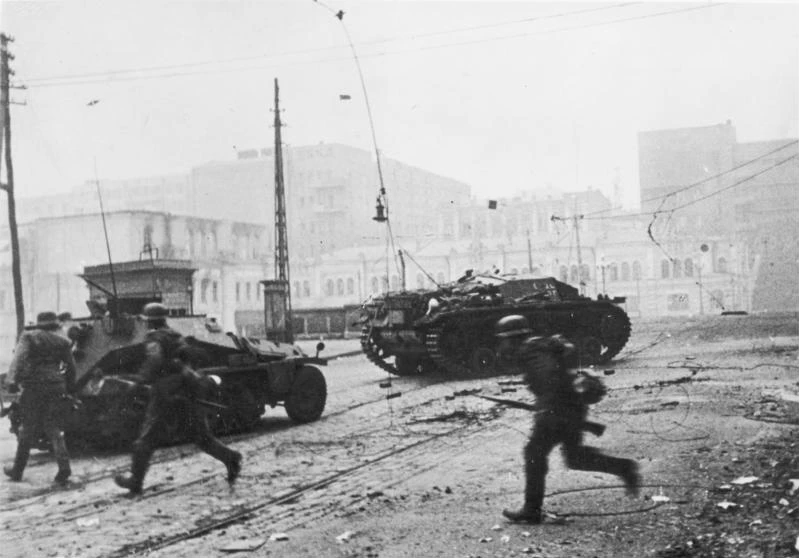
Soviet Sappers at Kharkov
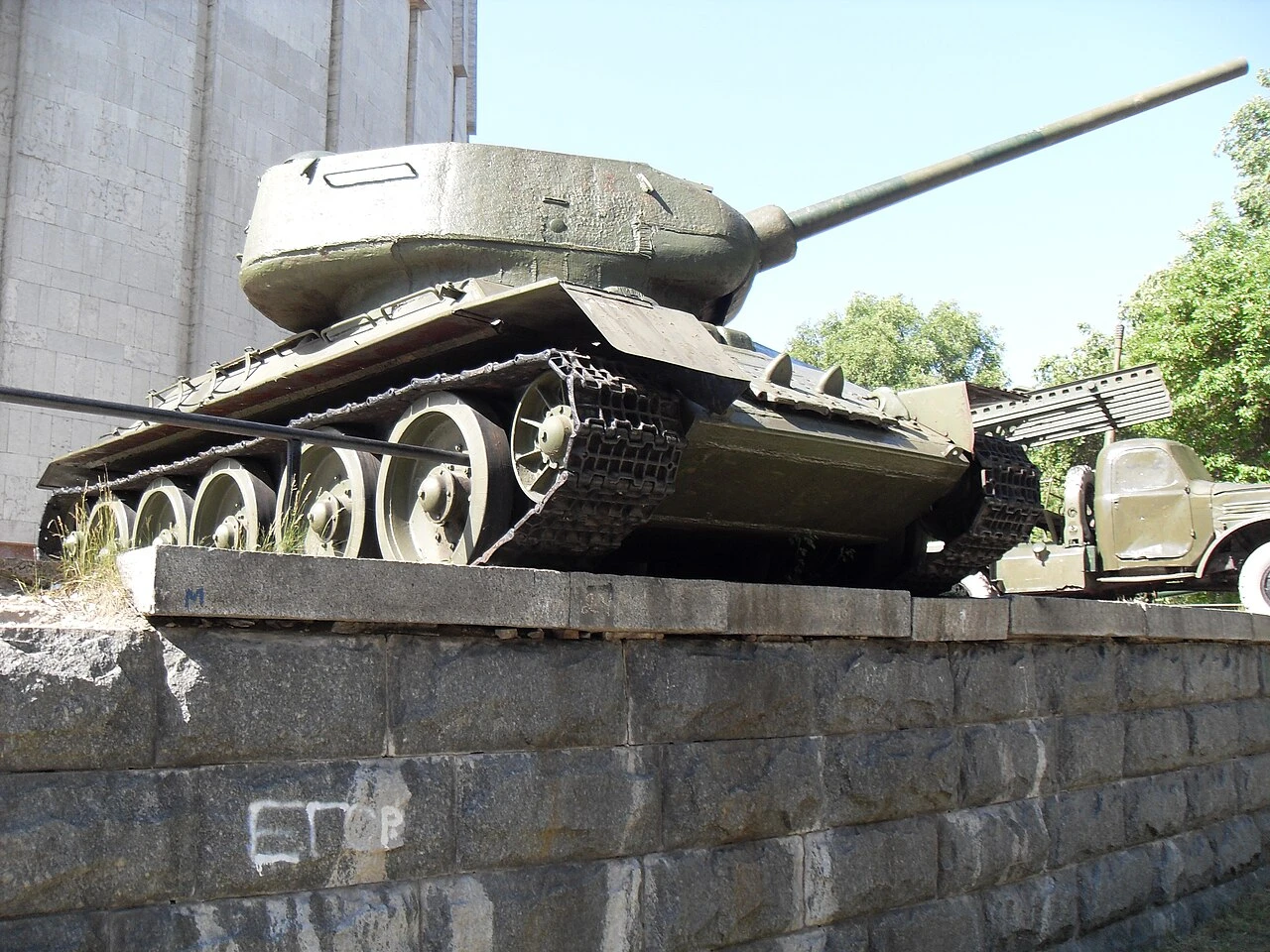
Ten thousand tanks, and nothing on paper
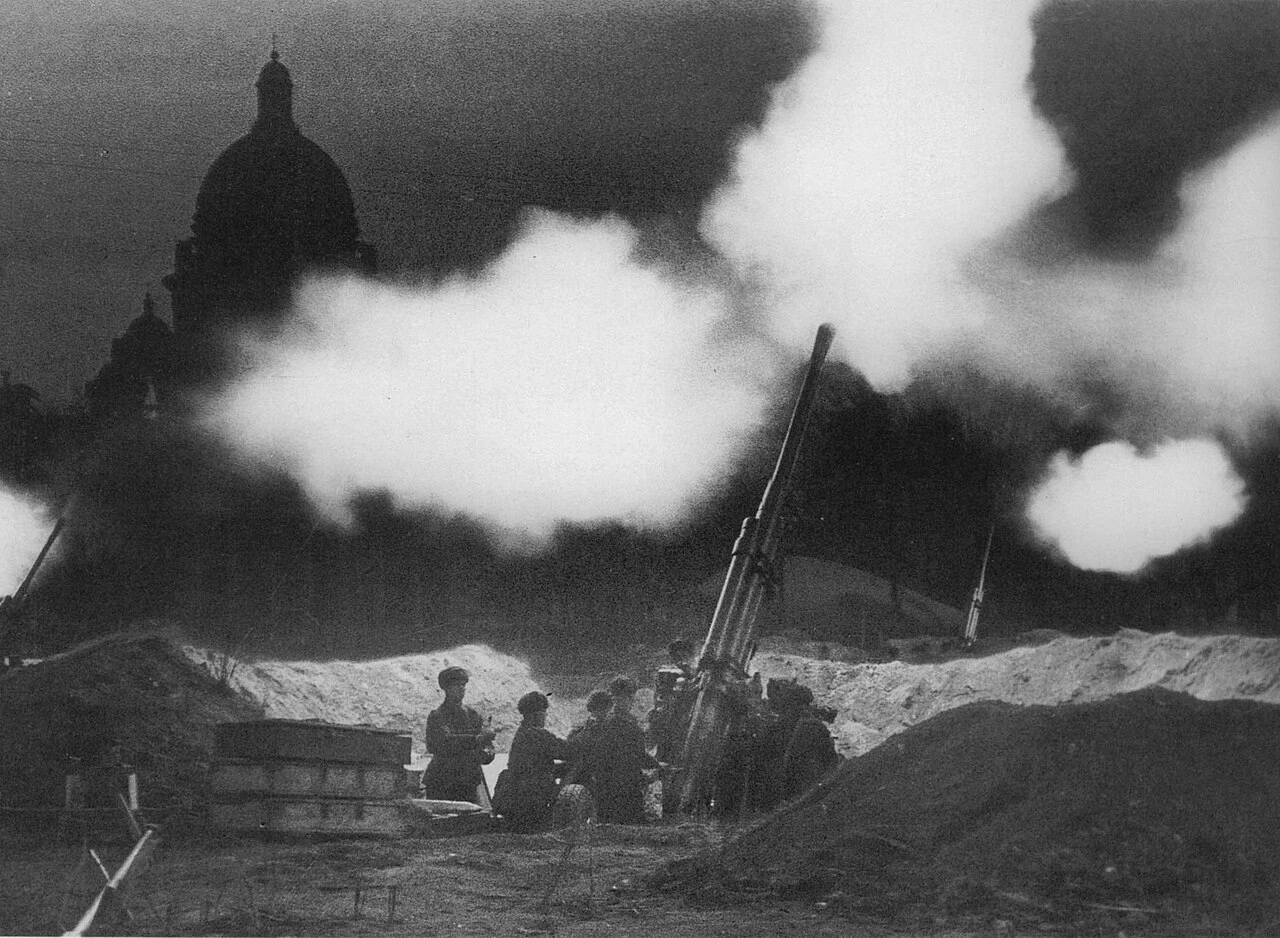
The Kirov Plant Under the Shells
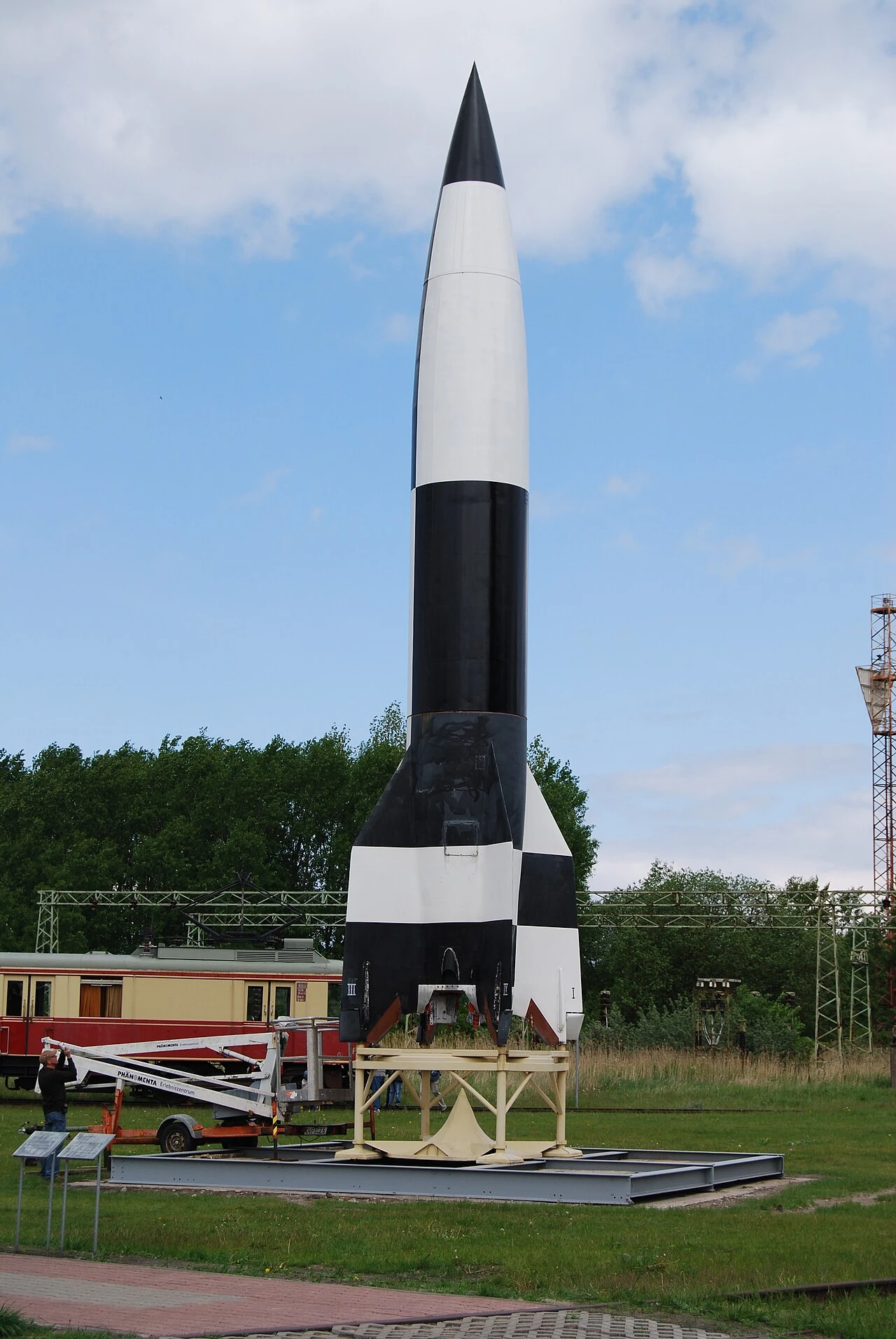
Peenemünde: producing before flying
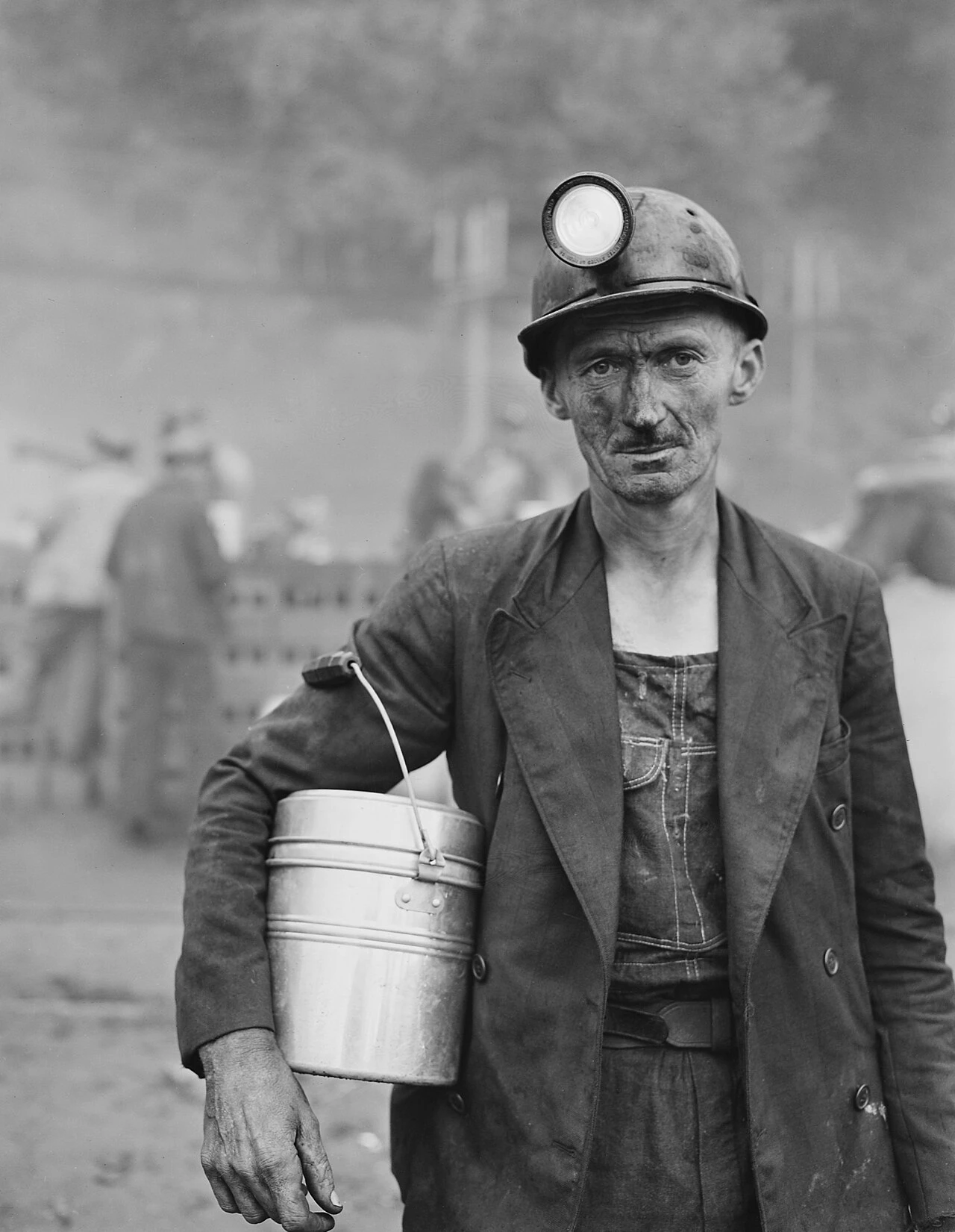
At the Dahomey pit, the morning of team-rate pay
Billancourt Under the Eye of the Occupier
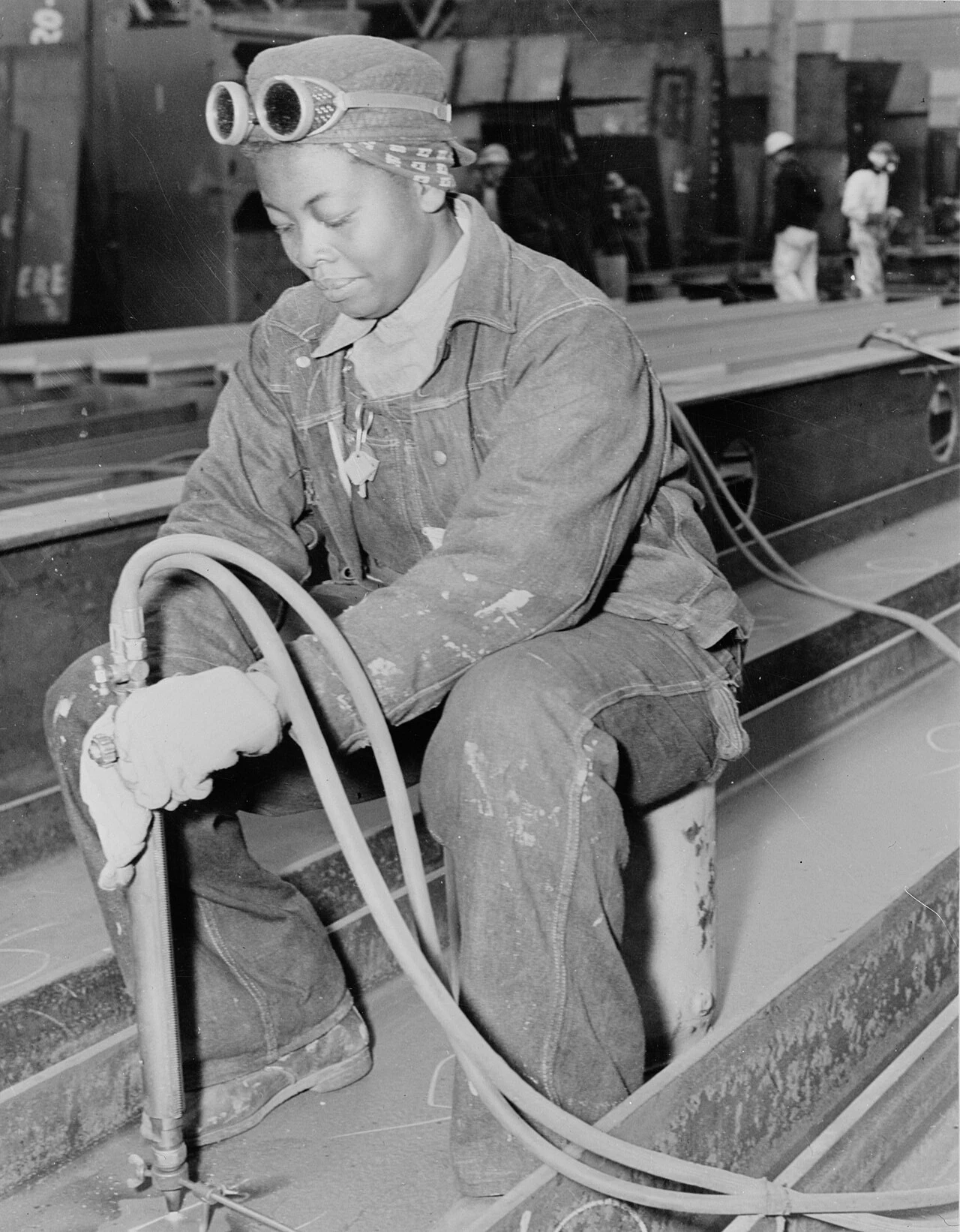
Kaiser, the Rivet and the Electric Arc
Kiev, 29 September 1941: The Posted Notice
The physics student evacuated from Moscow
The Kharkov railwayman and the Reichsbahn
Soviet Sappers at Kharkov
Ten thousand tanks, and nothing on paper
The Kirov Plant Under the Shells
Peenemünde: producing before flying
At the Dahomey pit, the morning of team-rate pay
Billancourt Under the Eye of the Occupier
Kaiser, the Rivet and the Electric Arc