
Dowding — Keep the Fighters?
Air Chief Marshal , 58, has commanded the Royal Air Force's Fighter Command since 1936. An engineer by training, so taciturn he has inherited the nickname 'Stuffy,' he has spent four years building an integrated air defence system around coastal radar and control centres — the tool on which any defence of the island would rest.
Since the opening of the German offensive on 10 May, the French government has relentlessly demanded more fighter squadrons. Dowding has already given up Hurricanes to the continent and organised the air cover of the Dunkirk evacuation, completed on 4 June. But his reserves are dwindling: in May the RAF has lost hundreds of aircraft, and the United Kingdom has yet to suffer any direct bombing.
On this 8 June, France begins 'phase two': the Wehrmacht has crossed the Somme and is now only some thirty kilometres from Rouen. Reynaud begs London to commit everything. Churchill, for his part, leans toward reinforcing the front. Dowding must tell the War Cabinet how many squadrons he is still willing to risk across the Channel.
Do you give up more Hurricane squadrons to a collapsing France, or keep them for a still-intact Britain?
Dowding in fact chooses C, after long holding a line close to B. As early as 16 May, he had sent the Cabinet a famous letter pricing at 52 the number of squadrons necessary for the island's survival and warning that beyond that, 'the defeat of France would entail that of Britain.' On 8 June, Churchill still dispatches two divisions and a few additional air assets, but the fighter haemorrhage is stopped. The squadrons preserved — around 25 operational units maintained on the island — will form the backbone of the defence during the Battle of Britain. Dismissed in November 1940 despite the victory, Dowding will later be rehabilitated; historians largely credit his June firmness with having made that victory possible.
Learn more about this event
Related polls
10
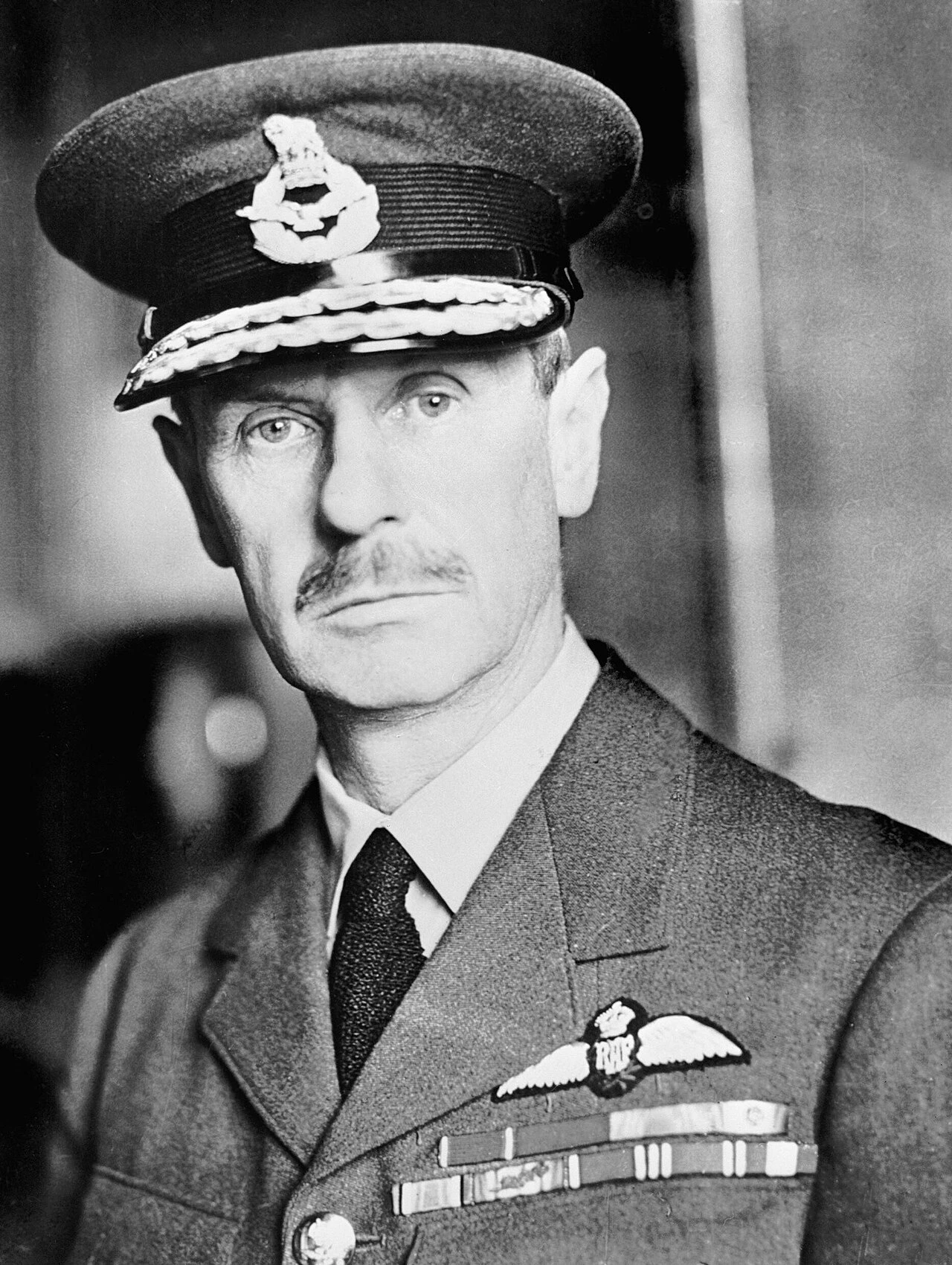
Dowding and the fighters
The Polish Pilots of 303 Squadron
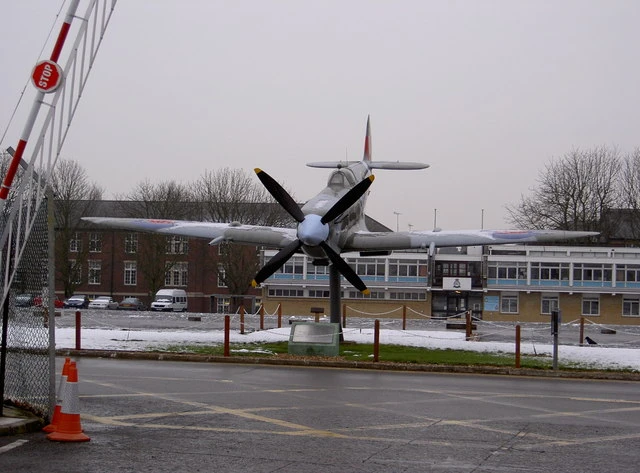
The Uxbridge plotter
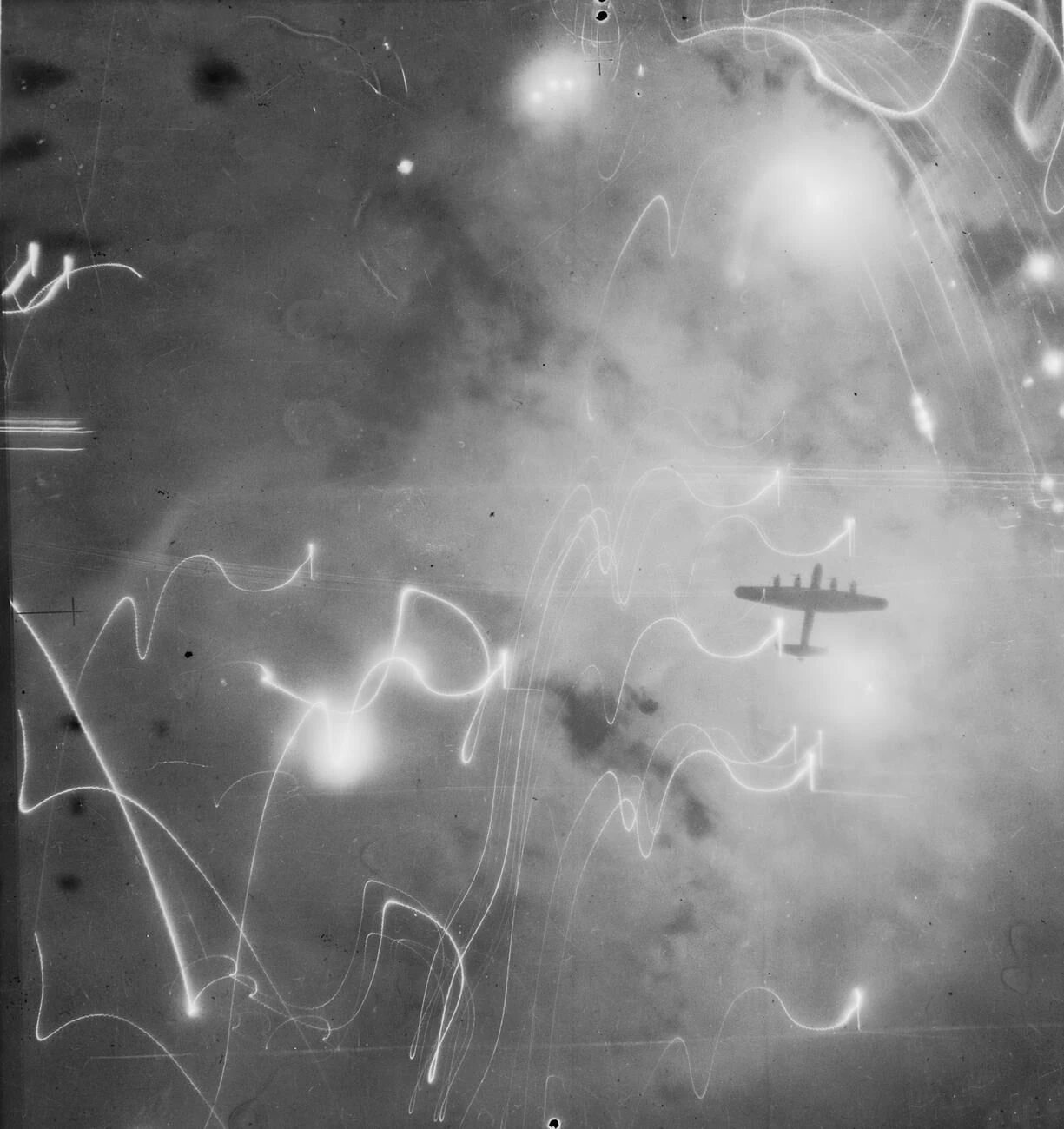
Bombing London — and the reply on Berlin
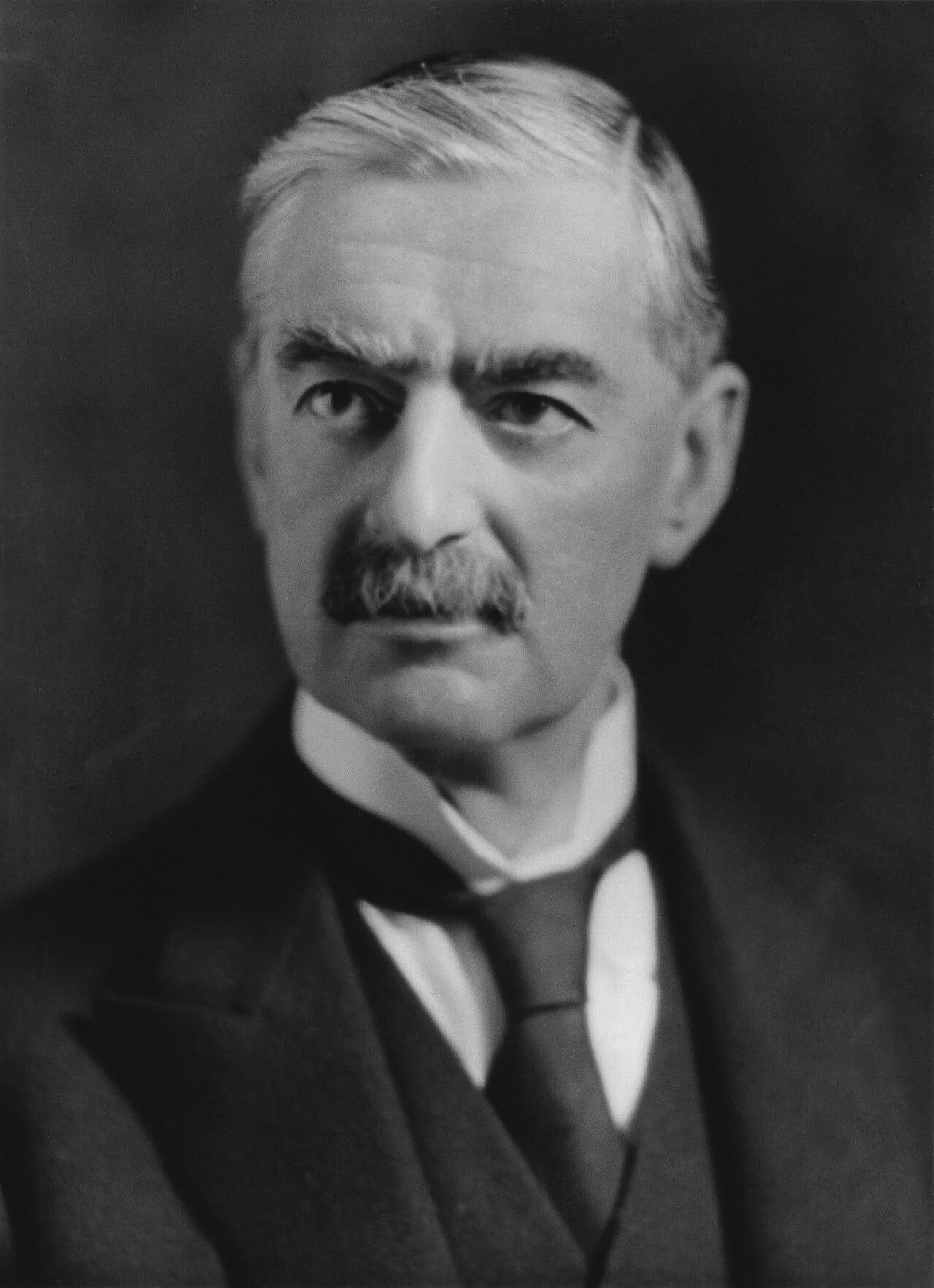
War council — leave central Norway?
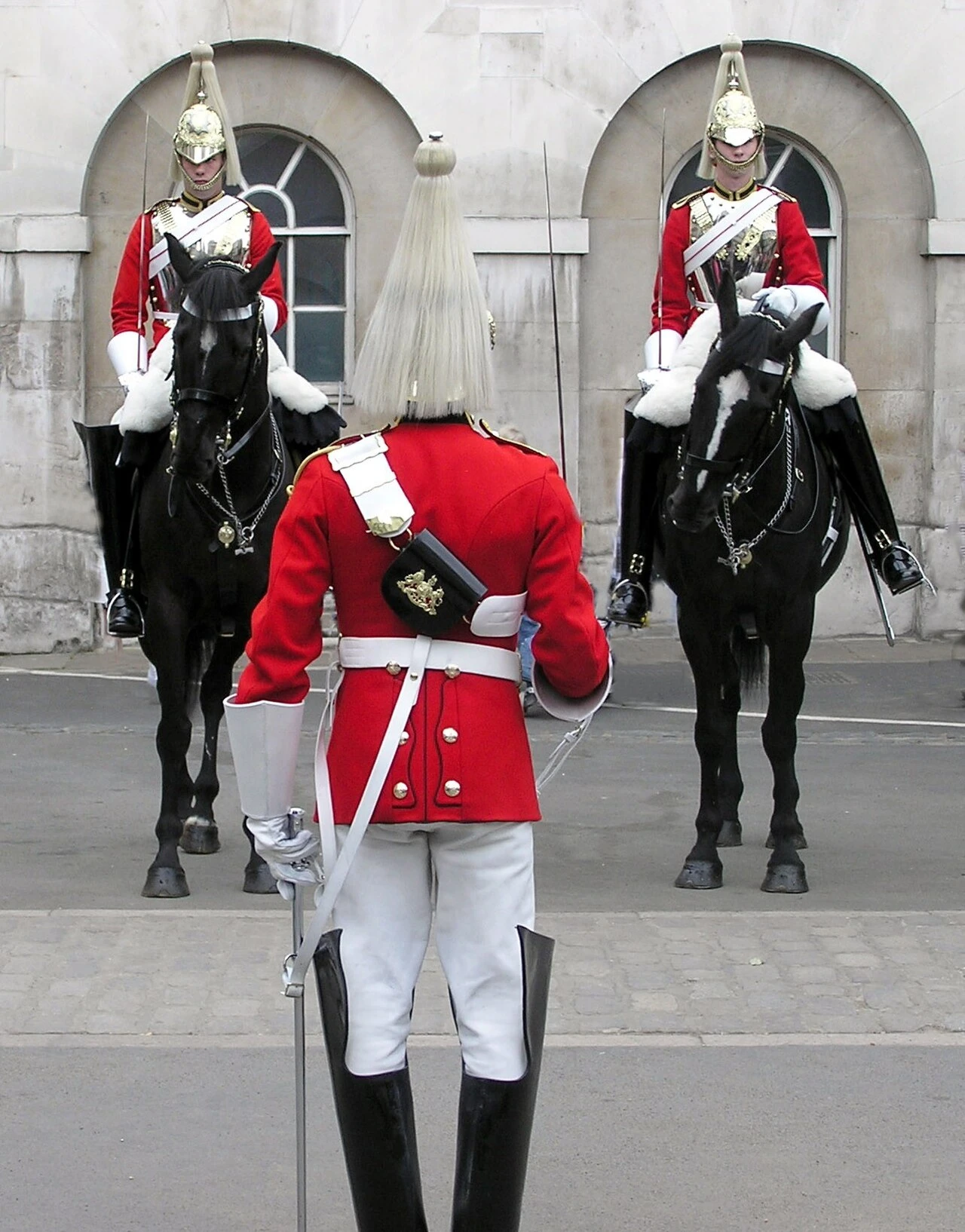
"Cromwell" — England, 7 September 1940
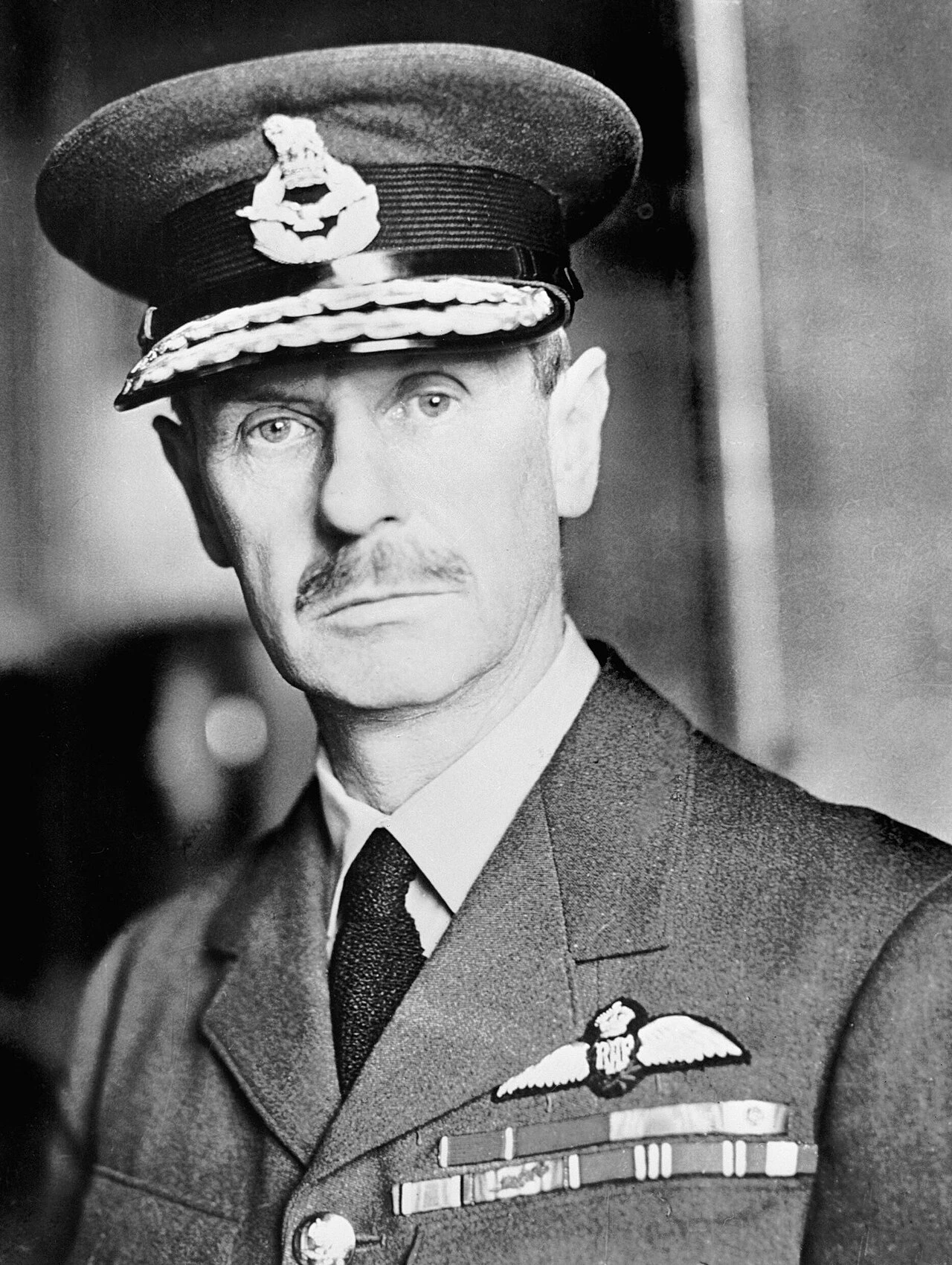
Dowding and the Last Reserves — 15 September 1940
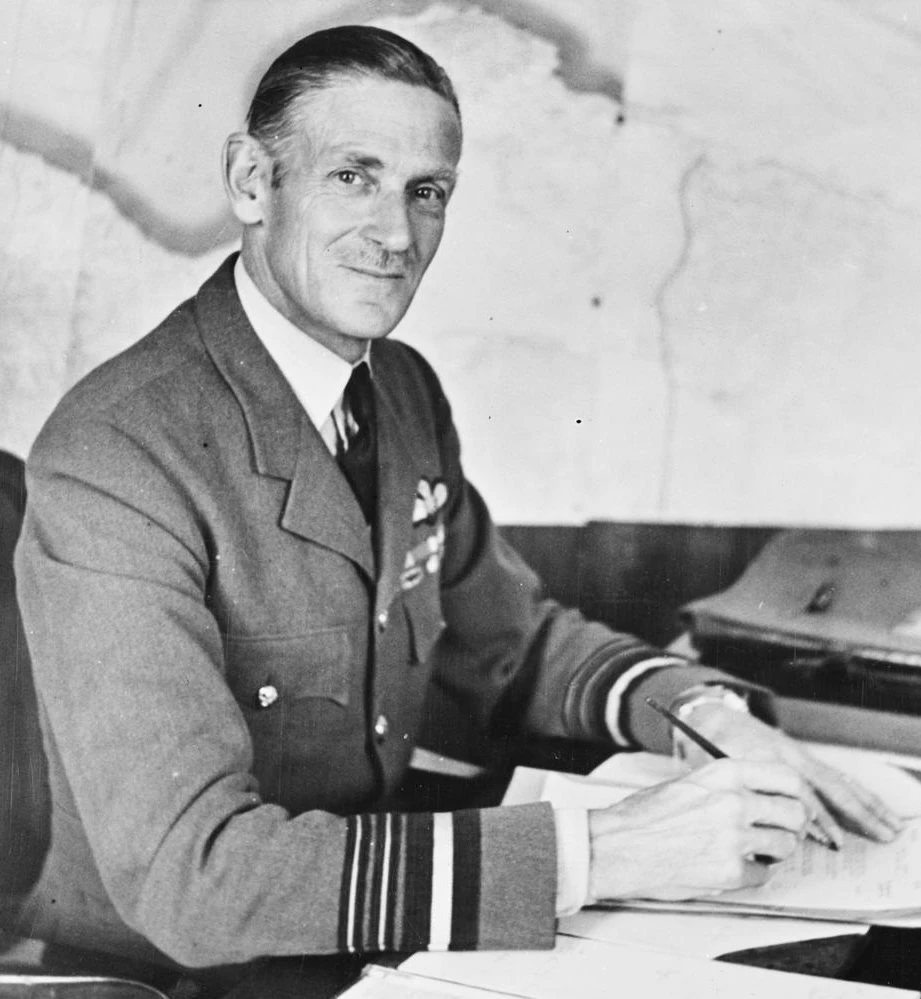
Keith Park at Uxbridge — September 15
Touchon on the Aisne — Fall Rot

The Belgian air force on the ground
Dowding and the fighters
The Polish Pilots of 303 Squadron
The Uxbridge plotter
Bombing London — and the reply on Berlin
War council — leave central Norway?
"Cromwell" — England, 7 September 1940
Dowding and the Last Reserves — 15 September 1940
Keith Park at Uxbridge — September 15
Touchon on the Aisne — Fall Rot