
Hold the Albert Canal or withdraw
The Belgian defence had been conceived around the Albert Canal, meant to hold long enough to allow the Allies to reach the KW line. But the lightning fall of Ében-Émael and the capture of the bridges as early as 10 May blew this calculation apart: the first line was breached within hours.
The Belgian army faced an immediate and weighty choice. To cling to the already compromised Albert Canal, to gain time but at the risk of seeing units destroyed or encircled. To withdraw without delay to the KW line, further west, where the French and British armies were to join it, but to abandon a good part of the territory at once and to surrender the initiative.
The command could withdraw quickly to the KW line to preserve the army and link up with the Allies. It could counter-attack to restore the situation at the Albert Canal. Or it could hold its ground whatever the cost, in the hope of slowing the enemy. The coherence of the entire Allied deployment in Belgium depended on the speed and order of this withdrawal.
Should the Belgian army withdraw quickly to the KW line, counter-attack at the Albert Canal, or hold its ground?
The Belgian army chose A: faced with the collapse of the Albert Canal, it withdrew towards the KW line to link up there with the Allied armies moving into Belgium. The withdrawal, conducted in haste under German pressure and bombardment, was carried out broadly in order but at the cost of the rapid abandonment of the north-east of the country. It allowed a continuous Allied front to be formed, for a few days, on the Dyle. But the collapse, far to the south, of the French front on the Meuse would make this line untenable and would soon force the entire deployment into a continuous retreat, up to the Belgian capitulation of 28 May.
Learn more about this event
Related polls
10
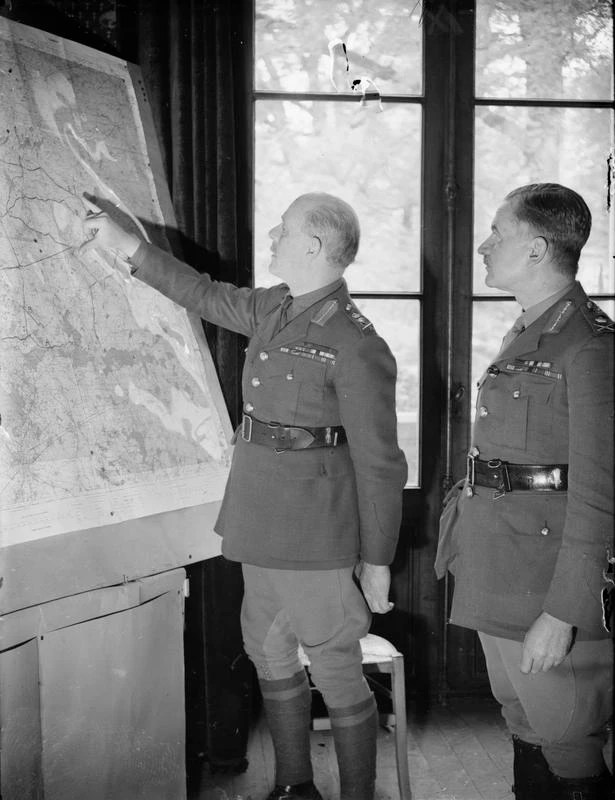
Gort at Habarcq — trust in the French plan
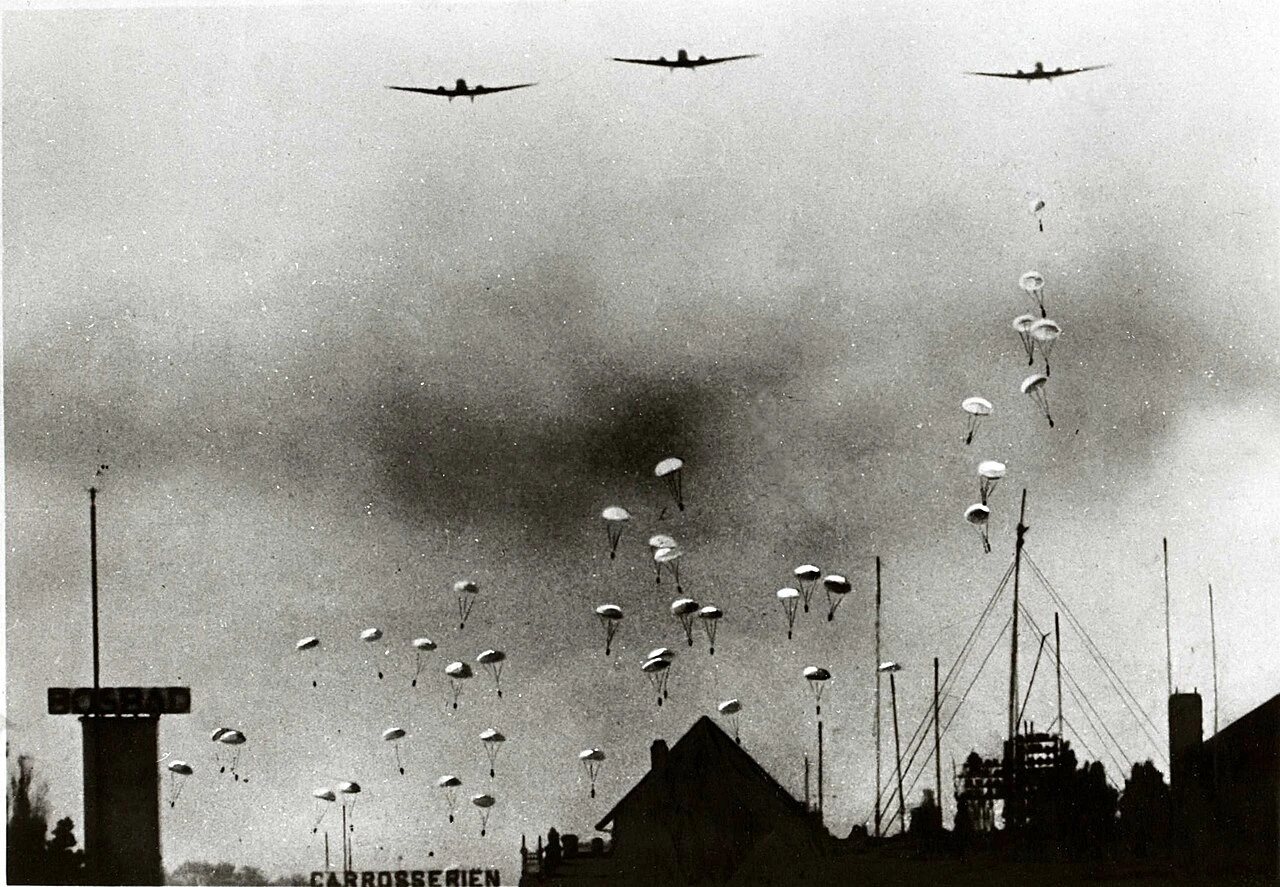
Winkelman and the fate of the Netherlands
Winkelman after Rotterdam — 14 May
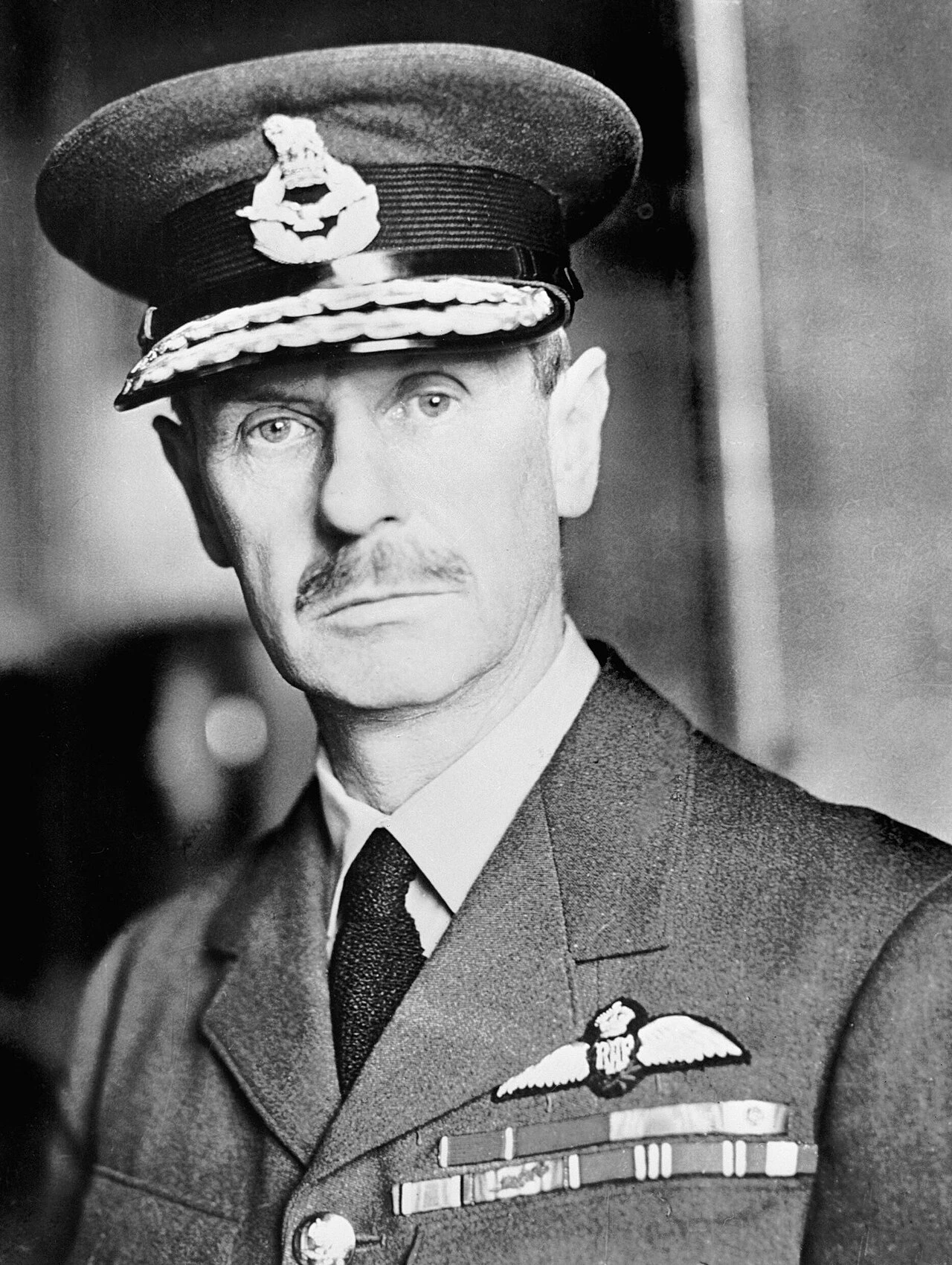
Dowding — Keep the Fighters?
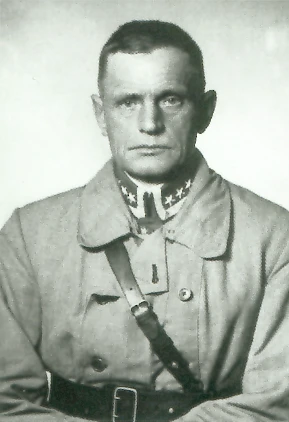
Gudbrandsdal — Ruge imposes his line
Touchon on the Aisne — Fall Rot
The abatis of the Chasseurs Ardennais

The Belgian air force on the ground
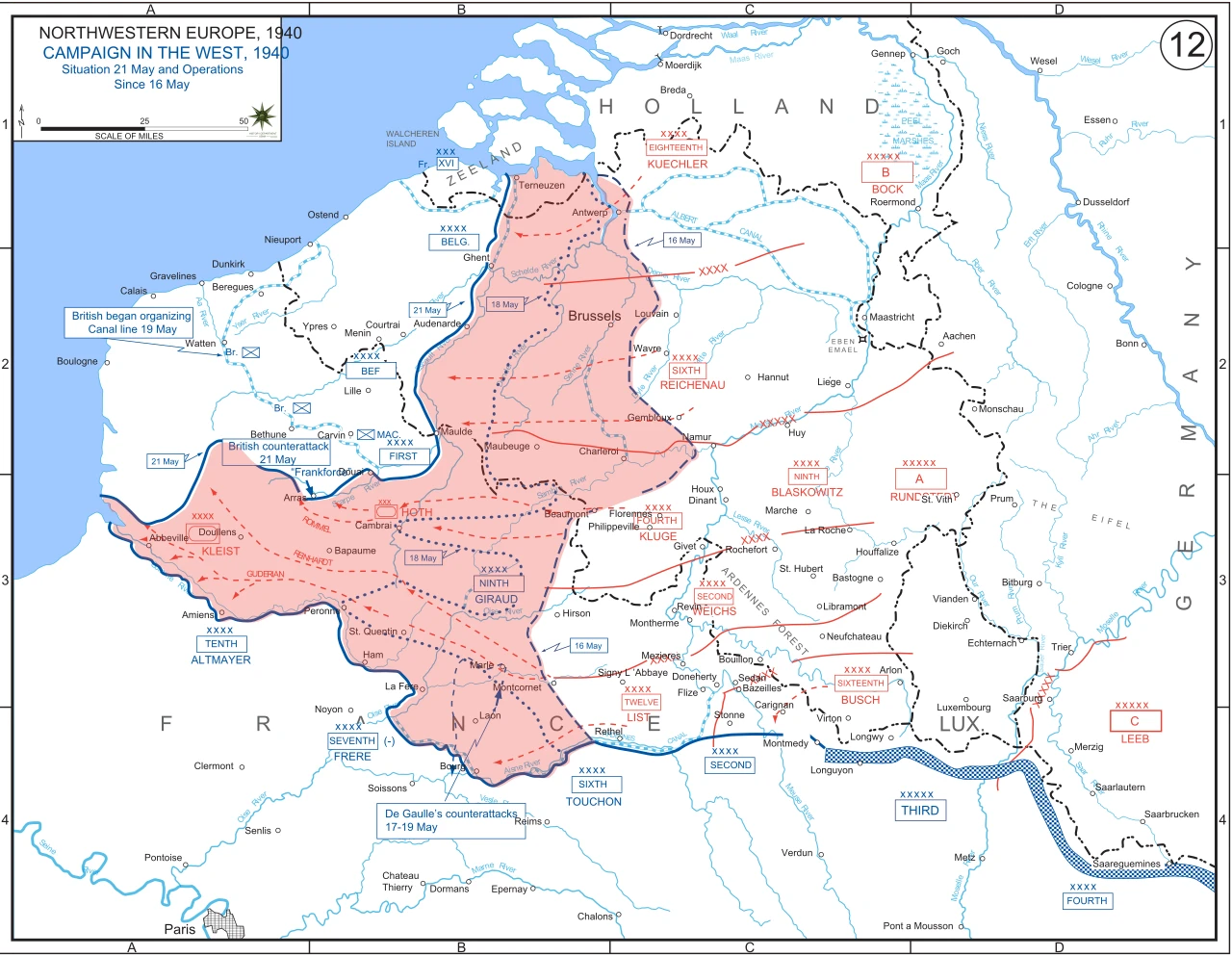
The Battle of the Lys
War council — leave central Norway?
Gort at Habarcq — trust in the French plan
Winkelman and the fate of the Netherlands
Winkelman after Rotterdam — 14 May
Dowding — Keep the Fighters?
Gudbrandsdal — Ruge imposes his line
Touchon on the Aisne — Fall Rot
The abatis of the Chasseurs Ardennais
The Belgian air force on the ground
The Battle of the Lys