
The French in London — Who Joins?
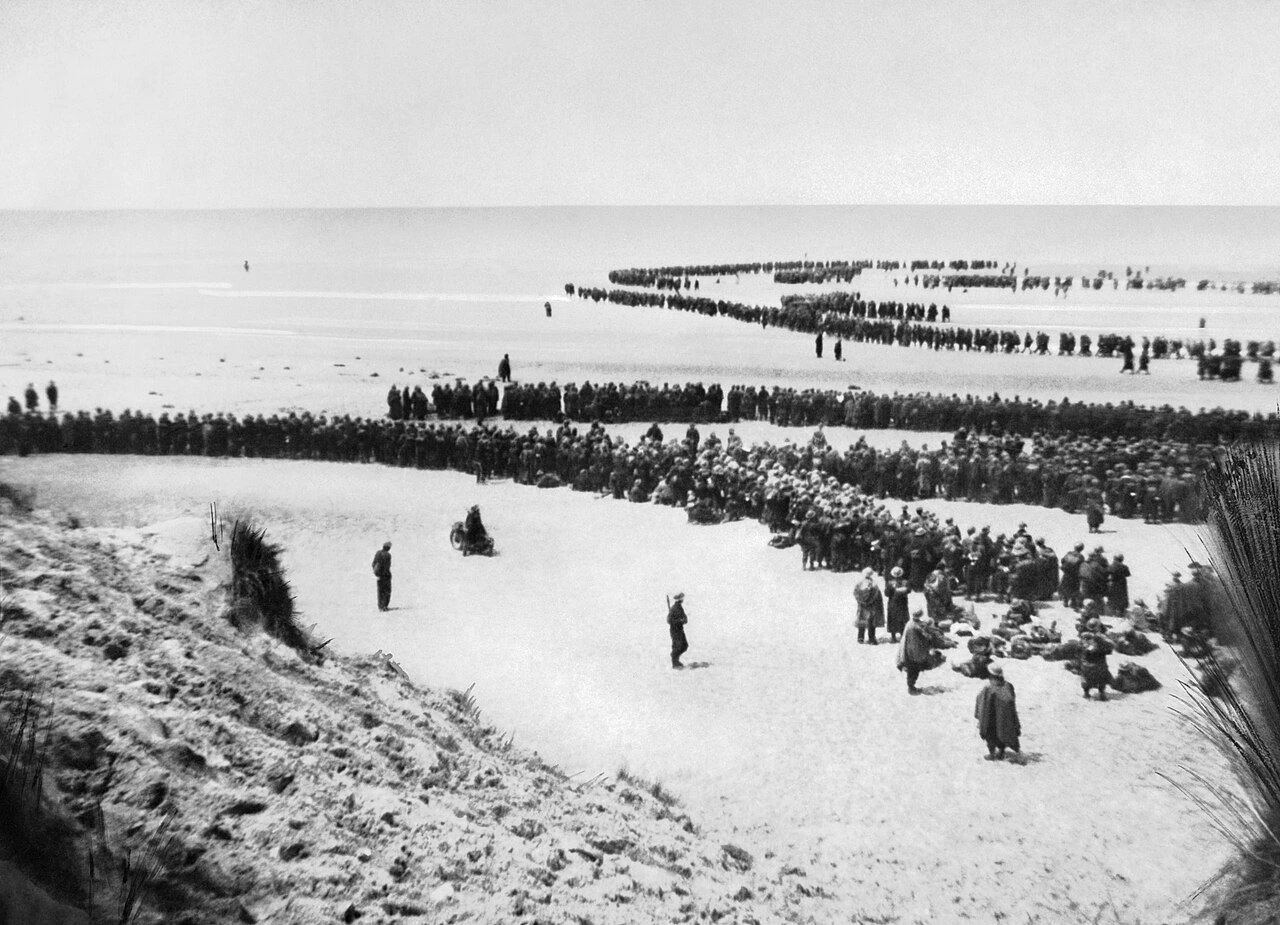
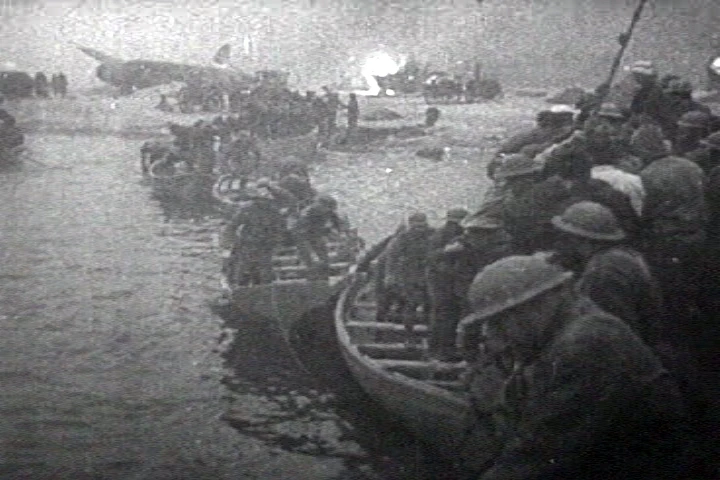
Our French soldier is one of the tens of thousands evacuated from Dunkirk to England, or brought back from the Narvik expeditionary corps in mid-June. Landed on the south coast, they are gathered in transit camps — Olympia in London, Aintree, Trentham. To these men are added the sailors of the French squadrons present in British ports, some of whom will soon be seized by force during Operation Catapult. Among the units present are the , returning from Narvik, and seasoned Alpine chasseurs.
The armistice changes everything. An alternative is put to them: return to France, where Vichy is organising repatriation, or join 'General de Gaulle,' a name many discover and that still represents almost nothing. For exhausted men, cut off from their families and worried about their fate, the temptation to return home is strong.
For the nascent Free France, the stakes are vital: without rallyings, de Gaulle will remain a general without troops. The real scale of this rallying remains uncertain at a moment when the movement has neither established legitimacy nor a clear prospect of victory.
How many of these French personnel in the United Kingdom join de Gaulle by 1 August 1940?
The documented answer is B: about 7,000 men rally by 1 August 1940. The core comes from the (returning from Narvik), Alpine chasseurs, and the sailors rallied around Admiral Muselier. Out of some 30,000 French servicemen present in the United Kingdom, the great majority — more than 20,000 — ask to be repatriated to France, and returns are organised from the summer onward. For de Gaulle, it is a heartbreak. Free France thus begins small, founded on a handful of volunteers, before the Empire (French Equatorial Africa, the rallyings of summer and autumn 1940) gives it a territorial base and growing weight.
Learn more about this event
Related polls
10
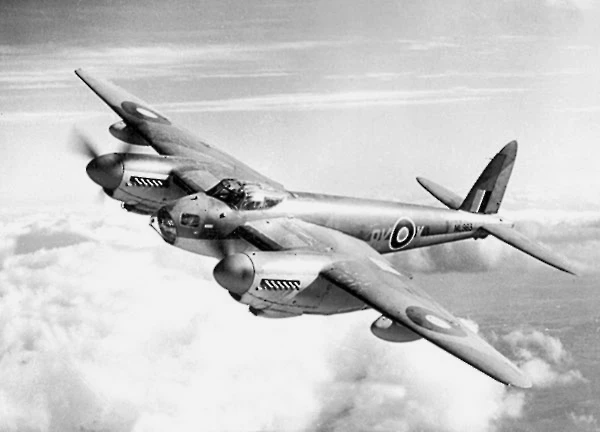
Joining the free air forces
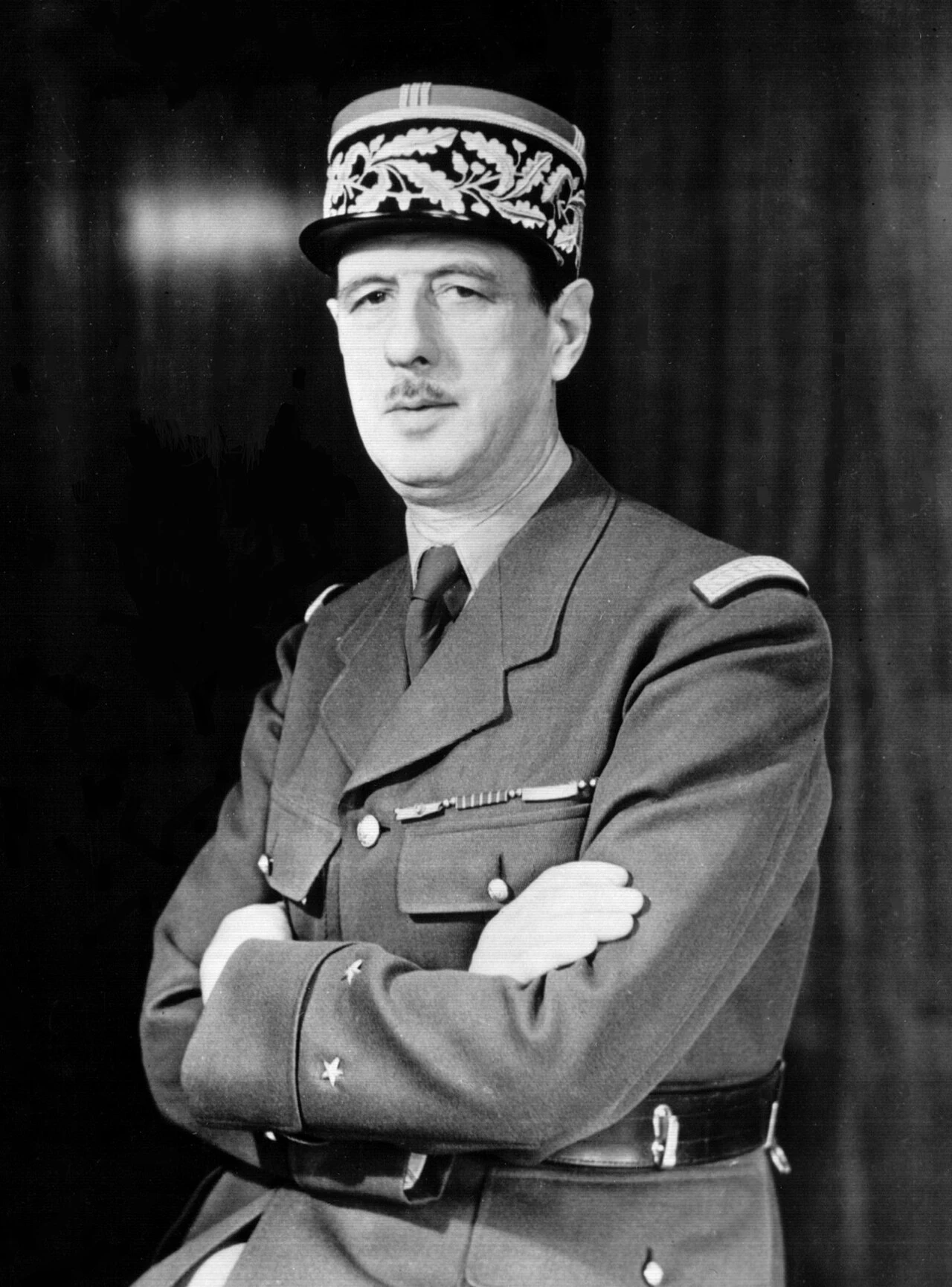
De Gaulle at the BBC microphone — 18 June, 18:00
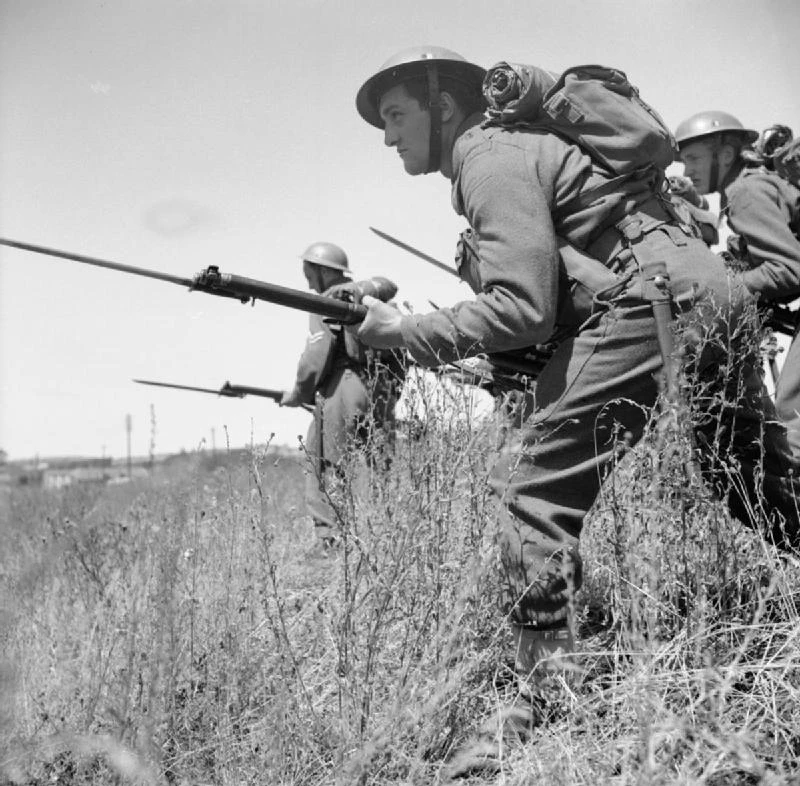
Founding the Free Belgian Forces
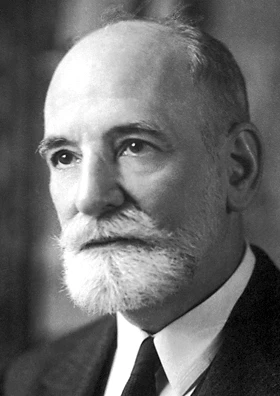
René Cassin Reaches London — 29 June
Hide the Weapons or Hand Them In
Hiding an Allied soldier
De Gaulle calls on Churchill — 9 June
Dowding — Keep the Fighters?
Ramsay at Dover Castle — Dynamo
Ramsay — Dover, 14:23
Joining the free air forces
De Gaulle at the BBC microphone — 18 June, 18:00
Founding the Free Belgian Forces
René Cassin Reaches London — 29 June
Hide the Weapons or Hand Them In
Hiding an Allied soldier
De Gaulle calls on Churchill — 9 June
Dowding — Keep the Fighters?
Ramsay at Dover Castle — Dynamo