
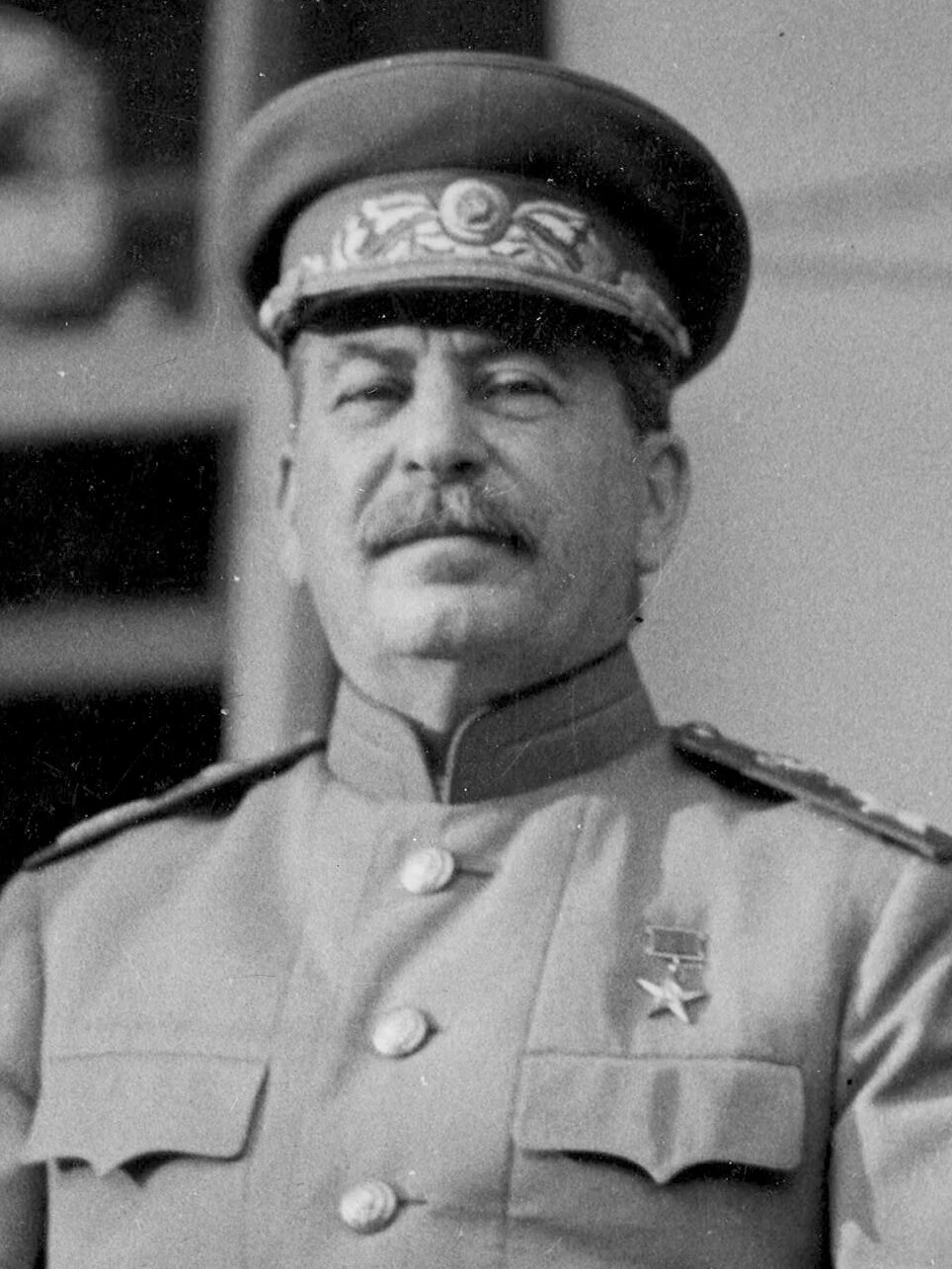
Harriman in Moscow, Face to Face with Stalin
In late September 1941, arrives in Moscow alongside , head of the British delegation, to negotiate with Stalin over Western aid to a USSR reeling under the blows of the Wehrmacht. The Moscow Conference is to determine what Washington and London will deliver each month: tanks, aircraft, trucks, strategic metals.
But the aid comes at a political price. In Washington, Ambassador has been cabling since June that the USSR will be defeated and that any materiel sent will be wasted. Other voices demand something in return: military intelligence, guarantees, repayment, even diplomatic concessions. Beaverbrook, for his part, argues for generosity with no strings attached: since the is pinning down three million Germans, it is better to give everything without haggling.
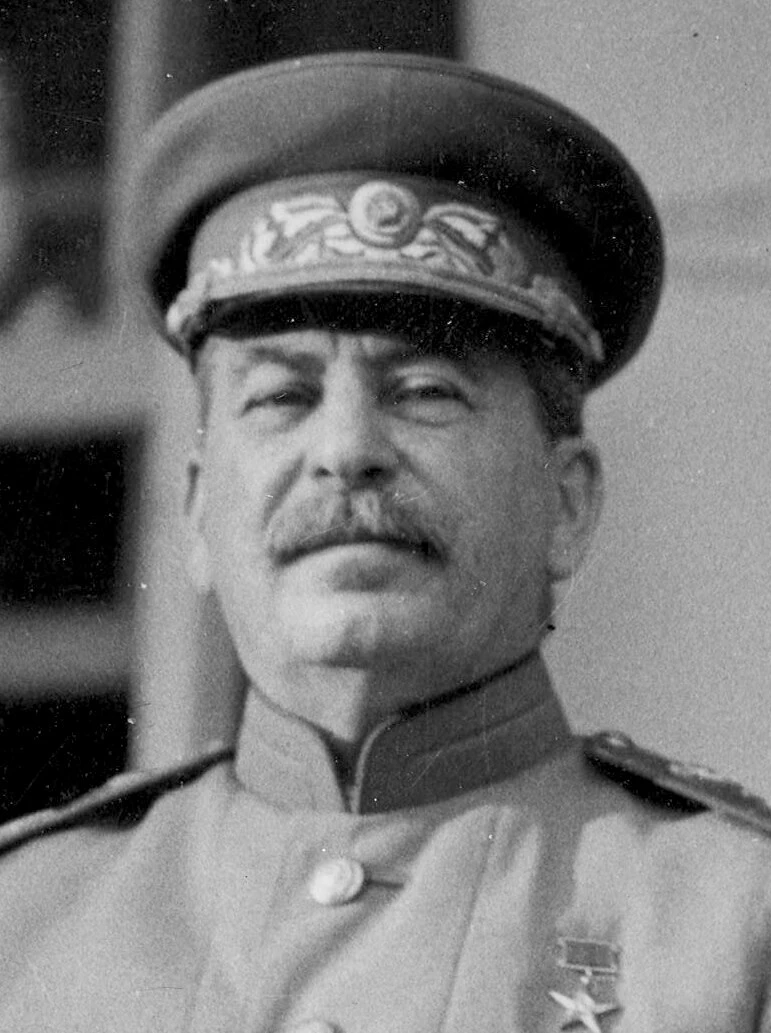
Received by a Stalin who is by turns icy and warm, Harriman must settle the American stance before the protocol is signed.
On what terms should Harriman and the Allies grant aid to the Soviet Union?
Harriman sides with Beaverbrook's line: aid that is practically unconditional, demanding nothing in return and no detailed intelligence in exchange. The First Protocol, signed on 1 October 1941, committed the United States and Great Britain to deliver to the USSR roughly 400 aircraft, 500 tanks, and 10,000 trucks per month, plus aluminum, copper, tin, and other metals, through June 1942. Roosevelt would extend Lend-Lease aid to the USSR on 7 November 1941. This 'no strings' generosity, defended against skeptics like Steinhardt, would become one of the pillars of the Soviet war effort.
Learn more about this event
Related polls
10
Spanish Wolfram
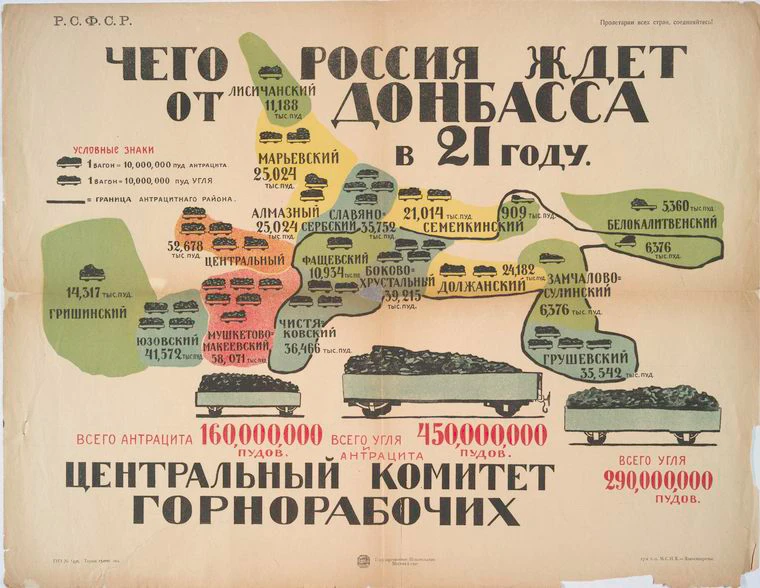
The Donbass Is About to Fall — What to Do With the Basin?
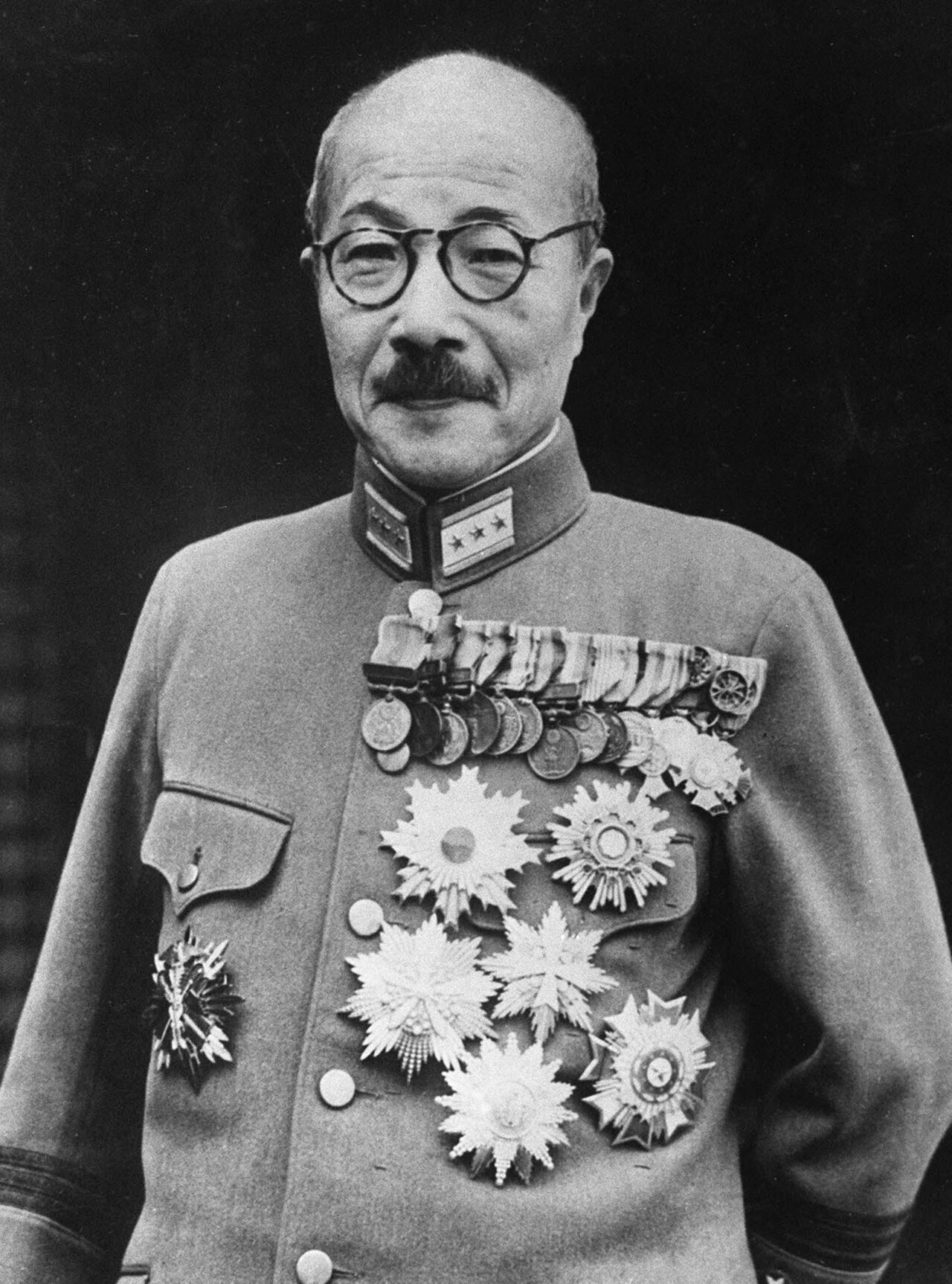
Japan and the Southern Resource Zone
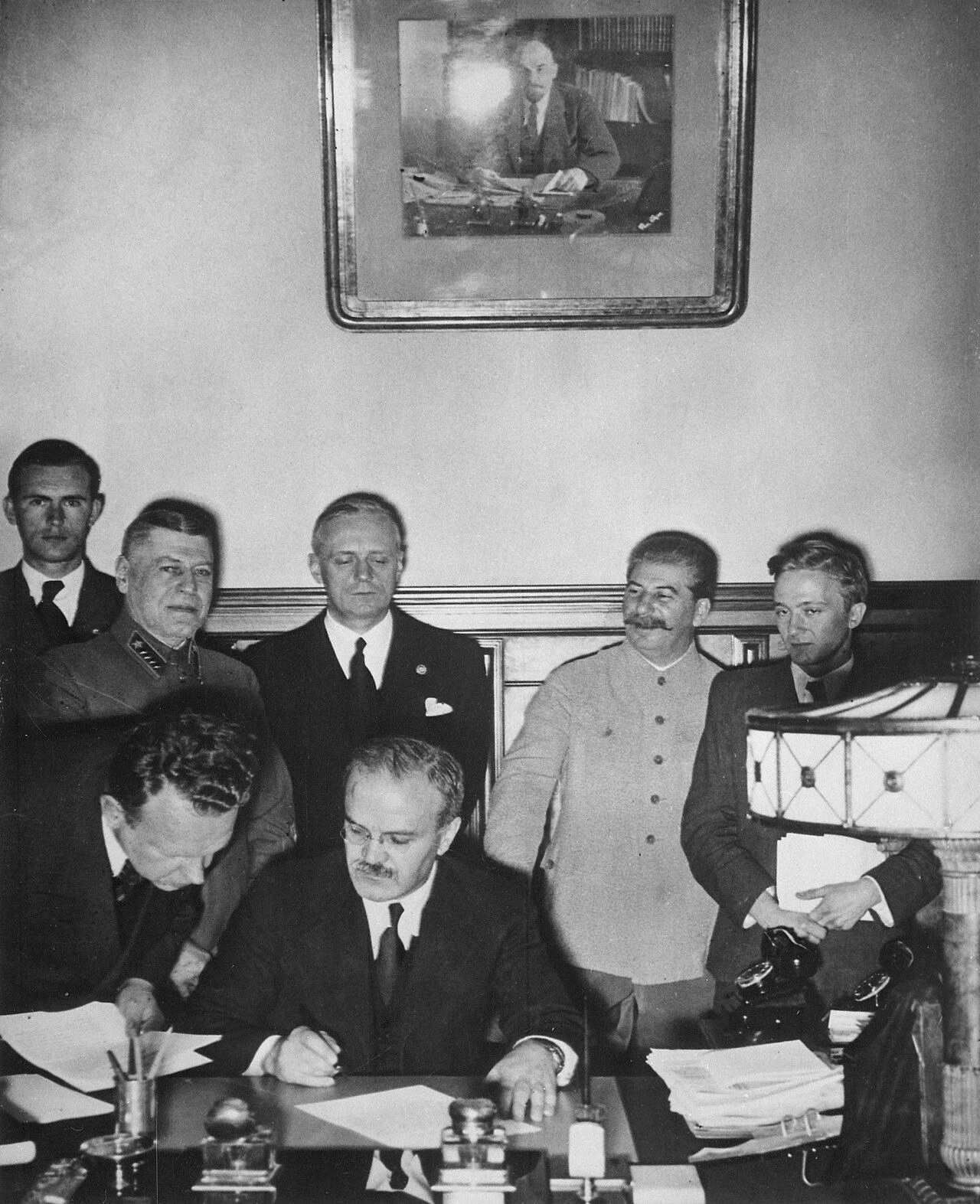
Schnurre in Moscow — the Commercial Agreement
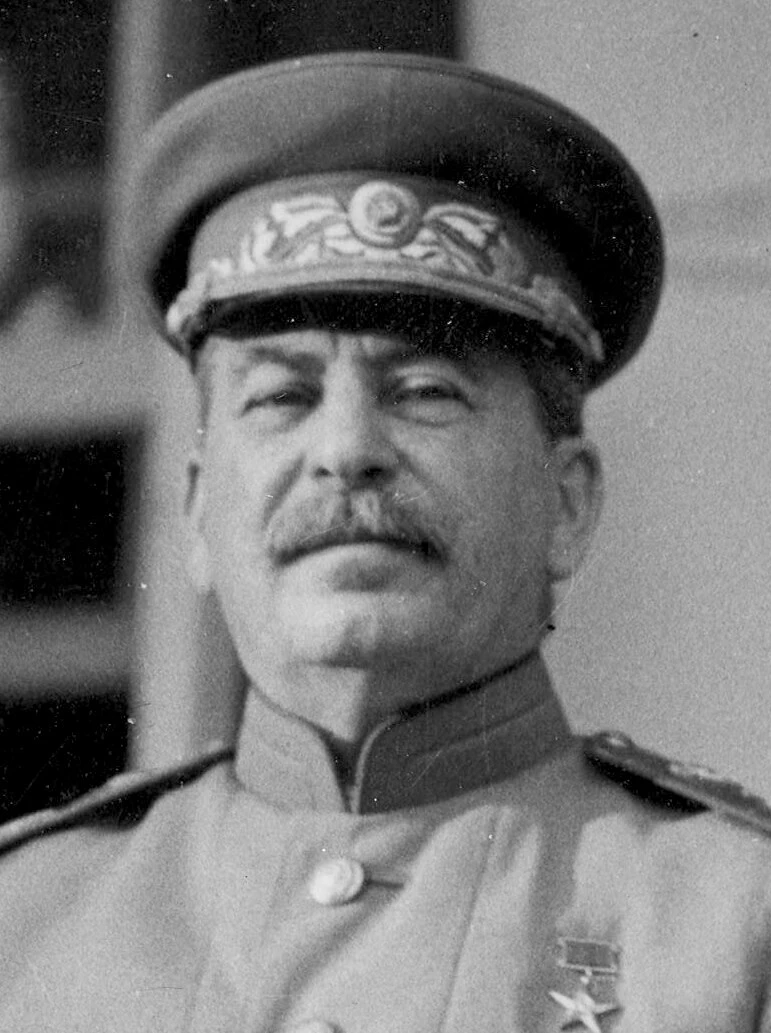
Stalin at the microphone — 'brothers and sisters'
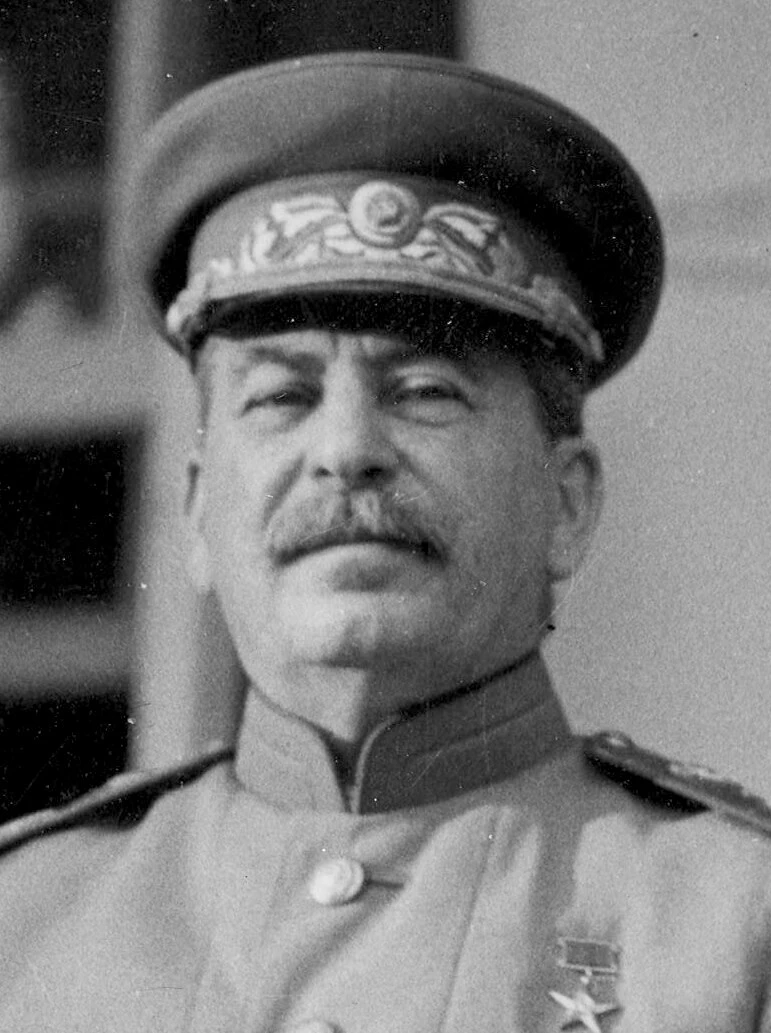
Stalin extends a hand to Japan
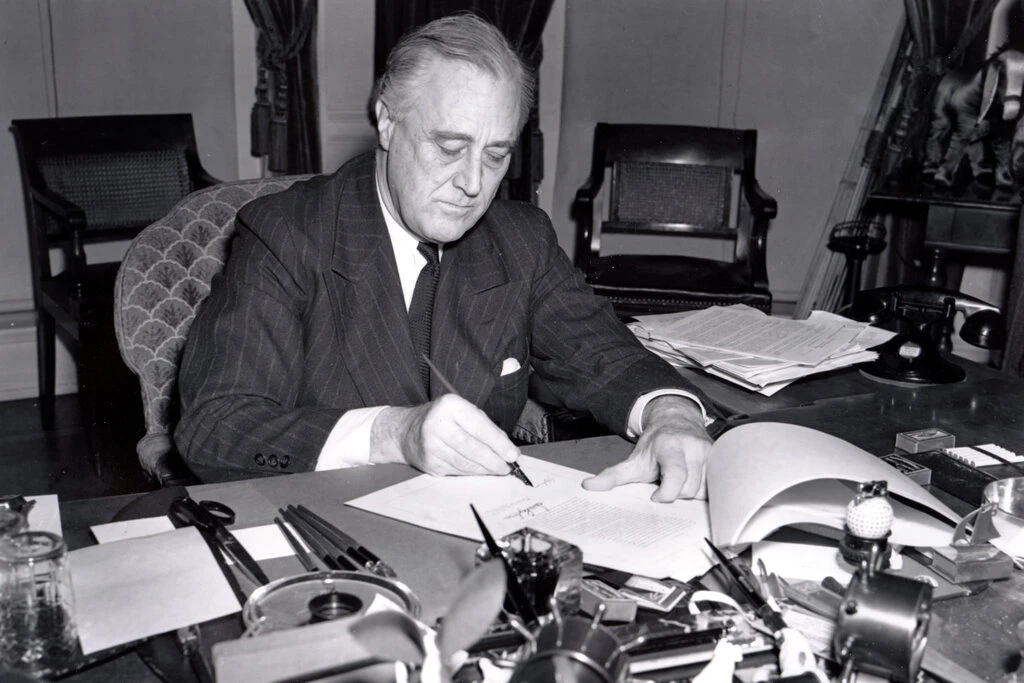
Washington, March 1941: Arming Without Entering the War
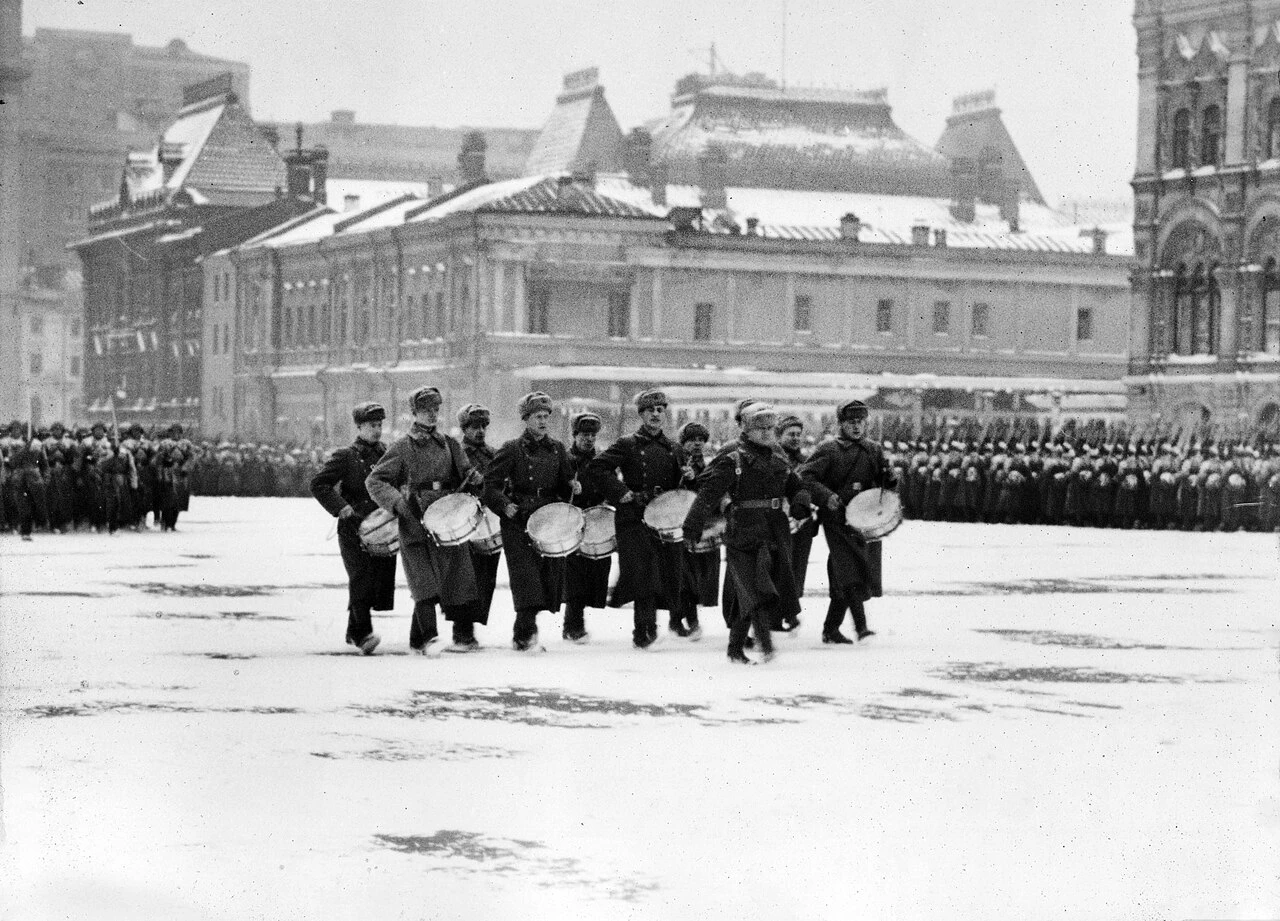
The Red Square Parade of 7 November 1941
Above all, do not provoke Berlin
The Nazi-Soviet Pact
Spanish Wolfram
The Donbass Is About to Fall — What to Do With the Basin?
Japan and the Southern Resource Zone
Schnurre in Moscow — the Commercial Agreement
Stalin at the microphone — 'brothers and sisters'
Stalin extends a hand to Japan
Washington, March 1941: Arming Without Entering the War
The Red Square Parade of 7 November 1941
Above all, do not provoke Berlin