
On the home front, the Phoney War created a strange atmosphere: the country was at war, millions of men were mobilised, yet "nothing" was happening. The cinemas and theatres reopened, life resumed an almost normal course, while the muffled anguish of waiting and the absence of the mobilised men weighed on families.
For you, the civilian on the home front, the attitude to adopt was not obvious. To commit to the war effort (work in armaments, civil defence, support for the soldiers), in order to feel useful and to prepare the country. To live normally, taking advantage of the apparent calm, out of denial or weariness. Or to let yourself be overcome by doubt about the meaning and the outcome of this static war.
The climate of the Phoney War — a mixture of boredom, anxiety and false unconcern — worked insidiously on cohesion and resolve. Enemy propaganda and the political rifts of the pre-war years worked on opinion at a deep level. In this combatless waiting, what posture should a civilian adopt?
Should our civilian commit to the war effort, live normally, or give in to pessimism?
All three attitudes coexisted, but the general atmosphere slid towards a mixture of B and C: the Phoney War installed a climate of waiting, boredom and false normality, in which the war effort struggled to fully mobilise a weary and divided public. Defeatism advanced in certain circles, fed by the political fractures of the 1930s, enemy propaganda and the sense of an absurd war. This erosion of morale on the home front, like that at the front, would contribute to the collapse of May–June 1940 and to the shock of the defeat. , in Strange Defeat, would point to this moral and civic disintegration as one of the deep causes of the disaster — beyond purely military factors.
Learn more about this event
Related polls
10
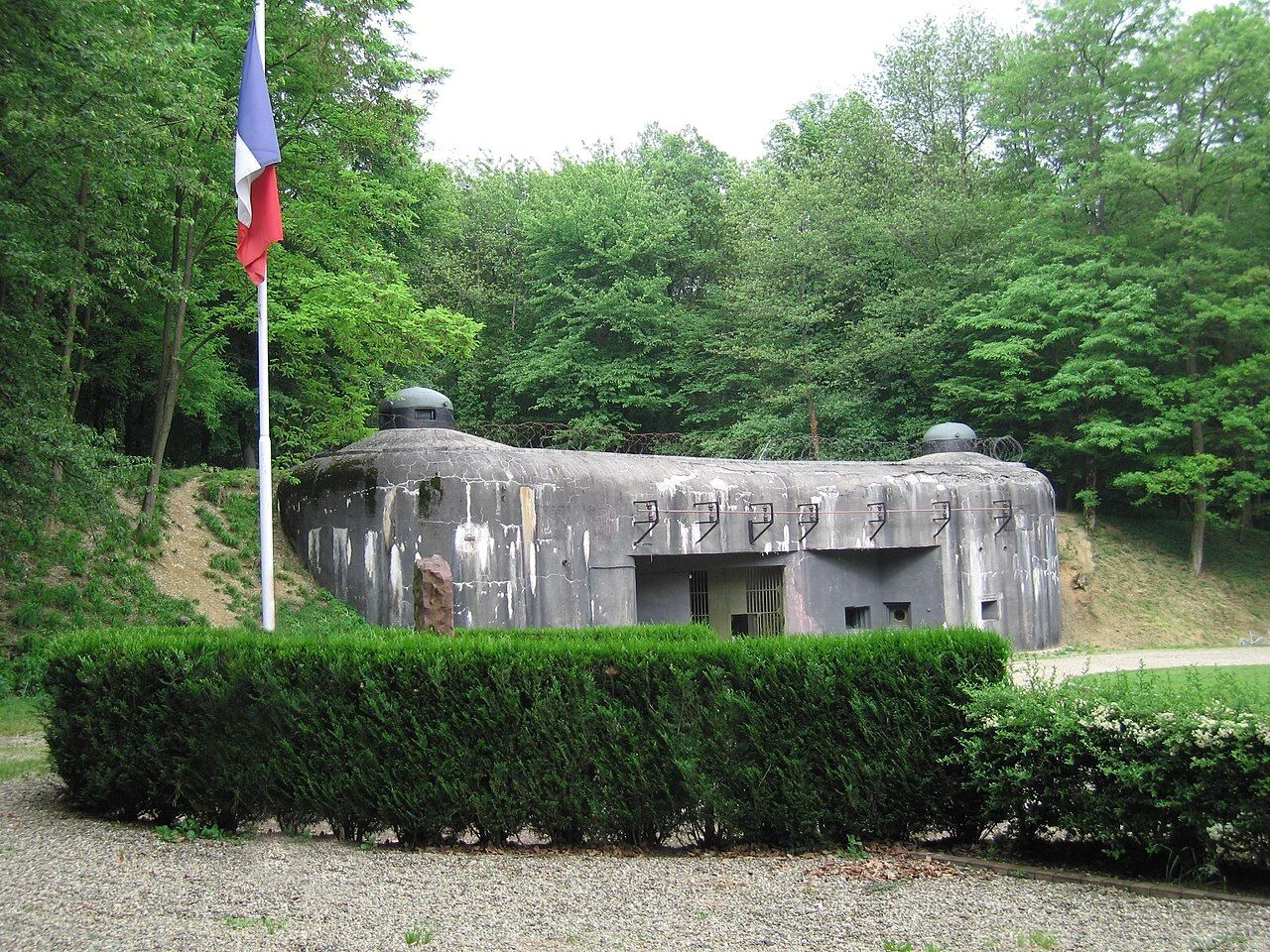
Hackenberg — a poilu on the Maginot
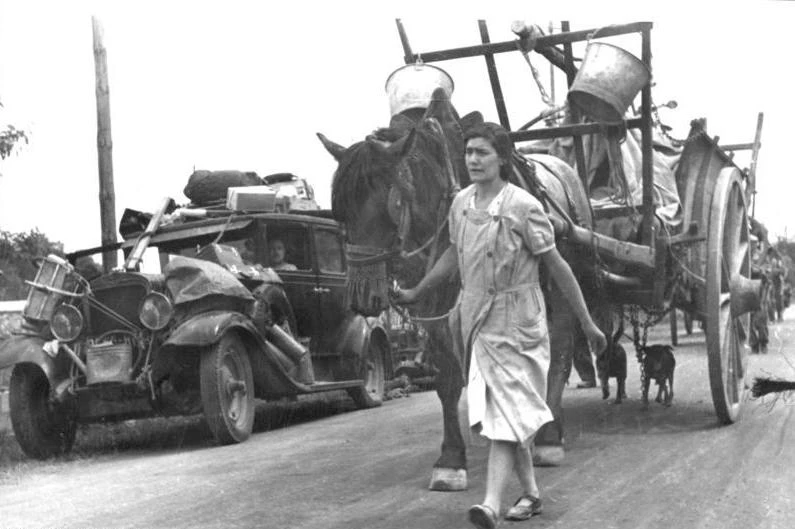
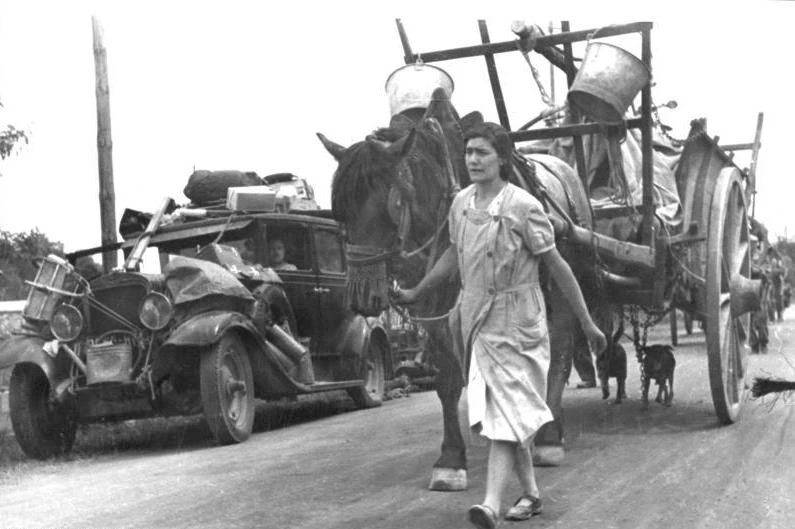
The French exodus
Belgian border — leave or wait out the storm
The great winter at the front
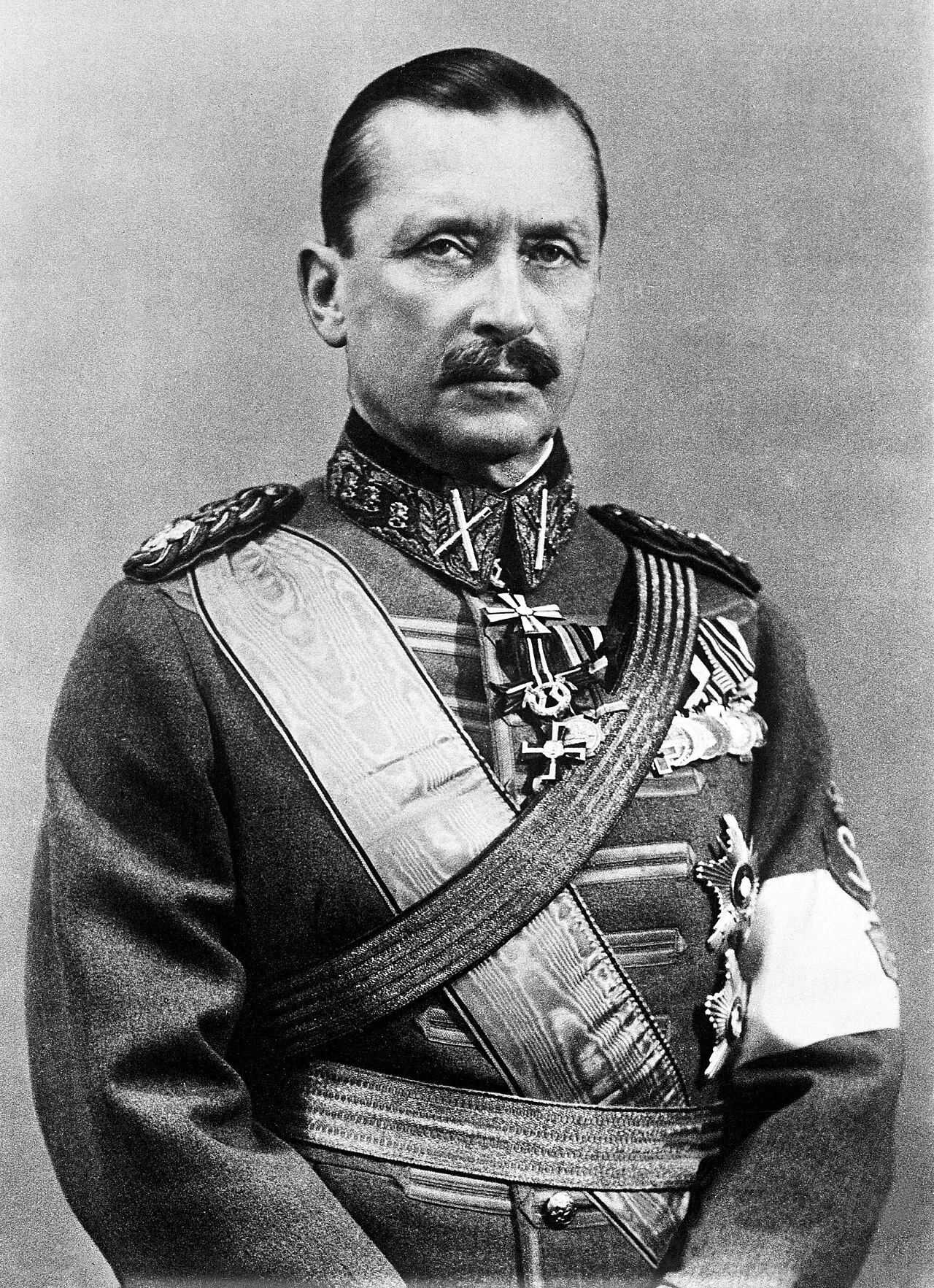
Winter rationing

The Camps of the Retirada
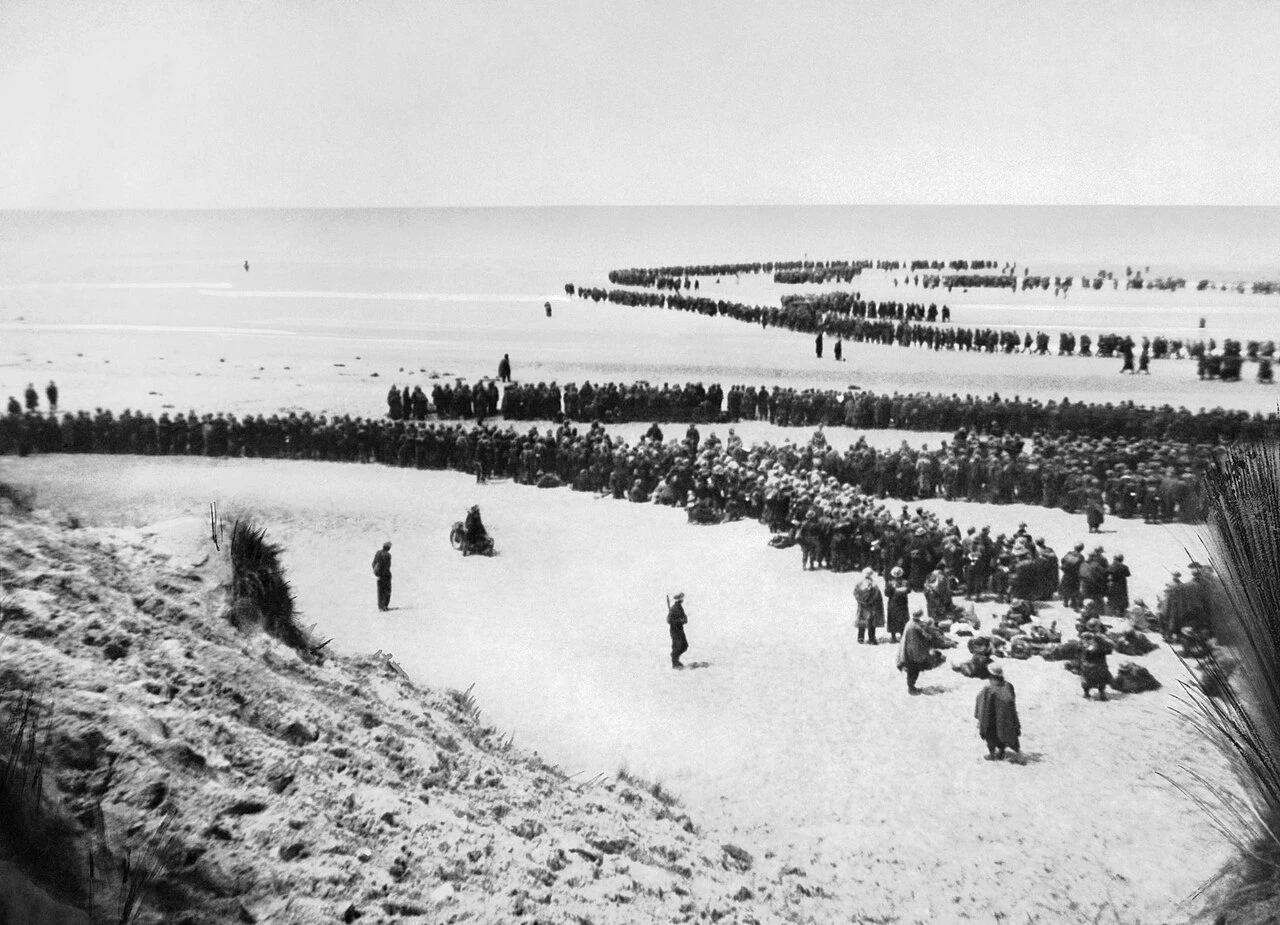
Dunkirk: holding the line under the bombs
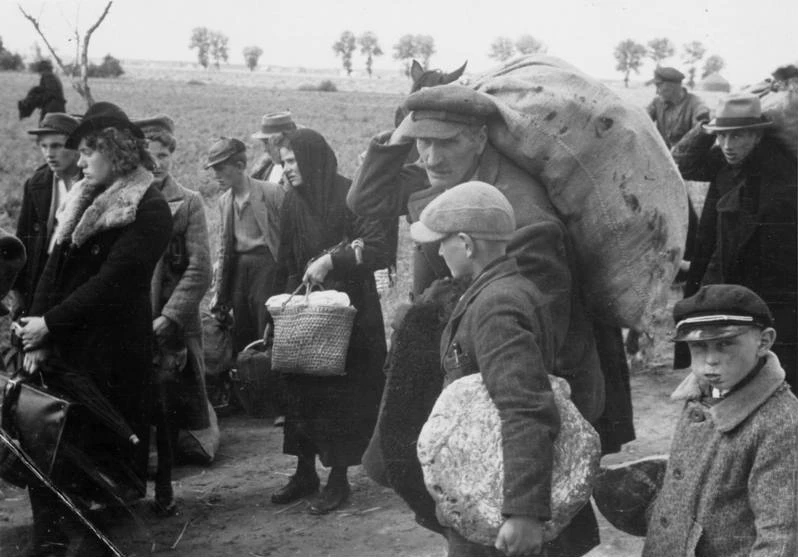
The Warsaw Student and the Black Market
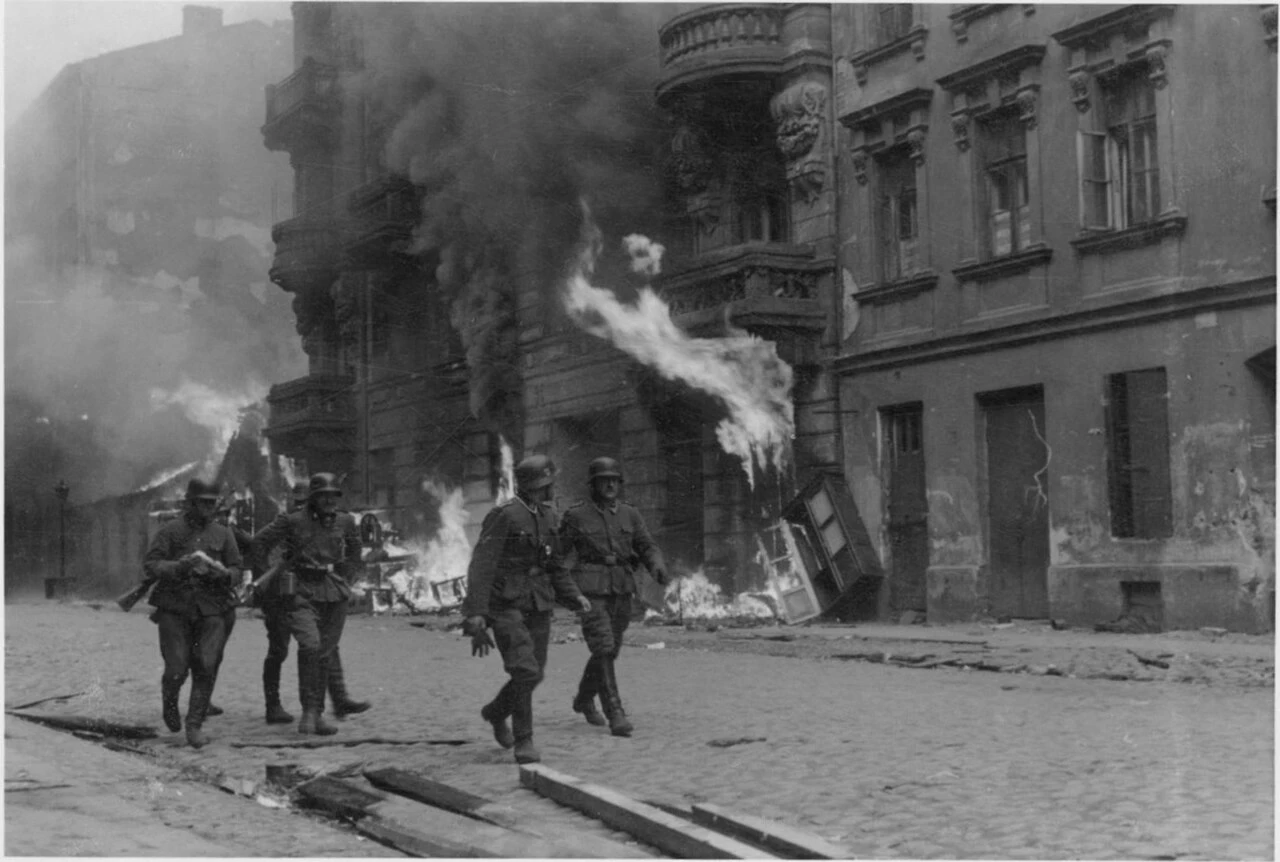
The Jewish Schoolteacher of Kazimierz
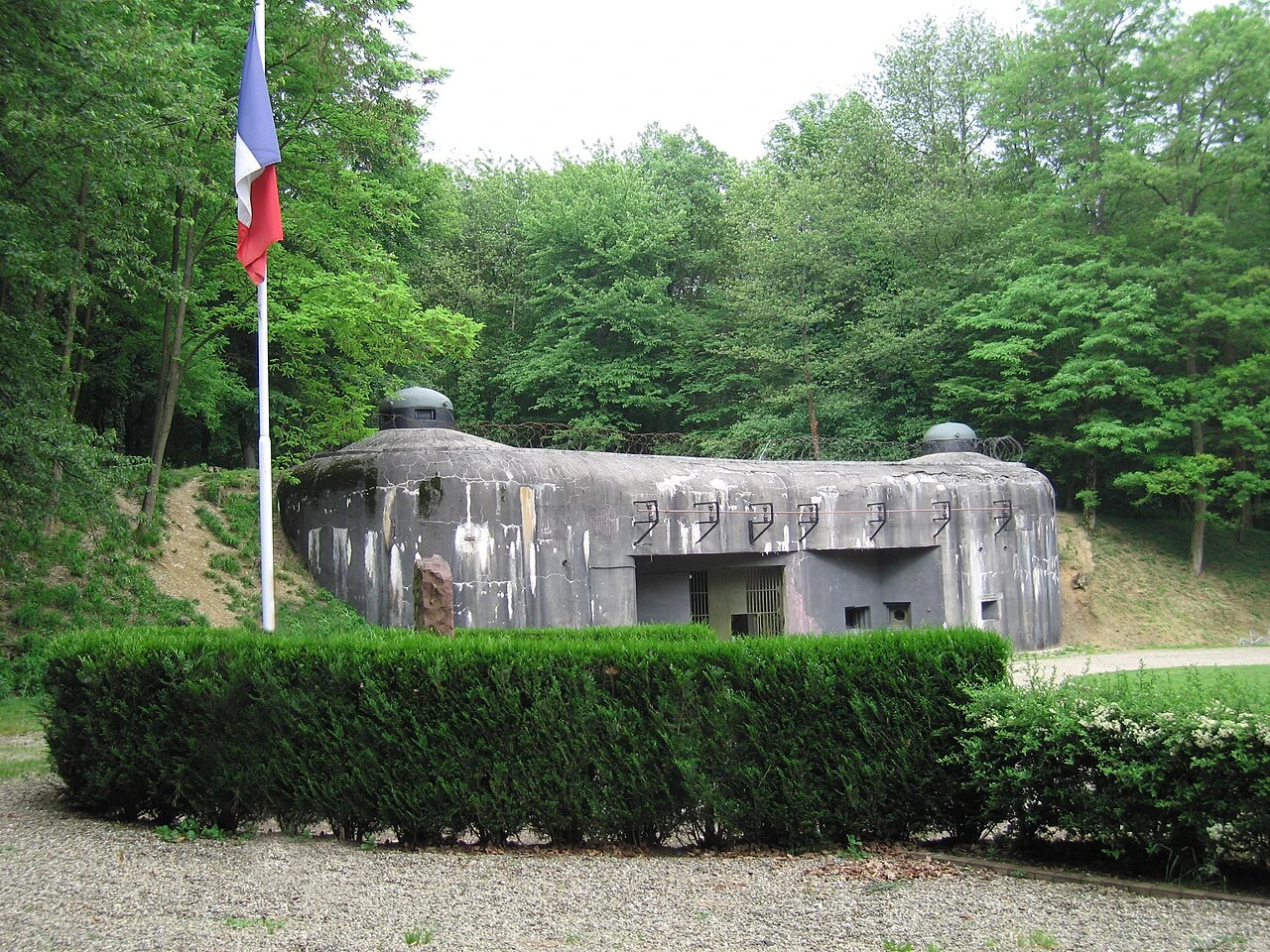
The Forbidden Zone of Alsace — what to do with the civilians of the Rhine?
Hackenberg — a poilu on the Maginot
The French exodus
Belgian border — leave or wait out the storm
The great winter at the front
Winter rationing
The Camps of the Retirada
Dunkirk: holding the line under the bombs
The Warsaw Student and the Black Market
The Jewish Schoolteacher of Kazimierz