
Dowding and the Last Reserves — 15 September 1940
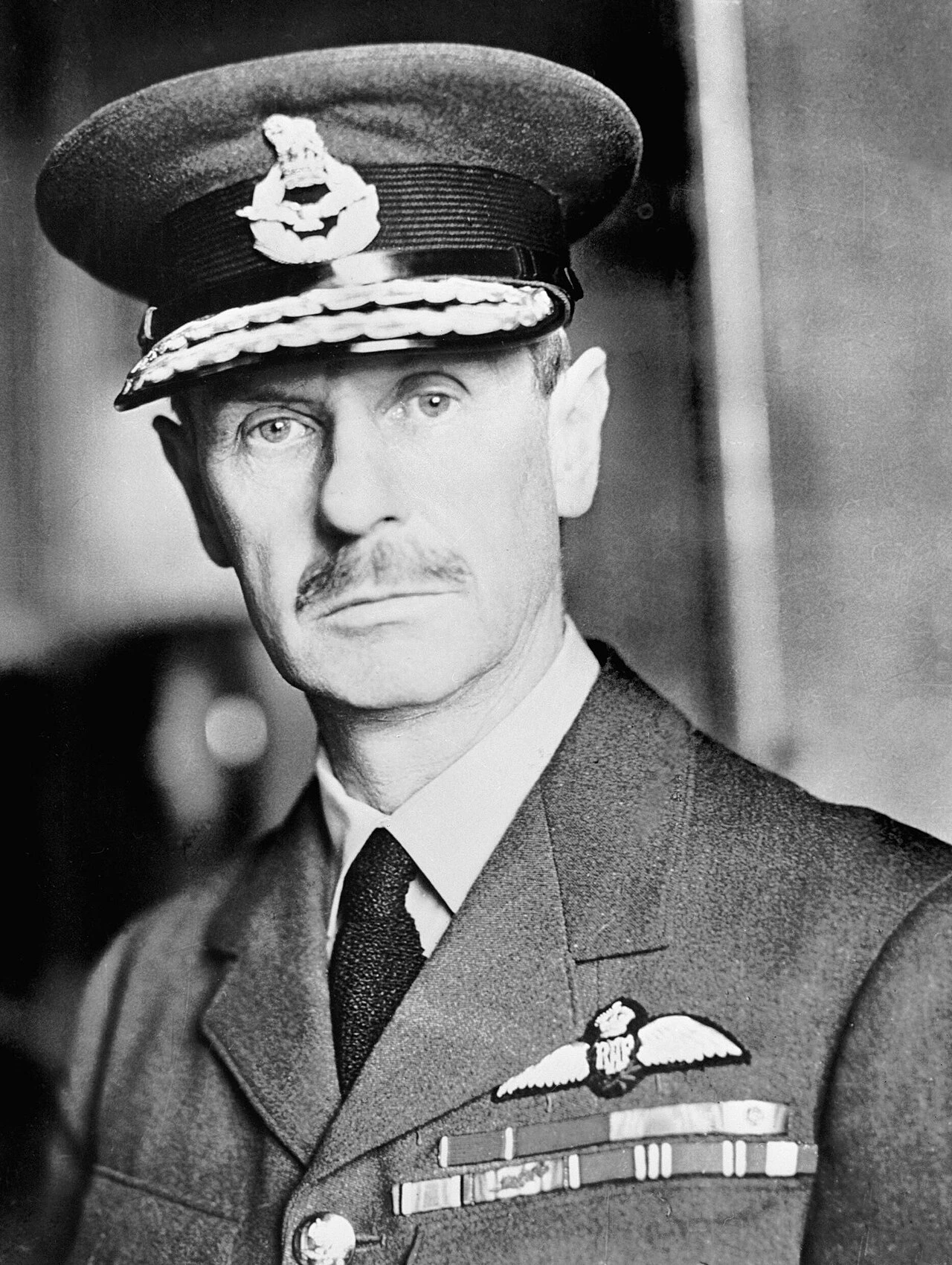
Air Chief Marshal , nicknamed "Stuffy", has led Fighter Command from Bentley Priory. The architect of the air defence system integrating radar, observers and ground control, he has borne the weight of the Battle of Britain since the summer.
His dread is not the number of aircraft, but the pilots. At a Fighter Command meeting on 7 September, he warns that his squadrons are losing men faster than they can be replaced: the training course has been cut to two weeks, and newcomers reach the front with ten hours' flying on Hurricanes or Spitfires.
On 15 September 1940, Kesselring hurls the bulk of the Luftwaffe at London: about 400 fighters and 200 bombers in the morning, a second assault in the afternoon. At HQ in Uxbridge, the commander commits all his squadrons one by one; when Churchill asks him, Park will reply that he has no more reserves.
Above Park, it is Dowding who holds the decision to commit from the Midlands — held until then as a strategic reserve. To use it would reinforce the day's effort but strip away his ultimate safety cushion, at the heart of the budding quarrel over the Big Wing.
At the height of the 15 September assault, what does Dowding decide about his fighter reserves?
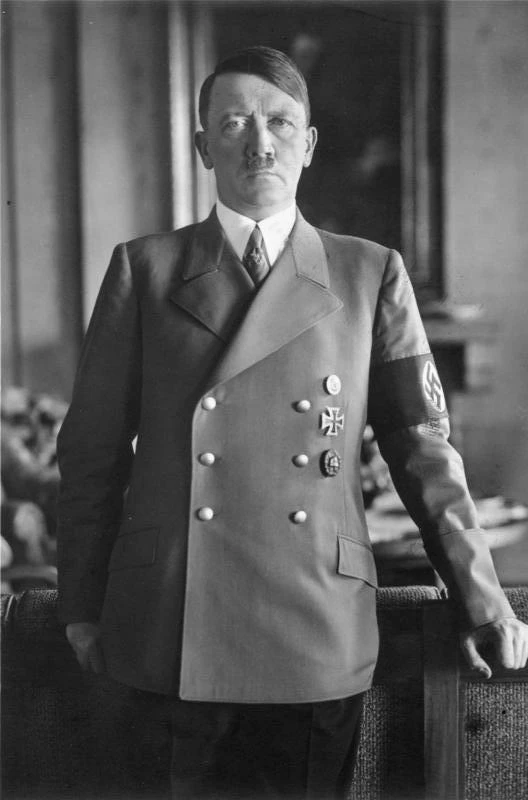
Dowding chose A. He gave permission to send its squadrons in defensive support of , and the Duxford "Big Wing" came up to back Park's fighters. The German bombers, harassed all along the route, dropped their bombs without precision. By nightfall, the Luftwaffe had lost some sixty aircraft against 26 for the RAF — a spectacular setback. German morale collapsed: the pilots had been promised that the RAF had no more than 300 fighters, and they had met more than that in a single raid. Two days later, on 17 September, Hitler postponed Operation Seelöwe indefinitely. Dowding's calculated gamble — to commit his reserves at the decisive moment — was borne out by events, and 15 September became Battle of Britain Day.
Learn more about this event
Related polls
10
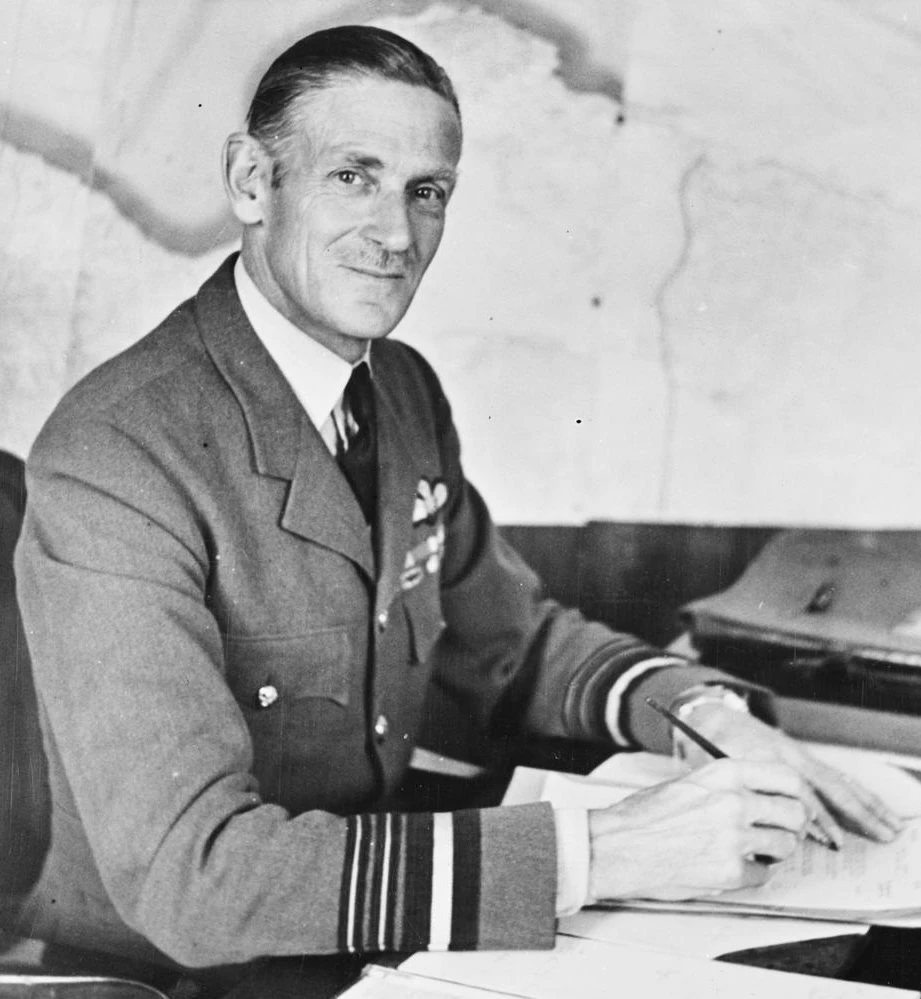
Keith Park at Uxbridge — September 15
The Polish Pilots of 303 Squadron
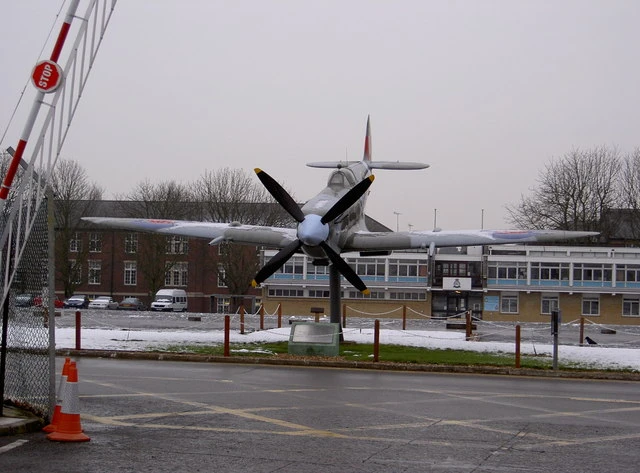
The Uxbridge plotter
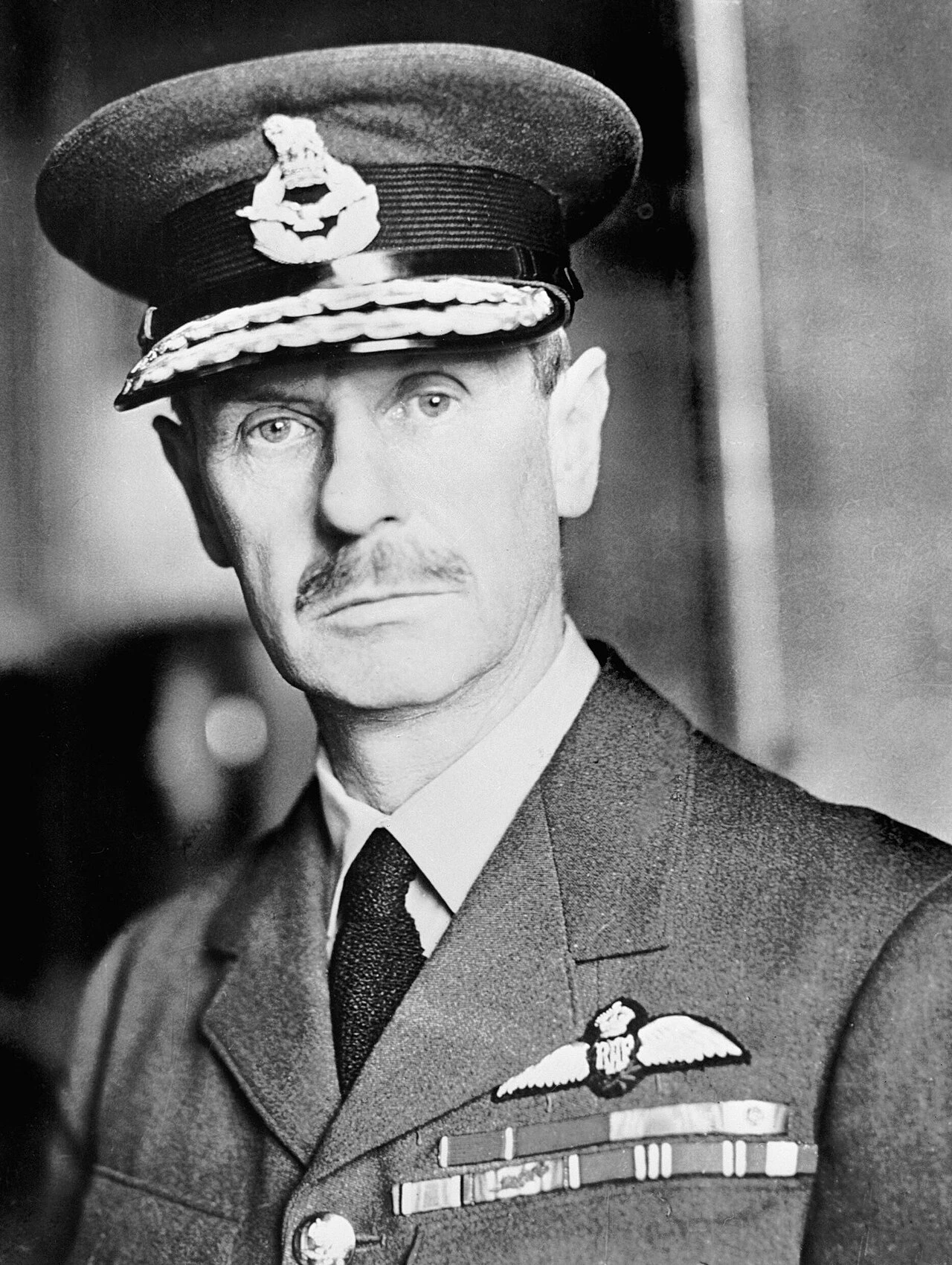
Dowding — Keep the Fighters?
Chain Home — the Invisible Wall
Coventry — the night of November 14
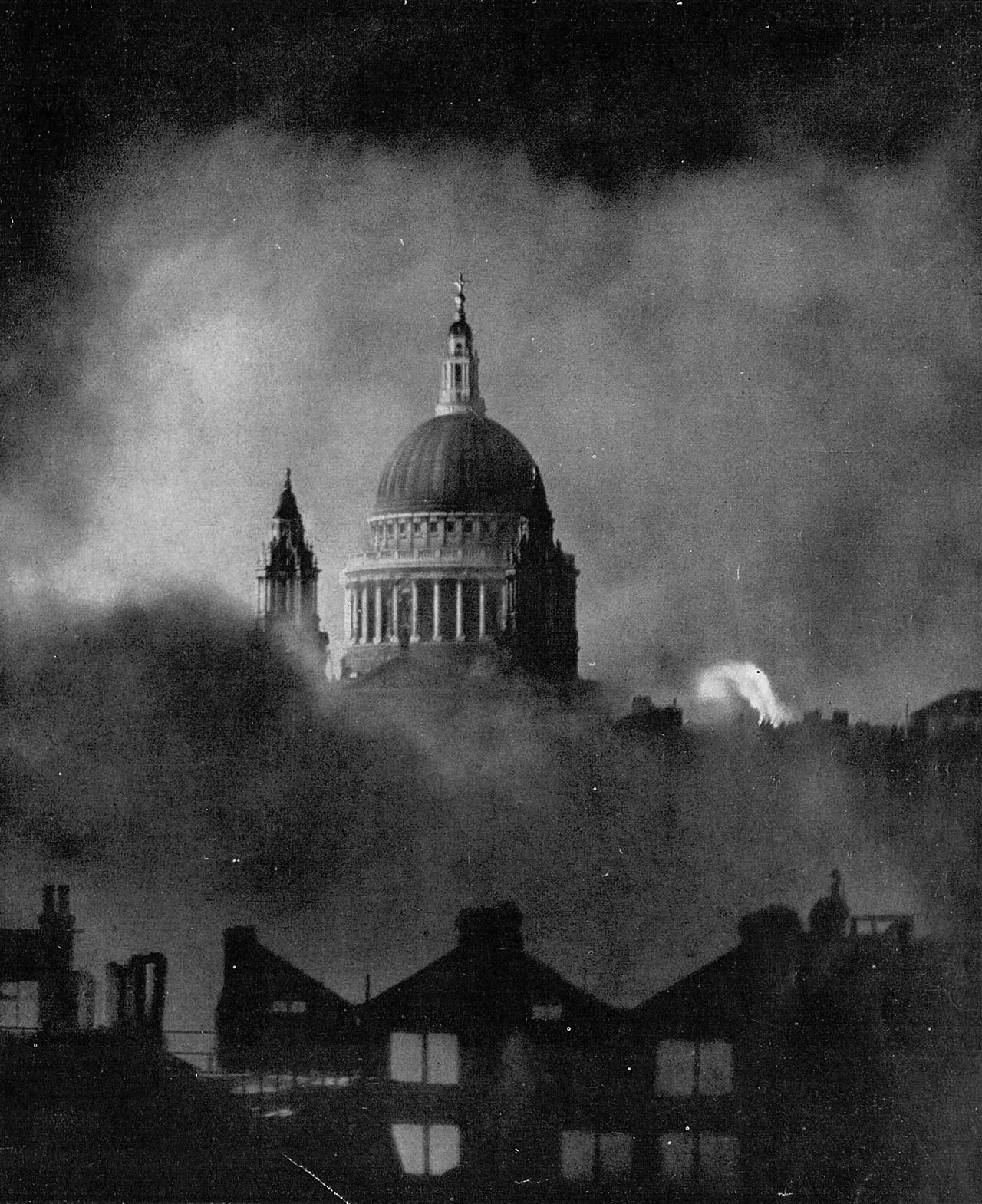
The Second Great Fire of London

The Belgian air force on the ground
"Cromwell" — England, 7 September 1940
The last great night of the Blitz
Keith Park at Uxbridge — September 15
The Polish Pilots of 303 Squadron
The Uxbridge plotter
Dowding — Keep the Fighters?
Chain Home — the Invisible Wall
Coventry — the night of November 14
The Second Great Fire of London
The Belgian air force on the ground
"Cromwell" — England, 7 September 1940