
The Welles mission was officially announced by Roosevelt on 9 February 1940. , 47, US Under-Secretary of State, sails on 17 February aboard the liner SS Rex from New York, reaching Naples on 25 February and Rome on the 26th.
First official meeting of the mission: Mussolini and Ciano, at 16:00 at the Palazzo Venezia. Mussolini receives Welles in his vast office where he keeps visitors waiting as they walk 18 metres across the room before being granted audience — classic fascist-dictator theatre. Present: (Foreign Minister, Mussolini's son-in-law), (US ambassador in Rome), and an interpreter.
Welles's objective: sound out Mussolini on the possibility of Italian mediation for a negotiated peace before the German offensive in the West. Welles already has indications: Mussolini is tempted to enter the war alongside Hitler, but the Italian army is not ready (Badoglio has confirmed it in private). Italian mediation could offer Mussolini great-power status without the military cost.
But Mussolini is in a bad temper: on 12 February 1940 Berlin denied him access to the German strategic papers on Fall Gelb. The Duce is offended. He greets Welles with calculated coldness.
Welles must choose his attitude for the 80-minute meeting that is about to begin.
What attitude does Welles adopt during the meeting?
Welles applies B. Through 80 minutes of conversation, Mussolini speaks 90 percent of the time. He airs his grievances against the Allies (the Ethiopia sanctions of 1935-1936), his Mediterranean ambitions (Tunisia, Egypt, Sudan), his conviction that Hitler "will win". Welles listens, takes mental notes, asks a few precise questions about Italian intentions in the event of a German offensive against France. Mussolini answers evasively. No commitment. By the end of the meeting Welles has three conclusions to pass on to Roosevelt: (1) Mussolini is convinced Germany will win; (2) Italy will enter the war as soon as German victory looks assured; (3) no Italian mediation is possible. Welles continues his European tour: Berlin (1-4 March), Paris (7-9 March), London (11-13 March), back to Rome (16-19 March), then the Atlantic crossing. In Washington on 28 March he reports to Roosevelt: "There is no prospect of a negotiated peace. Hitler contemplates nothing but total victory; Mussolini is preparing to follow him. France and the United Kingdom are determined but militarily weak." The Welles mission is technically a failure but informationally precious — Roosevelt has confirmation that the inevitability of war has arrived. Welles continued his career as Under-Secretary of State until September 1943.
Learn more about this event
Related polls
10
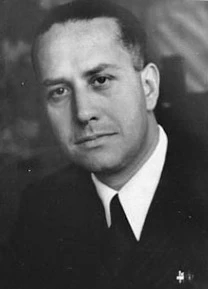
Ciano summons the ambassadors — 10 June
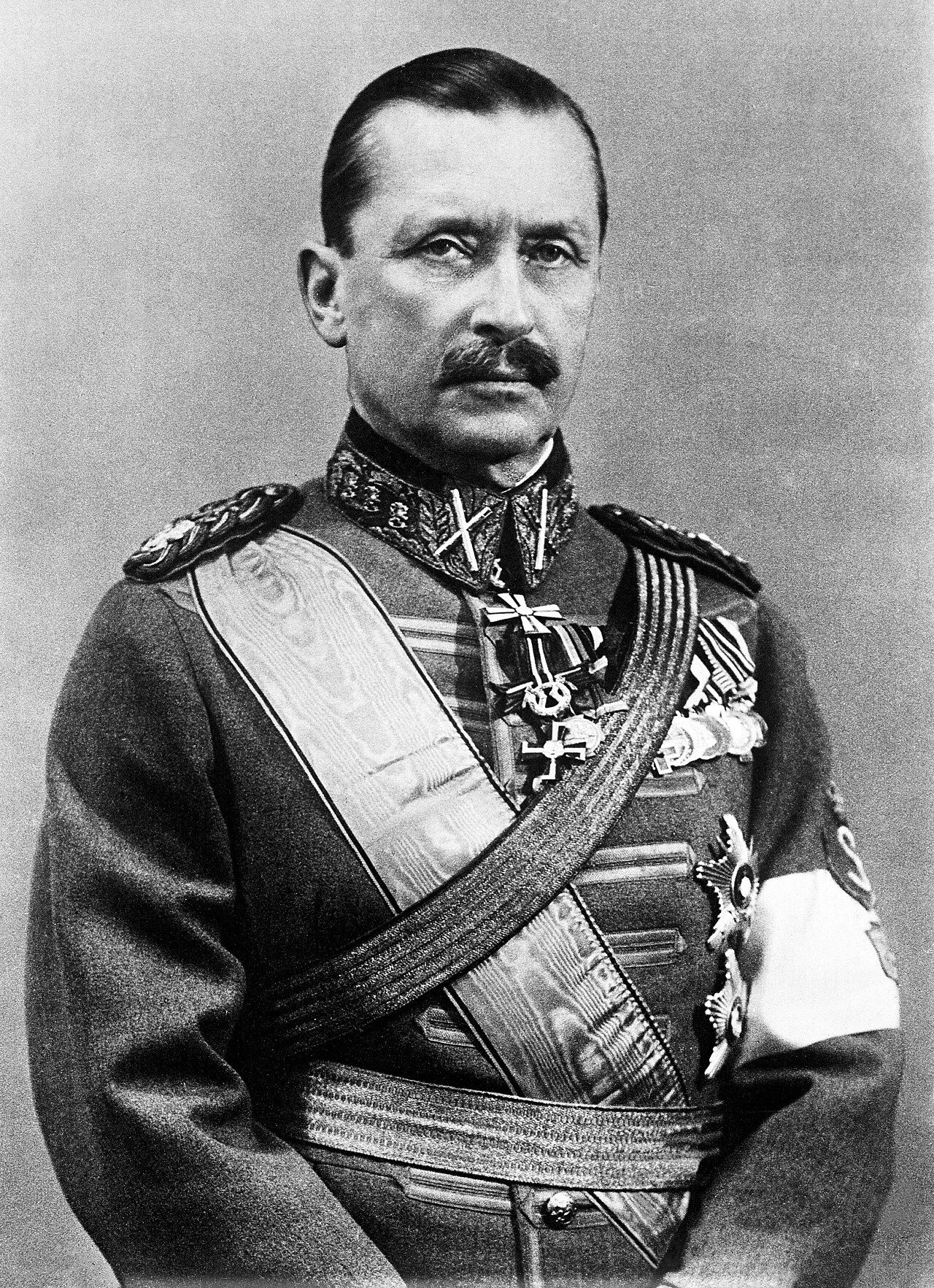
Mannerheim to the Ryti government — 28 February
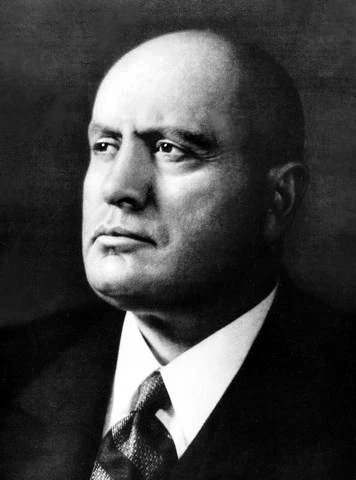
Mussolini on the balcony — 10 June, 18:00
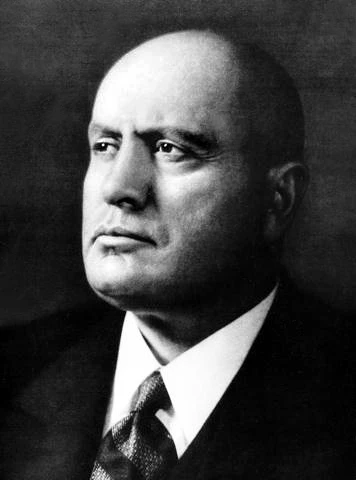
Mussolini at the Palazzo Venezia — early June
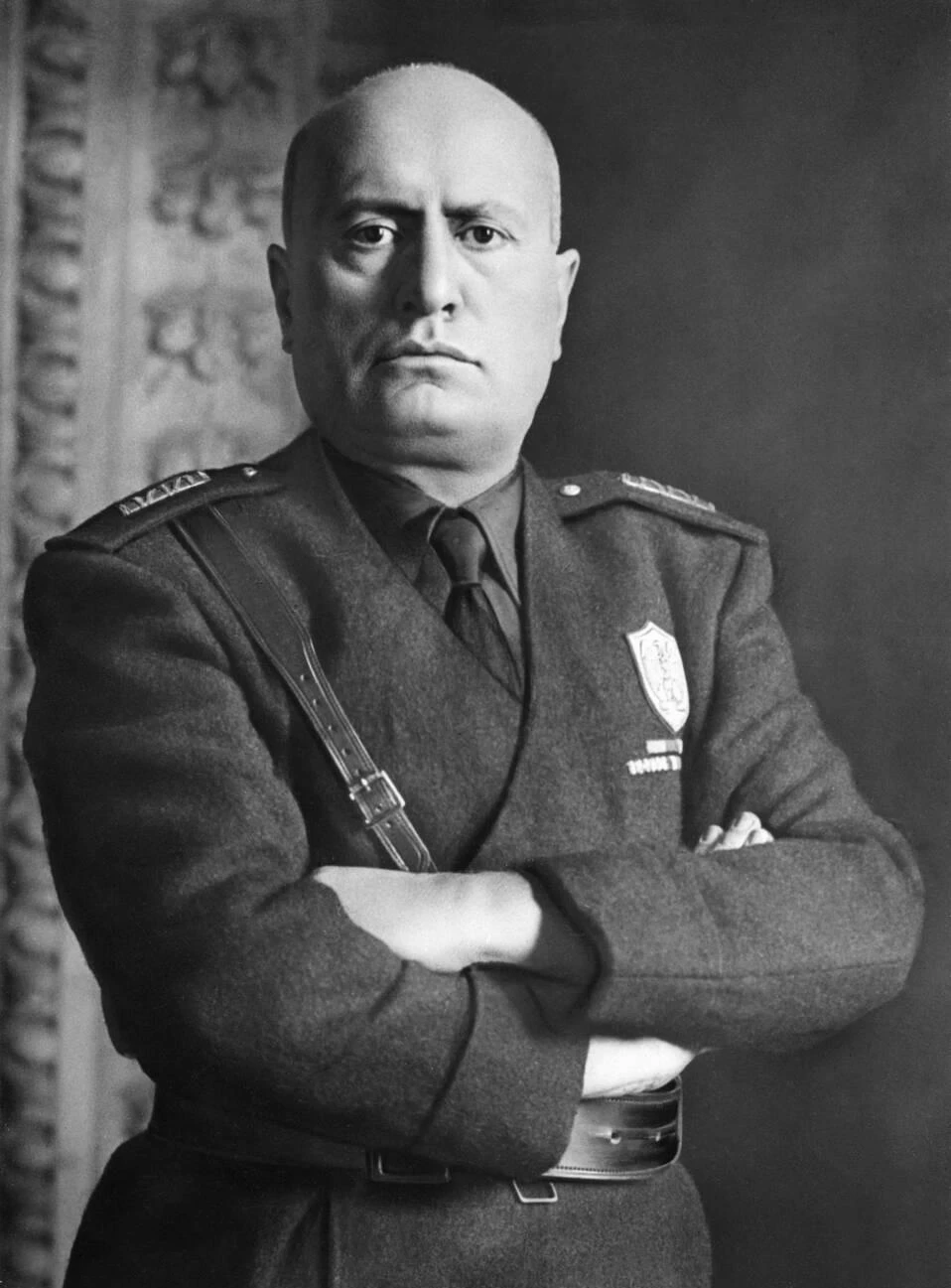
Mussolini — Palazzo Venezia, 1 September
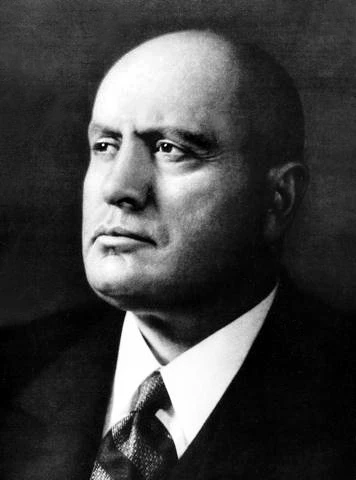
Mussolini on the Riviera — 21 June
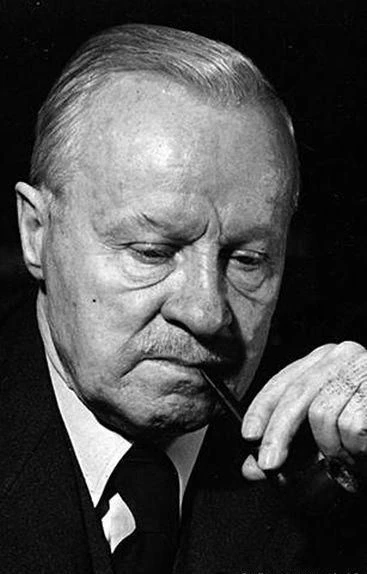
Tanner in Moscow — the delegation of 6 March
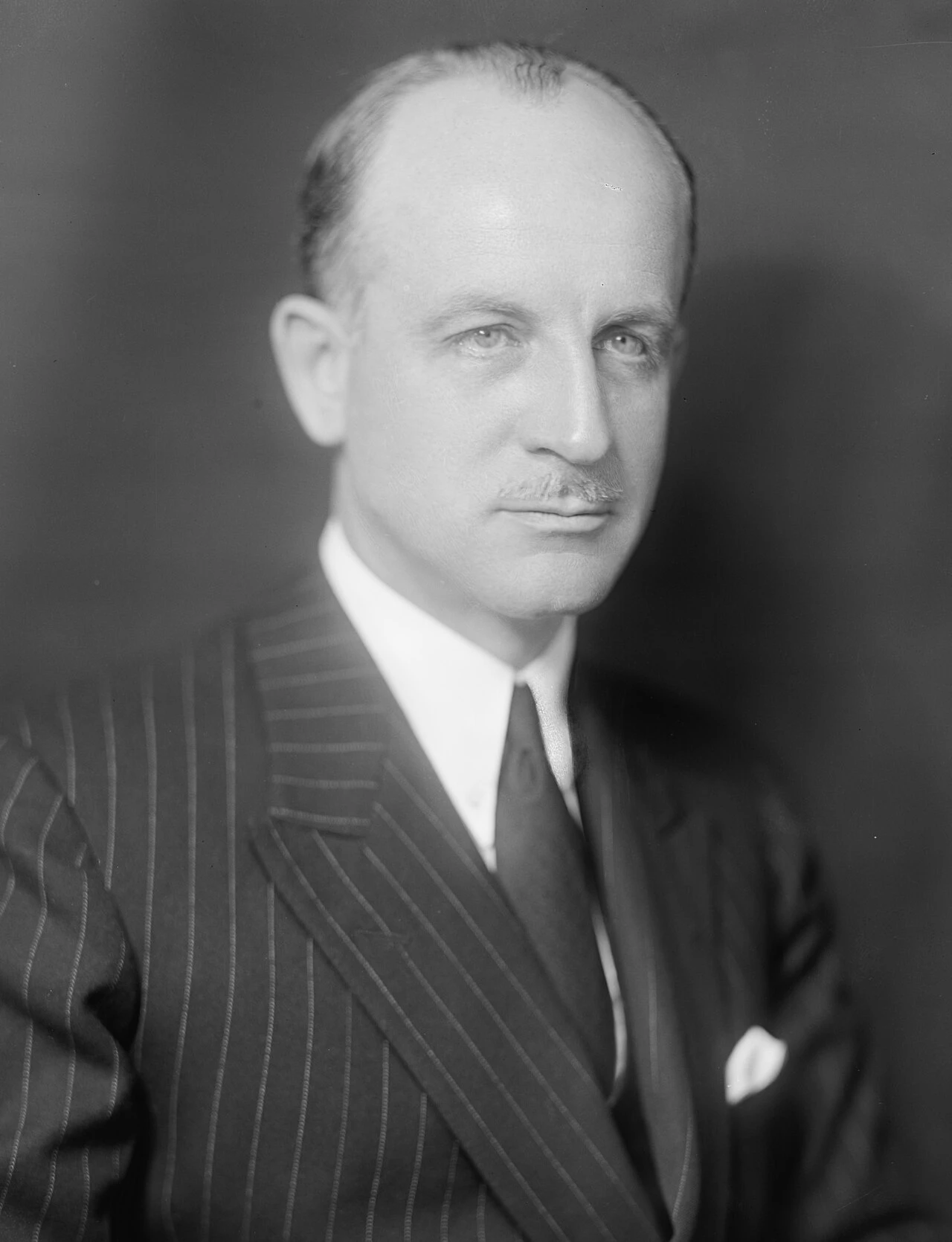
Welles with Hitler — 2 March 11:00
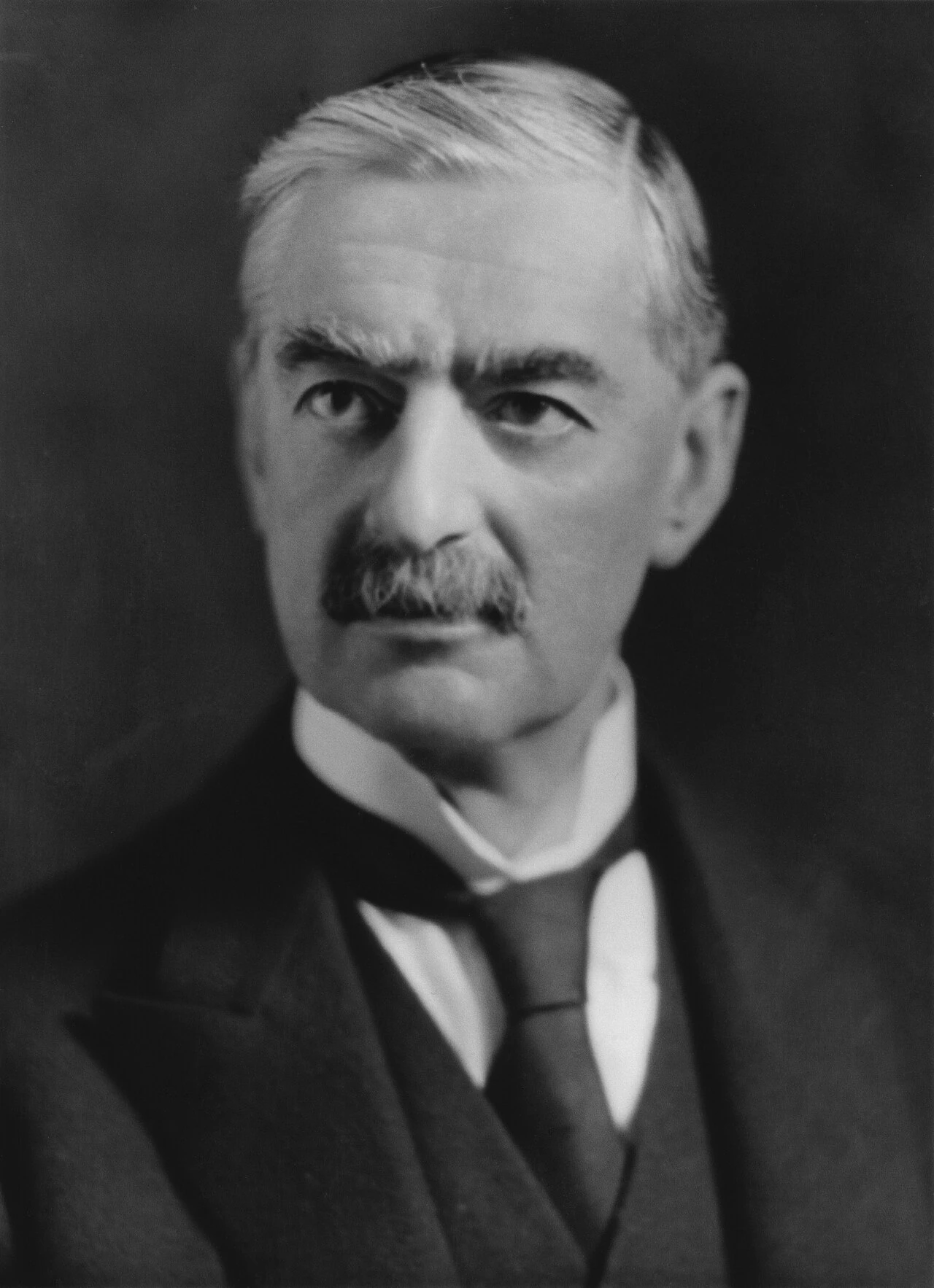
Chamberlain at Central Hall — 4 April
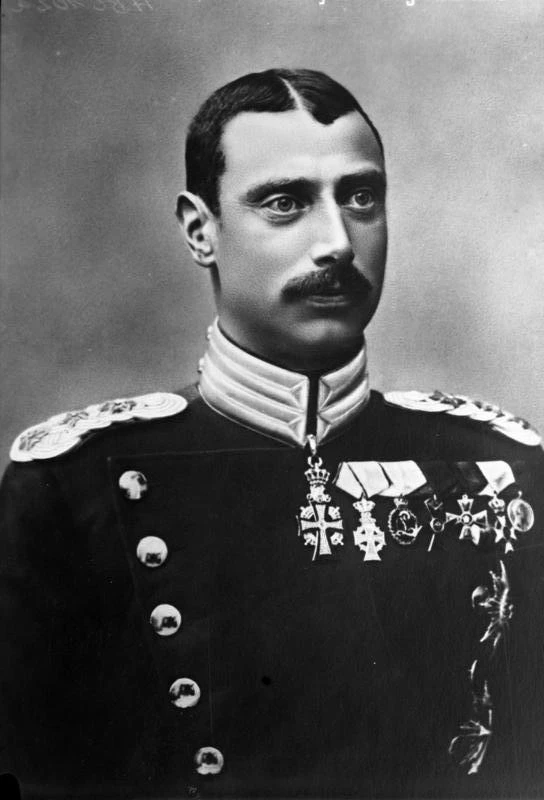
Christian X faces the ultimatum — 9 April
Ciano summons the ambassadors — 10 June
Mannerheim to the Ryti government — 28 February
Mussolini on the balcony — 10 June, 18:00
Mussolini at the Palazzo Venezia — early June
Mussolini — Palazzo Venezia, 1 September
Mussolini on the Riviera — 21 June
Tanner in Moscow — the delegation of 6 March
Welles with Hitler — 2 March 11:00
Chamberlain at Central Hall — 4 April