
In a few years, the Nazi regime has set about enrolling the entire German youth. The Hitlerjugend (Hitler Youth) for the boys and the Bund Deutscher Mädel for the girls frame leisure, sport and ideological training. A law of 1936, supplemented in March 1939, makes membership in practice compulsory: to evade the movement becomes a suspect anomaly.
For families, in particular those who harbour reservations — through religious faith, attachment to liberties or simple distrust — the enrolment of children poses a daily crisis of conscience. The state intrudes into upbringing, diverts loyalties towards the Führer, and turns the child into a possible relay of surveillance within the home.
You are a German family, unenthusiastic but cautious. Should you allow your child to join the Hitlerjugend fully, so as not to expose them to marginalisation and to spare them trouble? To compromise by limiting their participation to the strict minimum, without standing out? Or to resist openly, at the risk of sanctions, of being put on file, even of reprisals? The choice involves the child's future and the safety of all.
Should our family let its child join the Hitlerjugend, compromise, or resist?
The vast majority of German families opt, through constraint or adherence, for A or B: on the eve of the war, almost all young people of age are enrolled, membership having become compulsory. Open resistance remains marginal and dangerous; the rare dissents — nonconformist youth groups, religious refusal such as among the Jehovah's Witnesses — are harshly repressed. The framing of youth is one of the regime's most effective levers: it shapes a generation trained in obedience and ideology, part of which will spill its blood on the fronts of the war Hitler is about to unleash.
Learn more about this event
Related polls
10
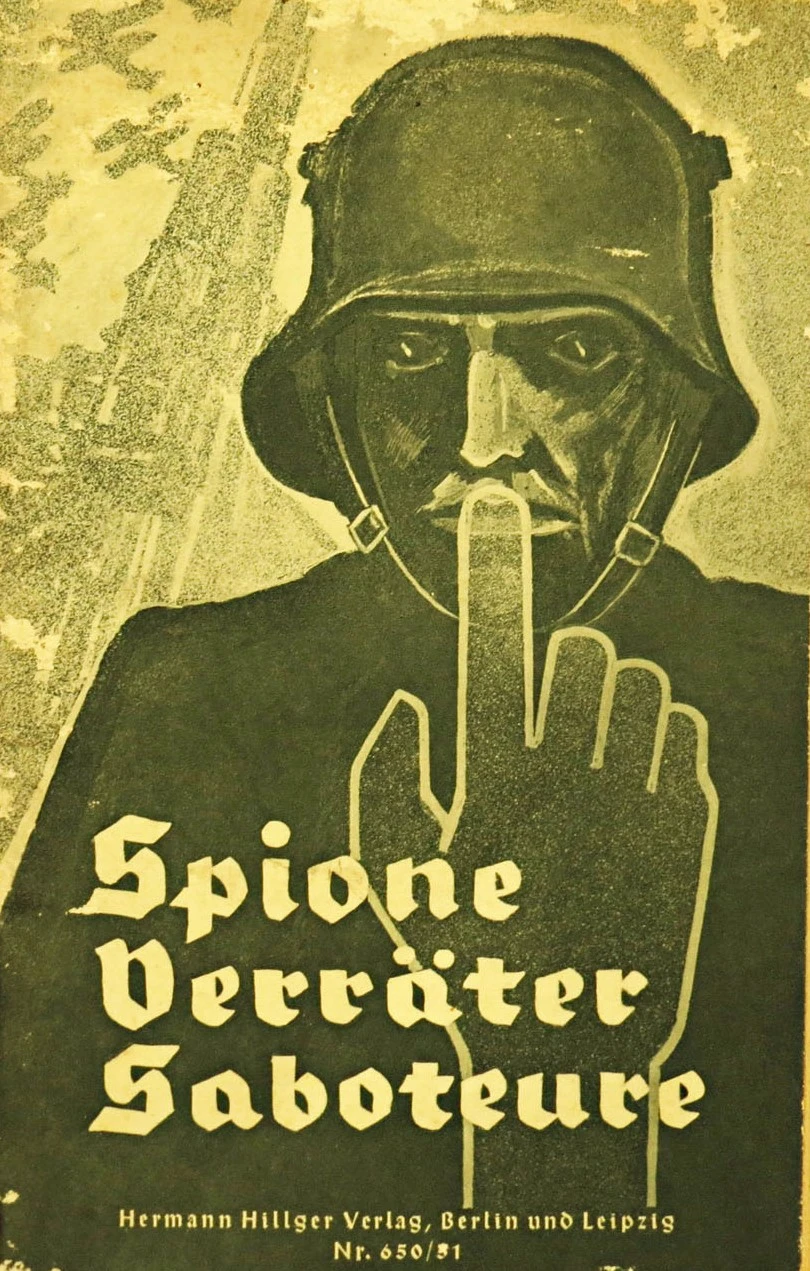
The Karten: Rationing Germany at War

Join the Party?
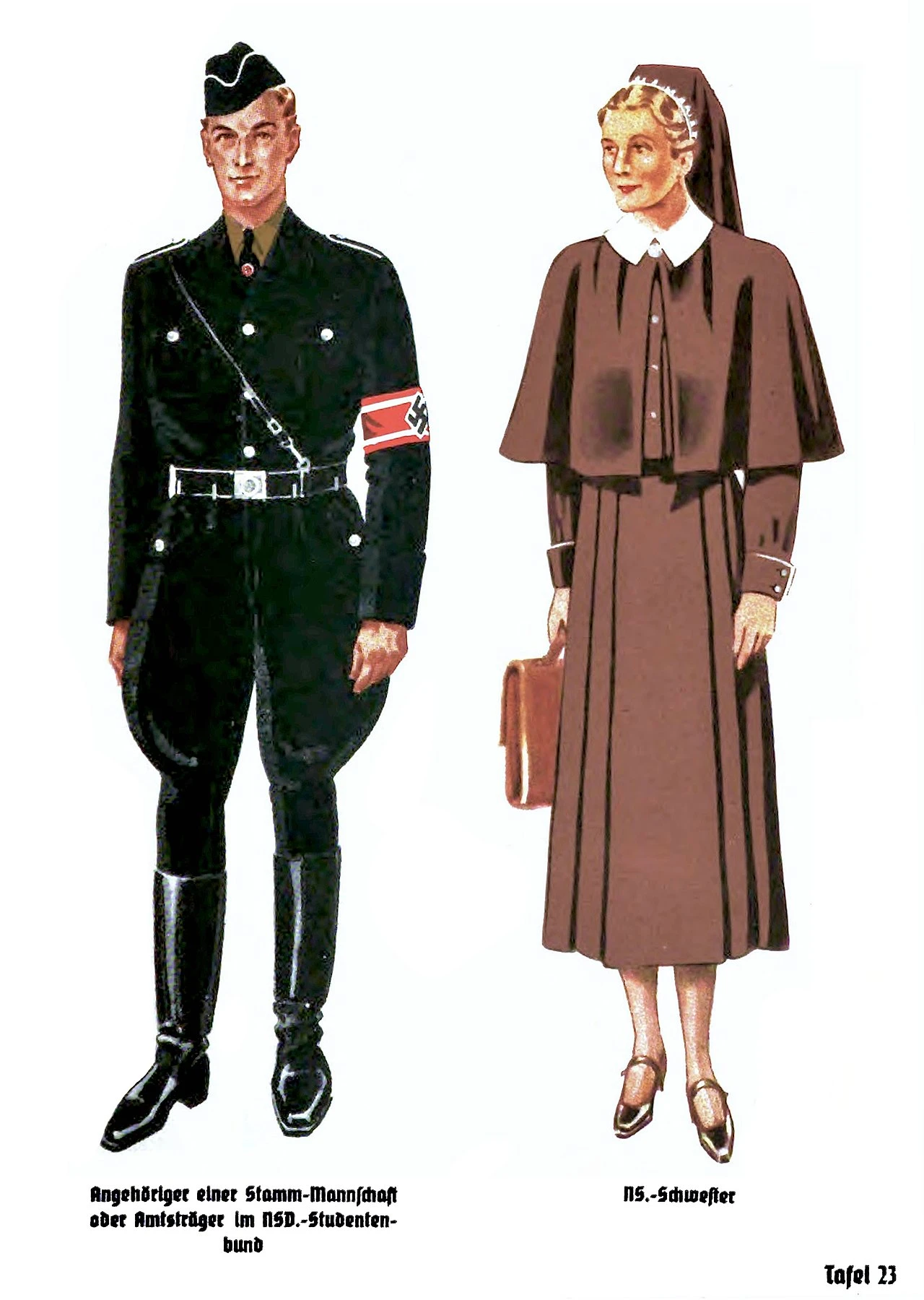
The German Student Facing the Nazification of the University (1939)
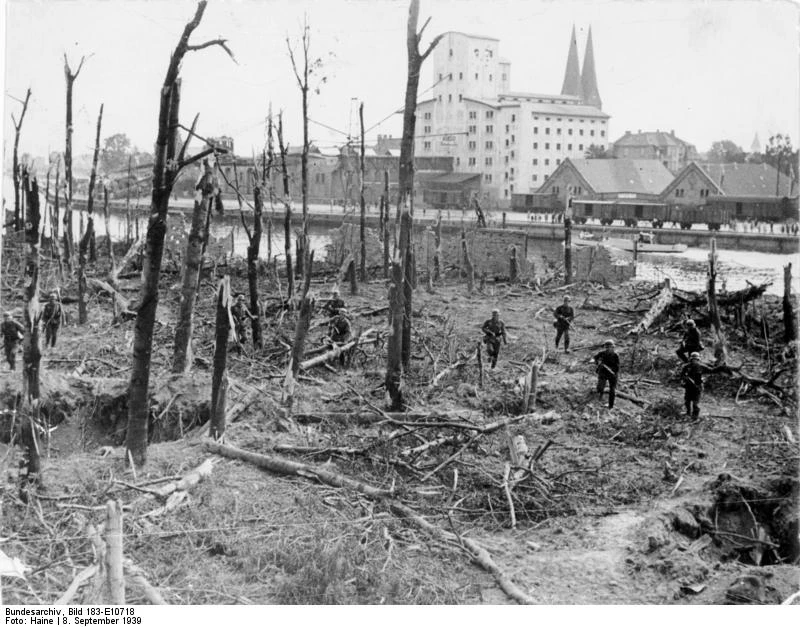
A Danzig Customs Officer on the Day of Annexation
A Correspondent in Berlin
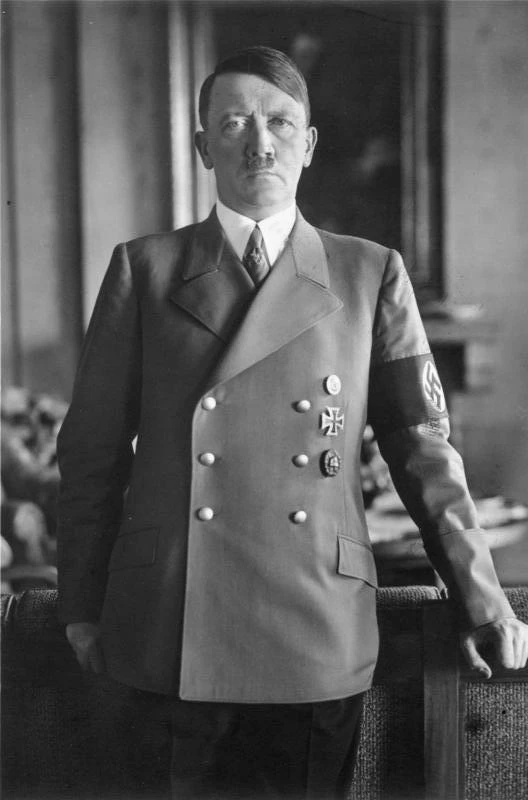
The Obersalzberg Speech
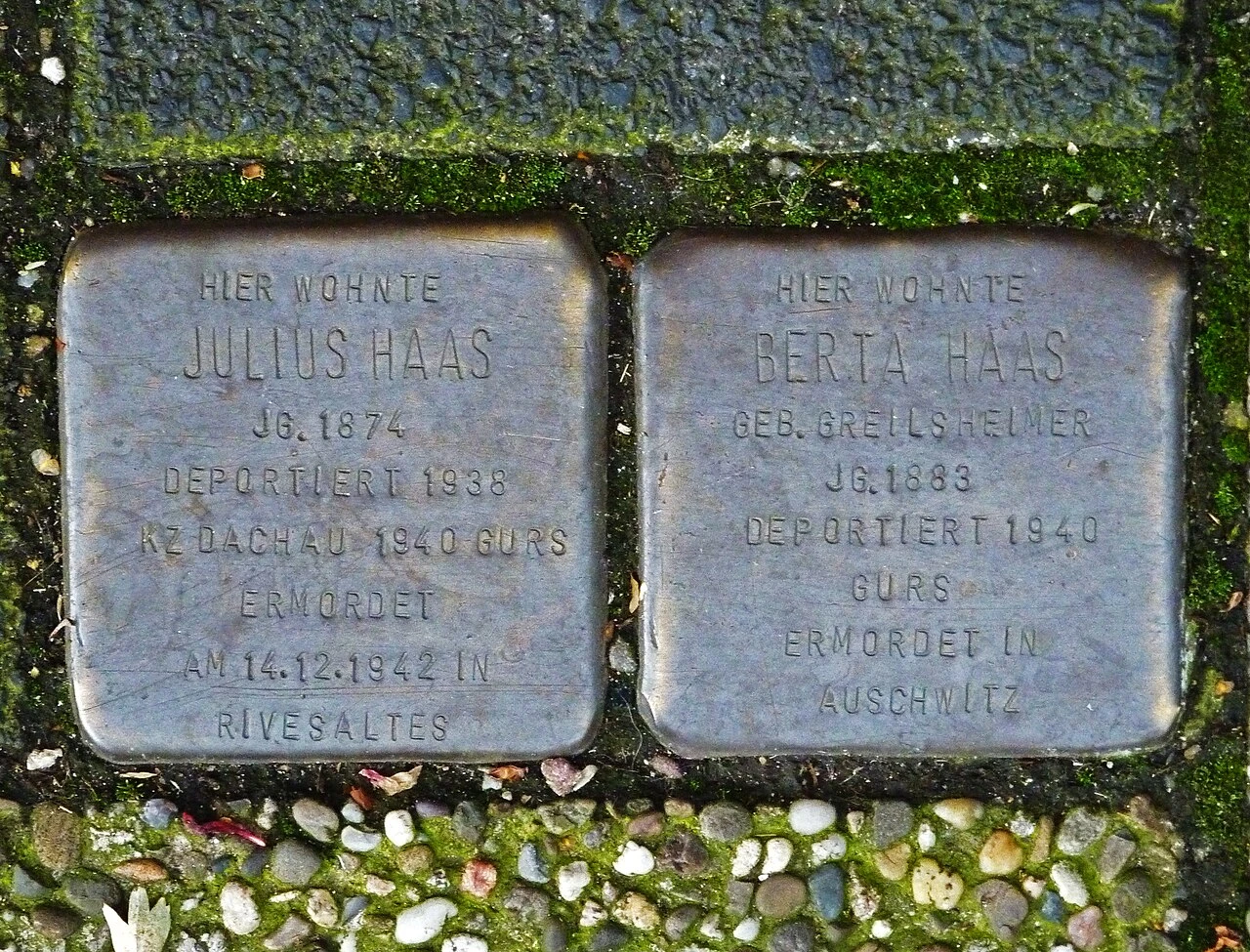
Hannah Arendt, Stateless and Interned, Facing Exile
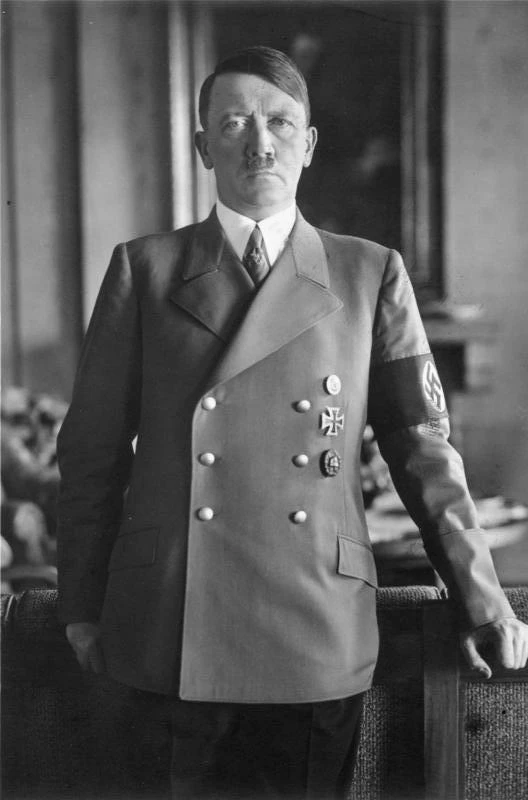
Hitler Postpones Fall Weiss
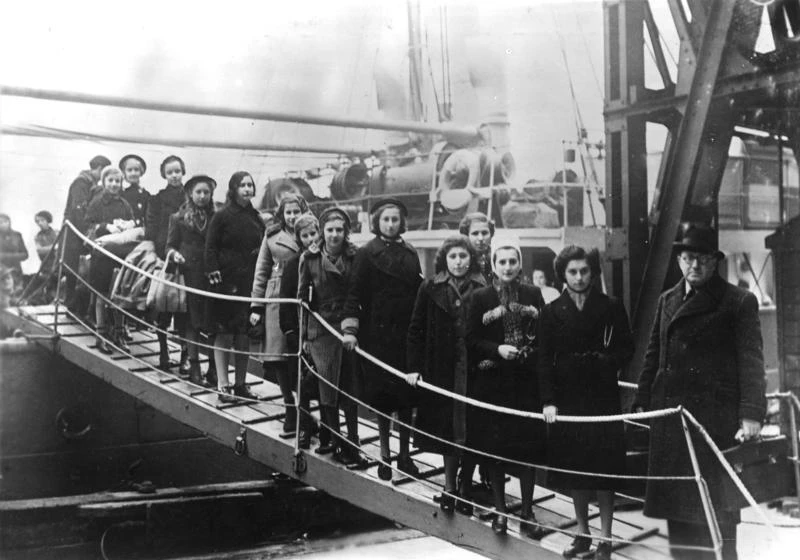
The Kindertransport
Pajala — Khorov on 21 January
The Karten: Rationing Germany at War
Join the Party?
The German Student Facing the Nazification of the University (1939)
A Danzig Customs Officer on the Day of Annexation
A Correspondent in Berlin
The Obersalzberg Speech
Hannah Arendt, Stateless and Interned, Facing Exile
Hitler Postpones Fall Weiss
The Kindertransport