
America Shifts to a War Economy
On 16 January 1942, a month after Pearl Harbor, Roosevelt created the War Production Board by executive order, succeeding the Office of Production Management. It received broad powers over the allocation of raw materials, the conversion of factories, and the priority of military orders.
To head it, the President appointed , a former executive at Sears, Roebuck and Company. A trusted figure within the administration, he wielded considerable authority but had to contend with the armed services, industrialists, and rival agencies.
The first major point of tension concerned how ambitious the production targets set for 1942 and 1943 should be. Should he aim for maximalist figures, follow the estimates the military deemed realistic, or let the market and contracts decide?
How should Nelson steer the conversion of American industry to war production?
Nelson first set highly ambitious production targets (the "Victory Program"), but ran into the "feasibility dispute" of autumn 1942: military planners demonstrated that the targets exceeded actual capacity in raw materials and labor. Nelson agreed to revise the targets downward and to establish the Controlled Materials Plan, which rationed steel, copper, and aluminum across the programs. This compromise avoided waste and enabled American industry to produce nearly 185 billion dollars' worth of armaments from 1942 to 1945.
Learn more about this event
Related polls
10
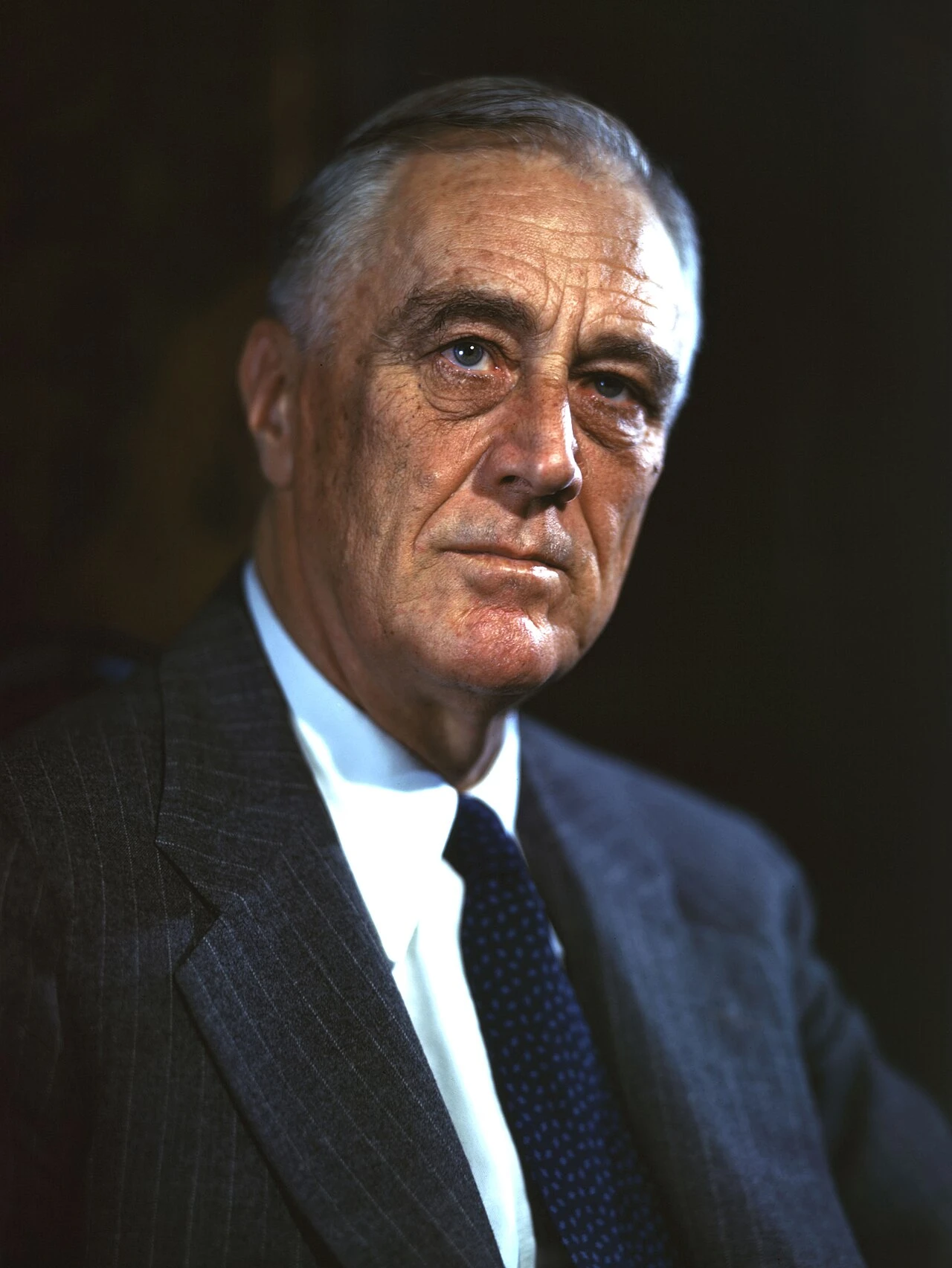
Should Stalin Be Armed?
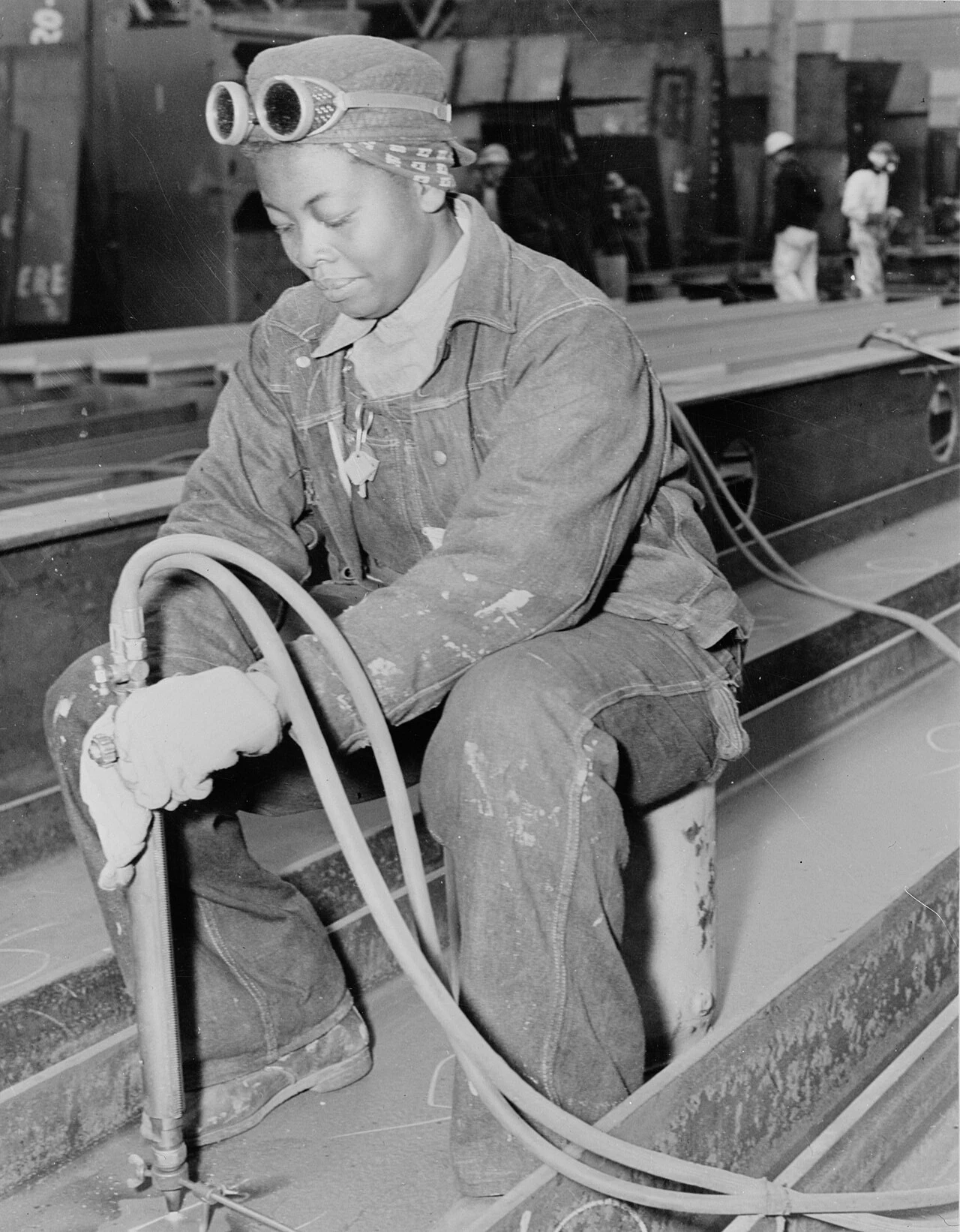
Kaiser, the Rivet and the Electric Arc
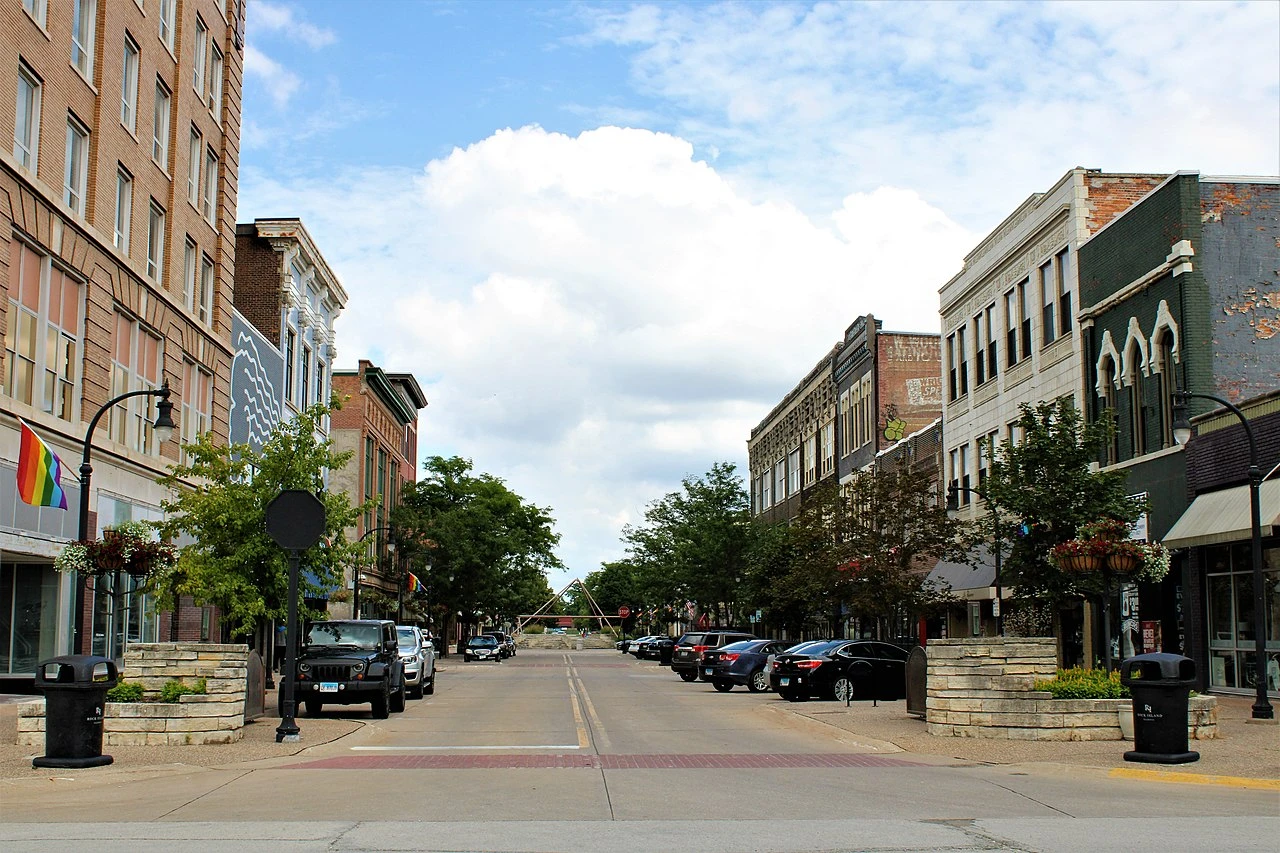
The Forgotten Tooling at Rock Island
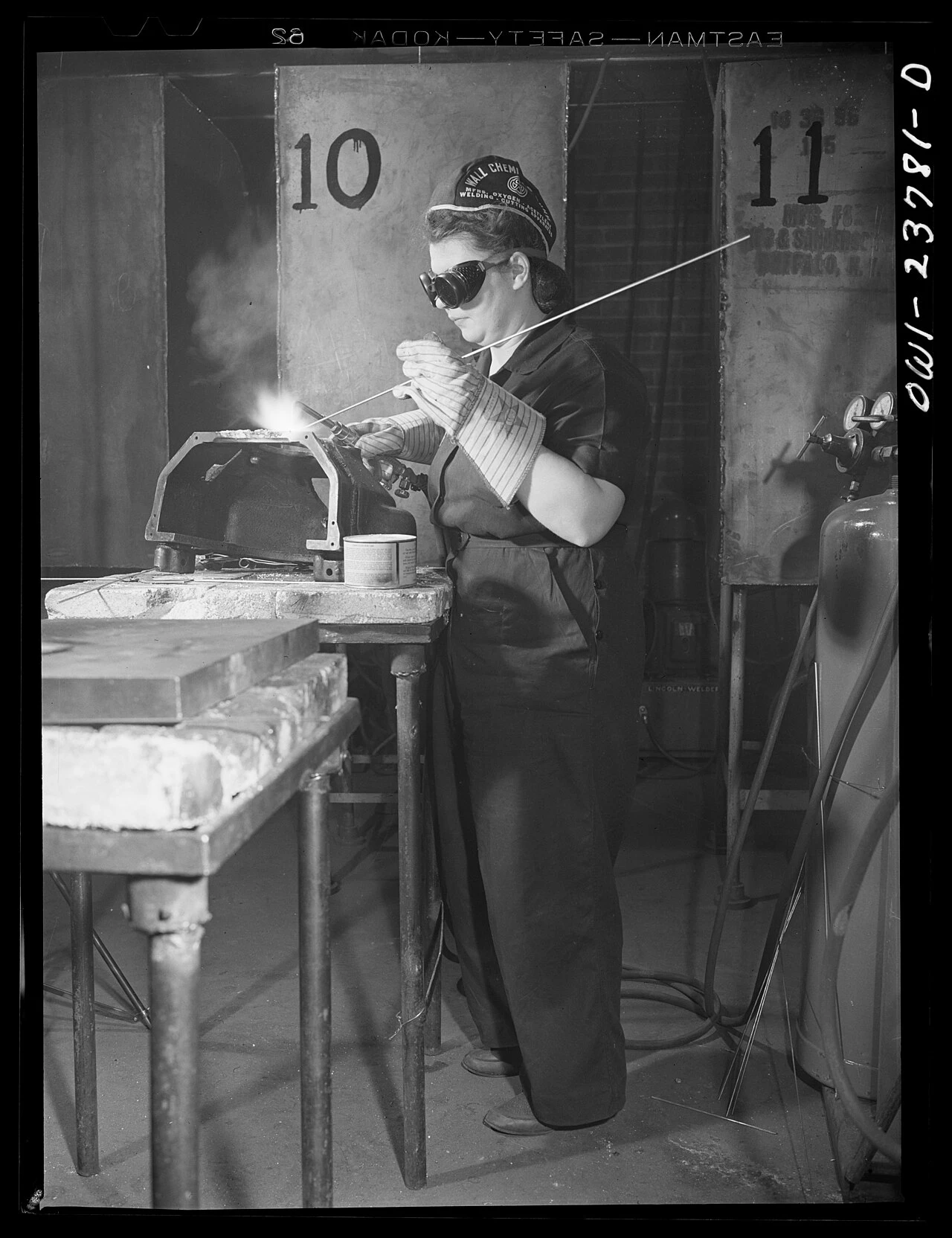
Persuade or Compel Industry
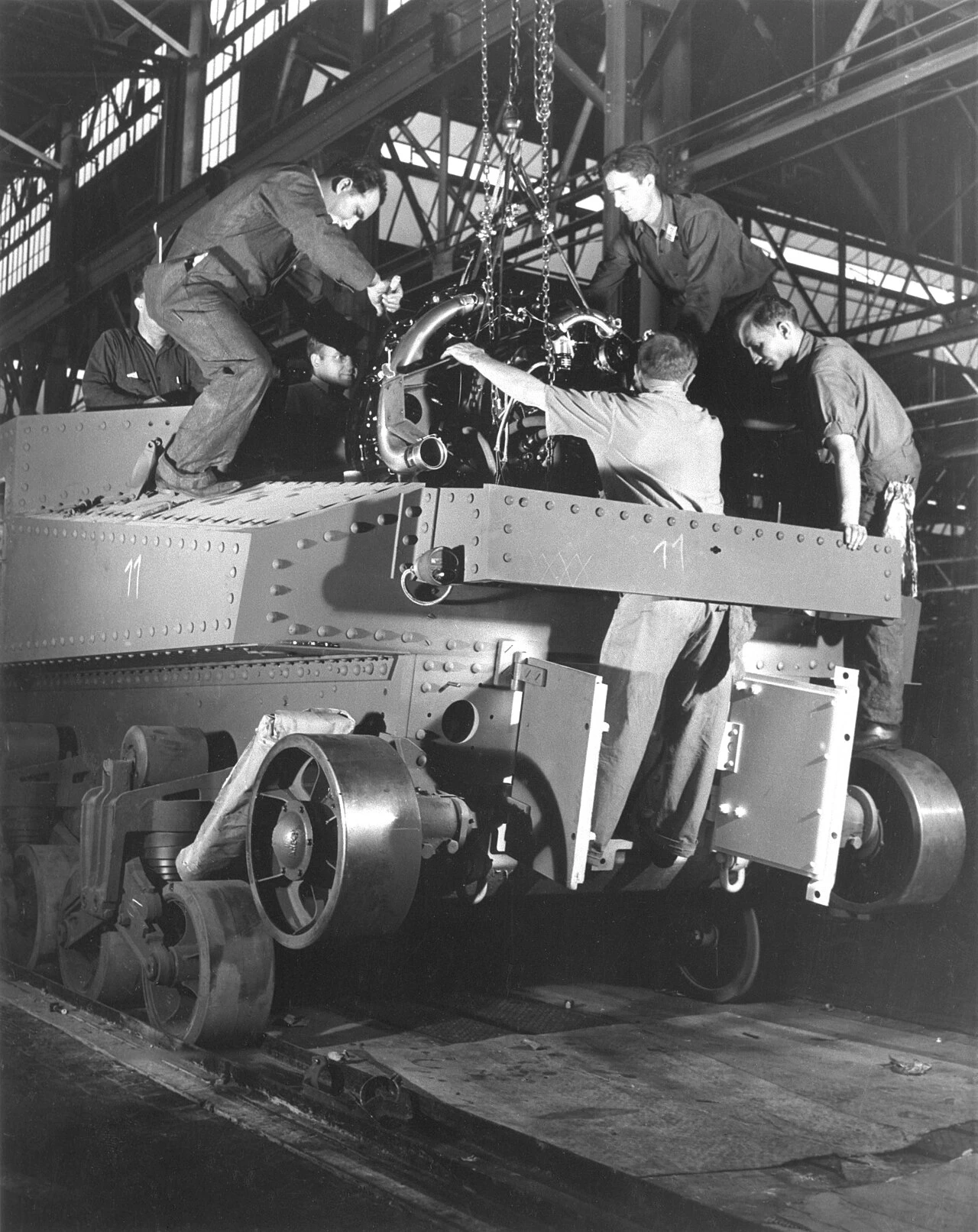
Should Detroit start building tanks?
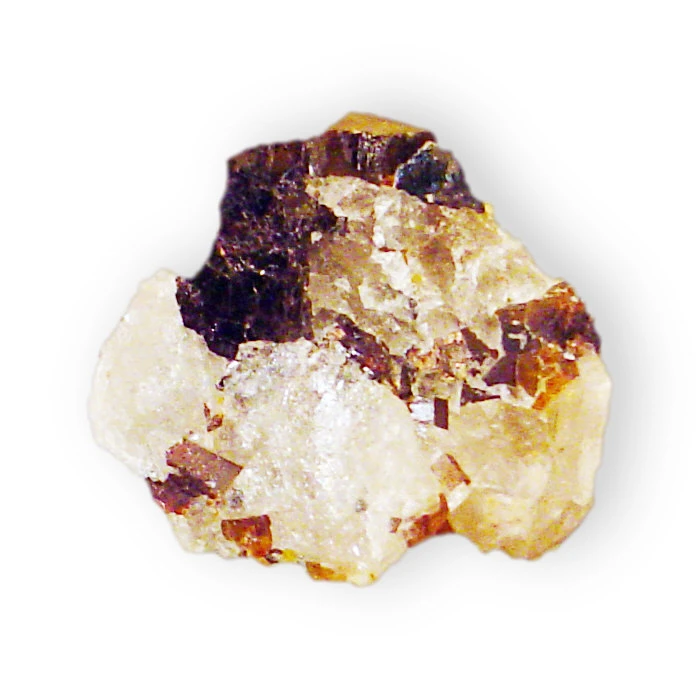
The White Ore of the Far North
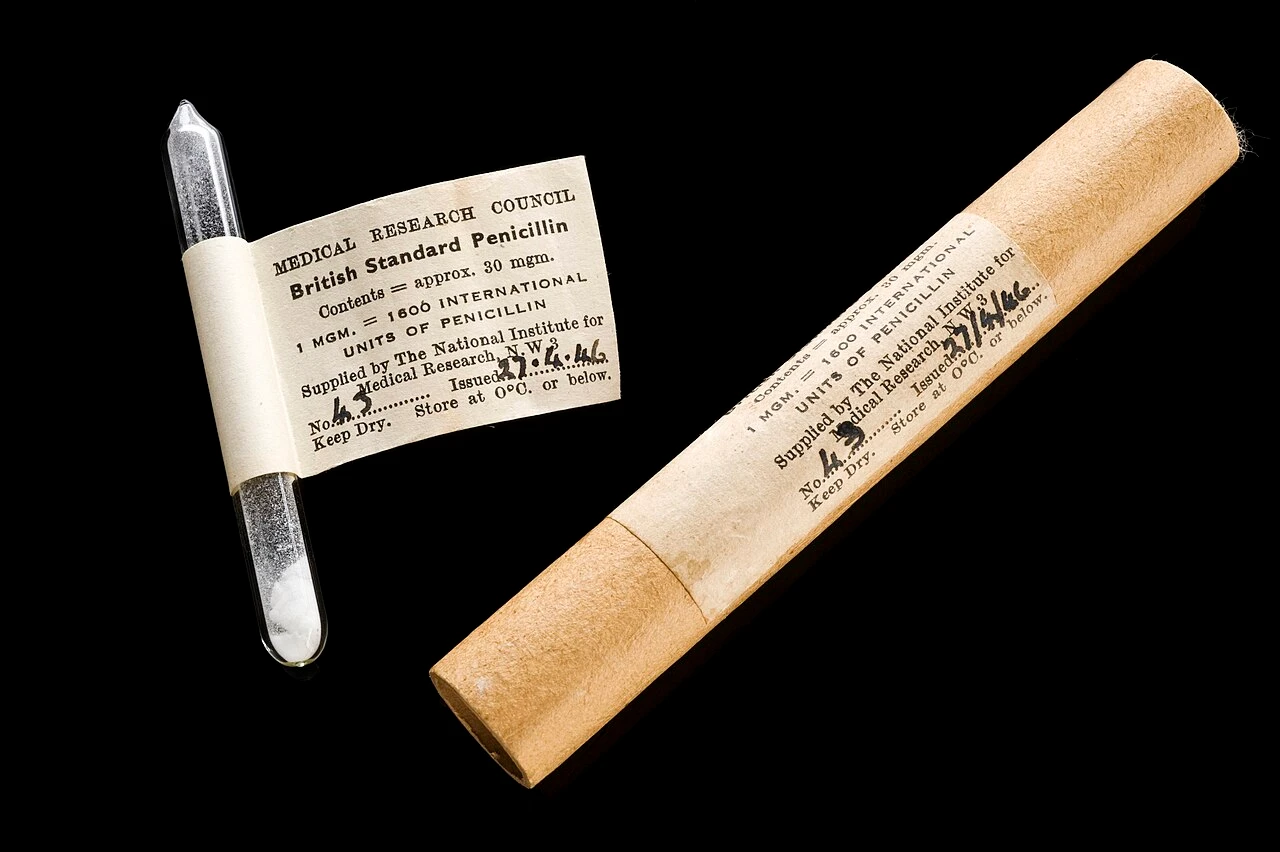
Rationing Penicillin
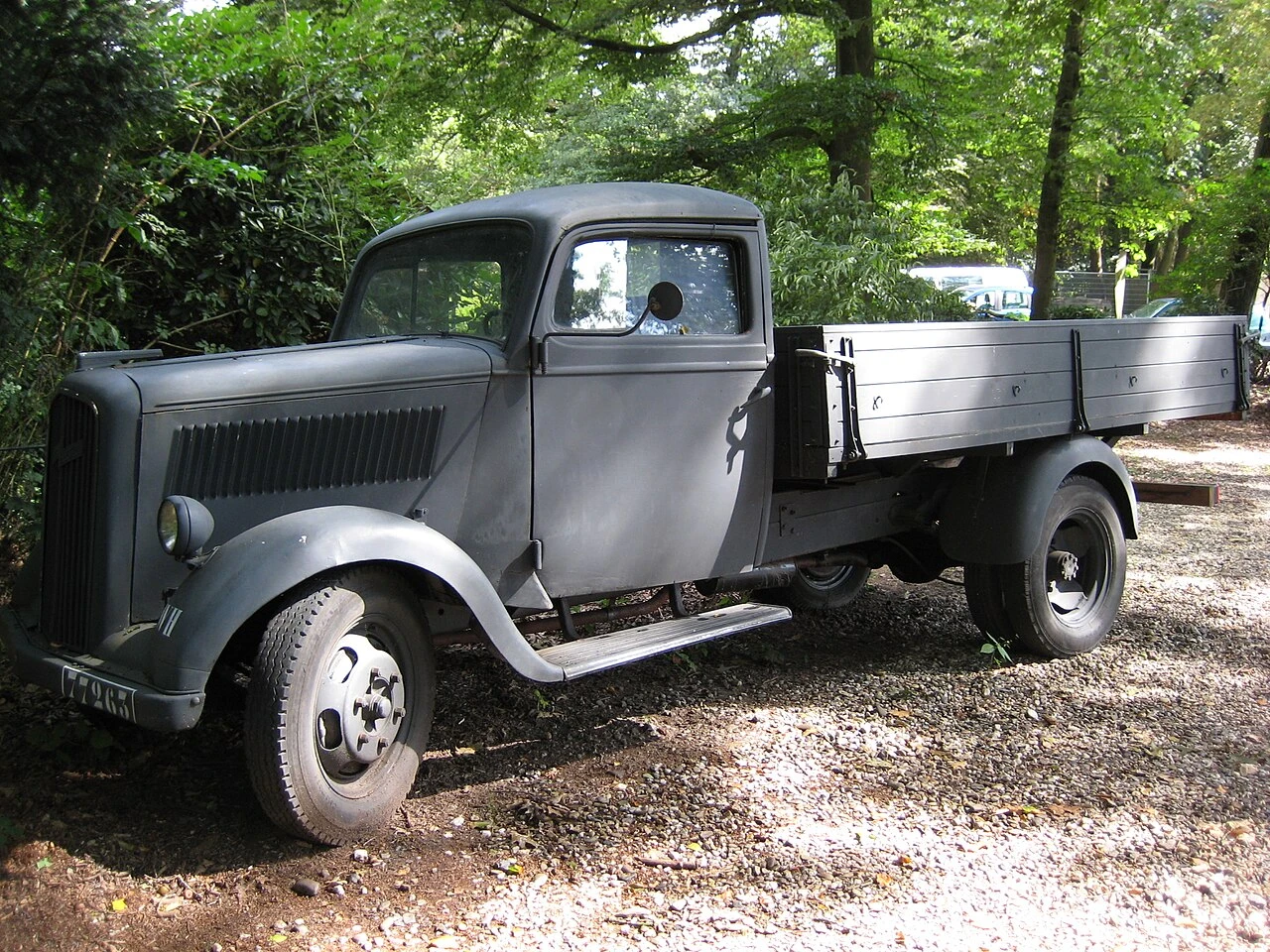
Opel under the wartime Reich: what does General Motors do?
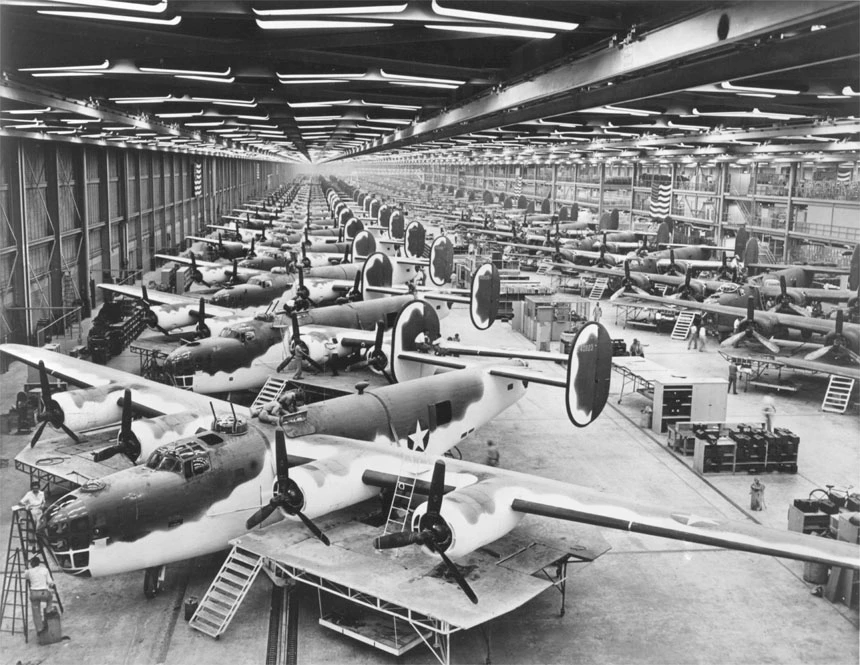
One bomber an hour: the Willow Run gamble
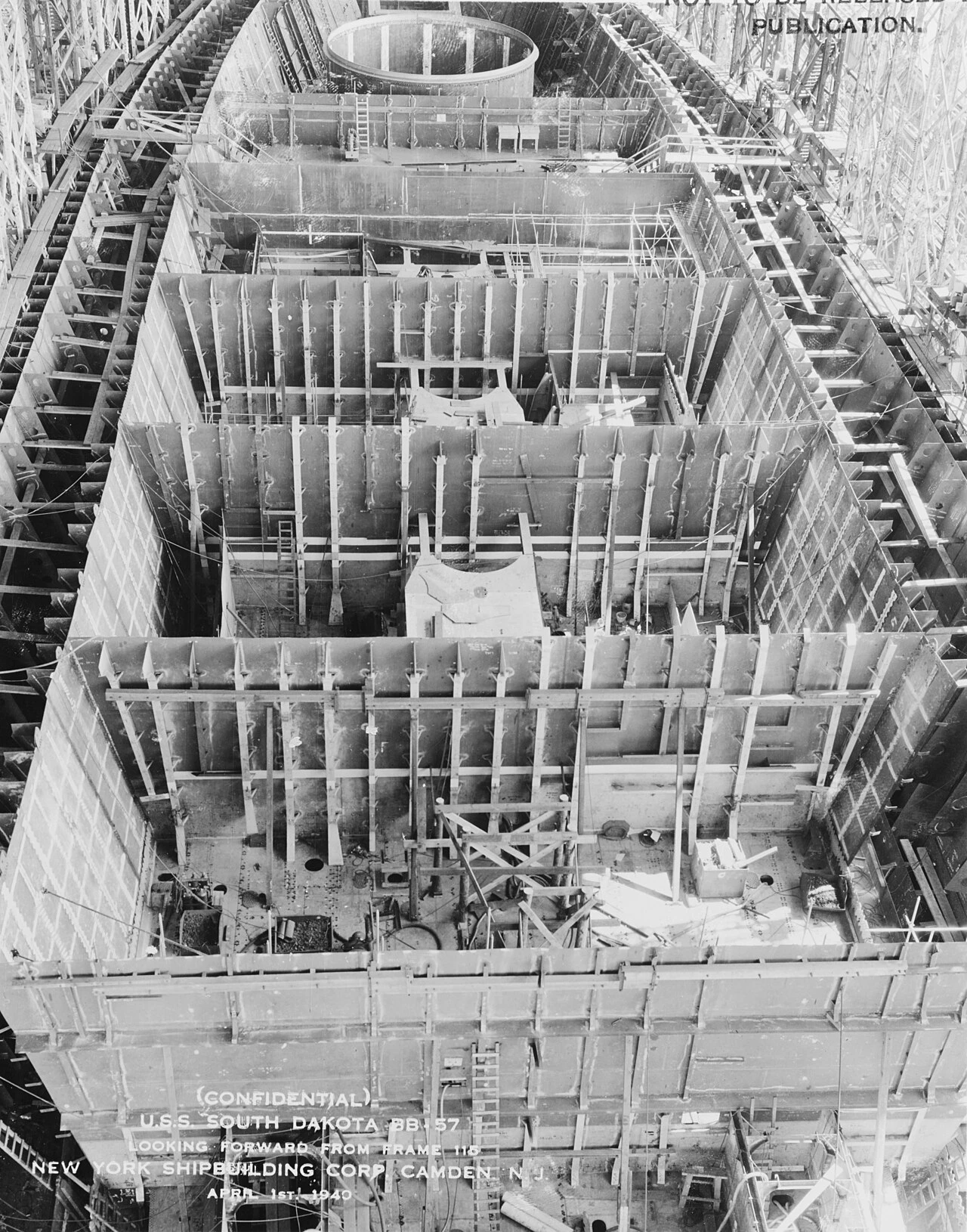
A Navy for Two Oceans
Should Stalin Be Armed?
Kaiser, the Rivet and the Electric Arc
The Forgotten Tooling at Rock Island
Persuade or Compel Industry
Should Detroit start building tanks?
The White Ore of the Far North
Rationing Penicillin
Opel under the wartime Reich: what does General Motors do?
One bomber an hour: the Willow Run gamble