
Talvela at Vyborg — 17 February
Vyborg (Viipuri in Finnish) is Finland's second city: 80,000 inhabitants in 1939, an industrial centre (paper mills, an oil refinery), a commercial port on the Gulf of Finland, and the chief citadel of Swedish-Finnish culture. Its fall would mean complete military collapse.
After the breakthrough at Lähde and the disintegration of the , Mannerheim entrusts the defence of the Vyborg sector to Major-General , aged 43 — a veteran of Tolvajärvi and already a national hero. Talvela has only 28,000 men at his disposal — the remnants of the , the and the reconstituted — together with 60 guns and 12 tanks wrested from the at Raate. Facing him stands the , refurbished by Timoshenko, which musters 180,000 men, 500 tanks and 2,000 guns.
From 17 to 28 February the gradually forces the intermediate line. On 1 March 1940 comes the first attack on Vyborg's northern suburbs. On 5 March the Soviets enter the medieval citadel of Vyborg (a symbolic site, founded in 1293 by the Swedes). On 8 March Vyborg Castle falls — the first major historic building lost.
Talvela must decide how the city is to be defended.
Should Talvela defend the city house by house?
Talvela combines B and C. Vyborg's civilian population is evacuated en masse between 25 February and 8 March: 70,000 Vyborgers leave the city for Helsinki and Turku aboard the last rail convoys. The university library is saved (250,000 volumes evacuated in three days by the Lotta Svärd). Municipal treasures (coinage, medieval archives) are brought back to Helsinki. Talvela wages a delaying action in the streets but does not lay the city waste. From 9 to 12 March 1940 come the last engagements — no Finnish Stalingrad. At 23:00 on 12 March, the Peace of Moscow is signed in Moscow: Vyborg is ceded to the USSR. At 11:00 on 13 March (the effective ceasefire) the last Finnish units leave the city by the southern road, intact. Vyborg becomes Soviet (renamed Viipuri, then Vyborg in Cyrillic). The 30,000 Finnish inhabitants who remain are expelled between April and June 1940 into the Finnish interior, joining the 422,000 evacuees from Karelia. Today Vyborg belongs to Russia (Leningrad Oblast). Finnish population: nil. Talvela continues in service and fights at Karhumäki in 1941–1944. He emigrates to Brazil after the war, returns to Finland in 1957, and dies in 1973.
Learn more about this event
Related polls
10
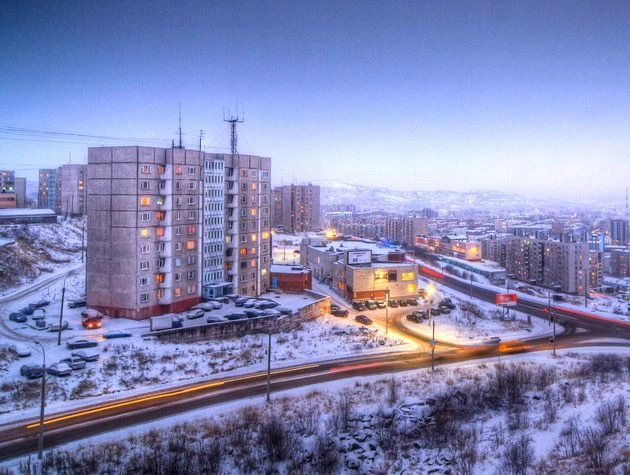
Petsamo — Pennanen on the Arctic coast
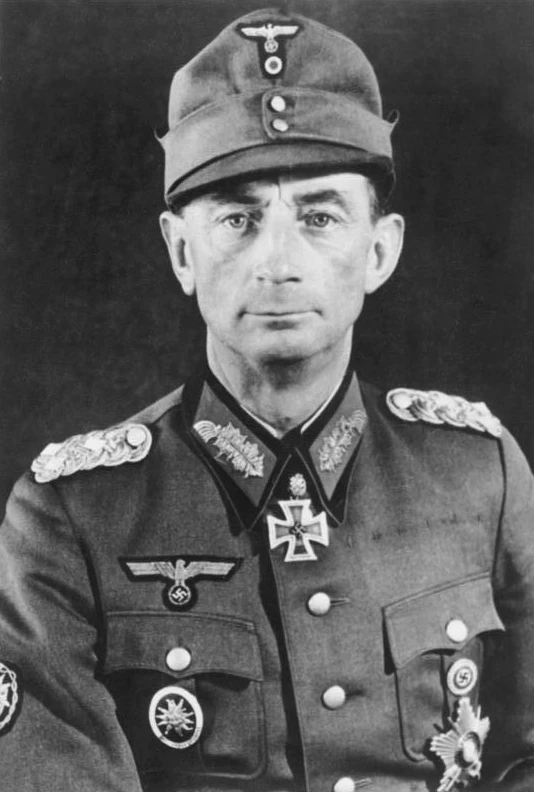
Dietl in the fjords — Narvik defence
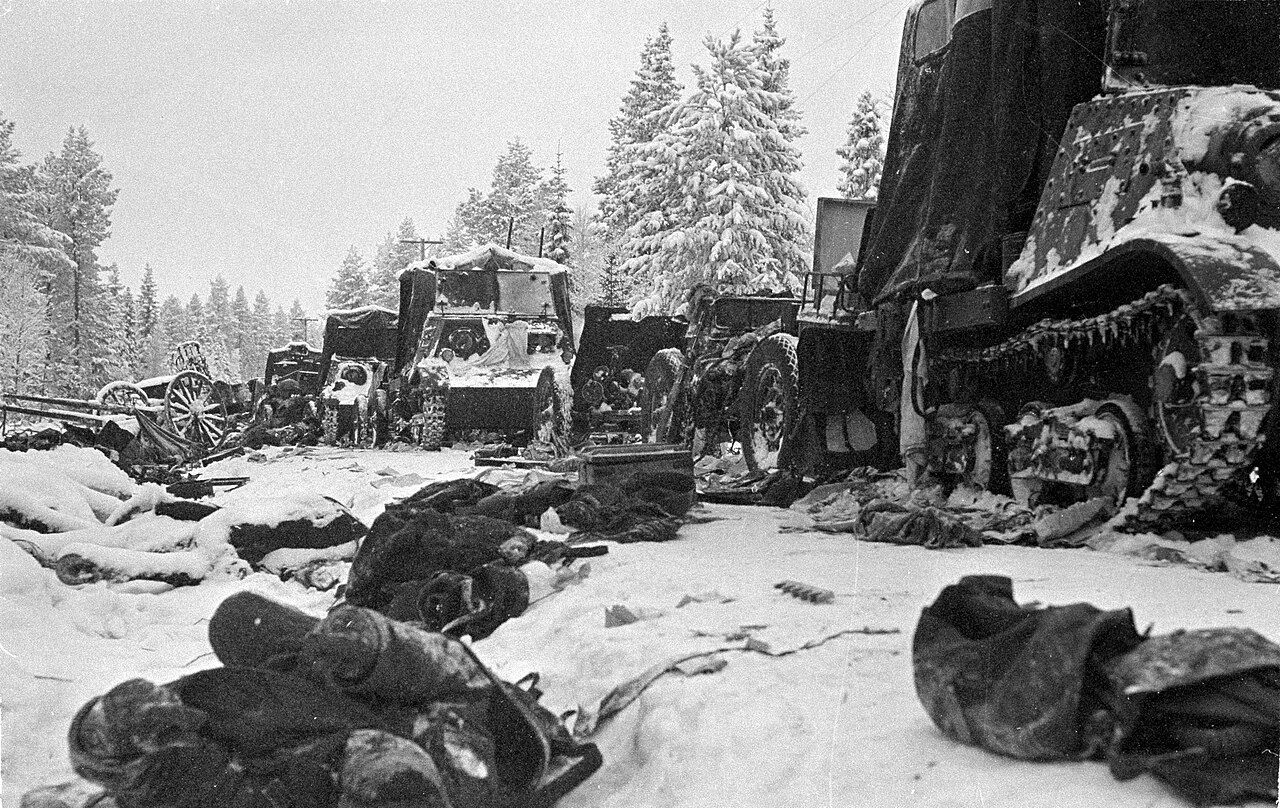
Raate — Vinogradov on the frozen road
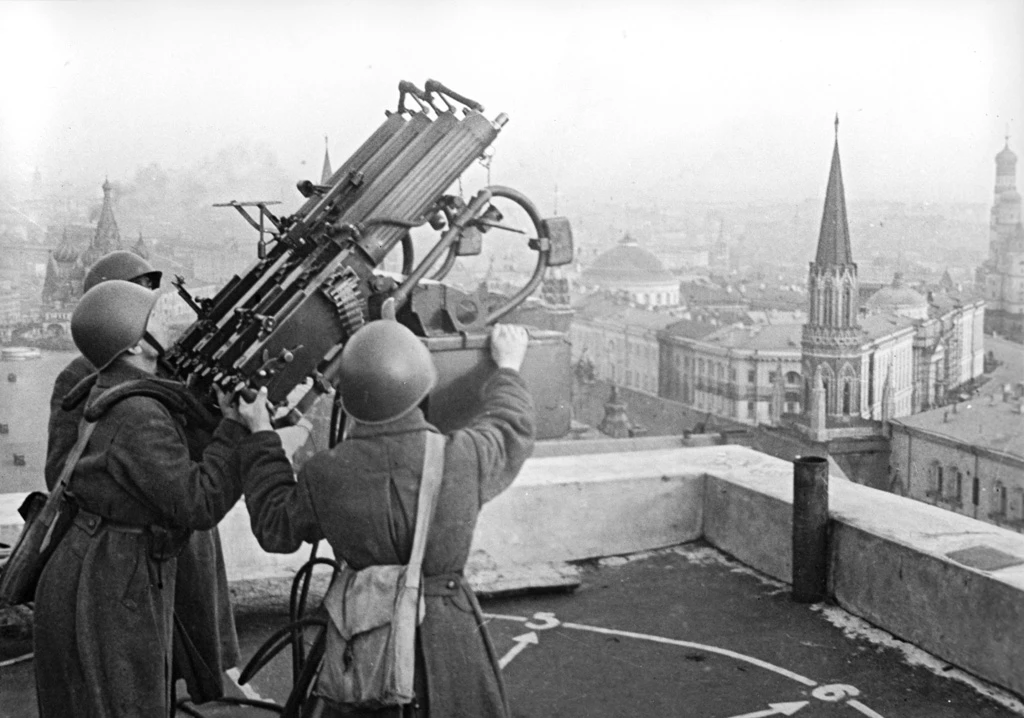
Vyazma, October 1941: the militia faces the onslaught
The abatis of the Chasseurs Ardennais
The Army of the Alps against the Italians
The Battle of the Lys
Bodange — Bricart and the Chasseurs Ardennais
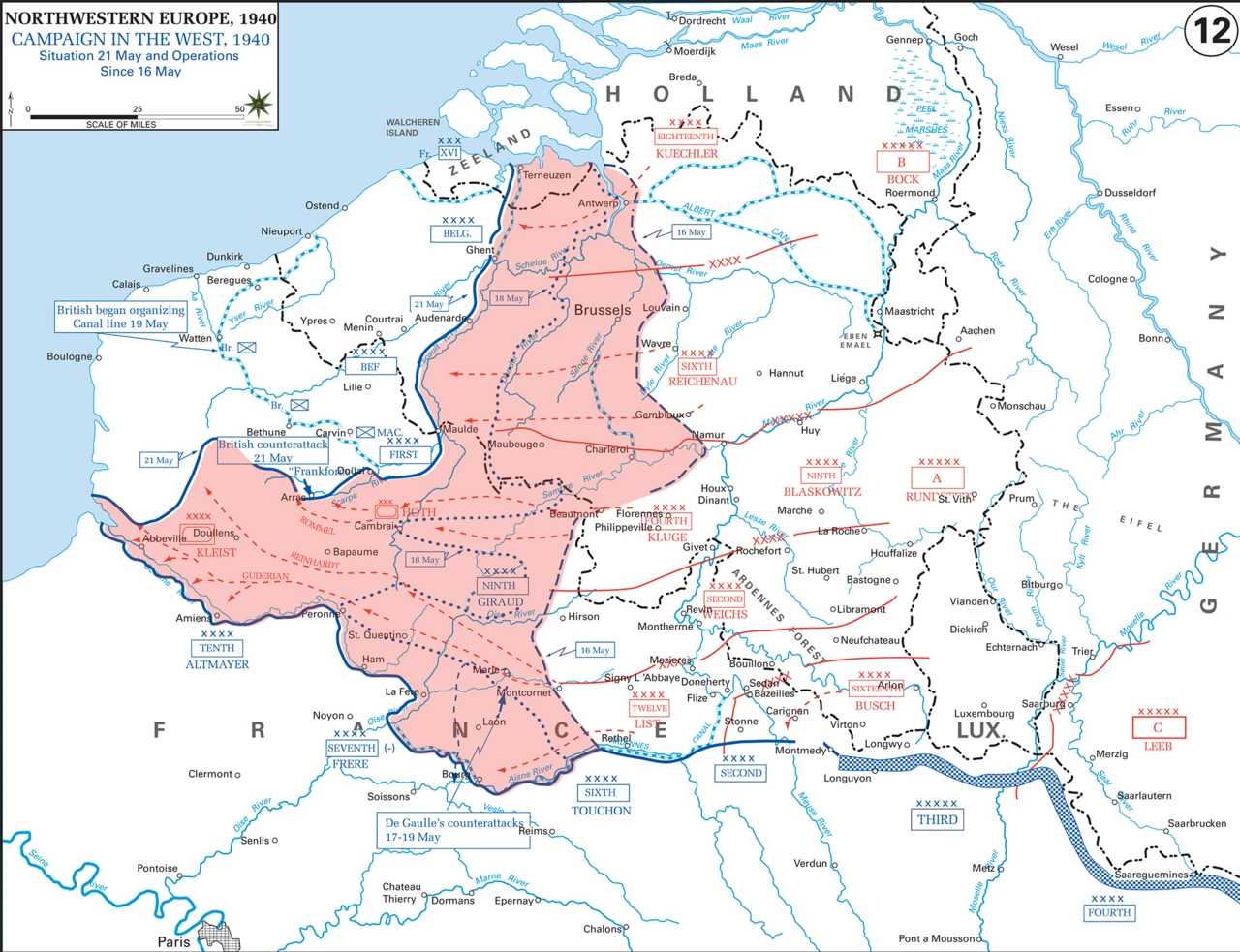
Boulogne — Fox-Pitt and the Guards facing the port
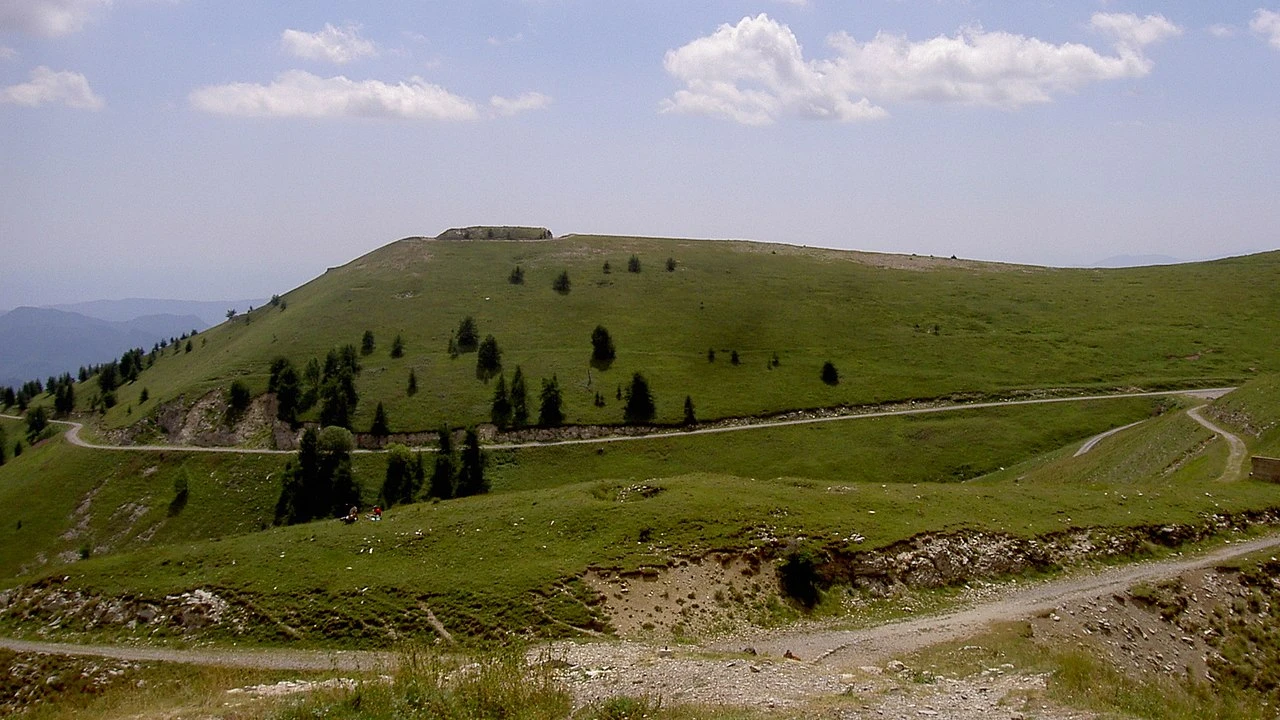
Boutmy at Mont-Cenis
Petsamo — Pennanen on the Arctic coast
Dietl in the fjords — Narvik defence
Raate — Vinogradov on the frozen road
Vyazma, October 1941: the militia faces the onslaught
The abatis of the Chasseurs Ardennais
The Army of the Alps against the Italians
The Battle of the Lys
Bodange — Bricart and the Chasseurs Ardennais
Boulogne — Fox-Pitt and the Guards facing the port