
Jewish refugees — to stay or flee again
Pre-war Belgium was home to a sizeable Jewish community, partly made up of refugees who had fled Nazism in Germany, Austria or Eastern Europe. With the arrival of the occupier in the summer of 1940, these families, who had already fled once, saw the threat they believed they had escaped drawing closer.
At this stage, the occupier had not yet issued in Belgium the great anti-Jewish ordinances (registration, exclusions), which would come in the autumn of 1940. But the German experience left little doubt about what was looming. For you, the dilemma was terrible and early. To remain in Belgium, in the hope that the occupation there would be milder than elsewhere, and for want of the means to leave. To flee yet again, towards unoccupied France, Spain, Portugal or beyond, at the cost of a new and uncertain exile. Or to try to keep a low profile, staying discreet without moving.
Information was scarce, the borders were closing, visas were lacking. Should one leave while there might still be time, or stay and hope? The choice, made in uncertainty, could decide survival.
Should our Jewish family remain in Belgium, flee even further, or keep a low profile where they are?
The three choices coexisted, dictated by means, contacts and information. Many, without visa or resources, stayed (A); some, forewarned, managed to flee (B) towards the south of France and then the Iberian peninsula. In the summer of 1940, the scale of the danger was not yet fully perceived. Yet from the autumn of 1940, the occupier issued the first anti-Jewish ordinances (definition, registration, professional exclusions), a prelude to spoliation and then, from 1942, to the deportations to Auschwitz: of some 56,000 Jews registered in Belgium, more than 25,000 would be deported, the great majority murdered. The decisions taken in the uncertainty of 1940 would weigh tragically on these destinies.
Learn more about this event
Related polls
10
The Deutsche Volksliste — sign, or stay Polish

The burgomaster faced with requisitions
Czerniaków — the Warsaw ghetto sealed

The Plunder of Art
The Repatriation of the Refugees
Rebuild or Wait
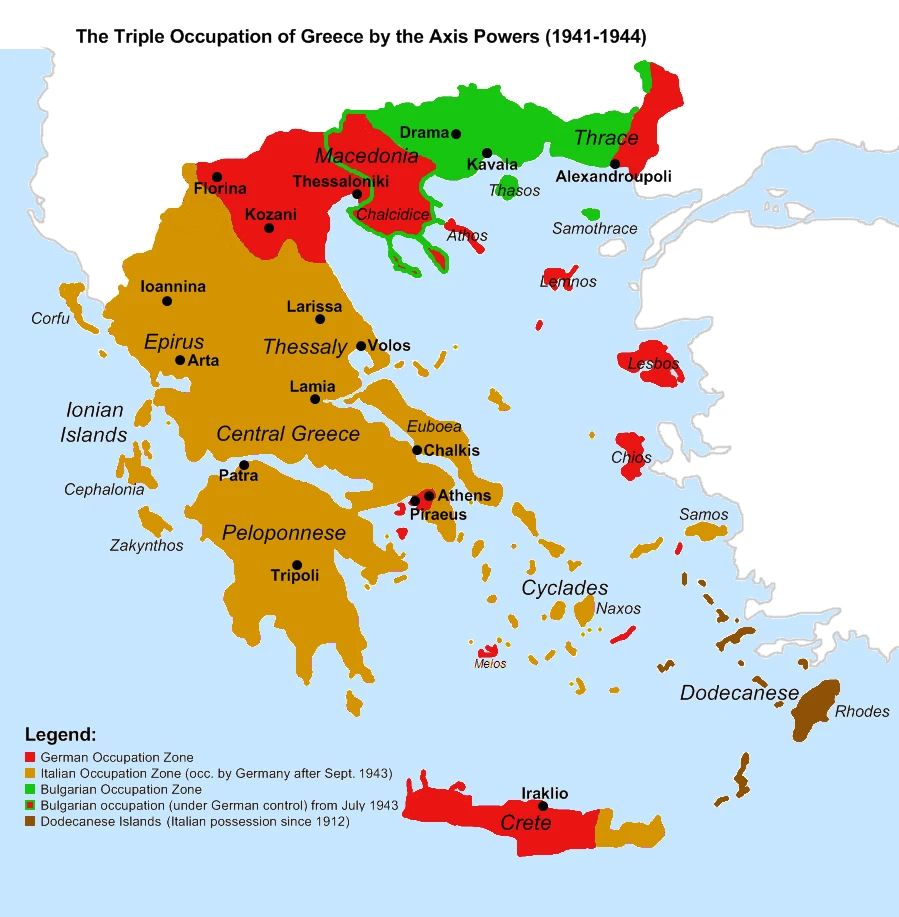
Athens, the Winter of Hunger
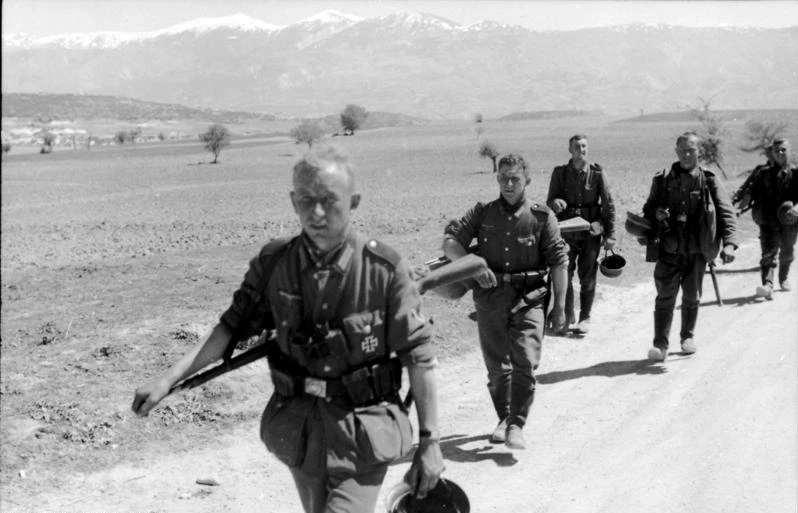
Belgrade under the bombs

The Red Cross and the Missing
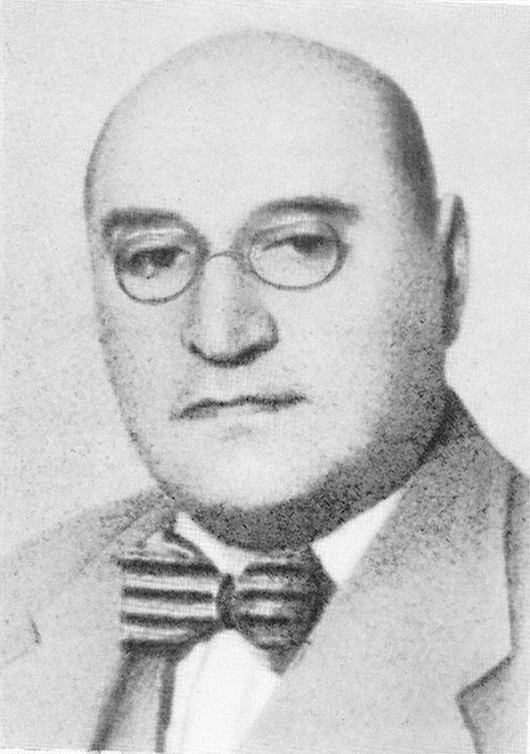
Czerniaków — the offer of the Judenrat
The Deutsche Volksliste — sign, or stay Polish
The burgomaster faced with requisitions
Czerniaków — the Warsaw ghetto sealed
The Plunder of Art
The Repatriation of the Refugees
Rebuild or Wait
Athens, the Winter of Hunger
Belgrade under the bombs
The Red Cross and the Missing