
Maciej Rataj — Filtrowa Street, 28 November
, 55, is one of the most respected political figures of interwar Poland. Born of a peasant family in Galicia, schoolmaster and then lawyer, member of the Polish People's Party "Piast" (PSL "Piast") and then of the unified PSL from 1931. President of the Sejm (Diet) of Poland from 1922 to 1928 — the longest term of the Second Republic. Author of the final text of the Constitution of 1921. Acting President of the Polish Republic in December 1922 after the assassination of (16 December 1922). In 1939, president of the PSL Piast.
On 1 September 1939, Rataj refuses to leave Warsaw despite his age and health problems (weak heart). During the siege, he visits the hospitals, encourages the wounded, pleads for resistance. After the capitulation of 28 September, he becomes one of the pivotal figures of the clandestine political leadership — he is called to take part in the negotiations that will give birth to the socialist WRN, the clandestine Peasant Centrale (ROCh, Ruch Oporu Chłopskiego, "Peasant Resistance Movement"), and the Government Delegation in Poland.
His moral authority is indispensable to the Polish underground government: he represents the republican continuity of the pre-war years, the democratic tradition. But his visibility makes him a target. Three options lie open to him for the autumn of 1939: to vanish entirely into the underground with false papers and constant moves, to continue openly in his role as a moral reference at the risk of his life, or to reach Paris to advise Sikorski in exile.
How should Rataj protect himself in the autumn of 1939?
Rataj chooses B. He lives openly in Warsaw under his real name, in his flat on Filtrowa Street, fully assuming his role as a moral reference. On 28 November 1939, the Gestapo arrests him in a general round-up of the Polish political elites — as part of the "preventive political purification" planned by . Held at Pawiak, transferred to Aleja Szucha (Gestapo headquarters), interrogated without torture but under psychological pressure. The Gestapo considers him to hold crucial information on the underground organization.
In the course of the AB Aktion, is taken with 357 other prisoners into the Palmiry forest on 21 June 1940, where he is executed by firing squad — at the same moment as (PPS), (Olympic champion), and other political elites of the Second Republic. Identification of his body by his daughter after the war (1946) — he carried on him a religious medal of his mother's. Today his name is honoured: Rataj Museum at Chłopy (his native village), Street in Warsaw. The post-war PSL, marginalized and then forcibly merged with the communist PZPR in 1949, will remain the lost branch of Polish democracy until 1989. Rataj is one of the historical reference figures of today's PSL (Polish agrarian party post-1989). His decision to remain in 1939 — fully assuming the role of moral reference at the risk of his life — is emblematic of the sacrifice of the Polish political elites during the war.
Learn more about this event
Related polls
10
The University of Warsaw under the Bombs
The Jewish Schoolteacher of Kazimierz
Hans Frank — the taking of the Wawel
Kamiński and the Biuletyn — 5 November
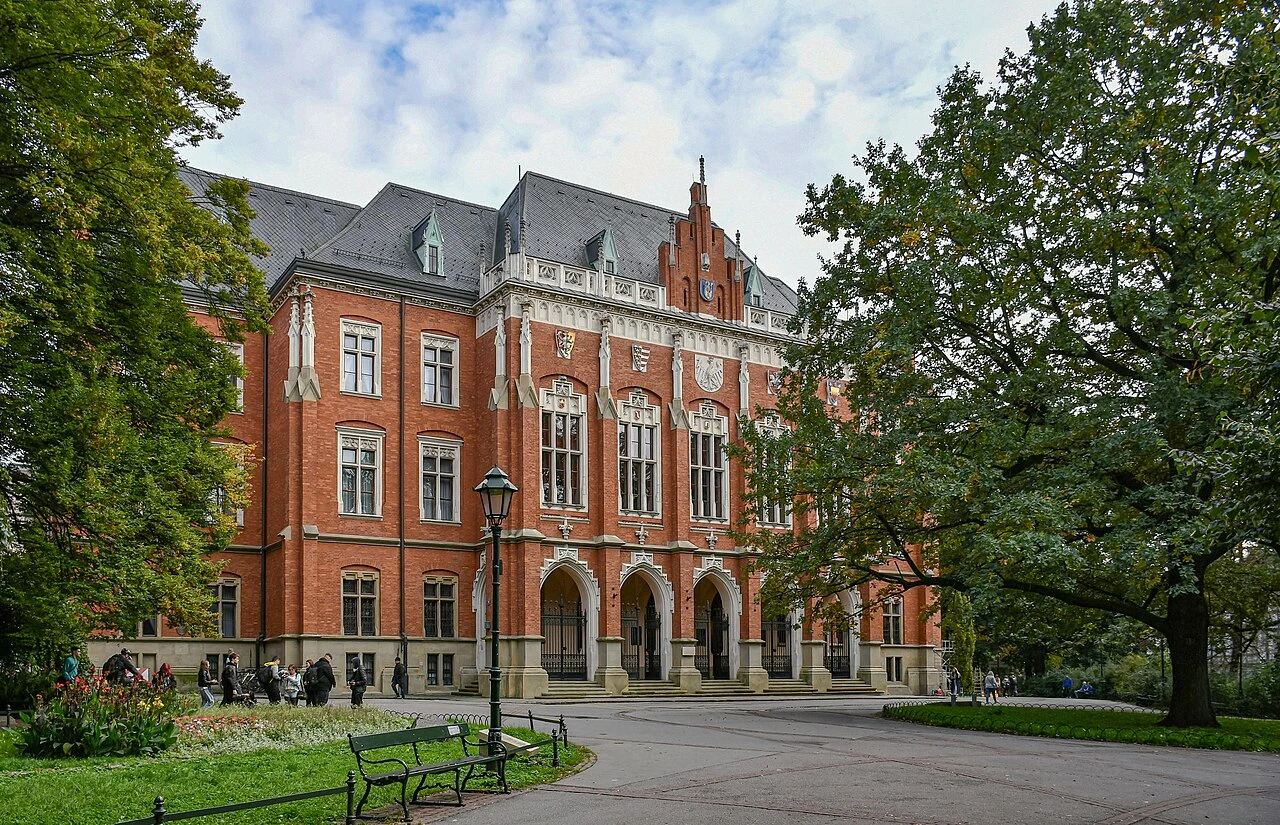
The Kraków Student After the Sonderaktion Krakau
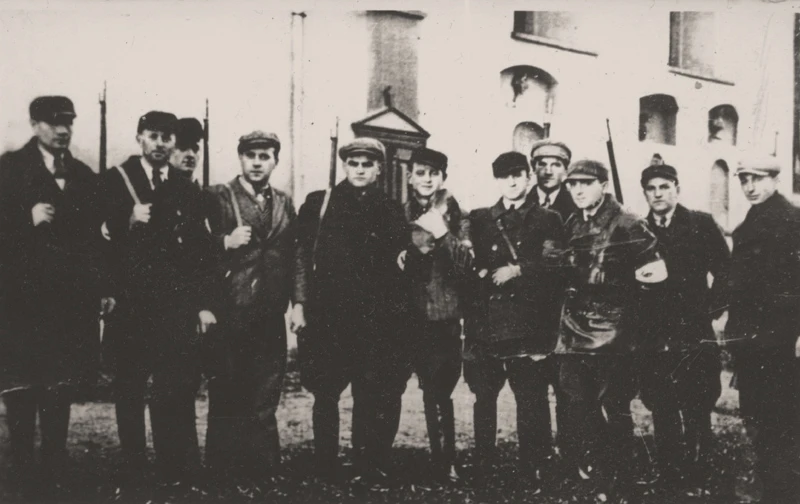
The Volksdeutsche Conscripted into the Selbstschutz
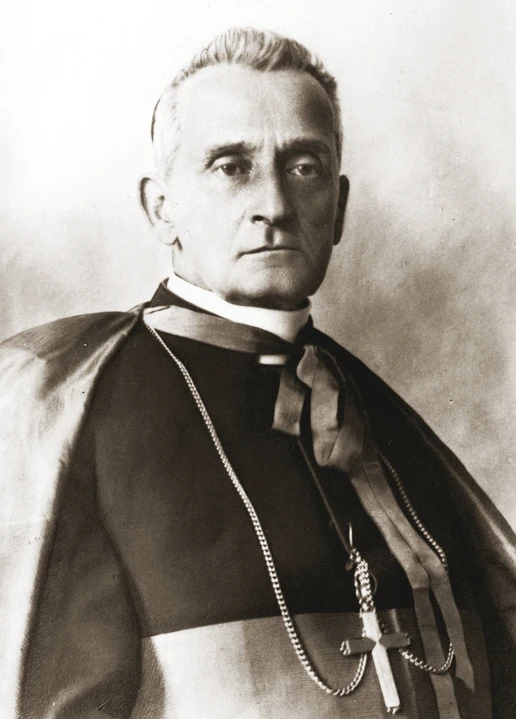
Cardinal Sapieha — Krakow under Occupation
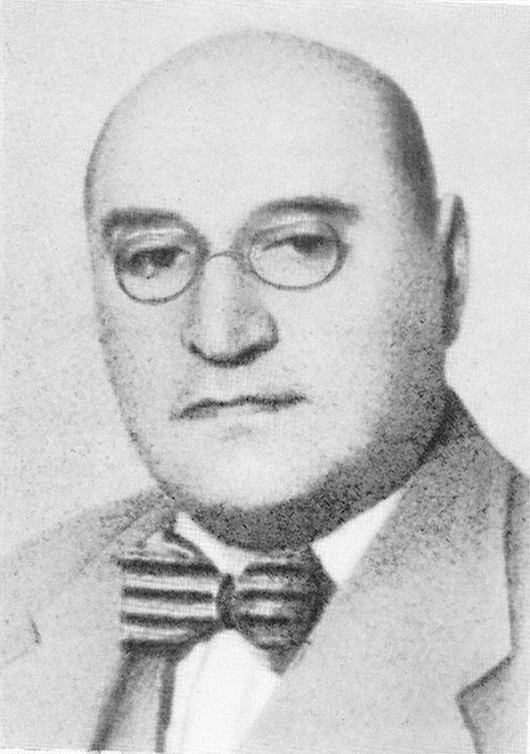
Czerniaków — the offer of the Judenrat
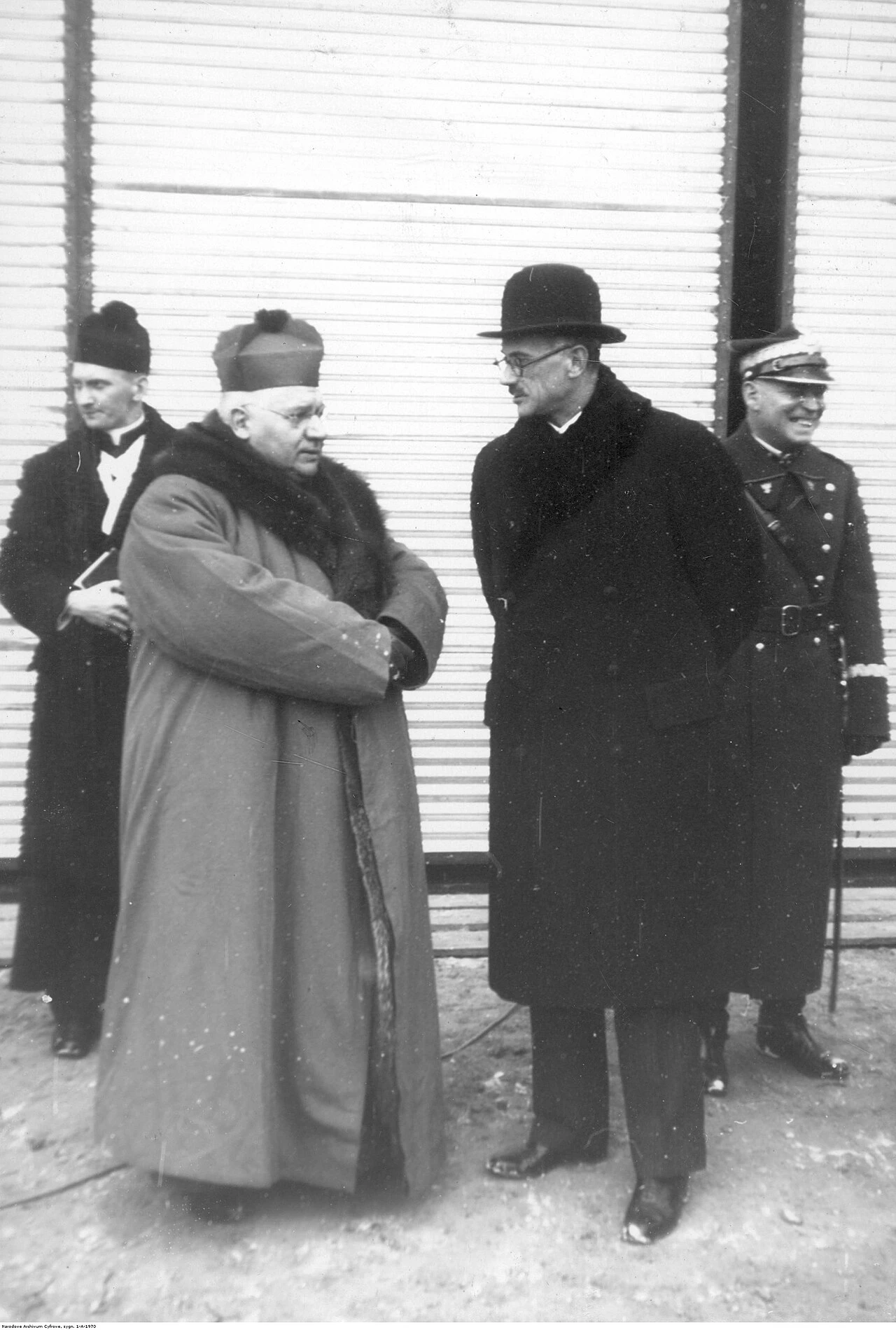
Bishop Adamski in annexed Katowice
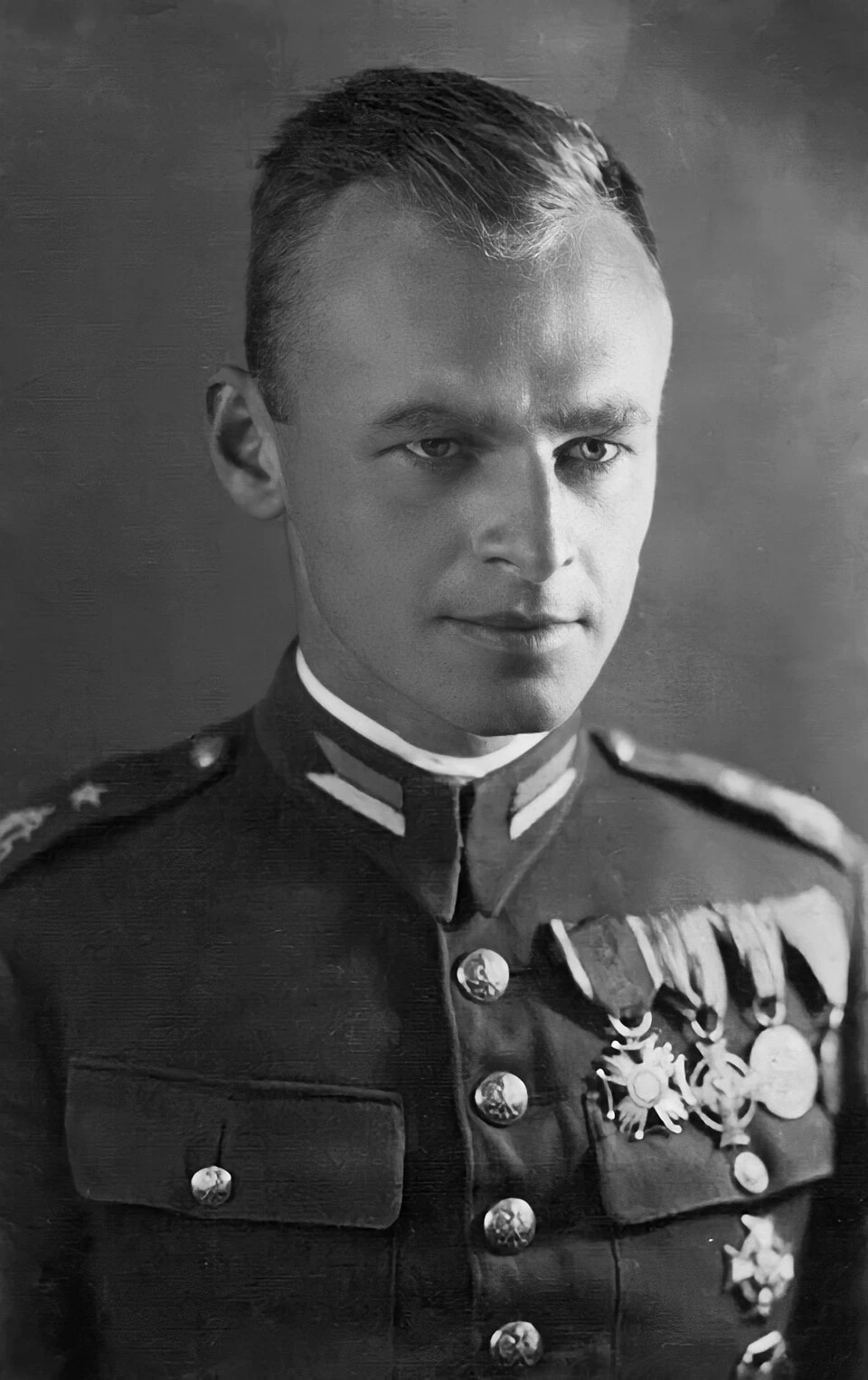
Pilecki — founding the TAP
The University of Warsaw under the Bombs
The Jewish Schoolteacher of Kazimierz
Hans Frank — the taking of the Wawel
Kamiński and the Biuletyn — 5 November
The Kraków Student After the Sonderaktion Krakau
The Volksdeutsche Conscripted into the Selbstschutz
Cardinal Sapieha — Krakow under Occupation
Czerniaków — the offer of the Judenrat
Bishop Adamski in annexed Katowice